Indiana’s Occasional Black Bear Wanderers
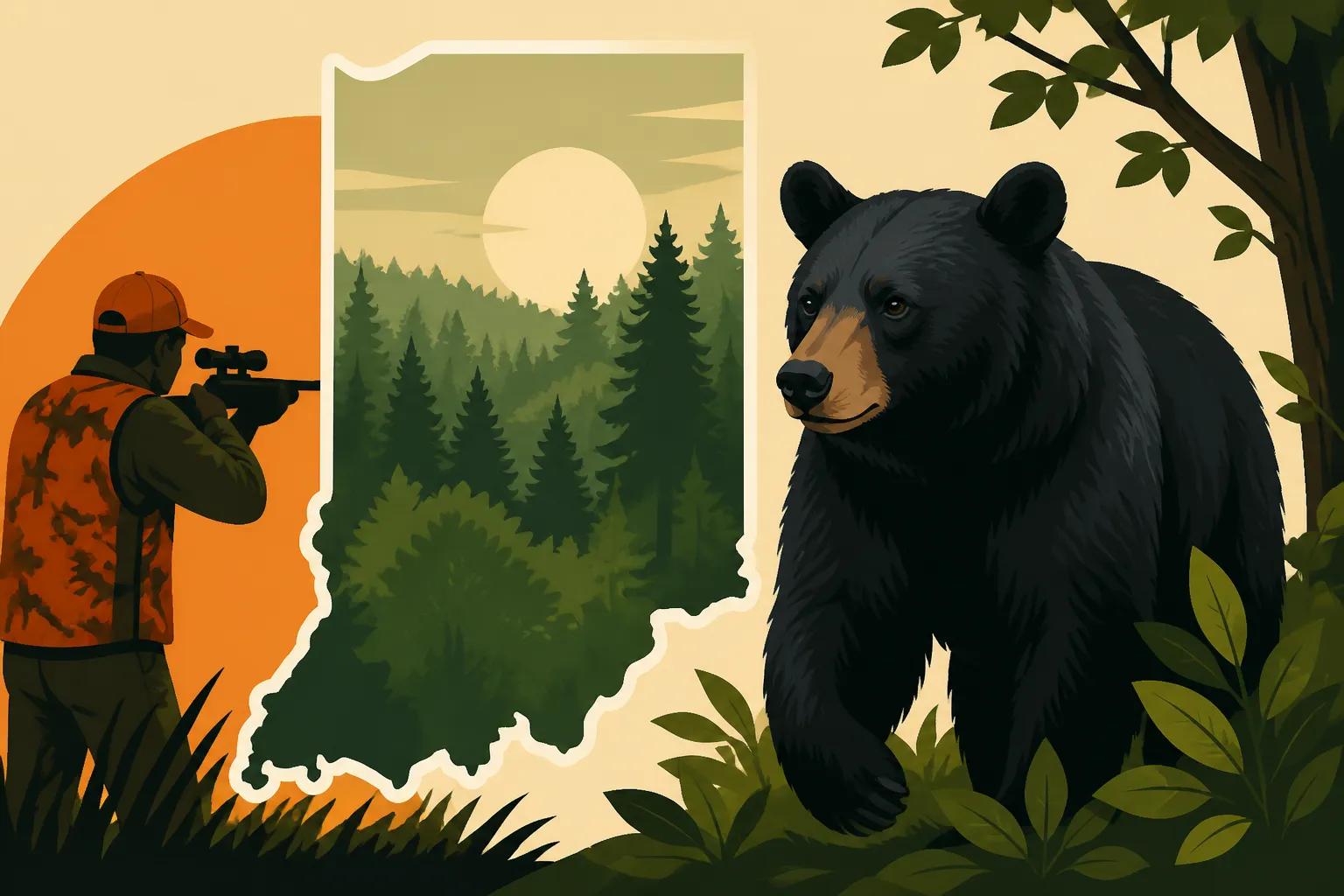
The thought of encountering a black bear in Indiana used to feel like something out of a tall tale, a relic of pioneer days. But for many Hoosiers, especially those spending time in our deep woods, that distant possibility is becoming a more tangible reality. It can be startling, even a little unsettling, to realize these magnificent animals are truly making a comeback in our state. This guide is here to shed light on why you're seeing them, what they're up to, and most importantly, how to coexist safely with Indiana's newest, or rather, oldest, wild neighbors.
The Return of a Native Son: Historical Context and Modern Reappearance
For generations, hearing about a black bear in Indiana was typically met with skepticism, perhaps a story from a distant memory or a misidentified animal. Yet, in recent years, undeniable proof has emerged: black bears are once again roaming Indiana’s landscapes. It’s a remarkable return, but it also means we need to refresh our understanding of these powerful animals.
Past Presence and Extirpation
Historically, black bears were an integral part of Indiana's ecosystem, roaming freely through its dense forests and rich bottomlands. They were here long before European settlers arrived, thriving in the vast wilderness that once covered much of the state. However, as settlement pushed westward, the landscape dramatically changed. Forests were cleared for agriculture, towns sprang up, and an increasing human population led to extensive hunting and habitat loss. By the mid-19th century, black bears, along with many other large predators, were extirpated from Indiana. This means they were completely wiped out within our state borders, leaving a void in the natural world that lasted for over a century and a half. It's easy to forget just how much our wild places have changed, and how much effort it takes for some species to reclaim their ancestral territories.
The Modern Comeback and First Sightings
Fast forward to the 21st century, and something incredible began to happen. While it wasn't a formal reintroduction program by the Indiana Department of Natural Resources (DNR), individual black bears started to be sighted again. These were often transient males, venturing far from established populations in neighboring states like Michigan, Wisconsin, and even Kentucky. The first confirmed sightings in recent decades typically involved younger bears, pushed out of their home ranges to find new territories. These initial reports, often accompanied by blurry cell phone pictures or fleeting glimpses, slowly gained credibility. Then came the trail camera photos, the scat, the tracks – undeniable evidence that black bears were not just passing through occasionally, but perhaps beginning to linger. It's a slow process, but the trend is clear: Indiana is becoming a place where a black bear might just decide to settle down. For those of us who spend a lot of time outdoors, especially when Scouting Indiana Public Land Before Season, it’s another layer of awareness to add to our routine.
Why Black Bears Are Showing Up in Indiana
It's not by accident that black bears are making their way back into the Hoosier State. Several factors contribute to their expanding presence, mainly stemming from successful conservation efforts in surrounding regions and Indiana's own evolving landscape.
Neighboring State Populations Expanding
The primary reason for Indiana’s increasing bear sightings is the robust and growing black bear populations in our neighboring states. Michigan, particularly the Lower Peninsula, has seen a significant increase in its bear numbers, leading to younger males dispersing in search of new, unoccupied territories. Similarly, Ohio and Kentucky have established populations that are doing well. When these younger, often adventurous bears are forced to find new homes, Indiana, with its increasingly suitable habitat, becomes an appealing destination. They follow river corridors, dense forest patches, and even fencerows through agricultural areas, covering surprising distances in their quest for a place to call their own. It's a testament to the overall health of bear populations in the Midwest, and Indiana is simply experiencing the ripple effect of this success.
Habitat Suitability and Travel Corridors
While much of Indiana is agricultural, we still have significant forested regions, particularly in the southern half of the state. Areas like the Hoosier National Forest Hunting and various Indiana State Forest Hunting properties offer vast tracts of timber, ample food sources like acorns and berries, and the seclusion that bears need to thrive. These areas, along with numerous river bottomlands and even large private timber holdings, provide ideal habitat for bears looking to set up shop. The interconnectedness of these forested patches acts as natural travel corridors, allowing bears to move relatively undetected across the landscape. As Indiana's forests mature and conservation efforts continue to protect and expand wild areas, these habitats become even more attractive. Bears are incredibly adaptable, and if they can find food, water, and cover, they’ll make a home.
Understanding Black Bear Behavior
To coexist safely with black bears, it's crucial to understand their natural behaviors. They aren't inherently aggressive creatures, but like any wild animal, they can be unpredictable, especially when startled or threatened. Knowing their patterns can help you avoid unwelcome surprises.
Solitary Nature and Foraging Habits
Black bears are generally solitary animals, meaning they prefer to be alone, especially adult males. While you might occasionally see a sow with her cubs, it's rare to find large groups of unrelated bears. They are also incredibly intelligent and curious creatures, constantly exploring their environment for food. Their diet is incredibly varied; they're omnivores, meaning they eat both plants and animals. This includes a lot of berries, nuts (especially acorns and hickory nuts), roots, insects, grubs, and even small mammals. They're also opportunistic scavengers, and this is where human-bear conflicts often arise.
They have an amazing sense of smell, far superior to a dog's, which they use to locate food. This means that unsecured garbage, pet food left outdoors, barbecue grills with leftover grease, and even bird feeders can become irresistible attractants. A bear in search of an easy meal will quickly learn where to find it, leading them closer to human habitation. Understanding their drive to forage and their keen senses is the first step in preventing unwanted encounters. When you're out in the woods, even when you're just looking for signs like Reading Indiana Mud for Fresh Deer Movement, remember that bears are doing the same for their next meal.
Identifying Defensive Versus Predatory Behavior
It's vital to differentiate between a defensive bear and a predatory one, though predatory attacks are exceedingly rare from black bears. Most bear encounters involve a defensive bear, usually a sow protecting her cubs or a bear protecting a food source.
-
Defensive Bear: A defensive bear will often try to appear larger and more intimidating. This might include standing on its hind legs (which is usually a sign of curiosity, not aggression, trying to get a better look or smell), huffing, jaw popping, or making bluff charges. A bluff charge is when the bear rushes towards you but stops short, often slamming its paws on the ground. The key here is that a defensive bear wants you to leave. It's stressed, not looking for a fight, but will defend itself if it feels cornered or threatened. The best response is usually to slowly back away, speaking in a calm, firm voice, making yourself appear large, and never running.
-
Predatory Bear: A predatory black bear is an extremely rare occurrence but is characterized by a silent approach, stalking behavior, and an intent to pursue. These attacks are usually quiet, with the bear not making much noise, and often involve the bear viewing you as prey. If a bear exhibits this kind of behavior, fighting back aggressively is the recommended response. However, it cannot be stressed enough how uncommon this is with black bears. Most bears just want to be left alone. Knowing these distinctions can be life-saving.
What to Do If You Encounter a Black Bear
The sight of a black bear can be thrilling, but also a little intimidating. It’s important to remember that most bears want to avoid humans. Your reaction in an encounter can significantly influence the outcome.
Staying Calm and Assessing the Situation
First and foremost, stay calm. Panicking can lead to poor decisions, and bears can pick up on erratic behavior. Take a deep breath and quickly assess the situation. Is the bear aware of you? What is it doing? Is it alone, or are there cubs nearby?
If the bear hasn't noticed you, slowly and quietly back away in the opposite direction. If it does notice you, the general advice is to make yourself look as large as possible. Wave your arms, stand tall, and talk in a firm, confident voice. Do not scream or make high-pitched noises, as this can sound like a prey animal. The goal is to let the bear know you are human and not an easy meal. Never turn your back on a bear and run. Running can trigger a chase response, and bears are incredibly fast. Back away slowly, always facing the bear, until you are out of its perceived personal space. The Indiana DNR explicitly advises us on What to Do If You See an Indiana Black Bear, and their guidance aligns with these principles.
What Not to Do in a Bear Encounter
Beyond staying calm and making yourself appear large, there are some critical actions to avoid:
- Do NOT run: As mentioned, this can trigger a chase instinct. Bears are faster than you, even uphill.
- Do NOT climb a tree: Black bears are excellent climbers, often better than humans.
- Do NOT make eye contact: Direct eye contact can be perceived as a challenge or threat by a bear.
- Do NOT approach the bear: Never try to get closer for a better look or a photo, especially if cubs are present. A sow will aggressively defend her young.
- Do NOT feed the bear: This is incredibly dangerous and illegal. A fed bear is a dead bear, as it will lose its natural fear of humans and become a nuisance, often leading to its removal or euthanasia.
- Do NOT leave food or garbage accessible: This leads bears to associate humans with food, increasing encounters and potential conflict. If you are camping or hunting, proper food storage is paramount. Even when Field Dressing a Deer in Cold Weather, make sure to properly dispose of gut piles away from common human traffic areas if possible, or consider how you might deter scavengers.
Instead, carry bear spray if you're in an area with known bear activity, and know how to use it. It's a proven deterrent that can be highly effective in close-range encounters. Consider a reliable chest rig or easy-access spot on your Packs for a Hoosier Forest Day Hunt to ensure it's quickly accessible.
Minimizing Attractants Around Your Home and Campsite
Preventing conflicts with black bears starts with removing the incentives that draw them close to human activity. Bears are naturally driven by food, and if your home or campsite offers an easy meal, they will come calling.
Securing Food and Garbage
This is perhaps the single most important step you can take. Black bears are scavengers with an incredible sense of smell. What might seem like an insignificant aroma to us can be a powerful beacon to a hungry bear from miles away.
- Garbage: Store all garbage in secure, bear-resistant containers or inside a sturdy building like a garage or shed. If you use curbside pickup, don't put trash out until the morning of collection day. Never leave bags of trash sitting outside overnight.
- Pet Food: Feed pets indoors. If feeding outdoors, remove all uneaten food immediately after your pet finishes. Do not leave pet food bowls outside, especially overnight.
- Bird Feeders: Remove bird feeders from April through November, when bears are most active. If you must use them, hang them at least 10 feet off the ground and 5 feet away from any structure that a bear could climb. Bring them in at night.
- Grills and Smokers: Clean outdoor grills and smokers thoroughly after each use. Burn off all food residue and clean grease traps. Store them in a secure location if possible, or at least keep them covered.
- Compost Piles: If you have a compost pile, ensure it's not attracting bears. Avoid composting meat, dairy, or greasy foods. Consider a bear-resistant composting system.
- Coolers and Food Storage: When camping, never leave food, coolers, or scented items (like toothpaste or deodorant) in your tent or accessible in your vehicle. Use bear-resistant food containers, hang food from a tree using a bear bag method (at least 10 feet high and 4 feet from the trunk), or store it in a locked car trunk or dedicated bear box if available at a campground. Even a seemingly empty wrapper can carry enough scent to attract a curious bear.
By diligently managing these attractants, you teach bears that human areas aren't reliable sources of food, encouraging them to stay in natural habitats.
Protecting Livestock and Gardens
For those living in rural areas of Indiana, or even suburban fringes, the presence of bears can also mean potential impacts on small livestock or garden produce. Bears are opportunistic and will take advantage of easy food sources, whether it's a ripe melon patch or a chicken coop.
- Electric Fencing: A well-constructed electric fence is one of the most effective deterrents for protecting gardens, beehives, and small livestock (like chickens, goats, or sheep). It doesn't need to be high voltage, but it needs to deliver a memorable shock. Training the bear with a small amount of peanut butter on the hot wire can increase its effectiveness, as the bear will associate the shock with the scent of food.
- Secure Coops and Pens: Ensure chicken coops, rabbit hutches, and other small animal enclosures are robust and bear-proof. This means sturdy construction, heavy-gauge wire, and secure latches that a bear cannot open. Bury wire skirts around the base to prevent bears from digging underneath.
- Orchards and Berry Patches: If you have fruit trees or berry bushes, try to pick ripe fruit promptly. Fallen fruit can be a significant bear attractant. Electric fencing can also be used around these areas during ripening seasons.
- Pet and Livestock Carcasses: Properly dispose of any animal carcasses immediately. Bears are drawn to carrion, and leaving a deceased animal out can attract them. Consider burial or removal by animal services.
Implementing these measures is a proactive approach that helps bears remain wild and prevents them from developing habits that lead to conflict with humans. It's about maintaining a respectful distance and ensuring our landscapes, both wild and domestic, can accommodate these returning creatures.
Black Bear Regulations and Management in Indiana
The return of black bears to Indiana raises questions about their legal status and how the state manages their presence. It’s important for all outdoor enthusiasts, especially hunters, to be fully aware of the regulations.
Indiana DNR's Stance and Monitoring Efforts
The Indiana Department of Natural Resources (DNR) monitors black bear activity very closely. They classify black bears as a protected native species, even though their numbers are still very low and their presence is considered "transient" or "incidental" at this stage. This means the DNR is not actively trying to remove them from the state, but rather to understand their movements and educate the public on coexistence.
The DNR encourages anyone who sees a black bear to report it. This data is crucial for tracking their distribution, understanding dispersal patterns, and informing future management decisions. You can report sightings through their online reporting tool or by contacting a local conservation officer. They are particularly interested in confirmed sightings, such as photos, videos, or physical evidence like tracks or scat. This information helps contribute to the broader understanding of Indiana Wildlife Disease Monitoring and population health.
Why Indiana Has No Open Hunting Season
Despite the increasing sightings, Indiana currently has no open hunting season for black bears. This is a crucial piece of information for all hunters to understand. The population is simply not at a level that would support a sustainable harvest. The bears we see are often transient individuals, and a breeding population has yet to be firmly established across the state.
The DNR's primary goal is conservation and public education. An open season would require a much larger, stable population with clear demographic data, which Indiana doesn't have at this time. Therefore, intentionally harming or killing a black bear in Indiana is illegal and could result in significant fines and penalties. While we have robust seasons for other game, like those outlined in the Indiana Deer Season Structure Explained or the rules for Spring Turkey Hunting in Indiana, bears are entirely off-limits. This is important to remember as you’re afield, even if a bear presents itself as an opportune target. Accidental takes, while extremely rare, would still need to be reported to the DNR immediately.
Safety Measures for Hunters and Outdoor Enthusiasts
For those of us who spend countless hours in Indiana's woods – whether hunting deer, turkey, or small game – black bear safety becomes another layer of consideration. While encounters are rare, being prepared is key.
Awareness in the Woods
The best defense is often awareness. When you're in the field, particularly in areas like the Hoosier National Forest or any large, continuous timber block, always be mindful of your surroundings.
- Make Noise: While still-hunting or stalking, this might be counterintuitive, but if you're just hiking to a stand, consider making a little noise. Talk loudly, sing, or carry a bear bell. This is especially important in dense cover where a bear might not see or hear you until you're very close, which could lead to a surprise encounter.
- Look for Sign: Be on the lookout for bear sign. This includes fresh tracks in mud or snow, scat (droppings), claw marks on trees (especially on fruit trees or bee trees), or disturbed ground where they've been digging for grubs. Noticing these signs indicates a bear is in the area and you should heighten your awareness. When you're focused on Reading Indiana Mud for Fresh Deer Movement, expand your focus to include other wildlife.
- Carry a Headlamp: If you're walking in or out of your hunting spot in the dark, a reliable headlamp is crucial. It helps you see what's ahead and also announces your presence.
- Be Mindful of Carcasses: If you've harvested a deer and are field dressing it, be aware that the scent of blood can attract bears. If possible, remove the gut pile away from your immediate area and certainly away from well-used trails or campsites. If you need to leave a carcass overnight to retrieve it the next day, try to hang it, if feasible, and cover it as best you can. Always approach a retrieved carcass with caution.
- Use GoHunt for Scouting: When planning your trips, utilizing tools like GoHunt's mapping features can help you identify remote areas and potential travel corridors where bear sightings might be more likely. This awareness allows you to factor bear safety into your overall hunting strategy.
Carrying Bear Spray and Other Deterrents
While firearms are part of hunting, bear spray is often a more effective deterrent for a charging bear in close quarters. It's designed to be deployed quickly and create a deterrent cloud that irritates the bear's respiratory system and eyes, giving you time to escape.
- Bear Spray: Carry EPA-registered bear spray, not regular pepper spray. Bear spray has a wider dispersal pattern and a higher capsaicin concentration specifically formulated for bears. Make sure it's easily accessible – not buried in your pack. A chest holster or hip holster that allows for quick deployment is ideal. Learn how to use it before you're in an emergency situation. Check the expiration date regularly.
- Air Horns/Whistles: While not as potent as bear spray, an air horn or a loud whistle can sometimes be enough to startle a curious or distant bear and send it on its way. This is particularly useful for announcing your presence before you accidentally stumble upon a bear.
- Group Hunting: If possible, hunting with a partner or in a small group can increase safety. The combined noise and presence of multiple people often deter bears. When performing Deer Drives With Three or Four Hunters on public land, for instance, the noise and movement will likely clear any bears from the area well in advance.
- Secure Food and Scented Items: Reiterate the importance of keeping all food, scented items, and even trash secured, whether at your vehicle, camp, or even in your hunting pack. A bear's nose is its greatest tool for finding food. Don't give it a reason to investigate your gear.
By combining vigilance with appropriate deterrents, hunters can significantly reduce the risk of negative encounters and safely enjoy Indiana’s wild places, even with the presence of our returning black bear population.
Reporting Sightings and Contributing to Conservation
Every black bear sighting in Indiana is valuable data for wildlife managers. Reporting these encounters accurately and promptly plays a crucial role in the state's understanding and management of this returning species.
Why Reporting Matters
The Indiana DNR relies heavily on public reports to track black bear movements, estimate their numbers, and identify areas where they are establishing a more consistent presence. This information helps them:
- Map Distribution: Understanding where bears are showing up helps the DNR determine their travel corridors and potential expansion zones.
- Monitor Population Growth: While no resident breeding population is confirmed statewide, consistent sightings in certain areas could indicate bears are settling down.
- Identify Conflict Hotspots: If reports of property damage or nuisance behavior increase in a specific area, the DNR can focus educational efforts and mitigation strategies there.
- Inform Management Decisions: All data gathered feeds into future management plans, ensuring that if Indiana's black bear population does grow, it can be managed sustainably and harmoniously with human activity.
Accurate reporting helps paint a clearer picture of the bear's status in the state and allows for proactive management rather than reactive responses. It contributes directly to the long-term conservation of these magnificent animals in Indiana.
How to Report to the Indiana DNR
Reporting a black bear sighting is straightforward and can be done quickly. The Indiana DNR has a dedicated system for this.
- Use the Online Reporting Tool: The easiest and preferred method is to use the Indiana DNR's online reporting form. You can usually find this on their official website under their "Wildlife" or "Nuisance Wildlife" sections. The form will ask for details such as:
- Date and time of the sighting.
- Location (as specific as possible, including GPS coordinates if you have them, or nearest crossroads/landmarks).
- Number of bears seen (e.g., single adult, sow with cubs).
- Description of the bear(s) (size, color, behavior).
- Any associated observations (e.g., tracks, scat, property damage).
- Your contact information (optional, but helpful if they need more details).
- Provide Evidence: If you have photos or videos of the bear or its sign (tracks, scat), include them with your report. Visual evidence is invaluable for confirming sightings and identifying individual bears. While you might use a tool like GoHunt to mark the location of a buck rub, remember to use it to mark a bear sighting too!
- Contact a Conservation Officer: If you don't have internet access or if the situation is an emergency (e.g., a bear is causing immediate threat to people or property), you should contact your local Indiana conservation officer directly. Their contact information is usually available on the DNR website or through local law enforcement.
- Do Not Exaggerate: Be factual and objective in your report. Wild animals, especially large predators, can sometimes be sensationalized. Stick to what you actually observed.
By taking a few moments to report your sighting, you become an active participant in Indiana's wildlife conservation efforts, helping to ensure that black bears can successfully return to their native range in the Hoosier State. It's a small act with a big impact on the future of Indiana's wildlife.
Table: Black Bear Encounter Guidelines
Understanding how to react in a bear encounter is vital. Here's a quick reference guide to keep in mind:
| Situation | What TO DO | What NOT TO DO |
|---|---|---|
| Bear is Unaware of You | Quietly and slowly back away in the opposite direction. | Do not try to get closer for photos. Do not make sudden movements or loud noises. |
| Bear is Aware, Not Approaching | Make yourself look big (wave arms), speak in a calm, firm voice. Slowly back away. | Do not scream. Do not run. Do not make direct eye contact. Do not drop your pack or food. |
| Bear is Bluff Charging (Defensive) | Stand your ground, continue to appear large and speak firmly. Prepare bear spray if carrying. | Do not run or play dead. Do not turn your back. |
| Bear is Making Physical Contact (Defensive) | Fight back with all your might (punch, kick). Focus on the bear's face and nose. | Do not play dead. |
| Bear is Actively Stalking/Approaching (Predatory) | Fight back with all your might (punch, kick). Focus on the bear's face and nose. Use bear spray. Try to get to safety. | Do not play dead. Do not try to scare it off (it's past that point). |
| Bear is Near Food/Campsite | Secure all food, garbage, and scented items. Clean grills. Use bear-resistant containers. | Do not leave attractants out. Do not feed the bear. Do not try to retrieve items from a bear. |
| If You See Cubs | Immediately back away slowly. A sow will be highly protective. | Do not get between a sow and her cubs. Do not approach the cubs. |
| Reporting a Sighting | Report to Indiana DNR online or contact a conservation officer. Provide location, description, and photos. | Do not delay reporting. Do not exaggerate details. |
Remember, these are general guidelines. Every encounter is unique, but being prepared and understanding these principles greatly increases your chances of a safe outcome. As we've learned through programs like Indiana Hunter Education Requirements, knowledge and preparation are always our best tools in the wild.
Disclaimer
The information provided in this guide is for general informational purposes only and is not a substitute for official regulations, professional advice, or emergency services. Always consult the latest regulations from the Indiana Department of Natural Resources (DNR) and exercise extreme caution when in areas where wildlife may be present. Wildlife behavior can be unpredictable, and personal safety is paramount.