Crop Damage Hogs Cause in Indiana
It’s a heart-wrenching sight that no farmer, or really any landowner, wants to see: you wake up, head out to check your fields, and there it is – massive sections of your hard work, your livelihood, torn to shreds, rooted up, and trampled into an unrecognizable mess. Feral hogs are a scourge on Indiana’s agricultural landscape, causing untold damage and leaving a trail of frustration in their wake. This guide is here to shed light on the true extent of the devastation these invasive animals inflict on Indiana crops and land.
Understanding the Scale of the Problem: Indiana's Feral Hog Invasion
Indiana, like many states, has seen an unwelcome rise in its feral hog population. These aren't native animals; they're a destructive force that was largely absent from the Hoosier state for a long time. Unfortunately, a combination of factors, including illegal releases and natural range expansion from neighboring states, has led to their establishment in certain areas, particularly in southern Indiana. Once they arrive, they thrive, reproduce rapidly, and their numbers explode, turning localized problems into widespread agricultural disasters.
The Rapid Spread and Population Growth
Feral hogs are incredibly prolific breeders, which is a major reason their populations can skyrocket so quickly. A sow can have two litters a year, sometimes even three if conditions are ideal, with each litter averaging four to eight piglets. Imagine the exponential growth when those piglets mature in just a few months and start reproducing themselves. This rapid reproductive cycle makes them incredibly challenging to control. You might clear out a group, feel like you've made a dent, only for another sounder (the term for a group of hogs) to move in or for new litters to quickly fill the void. It’s a constant battle, and their ability to quickly repopulate means that even aggressive removal efforts require sustained commitment. You can learn more about How Many Feral Hogs Indiana Has to understand the scope.
These animals are also highly adaptable, able to survive in a wide range of habitats, from dense forests and swampy river bottoms to open agricultural fields. This adaptability, combined with their intelligence and nocturnal habits, makes them difficult to track and even harder to eradicate. They learn quickly to avoid traps or human presence, adding another layer of complexity to management efforts. Their spread isn't just a concern for the initial counties where they're found; without constant vigilance, they can quickly move into new territories, bringing their destructive habits with them.
Identifying Feral Hog Sign in Your Fields
Before you can tackle the problem, you need to confirm you actually have one. Feral hogs leave very distinct and unmistakable signs of their presence. The most obvious is rooting, which looks like a rototiller has been let loose in your field – large areas of soil overturned as they search for roots, tubers, and invertebrates. This isn't just surface-level disruption; they can dig several inches, sometimes even a foot or more, deep into the soil. Imagine this happening in your freshly planted corn or soybean field.
Beyond rooting, look for wallows, which are muddy depressions where hogs cool off and cover themselves in mud to deter parasites. These are often found near water sources or in low-lying areas that retain moisture. Hogs will also leave distinct tracks that resemble deer tracks but are more rounded and often have dewclaws that register clearly, especially in soft soil. You might also find rubs on trees or fence posts, where they scratch themselves, and of course, their scat, which varies in appearance but is often cylindrical and segmented. Recognizing these signs early is crucial for effective intervention and for understanding Which Indiana Counties Have the Most Hogs. Using mapping tools like GoHunt to mark and track these signs can be incredibly helpful in understanding their movement patterns and identifying key areas of activity.
The Many Ways Feral Hogs Destroy Crops and Land
When we talk about crop damage from feral hogs, most people immediately picture the rooting, and while that's a massive part of it, their destructive methods extend far beyond just tilling up your fields. These animals are a complete ecological and agricultural wrecking ball, impacting everything from your annual harvest to the long-term health of your land.
Rooting: The Most Visible Damage
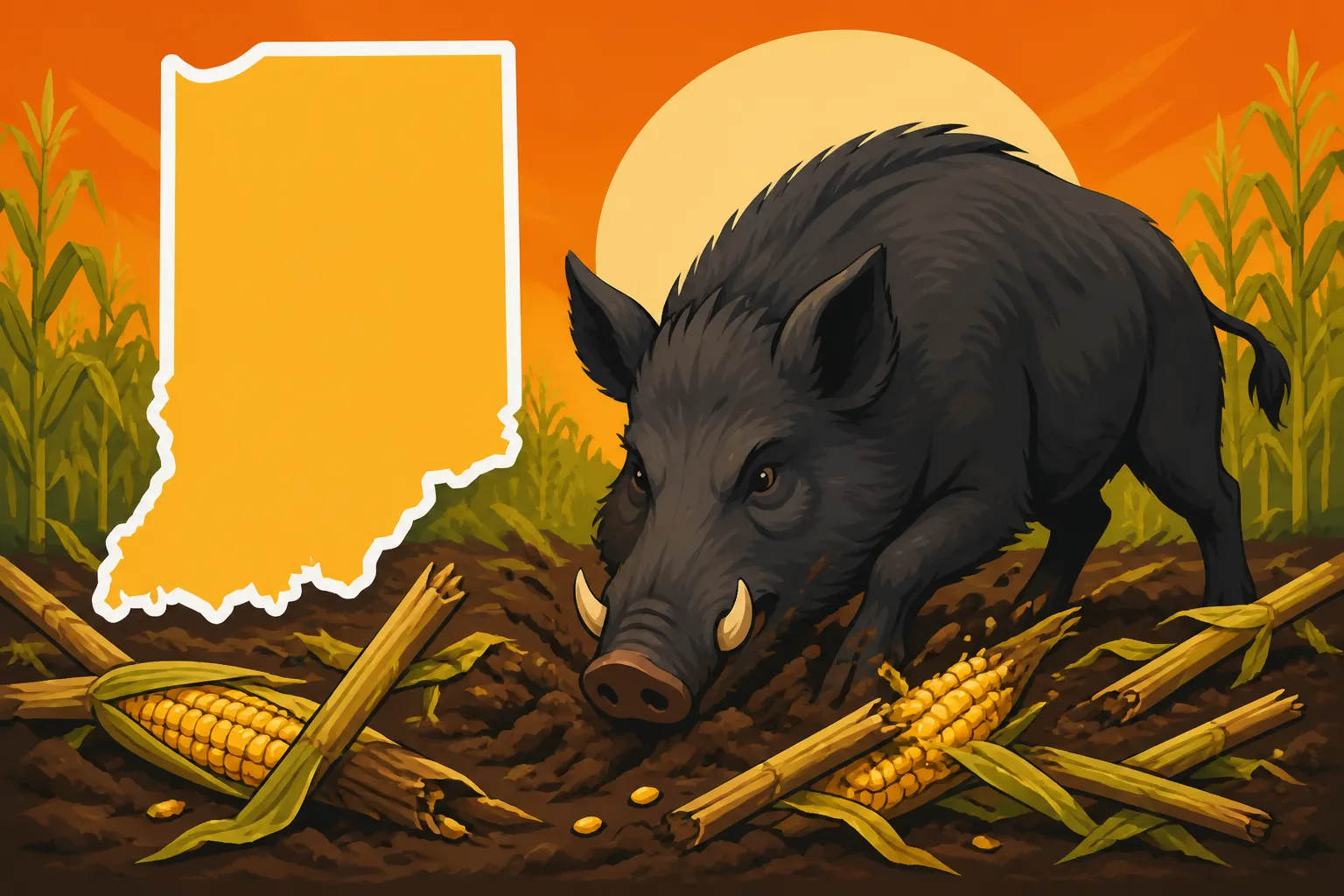
Rooting is, without a doubt, the most devastating and visually striking damage feral hogs inflict. Picture this: a sounder of a dozen or more hogs moves into a mature cornfield in late summer, just before harvest. They don't just eat the corn on the cob; they root up the stalks, knocking down what they don't eat, digging for grubs and roots, and creating a massive mess that makes mechanical harvesting impossible or at least incredibly inefficient. They might decimate an acre in a single night. This isn't just about the immediate loss of yield; the churning of the soil can lead to erosion, especially on sloped ground, and can introduce weed seeds from deeper soil layers to the surface, causing future problems.
In soybean fields, they might root out young plants or destroy mature ones, consuming the pods. Wheat and other small grains are also vulnerable, with hogs rooting up the nascent plants or trampling ripe stalks. This isn't a subtle nibbling; it's a wholesale destruction that can reduce expected yields by significant percentages, sometimes making entire sections of a field unharvestable. The amount of topsoil disturbed can be staggering, leading to increased runoff and nutrient loss, impacting soil fertility for seasons to come.
Trampling and Contamination
Even if hogs don't root up every plant, their sheer weight and numbers can cause immense damage through trampling. A sounder moving through a field can flatten vast swaths of crops, making them impossible to harvest. This is particularly problematic in crops like soybeans, wheat, or hay, where plants are more delicate. Imagine the frustration of seeing a beautiful stand of alfalfa flattened and soiled just before a cutting.
Beyond physical destruction, there's the issue of contamination. Feral hogs carry a host of diseases and parasites, and their feces can contaminate crops, making them unfit for human or livestock consumption. This is a serious concern for food safety, especially in fields where crops are harvested for direct human consumption. The presence of hog waste can lead to costly rejections or increased processing expenses to ensure safety. This contamination also extends to water sources. Hogs are often found near creeks, ponds, and wetlands, where their wallowing and defecation can introduce bacteria and pathogens into water supplies, affecting not only adjacent farms but potentially downstream communities.
Impact on Wildlife Habitat and Native Plants
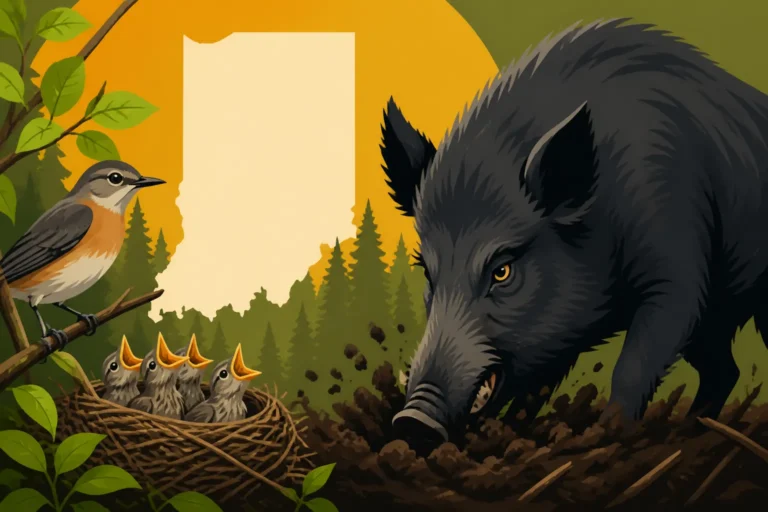
The damage isn't confined to agricultural fields alone. Feral hogs are an invasive species that wreak havoc on native ecosystems. Their rooting behavior disturbs natural plant communities, tearing up delicate wildflowers and young tree saplings, and changing the soil structure. They compete directly with native wildlife like white-tailed deer, wild turkeys, and squirrels for food sources such as acorns, nuts, and berries. This competition can negatively impact the health and populations of game species that Indiana hunters cherish.
For instance, if hogs are heavily rooting an oak forest, they are consuming large quantities of acorns that would otherwise be available for deer and turkeys, especially in critical fall and winter months. Their aggressive feeding habits can even destroy sensitive wetland habitats, disrupting the balance of aquatic life and impacting migrating waterfowl. They prey on ground-nesting birds, like pheasants and quail, consuming their eggs and disrupting nesting success. This broad ecological disruption is a long-term problem that affects the biodiversity and natural balance of Indiana's landscapes, far beyond just the immediate crop losses.
Economic Ripple Effects Beyond the Farm Gate
The immediate financial hit to farmers is undeniable, but the economic consequences of feral hog crop damage don't stop there. These highly destructive animals create a cascade of indirect costs and burdens that affect entire communities, local economies, and even taxpayer resources. It’s a complex problem with far-reaching budgetary implications for everyone involved.
Direct Financial Losses for Farmers
For farmers, the financial losses from feral hog damage are immediate and often staggering. This isn't just about the reduced yield from damaged crops; it’s a multi-faceted hit to their bottom line. First, there's the lost revenue from crops that are partially or completely destroyed. A field of corn with 20% damage due to rooting or trampling means 20% less to sell, directly impacting a farmer’s income for that season. In a tight margin industry like agriculture, this can be the difference between profit and loss.
Beyond the actual crop loss, farmers face increased operational costs. Damaged fields often require replanting, which means additional expenses for seed, fuel, and labor. Harvesting equipment can be damaged by running over deep ruts and overturned soil, leading to costly repairs and downtime. Farmers might invest in deterrents, such as specialized fencing or propane cannons, which add to their input costs without guaranteeing protection. And let's not forget the time and effort spent assessing damage, reporting it, and attempting to mitigate the problem, which takes away from other crucial farm management tasks. These accumulated direct costs place immense financial strain on individual farm operations, sometimes forcing difficult decisions about the viability of certain fields or even the farm itself.
Indirect Costs and Community Burden
The economic fallout from feral hogs extends well beyond the individual farm. Local businesses that rely on agricultural production, such as equipment suppliers, seed dealers, and grain elevators, can see reduced sales and activity as farmers struggle. Reduced farm income can ripple through rural economies, impacting everything from small town restaurants to automotive repair shops.
Moreover, managing feral hog populations often falls, at least in part, to public agencies. State wildlife departments like the Indiana Department of Natural Resources (DNR) invest significant resources in monitoring, research, and removal programs to help combat the spread of these animals. This includes staff time, equipment, and administrative costs, all funded by taxpayer dollars. When you consider Indiana Feral Hog Regulations and the ongoing efforts to control them, it’s clear that this represents a considerable public expense. Local conservation districts might also spend money on educational programs or providing technical assistance to landowners. These are funds that could otherwise be used for other conservation initiatives or community services, but instead, they are diverted to address an invasive species problem that could have been avoided. The long-term costs of soil erosion and water contamination, needing remediation, also add to this broader community burden.
Beyond Crops: Disease Vectors and Infrastructure Threats
While crop destruction is the most obvious and immediate concern for many, the impact of feral hogs stretches far beyond the fields. These animals are walking vectors for numerous diseases that can affect livestock, wildlife, and even humans. Furthermore, their powerful bodies and relentless rooting can cause significant damage to critical infrastructure, creating hazards and requiring costly repairs.
Disease Transmission to Livestock and Humans
Feral hogs are notorious carriers of a wide array of diseases, posing serious health risks. One of the most concerning is pseudorabies, a highly contagious viral disease that can cause abortions, stillbirths, and neurological symptoms in swine, and is lethal to other mammals like cattle, sheep, and dogs. While not usually fatal to adult cattle, it can cause severe respiratory issues and production losses. Another significant threat is brucellosis, a bacterial infection that leads to abortions and infertility in swine, and can also infect cattle, causing similar reproductive problems. Humans can contract brucellosis, resulting in flu-like symptoms, fever, and chronic weakness.
Beyond these well-known diseases, hogs can carry leptospirosis, which causes kidney damage and reproductive failure in livestock and can lead to severe illness in humans. They also contribute to the spread of various strains of E. coli and salmonella, contaminating water sources and crops. These diseases aren't just a threat to domestic livestock; they can also spread to native wildlife, potentially impacting deer, raccoons, and other animals. The sheer number of diseases they carry makes interaction with feral hogs, their carcasses, or contaminated areas a significant biosecurity risk for anyone involved in agriculture or even just recreating in affected areas. This is why understanding Indiana's Chronic Wasting Disease Positive Area and other wildlife health concerns is so vital, even if CWD isn't typically carried by hogs.
Damage to Fences, Roads, and Water Systems
Feral hogs are surprisingly strong and incredibly persistent, and their destructive habits aren't limited to digging for food. They cause substantial damage to critical infrastructure that rural communities rely on. Fences, for instance, are routinely destroyed as hogs push through or root underneath them to access new food sources or escape pressure. This requires farmers and landowners to constantly repair or replace fencing, which is both time-consuming and expensive. Imagine trying to keep your livestock contained when hogs are constantly breaching your perimeter.
Their rooting and wallowing can also undermine roads, especially unpaved farm lanes and access roads, creating ruts and potholes that make them difficult or dangerous to traverse. This can hinder equipment movement, delay planting or harvesting, and even impact emergency access to remote areas. Perhaps most insidiously, hogs can damage water systems. Their constant wallowing and rooting near ponds, streams, and drainage ditches can lead to erosion, collapse of banks, and blockages. They can root up irrigation lines or damage water control structures, disrupting water flow and requiring costly repairs. The cumulative effect of this infrastructure damage adds another layer of financial burden to landowners and local governments, making effective management of these invasive animals an urgent priority.
Strategies for Mitigating Crop Damage from Feral Hogs
Dealing with feral hog damage is never a simple fix; it requires a concerted, multi-pronged approach. There's no magic bullet, but a combination of effective strategies can significantly reduce their impact on your crops and land. The key is to be persistent, coordinated, and often, to work with others.
Integrated Trapping and Removal Programs
One of the most effective ways to mitigate crop damage is through active removal of feral hogs, and for most landowners, this means trapping. Trapping campaigns, particularly large-scale, coordinated efforts, are essential for reducing populations. The most successful methods involve large corral traps designed to capture an entire sounder at once. Hogs are wary, so pre-baiting these traps for several days or even weeks without setting the trigger can habituate them to the trap, increasing the likelihood of catching multiple animals. For deep dives into techniques, refer to Trapping Indiana Feral Hogs.
Successful trapping isn't just about setting a trap; it's about intelligence. Using trail cameras to monitor hog activity, identify sounder sizes, and learn their travel routes is crucial. This helps determine the best trap placement and baiting strategy. Often, working with wildlife professionals or local DNR specialists who have experience with hog trapping can significantly increase success rates. These experts can provide guidance on trap construction, baiting, and removal techniques that comply with Indiana Feral Hog Regulations. Remember, casual hunting often disperses hogs, making them harder to trap, so integrated trapping programs are typically preferred over scattered hunting efforts for population reduction.
Habitat Modification and Exclusion Fencing
While direct removal is critical, modifying the habitat and using exclusion techniques can also help protect crops. Fencing, particularly electric fencing, can be an effective deterrent for specific high-value areas or small fields. A multi-strand electric fence, with wires placed low to the ground (6-8 inches and then 12-14 inches), can discourage hogs from entering. It's important to keep vegetation cleared around electric fences to prevent grounding. Heavy-duty woven wire fences, sometimes with a hot wire, can also work but are significantly more expensive and labor-intensive to install.
Beyond fencing, considering how your land offers cover and food for hogs can be beneficial. Dense, impenetrable thickets and overgrown areas provide ideal daytime bedding sites for hogs. Thinning out some of this dense cover, especially near agricultural fields, can make the area less appealing for hogs, forcing them to seek refuge elsewhere. While complete eradication of cover isn't feasible or desirable for other wildlife, strategic modifications can make a difference. Understanding local topography through tools like GoHunt, which shows terrain and vegetation, can help identify these prime bedding and travel areas where modification or targeting for trapping might be most effective.
Working with Local Authorities and Experts
You don't have to face the feral hog problem alone. Local, state, and even federal agencies often have programs and resources available to assist landowners. The Indiana DNR, for example, is actively involved in feral hog management and can provide technical assistance, loan out trapping equipment, or even coordinate removal efforts in certain areas. They are a valuable resource for information on hog biology, damage identification, and control methods.
Connecting with your local county extension office or conservation district is also highly recommended. These offices can offer advice, connect you with other landowners facing similar issues, and sometimes facilitate community-wide trapping initiatives. The key to successful, long-term mitigation is often a coordinated effort across multiple properties and landowners. Hogs don't respect property lines, so a collaborative approach, where neighbors work together on trapping and removal, is far more effective than individual, isolated efforts. Building these partnerships and sharing information, possibly through local hunting clubs or conservation groups, creates a stronger front against these destructive invaders.
| Damage Type | Description | Primary Impact on Crops | Long-Term Land Impact | Mitigation Focus |
|---|---|---|---|---|
| Rooting | Hogs overturn soil searching for food (roots, grubs, tubers). | Direct yield loss, uneven ground | Soil erosion, altered soil structure, weed introduction | Trapping, exclusion fencing |
| Trampling | Crops flattened by hog movement. | Reduced harvestable yield | Soil compaction | Exclusion fencing, habitat modification |
| Consumption | Hogs eat planted crops (corn, soybeans, wheat). | Direct yield loss | N/A (direct crop consumption) | Trapping, exclusion fencing |
| Contamination | Feces and urine left on crops or in water. | Unfit for consumption, disease | Water quality degradation | Trapping, aggressive removal |
| Infrastructure | Damage to fences, roads, irrigation systems. | Hindered operations | Costly repairs, safety hazards | Trapping, sturdy fencing, rapid removal of nuisance hogs |
| Habitat | Disturbance of native plants, competition with wildlife, nest predation. | N/A (indirect impact on hunting) | Reduced biodiversity, altered ecosystems, wildlife population decline | Trapping, habitat management |
Disclaimer
Please remember that hunting regulations and wildlife management practices can change. Always consult the most current Indiana Department of Natural Resources (DNR) regulations and guidelines before engaging in any hunting or wildlife management activities. This guide is for informational purposes only and does not supersede official state regulations.