Indiana’s Recovering Bobcat Population
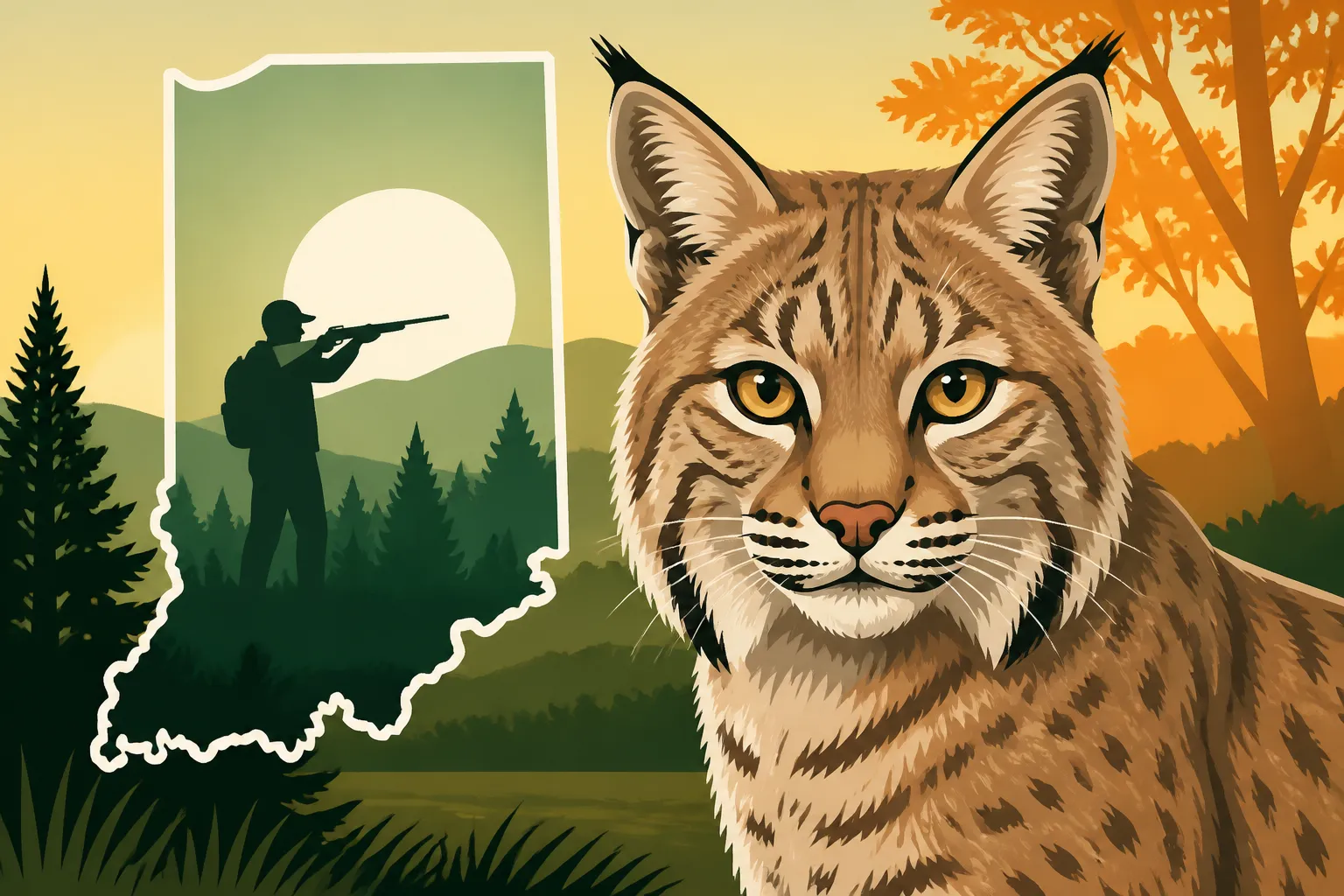
For many years, seeing a bobcat in Indiana felt like spotting a phantom – a fleeting glimpse, a vague rumor, or perhaps a fleeting shadow in the deepest woods. It was a sign of incredible luck, a whispered secret among outdoor enthusiasts, leaving many to wonder if these elusive felines even existed outside of old photographs or tall tales. But thankfully, the story is changing, and this guide is here to shed light on how Indiana's incredible conservation efforts have brought these magnificent creatures back from the brink, explaining where they are, how they live, and what their presence means for our wild spaces.
A Shadowy History: The Bobcat's Rollercoaster Ride in Indiana
The bobcat, a true native wild cat, has a history in Indiana that's a real testament to how much things can change for wildlife, both for the worse and for the better. For generations, these beautiful, secretive creatures roamed our forests and fields, a natural part of the Hoosier ecosystem. But then, things took a turn.
The Decline and Near Extirpation
Back in the early days of European settlement and westward expansion, bobcats were quite common across Indiana. They were right at home in the vast, unbroken forests and varied landscapes that defined our state. However, as the population grew and settlers began to clear land for farming and towns, the bobcat's world started to shrink dramatically. Habitat loss was the biggest culprit, as their preferred dense woodlands and rocky outcrops vanished.
On top of that, the fur trade played a significant role in their decline. Bobcats, like many furbearers, were trapped and hunted for their pelts. While not always the primary target, they certainly didn't escape the pressure. By the late 1800s and early 1900s, sightings became increasingly rare, pushing the bobcat to the brink of extirpation from Indiana. By the 1940s, many wildlife experts believed they were completely gone from the state, a sad loss for our natural heritage. It's a frustrating thought to imagine a landscape without such an iconic predator, and for a long time, that was our reality.
Natural Return and Early Signs of Recovery
Thankfully, the story didn't end there. By the mid-20th century, some of the pressures that led to the bobcat's decline began to lessen. Forests started to regenerate in certain areas, particularly in the rugged southern portions of the state where agriculture was less intensive. And with improving wildlife management practices and a decline in unregulated trapping, a glimmer of hope appeared.
Bobcats, being incredibly resilient and adaptable animals, slowly began to make their way back into Indiana from neighboring states like Kentucky and Illinois. These early pioneers were incredibly secretive, moving stealthily through river bottoms and timbered ridges, often undetected for years. It wasn't a formal reintroduction program, but rather a slow, natural recolonization. The occasional, almost mythical sighting in places like the Hoosier National Forest became a sign that maybe, just maybe, they were coming home. It was a truly exciting, if subtle, shift that few truly recognized at the time.
Where the Wild Things Are: Current Bobcat Distribution and Population
Today, the bobcat's presence in Indiana is no longer a whispered rumor but a documented fact, and their population is on a positive trajectory. Understanding where they are and how wildlife biologists track them gives us a clearer picture of their recovery.
Geographic Strongholds and Expanding Territory
While bobcats are now found in many counties across Indiana, their core population strongholds remain in the southern, more heavily forested regions. Think of the rugged, unglaciated hill country of south-central Indiana – places with dense timber, steep ravines, and plenty of cover. Counties like Brown, Monroe, Lawrence, and Dubois are often cited as areas with higher bobcat densities. These areas provide the perfect blend of habitat: extensive woodlands for hunting and denning, and enough prey to sustain a healthy population.
However, their territory isn't static. In recent years, evidence suggests that bobcats are expanding their range, venturing further north and into more fragmented habitats. There have been confirmed sightings and captures in central and even some northern counties, particularly along major river systems like the Wabash River Valley and Kankakee River marshes, which offer natural travel corridors and pockets of suitable cover. This expansion is a clear indicator of a healthy, growing population, though it's still far less common to encounter one in a cornfield-dominated county than it is in the southern hills. Knowing this expansion is happening can be both thrilling and a little disorienting for those of us used to thinking of them as exclusively southern residents.
Estimating the Elusive: Population Counts and Monitoring
Counting bobcats isn't like counting deer or even turkeys. These animals are incredibly secretive, mostly nocturnal, and masters of camouflage, making direct observation difficult. The Indiana Department of Natural Resources (DNR) relies on a combination of indirect methods to estimate their population and monitor their spread. This includes reports from the public, road-killed animals, incidental captures by furbearer trappers (who must report any bobcats caught, as they cannot be harvested), and increasingly, trail camera photos.
The widespread use of trail cameras by hunters and wildlife enthusiasts has been a game-changer. What might have once been an unreported sighting is now a clear photo with a date and time stamp, providing invaluable data on presence and movement. Wildlife agencies use this data, along with habitat analysis and modeling, to estimate population trends and density. While an exact number is nearly impossible to pin down, the consensus is that the Indiana bobcat population is stable and growing, a significant recovery from its near absence a few decades ago. Resources like the Indiana DNR's mapping tools or even third-party apps like GoHunt can help you visualize areas with more consistent bobcat activity, though you won't find specific population numbers there. For a broader look at how wildlife is tracked, you might check out Indiana Wildlife Disease Monitoring.
| Region | Typical Habitat | Bobcat Presence | Key Indicators |
|---|---|---|---|
| Southern Hill Country | Dense forests, rocky ravines | High Density | Frequent trail cam photos, confirmed sightings |
| South-Central River Valleys | River bottoms, fragmented woods | Moderate Density | Occasional trail cam, roadkills |
| Central Indiana | Woodlots, creek corridors | Increasing | Sporadic sightings, expanding range |
| Northern Farmland | Isolated woodlots, marshes | Low but Present | Rare sightings, unexpected captures |
The Secret Life of Bobcats: Habitat and Behavior
To truly appreciate Indiana's bobcats, it helps to understand how they live. These cats are perfectly adapted to their environment, blending seamlessly into the landscape and relying on cunning and stealth for survival.
Preferred Habitats and Denning Sites
Bobcats are adaptable, but they certainly have their preferences. They thrive in areas that offer a mix of dense cover for hiding and ambush hunting, along with open spaces for travel and foraging. In Indiana, this often means heavily forested areas with thick undergrowth, brushy clearcuts, and rocky bluffs or caves. These habitats provide not only shelter from the elements and predators but also concealment from their prey.
When it comes to denning, female bobcats look for secure, secluded spots to raise their kits. This could be a hollow log, a rock crevice, a thick brush pile, or even an abandoned burrow. These dens are carefully chosen to provide warmth, protection, and a safe nursery for their young. Knowing what kind of terrain they favor can even help you in your general scouting efforts, as understanding predator movement can sometimes give you clues about prey movement. You might find similar habitat descriptions when learning about Hoosier National Forest Hunting or even Indiana State Forest Hunting.
Diet and Hunting Strategies
Bobcats are carnivorous predators, meaning their diet consists primarily of meat. In Indiana, their menu is quite varied, adapting to whatever prey is most abundant in their territory. The bulk of their diet typically consists of small mammals like rabbits, squirrels, mice, and voles. These small game species are plentiful and provide a consistent food source. To understand more about what they might be eating, you could explore resources like Squirrel and Small Game Hunting in Indiana.
They are also opportunistic hunters, not shying away from larger prey when the chance arises. This can include young or injured deer, especially fawns, though adult, healthy deer are generally too large to take down. They'll also eat birds, reptiles, and even insects if other food is scarce. Their hunting strategy is primarily one of stealth and ambush. They'll patiently stalk their prey, using their excellent eyesight and hearing to pinpoint movement, before launching a quick, powerful pounce. They are incredibly efficient predators, playing a vital role in maintaining the health of the ecosystem by keeping prey populations in check. This is similar to how we discuss other apex predators like those covered in Coyotes and Predators in Indiana.
The Elusive Nature: Crepuscular and Nocturnal Habits
One of the main reasons bobcats are so rarely seen, despite their increasing numbers, is their activity patterns. Bobcats are primarily crepuscular and nocturnal, meaning they are most active during dawn, dusk, and throughout the night. During the day, they tend to rest and hide in their dense cover, making them extremely difficult to spot.
Their elusive nature is a survival mechanism, allowing them to hunt effectively and avoid potential threats, including humans. When you do catch a glimpse of a bobcat, it's often a fleeting moment – a quick dash across a road at dusk or a brief appearance on a trail camera in the dead of night. This incredible shyness is part of their charm and why seeing one feels so special. Even experienced hunters, who spend countless hours in the woods, often go years without seeing a wild bobcat. Keeping up with reports of bobcat sightings, which you can often find through resources like Indiana Bobcat Sighting Reports by Year, really drives home just how rare and special these encounters are.
Living Alongside Bobcats: Management and What to Do
With Indiana's bobcat population recovering, it's important for everyone who enjoys our state's wild spaces to understand their legal status and how to coexist respectfully with these fascinating felines.
Legal Status and Non-Hunting Regulations
Currently, bobcats in Indiana are classified as a protected species, which means there is no open hunting or trapping season for them. This protection has been a critical factor in their successful recovery. If a bobcat is accidentally caught in a trap set for other furbearers, it must be immediately released unharmed. Any intentional harm to a bobcat is illegal and carries penalties.
This "hands-off" approach allows the population to continue to grow and expand its range naturally. The Indiana DNR maintains strict regulations to ensure their continued protection, constantly monitoring their numbers to ensure their recovery remains on track. It's a different situation than for other furbearers, where you might need an Indiana Trapping License Requirements to pursue them, but the principle of responsible wildlife interaction still holds true. Understanding these rules is a key part of the Indiana Hunter Education Requirements for all outdoor enthusiasts.
Reporting Sightings and Interactions
While hunting or trapping bobcats is prohibited, reporting sightings to the Indiana DNR is incredibly valuable. Each report helps wildlife biologists track their distribution, estimate population density, and understand their expansion. If you're lucky enough to see a bobcat, especially if it's in an area where they are less common, try to record the date, time, and location. A photograph, especially one from a trail camera, is even better. This data helps paint a more complete picture of Indiana's recovering bobcat population. Many hunters use apps like GoHunt to mark and share their observations with friends, which can indirectly contribute to community knowledge of wildlife movements, although official reports should always go to the DNR.
When it comes to interactions, bobcats are generally shy and pose no threat to humans. They typically avoid people and will flee if detected. While they are predators, attacks on livestock or pets are rare, especially compared to the concerns some people have with Indiana Coyote Attacks on Livestock. If you live in an area with bobcats, taking common-sense precautions like keeping pets indoors at night or securing small livestock can mitigate any potential risk, just as you would with any other wild predator like those in Predator Hunting in Indiana. Mostly, though, their presence is a positive sign for the health of our environment.
Coexisting with a Thriving Predator
The return of the bobcat is a wonderful success story for Indiana wildlife. It signifies a healthier ecosystem, with a more balanced predator-prey relationship. These animals play a crucial role in controlling populations of small mammals, which can benefit forest health and even agriculture by reducing crop damage from rodents. Their presence also adds another layer of wildness and wonder to our outdoor experiences.
For hunters, the increasing bobcat population doesn't directly impact hunting seasons for other species, but it's a reminder of the intricate web of life in our woods. Seeing bobcat tracks or catching a glimpse on a trail camera can be an exciting bonus while you're Scouting Indiana Public Land Before Season for deer or turkeys. It means the habitat you're enjoying is vibrant and diverse, supporting a full range of native species. The occasional sighting, whether it's through the lens of a camera or a fleeting glimpse in the woods, is a rare and special event that reminds us of the wild beauty still thriving in the heart of Indiana.
Disclaimer
This article is for general informational purposes only and does not constitute professional advice. Laws, prices and regulations vary by location and change over time. Consult a qualified professional for guidance on your specific situation.