How River Otters Returned to Indiana
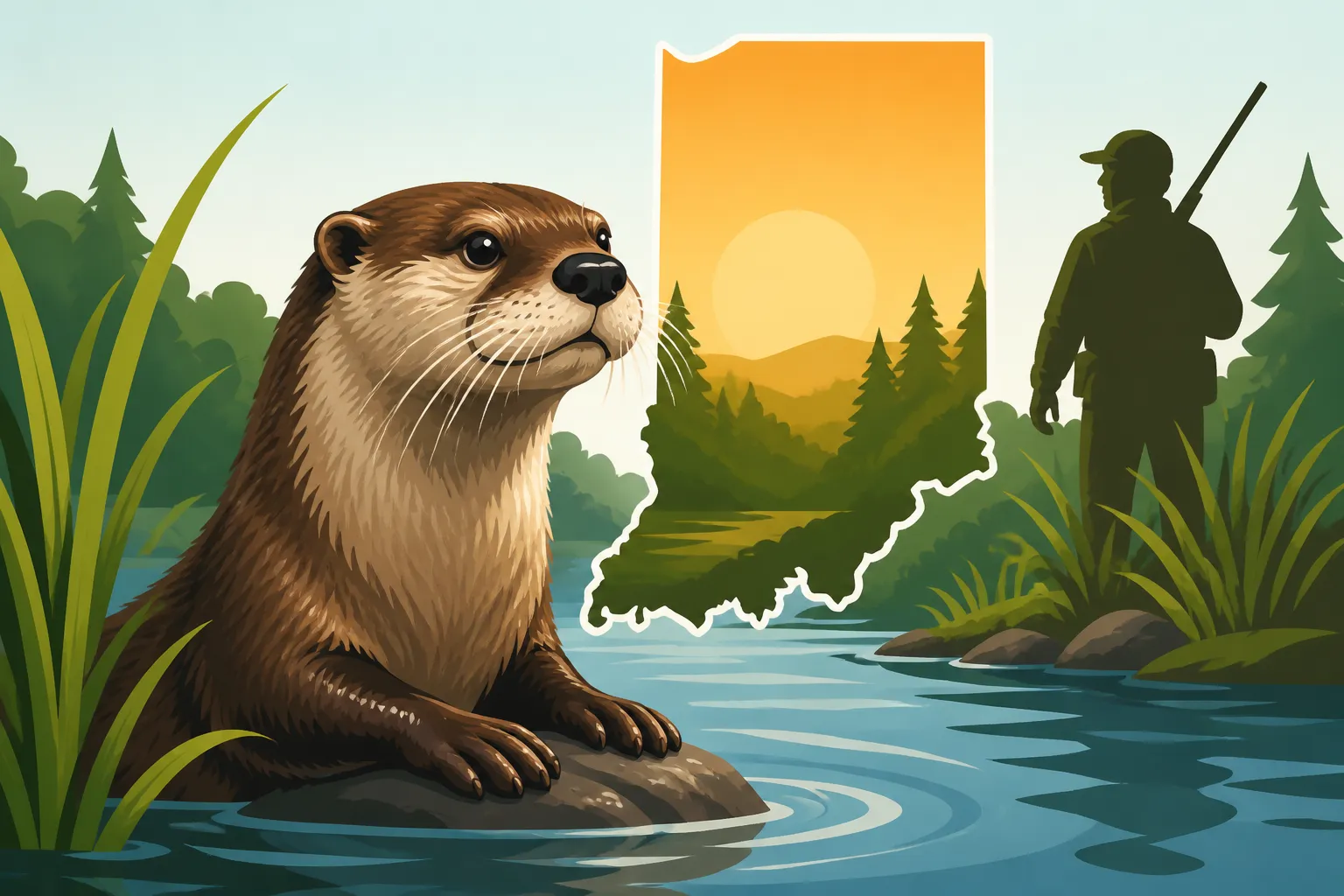
For many years, the thought of seeing a wild river otter playing in an Indiana waterway was little more than a distant dream, a lament for a species long lost from our state's rich natural heritage. It's a tough pill to swallow, knowing that once-thriving native wildlife disappeared due to human impact. But I'm here to tell you a truly heartwarming success story: river otters are back in Indiana, and they're here to stay, thanks to dedicated conservation efforts that brought them home.
The Vanishing Act: Why Indiana Lost Its River Otters
It's easy to look at our bustling rivers and peaceful creeks today and assume they've always held the diverse wildlife we see. But for a significant chunk of Indiana's history, the playful, agile river otter was conspicuously absent. Their disappearance wasn't sudden; it was a slow, grinding decline driven by a perfect storm of environmental changes and unchecked human activity.
Imagine Indiana in the 1800s. The landscape was rapidly transforming. Vast forests were cleared for agriculture, wetlands were drained to make way for farms, and the very rivers and streams that otters called home were dredged and straightened. This wasn't just about losing trees; it was about destroying the intricate networks of burrows, dens, and cover that otters rely on for survival and raising their young. Without stable banks, undisturbed floodplains, and dense riparian vegetation, their homes vanished.
Beyond habitat destruction, unregulated trapping and hunting played a significant, undeniable role. Otters were valued for their thick, luxurious fur, and there were no seasons, no bag limits, and no real oversight. Early settlers and professional trappers took advantage of this bounty without understanding the long-term consequences on the population. It was a time when wildlife populations were often viewed as limitless resources, a mindset we've thankfully moved past in modern conservation.
Finally, as Indiana industrialized and urbanized, pollution began to take its toll. Rivers became dumping grounds for agricultural runoff, industrial waste, and untreated sewage. Otters, being at the top of their aquatic food chain, are highly susceptible to contaminants that build up in the fish and other organisms they eat. When the water quality declined to toxic levels, it directly impacted their health, reproductive success, and ultimately, their ability to survive in a rapidly changing environment. By the early 1900s, river otters were considered extirpated from Indiana – gone, vanished, a ghost of our past.
A New Chapter: The Indiana River Otter Reintroduction Project
The loss of river otters was a stark reminder of what happens when we don't manage our natural resources wisely. But the story doesn't end there. By the late 20th century, growing environmental awareness and improved conservation practices laid the groundwork for an ambitious comeback. The Indiana Department of Natural Resources (DNR) recognized that if habitat was improving and water quality was on the mend, there was a real chance to bring these charismatic creatures back.
The reintroduction project officially kicked off in the late 1980s and early 1990s. This wasn't a simple "release and hope for the best" scenario; it was a carefully planned, multi-year effort rooted in scientific understanding. The DNR worked with other states, primarily Louisiana and Wisconsin, where otter populations were thriving. These states generously provided healthy, wild-caught otters for the program. Each otter underwent health checks before being transported to Indiana.
The release sites were chosen with immense care. They weren't random spots; they were specific locations along major river systems and large wetland complexes that showed excellent habitat potential and cleaner water. The initial focus was on the northern and southern parts of the state, particularly in areas like the Pigeon River Fish and Wildlife Area, Muscatatuck National Wildlife Refuge, and along stretches of the Wabash and White Rivers. These sites offered a combination of abundant prey, good water quality, and sufficient cover. Indiana Fish and Wildlife Areas and Hunting the Wabash River Bottoms were key targets for these efforts, recognizing the importance of diverse habitats.
Over several years, more than 300 river otters were released across Indiana. Each release was meticulously documented, with many animals fitted with radio transmitters to track their movements, survival rates, and reproductive success. This tracking data was crucial for understanding how the otters were adapting to their new homes, where they were establishing territories, and if they were successfully breeding. The program was a huge undertaking, requiring extensive fieldwork, community engagement, and significant financial resources, but the results speak for themselves. The population grew, expanded its range, and eventually, the DNR declared the reintroduction a resounding success, leading to their removal from the state endangered species list.
Here's a quick look at the reintroduction effort's key phases:
| Phase | Years | Source States | Number of Otters Released | Key Release Regions | Outcome |
|---|---|---|---|---|---|
| Phase 1 | 1986-1990 | Louisiana | ~100 | Northern Indiana Wetlands | Initial establishment, some dispersal |
| Phase 2 | 1990-1998 | Louisiana, Wisconsin | ~200 | Wabash River, Southern Indiana | Significant population growth, range expansion |
| Monitoring | Ongoing | N/A | N/A | Statewide | Population stable, off endangered list |
Back on the Water: Where Otters Thrive in Indiana Today
Today, if you spend enough time around Indiana's waterways, especially the cleaner ones, you stand a good chance of spotting a river otter. Their return is a testament to the hard work of conservationists and the resilience of nature when given a fighting chance. They're not just surviving; in many areas, they're truly thriving, becoming an integral part of the aquatic ecosystem once more.
You'll find them in a variety of aquatic habitats, always near water, of course! They favor clear, unpolluted rivers and streams with plenty of fish, crayfish, and amphibians to eat. Look for them in areas with stable banks, where they can dig dens or use abandoned beaver lodges. Lakes, ponds, and even large wetland complexes also provide excellent habitat, especially if they're interconnected by smaller creeks and ditches that otters use for travel. Hunting the Kankakee River Marsh Waterfowl areas, for example, with their extensive networks of water and dense cover, provide prime real estate for otters.
The Wabash River, with its numerous tributaries winding through central and western Indiana, has seen a strong resurgence. Similarly, the White River system, particularly its less disturbed stretches, is now home to healthy otter populations. Down in southern Indiana, the hill country's cleaner, rock-bottomed creeks and river funnels are excellent places to spot them. Reading Aerial Photos for Southern Indiana Deer can even help you pinpoint these kinds of aquatic features where otters might be found while scouting for game.
Keep an eye out for signs of their presence: tracks in the mud, slides along muddy banks where they repeatedly enter and exit the water, or scat (known as spraint) often deposited on rocks or logs. This spraint sometimes has fish scales or crayfish parts, a clear giveaway of their diet. If you're out on the water in a kayak or canoe, or just quietly observing from a bank, you might catch a glimpse of their sleek bodies undulating through the water, or hear their distinctive chirps and barks. While GoHunt is primarily a tool for hunters to find game and Scouting Indiana Public Land Before Season, its detailed satellite imagery and topographic maps can also be invaluable for identifying prime otter habitat – those hidden backwater sloughs, marshy edges, and winding creek systems that often go unnoticed. Knowing what to look for on a map can guide you to potential otter hotspots.
The return of the river otter isn't just about one species; it's a powerful indicator of broader environmental health. Otters are often considered "indicator species" because their presence suggests a healthy, balanced aquatic ecosystem. They signify cleaner water, robust fish populations, and intact riparian zones, all things that benefit countless other wildlife, from muskrats and mink to ducks and wading birds. It reinforces the idea that dedicated conservation, like the management of Indiana furbearers or strategic Indiana Habitat Work on Indiana Wildlife Areas, can truly make a difference. It reminds us that our wild spaces are resilient, and with concerted effort, we can bring back what was once lost.
Disclaimer
This article is for general informational purposes only and does not constitute professional advice. Laws, prices and regulations vary by location and change over time. Consult a qualified professional for guidance on your specific situation.