Game You Cannot Hunt in Indiana
It’s easy to assume that if an animal roams the fields and forests of Indiana, it must be fair game for hunters. But that's simply not true, and making assumptions can land you in serious trouble with the law. Navigating the world of hunting regulations can feel like deciphering ancient hieroglyphs, especially when it comes to understanding which species are strictly off-limits. This guide will clarify which animals in Indiana you absolutely cannot hunt, shedding light on the protections they receive and the reasons behind them, so you can hunt responsibly and within the bounds of the law.
Protected Species: The Animals You Absolutely Cannot Touch
Indiana is home to an incredible diversity of wildlife, and while many species provide thrilling hunting opportunities, a significant number are protected by state and federal laws. These protections are in place for various reasons, from safeguarding endangered populations to preserving critical ecological roles. Ignorance of these laws is no excuse, and the penalties for hunting a protected animal can be severe, ranging from hefty fines to loss of hunting privileges and even jail time. It's a risk no ethical hunter should ever take.
Endangered and Threatened Species
When we talk about protected species, endangered and threatened animals are at the very top of the list. These are populations that have dwindled to critically low numbers, often due to habitat loss, pollution, or other human-related pressures. Indiana, like every other state, has a list of species clinging to survival, and their protection is paramount. You can think of these as the absolute no-go zones of the animal kingdom. Trying to hunt or even harass these animals is illegal under both state and federal statutes, like the Endangered Species Act.
For instance, Indiana is home to the federally endangered Indiana bat, a tiny creature critical to insect control, which relies on specific forest habitats. Disturbing their roosts or attempting to harm them carries severe consequences. Other examples include the hellbender salamander, an ancient aquatic amphibian found in a few southern Indiana rivers, and certain species of mussels that inhabit our waterways, vital for filtering water. Even seemingly insignificant creatures like the Kirtland's snake, a rare grassland inhabitant, are fiercely protected. These animals are not just "unhuntable"; they are actively monitored and conserved. The Indiana Department of Natural Resources (DNR) works tirelessly to protect these fragile populations, and hunters play a crucial role by understanding and respecting these boundaries. Always consult the official Indiana DNR regulations or use a mapping tool like GoHunt that includes conservation overlays to ensure you're aware of sensitive areas where protected species might reside. Knowing Indiana Wildlife Violation Penalties can really drive home the importance of being informed.
Non-Game Protected Animals
Beyond the critical list of endangered and threatened species, there's a broader category of animals that are simply not classified as "game" animals in Indiana and are therefore not legal to hunt. These are often common animals that play essential roles in the ecosystem but aren't managed for sport or food. This can sometimes confuse hunters coming from other states where some of these animals might be legal to pursue. In Indiana, if it's not explicitly listed as a game animal with an open season, it's generally off-limits.
Think about the incredible variety of songbirds that grace our woods and backyards – robins, cardinals, blue jays, sparrows – all beautiful to observe, but none are legal to hunt. The same goes for majestic raptors like hawks, eagles, and owls; these birds of prey are crucial to controlling rodent populations and are protected by state and federal laws. Most reptiles and amphibians, from the common garter snake to the box turtle, and various frogs and salamanders, also fall into this protected non-game category. Even many small mammals like shrews, moles, and most species of mice and voles are not huntable. While some furbearers like raccoons, opossums, and skunks have specific trapping or hunting seasons, many other common critters are simply not managed for hunting. A common point of confusion is often the groundhog, or woodchuck; while sometimes considered a nuisance, they aren't designated as a game species with a recreational hunting season in Indiana. It’s important to understand that wildlife management in Indiana designates what is huntable, rather than having to list every single animal that isn't.
Big Game & Exotic Animals Not Found (or Not Huntable) in Indiana
When hunters think of big game, images of elk, moose, or even bears might come to mind, especially for those who've hunted out west or up north. But Indiana's landscape, while rich in whitetails, does not support huntable populations of many larger species. It's crucial to understand which big game animals simply aren't part of the Hoosier hunting tradition, either because they don't live here, or their populations are too small and protected to sustain a season.
Large Mammals: Bears, Elk, and Wolves
Let's address the big guys. While black bears once roamed Indiana's forests centuries ago, they are not currently established residents. Very, very rarely, a lone black bear might wander into the state from a neighboring region, but these are transient animals. There is absolutely no open hunting season for black bears in Indiana. Should you be lucky enough to see one, enjoy the rare sight, but keep your distance and never attempt to approach or harass it. The state actively tracks these rare wanderers. For a deeper dive into this, you can check out Why Indiana Has No Bear Season.
Similarly, elk and wolves, magnificent animals that were once native to Indiana, were extirpated from the state long ago. While there's a strong conservation movement for many species, there are currently no wild, free-ranging elk or wolf populations that would support a hunting season in Indiana. Any talk of hunting these animals in Indiana is purely speculative or based on historical context, not current regulations. Understanding their past presence is fascinating, but it doesn't translate to present-day hunting opportunities. You can learn more about their history here: Indiana Elk History and Extirpation and Indiana Wolf History and Extirpation.
Feral Hogs on Public Land: A Nuance
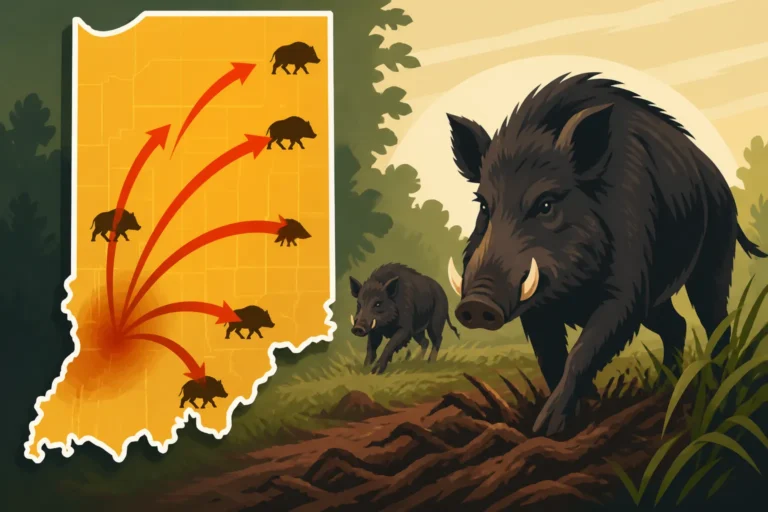
Feral hogs are a bit of a tricky subject and require a nuanced understanding in Indiana. On one hand, they are considered an invasive species, often causing significant ecological damage and crop destruction. Because of this, Indiana Feral Hog Regulations state that they are generally unprotected and can be hunted year-round on private land with landowner permission. Many farmers actively seek hunters to help remove these destructive animals.
However, the situation changes dramatically on public lands. While the goal is still eradication due to their invasive nature, hunting feral hogs on Indiana public land is not typically allowed as a general recreational hunting season. Instead, management on public properties is often handled by state or federal agencies through specific, highly controlled trapping or eradication efforts. They don't want hunters inadvertently pushing these animals further across the landscape or creating conflicts with other hunters pursuing game species. So, while you can hunt feral hogs in Indiana, you cannot generally do so on public land in the same way you would hunt deer or turkey. Always verify with the specific public land management agency before pursuing hogs on any state or federal property, as rules can vary and often involve specific permits or methods outside of general hunting seasons.
Common Misconceptions and Local Exemptions
The world of wildlife management isn't always black and white. There are often situations that blur the lines between what's strictly "huntable" and what's handled through other means. Understanding these nuances is crucial for any hunter who wants to be fully compliant and responsible.
Nuisance Wildlife Rules
One common area of confusion revolves around "nuisance wildlife." Many animals that are not designated as game species, and therefore aren't legally huntable during a traditional season, can become problems for landowners. When wildlife causes damage to property, crops, or poses a threat to human health or safety, specific provisions exist for their removal. This isn't recreational hunting, but rather pest control, and it's heavily regulated.
For example, a raccoon is a furbearer with specific hunting and trapping seasons, but if one decides to den in your attic and becomes a nuisance, you might be able to remove it outside of season with the proper permits from the Indiana DNR or by contacting a licensed nuisance wildlife control operator. The same applies to animals like opossums, skunks, or even groundhogs (though groundhogs aren't a furbearer or game animal with a traditional season). A farmer dealing with significant crop damage might be granted special permits for certain animals, even those generally protected, under specific, strict conditions. It’s important to understand that these nuisance wildlife rules are entirely separate from hunting seasons and often require specific permits, methods, or engagement with professionals. This is not an open invitation to hunt non-game animals simply because they are present. Always consult the Indiana DNR's nuisance wildlife guidelines before taking any action. Getting a good handle on state rules and local maps, perhaps even with an app like GoHunt, can help clarify which parcels of land might have specific nuisance considerations or managed hunts.
Migratory Birds Not Under Game Seasons
Indiana is a fantastic state for birdwatching, and many bird species pass through or reside here. While we have robust seasons for migratory game birds like ducks, geese, doves, and woodcock, there's a vast array of other migratory birds that are not legal to hunt. These fall under the protection of the Migratory Bird Treaty Act (MBTA), a federal law that makes it illegal to hunt, capture, kill, or possess migratory birds, their eggs, parts, or nests, unless specifically permitted by regulation.
This means that while you might see a beautiful warbler, a unique shorebird, or a stunning crane during your hunting trip, these are not targets. The only migratory birds that can be hunted are those designated as migratory game birds by federal law and for which Indiana establishes specific seasons, bag limits, and methods. Any other migratory bird, regardless of how common it appears, is strictly protected. This includes all songbirds, wading birds (herons, egrets), many shorebirds, and most raptors. It's a reminder that not all feathered creatures are fair game, and understanding the specific federal and state regulations for migratory game birds, which often requires a federal duck stamp and HIP certification, is essential. For general knowledge about wildlife health and populations, it's good to know about Indiana Wildlife Disease Monitoring and how to react by Reporting a Sick Animal in Indiana.
To summarize, here are some common examples of animals you cannot hunt in Indiana:
| Category | Examples of Species You Cannot Hunt in Indiana | Primary Reason |
|---|---|---|
| Endangered/Threatened | Indiana bat, Hellbender salamander, Kirtland's snake, various native mussel species | Federally and State protected under Endangered Species Acts due to critically low populations. Severe legal penalties. |
| Non-Game Protected | Most songbirds (cardinals, robins, blue jays), most raptors (hawks, eagles, owls), most reptiles (turtles, snakes), most amphibians (frogs, salamanders), shrews, moles, most mice/voles, groundhogs | Not classified as "game" species. Protected by state/federal law (e.g., Migratory Bird Treaty Act for birds) or not managed for recreational hunting. |
| Absent/Extirpated | Wild elk, wild wolves, wild moose | Extirpated from Indiana or never had established populations. No hunting season exists. |
| Rare/Unestablished | Black bears | Not an established population in Indiana; occasional transient visitors. No hunting season. |
| Public Land Specific | Feral Hogs (on most public lands) | While huntable on private land, often managed by agency eradication efforts on public lands, not general hunting. |
Hunting in Indiana offers incredible opportunities to connect with nature and ethically harvest game. However, a crucial part of being a responsible hunter is knowing exactly what you can and cannot pursue. Always consult the most current Indiana DNR hunting regulations before heading afield, and remember that when in doubt, it's always best to err on the side of caution. Staying informed not only protects you from legal repercussions but also ensures the health and biodiversity of Indiana's precious wildlife for generations to come. Knowledge about regulations, like those covered in Indiana Deer Season Structure Explained, is as important as knowing your gear.
Disclaimer
This article is for general informational purposes only and does not constitute professional advice. Laws, prices and regulations vary by location and change over time. Consult a qualified professional for guidance on your specific situation.