Tri-County Fish and Wildlife Area
Hunting public land in Indiana can be a real challenge, especially when you're trying to figure out the ins and outs of a specific property. It's not like hunting your grandpa's back forty where you know every tree and every deer trail. Public areas often come with their own unique rules, hidden gems, and, let's be honest, their fair share of hunting pressure. Today, we're going to dive deep into the Tri-County Fish and Wildlife Area, a popular spot in northern Indiana, and break down everything you need to know to make your hunt successful and enjoyable.
Navigating the Tri-County Fish and Wildlife Area: Your Comprehensive Hunting Guide
Tri-County Fish and Wildlife Area (FWA) is a fantastic example of Indiana's diverse public hunting opportunities, but it definitely demands a bit of homework before you head out. It's a place where careful planning and understanding the lay of the land can really pay off, whether you're chasing whitetails, setting up for waterfowl, or looking for some small game action. This guide aims to pull back the curtain on Tri-County, helping you anticipate the challenges and leverage its unique advantages.
Location and Landscape
Tri-County Fish and Wildlife Area is nestled in the northeastern part of Indiana, primarily in Kosciusko and Noble counties, with a small portion extending into Whitley County. If you're coming from the larger metropolitan areas, it's roughly equidistant from Fort Wayne to the east, South Bend to the northwest, and Indianapolis a bit further south. This central location in northern Indiana makes it a popular destination for hunters and outdoor enthusiasts from a wide radius. The towns of Warsaw and Columbia City are your closest points of contact for last-minute supplies, gas, or a quick bite to eat.
What truly defines Tri-County's hunting character is its incredible mosaic of habitats. Unlike some vast, unbroken tracts of timber, Tri-County is a vibrant mix of shallow wetlands, expansive cattail marshes, agricultural fields (many of which are managed for wildlife), upland hardwoods, and dense brushy areas. You'll find several natural lakes within or adjacent to its boundaries, such as Round Lake and Shriner Lake, along with numerous smaller ponds and managed impoundments. This diverse landscape provides crucial cover and food sources for a variety of game species, creating an intricate ecosystem where deer can bed in dense thickets, waterfowl can rest and feed in the marshes, and upland birds can find refuge in the grasslands. Understanding this patchwork is the first step to figuring out where your target game might be.
Management and Mission
The Indiana Department of Natural Resources (DNR) actively manages Tri-County FWA with a dual mission: providing quality public recreation, particularly hunting and fishing, and conserving the diverse wildlife habitats within its borders. This isn't just a place where hunters are allowed to roam; it's a dynamic, managed landscape. The DNR employs various habitat improvement projects throughout the year, all designed to enhance conditions for wildlife. You might see evidence of controlled burns that rejuvenate grasslands and clear out undesirable invasives, or newly planted food plots that provide critical nutrition for deer and other game, especially during the lean late season.
Wetland restoration projects are also a significant part of the management strategy, creating and enhancing the shallow water habitats that are so vital for migrating waterfowl. Timber stand improvement (TSI) practices in the upland areas help promote healthier forests, which in turn benefits species like deer and turkey. All these efforts are part of a larger, carefully considered plan to ensure sustainable wildlife populations and high-quality recreational experiences for the public. It's a continuous process, and what you see one year might be slightly different the next, reflecting the DNR's ongoing commitment to conservation and public access. For more general information about these public lands, you can often find details about how these areas are managed in articles like Indiana Fish and Wildlife Areas.
Prime Hunting Opportunities at Tri-County FWA
Tri-County FWA, with its varied terrain and dedicated management, offers a rich tapestry of hunting opportunities. From the challenge of pursuing whitetails in diverse cover to the exciting, often demanding, world of waterfowl hunting, there's something here for many different types of hunters.
Deer Hunting Dynamics
Deer hunting at Tri-County can be quite rewarding, thanks to a healthy deer population that thrives on the mix of cover and agricultural fields found throughout the area. While you might not consistently find the "monster bucks" that some southern Indiana properties are famous for, Tri-County offers consistent opportunities for both antlered and antlerless deer. The key to success here often lies in understanding how deer use the diverse landscape—moving between the security of the dense cattail marshes and brushy thickets, and the abundant food sources in the surrounding agricultural fields and managed plots.
Hunters utilize all the standard Indiana deer seasons: archery, firearms, and muzzleloader. For archers, stand placement near field edges, timber pockets that funnel deer movement, and travel corridors between wetland areas are paramount. Hunting Northern Indiana Farmland Deer delves into some specific strategies that apply well to Tri-County's environment. During the firearms and muzzleloader seasons, the challenges of hunting public land often mean adapting your approach. Deer here are educated, especially after the first few days of the season, and will seek out the thickest, nastiest cover they can find. This means being willing to push into areas that other hunters might avoid, or focusing on pinch points that connect these dense covers to feeding or watering areas. Hunting during the middle of the week can also drastically reduce hunting pressure, increasing your odds of encountering undisturbed deer.
Waterfowl and Wetland Hunting
For many, Tri-County FWA is synonymous with waterfowl hunting. The area's extensive wetlands and managed impoundments draw in a variety of ducks and geese throughout the migration. However, accessing the prime waterfowl spots at Tri-County isn't as simple as showing up and setting up. The DNR implements a unique and often highly competitive "Tri-County FWA Duck Blind Draws" system. This draw dictates who gets to hunt specific, desirable blind locations on certain days, ensuring fair access and managing pressure. It's crucial to understand the draw dates, application process, and specific rules associated with these blind sites if you plan to target ducks and geese here.
Once you secure a spot, or find un-drawn open water, you'll likely encounter mallards, wood ducks, various teal species, and Canada geese. The timing of their migration, heavily influenced by weather fronts to the north, dictates the best times to be out there. Successful tactics involve careful decoy spreads, realistic calling, and effective blind setup to blend into the natural surroundings. Hunters should be prepared for varying water levels and conditions, and having the right gear, like sturdy Waders for Marsh Hunting, is non-negotiable. Always be mindful of Indiana's specific Indiana Duck and Goose Bag Limits to stay legal. This is truly a place where dedicated waterfowl hunters can shine, but it demands planning and resilience.
Upland Game and Small Game Potential
Beyond deer and waterfowl, Tri-County FWA also provides solid opportunities for upland and small game hunters. For those who enjoy chasing pheasants, the FWA actively manages fields for these colorful birds and participates in Indiana's pheasant stocking program. This means you can often find decent action, especially during the earlier parts of the season, in designated pheasant hunting areas. It's worth checking the specific regulations and stocking schedules, as outlined in articles like Indiana Pheasant Season and Stocking, to maximize your chances. Flushing dogs can be a huge asset here, helping to root out birds holding tight in the dense cover.
Rabbit and squirrel hunting also thrive in Tri-County's diverse habitat. The myriad of thick fencerows, brushy cover patches, and smaller woodlots interspersed with fields create ideal conditions for cottontails. Squirrels, both fox and gray, can be found in the more mature timber blocks, particularly in areas with good mast crops like oaks and hickories. These species offer a more relaxed, yet still engaging, hunting experience that can be enjoyed solo or with a few friends. It's classic small game hunting, whether you're still-hunting the timber for squirrels or walking fencerows with a beagle for rabbits. Squirrel and Small Game Hunting in Indiana offers general advice that translates well to these areas. While wild turkeys are present, their populations are typically lower and more scattered compared to southern Indiana, making turkey hunting more of a challenging pursuit for dedicated individuals rather than a primary draw.
Essential Regulations and Access Protocol
Hunting at any Indiana Fish and Wildlife Area, including Tri-County, isn't simply a matter of having a valid hunting license. There are specific protocols and regulations designed to manage hunter access, ensure safety, and collect vital data for wildlife management. Understanding and adhering to these rules is non-negotiable.
Permit and Check-In Procedures
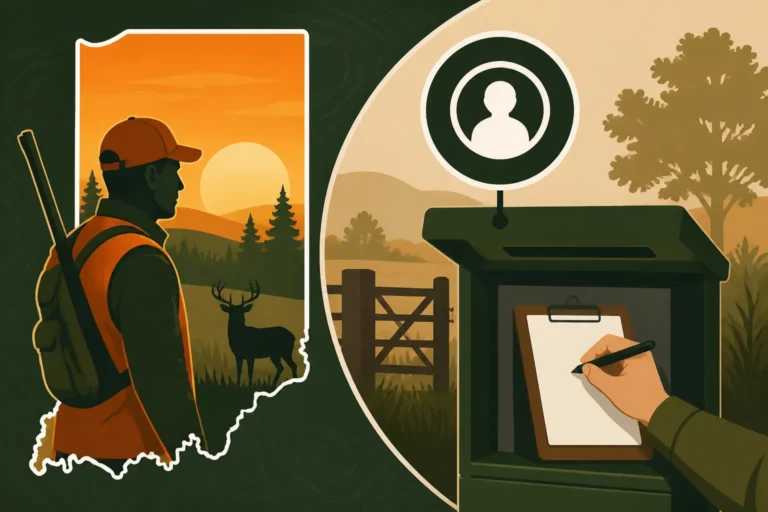
One of the most crucial aspects of hunting at Tri-County, and indeed most Indiana FWAs, is the mandatory daily check-in and check-out procedure. You cannot simply arrive, park, and go hunt. Hunters are required to either sign in at designated kiosks located throughout the property or utilize the Go Outdoors Indiana online system (often accessible via a mobile app). This process typically involves providing your name, address, hunting license number, and indicating your intended activity and hunting area. It's usually a quick and straightforward process, but if you don't do it, you're technically in violation.
This requirement isn't just bureaucratic red tape; it serves several important functions. Firstly, it allows the DNR to gather valuable data on hunter numbers, species pursued, and harvest rates, which are critical for effective wildlife management. Secondly, it contributes to hunter safety by providing a record of who is on the property. And finally, after your hunt, you are required to report your harvest—even if it's zero—through the same system or at a kiosk. This ensures that the DNR has accurate figures on game taken from the FWA. Familiarize yourself with the Indiana Property Access Sign-In Process before your first visit to avoid any confusion or delays.
Equipment and Vehicle Restrictions
Beyond licensing and check-in, there are specific rules regarding equipment and vehicle use within Tri-County FWA that hunters need to be aware of. Blaze orange, for instance, is mandatory during certain firearm seasons, including deer firearm season, for the safety of all users. Always check the current Indiana Hunting & Trapping Guide for exact requirements, as they can vary by season and game animal.
When it comes to treestands and ground blinds, specific regulations are in place. Generally, portable treestands are allowed but must be clearly marked with the owner's name and address and must be removed at the end of the season, or sometimes even daily. Permanent stands are almost universally prohibited on public lands. Similarly, ground blinds must also adhere to specific rules regarding their construction, placement, and removal. It's vital to know these nuances to avoid issues, so take a moment to review resources like Ground Blind Rules on Indiana Wildlife Areas and Treestand Rules on Indiana Public Land. Vehicle access is another point of regulation; designated parking areas are clearly marked, and driving off-road or on restricted service roads is strictly prohibited. ATV/UTV use for hunting access is generally not allowed, though specific rules might apply for retrieving game on some properties—always check the FWA's specific rules.
Special Hunts and Draw Systems
Tri-County FWA is particularly known for its special draw systems, especially for waterfowl hunting. As mentioned earlier, the Tri-County FWA Duck Blind Draws are a major part of accessing prime wetland hunting areas. These draws are typically held on specific dates before the season or sometimes daily during the season, with successful applicants gaining exclusive access to a designated blind site for a set period. Missing these application windows or misunderstanding the draw rules can mean missing out on significant hunting opportunities.
In addition to waterfowl draws, FWAs like Tri-County might also participate in specific deer management programs. This could include being part of a Deer Reduction Zone, which might allow for different or increased antlerless bag limits to help manage local deer populations. Such zones are designed to address localized issues, and the rules can differ significantly from statewide regulations. Also, keep an eye out for special youth hunt opportunities, such as the Hunting the Indiana Youth Deer Weekend, which provide mentored young hunters with a unique chance to experience the outdoors with reduced pressure and often tailored regulations. These special hunts are great ways to introduce new hunters to the sport in a managed environment.
Mastering Your Hunt at Tri-County FWA
Success at Tri-County FWA, like any public land, isn't just about showing up with a license and a gun. It requires strategy, adaptability, and a willingness to put in the effort. From diligent pre-season preparation to understanding the dynamics of public land pressure, every detail can influence your outcome.
Scouting Before Your Hunt
One of the biggest mistakes hunters make on public land is not scouting. You simply cannot expect to consistently find game by arriving on opening day with no prior knowledge. Tri-County's diverse and often complex landscape demands thorough pre-season scouting. Start with topographical maps and satellite imagery using tools like onX Hunt or GoHunt. These apps are invaluable for identifying potential travel corridors, pinch points, hidden food plots, water sources, and bedding areas. You can mark waypoints, measure distances, and even identify different habitat types from the comfort of your home. Using the Indiana OnX and DNR Map Tools is a great way to learn how to leverage these modern scouting aids.
Once you have a general idea, boots-on-the-ground scouting is essential. Visit the area during the off-season, or even a few weeks before your hunt, to look for fresh deer sign like rubs, scrapes, and trails. For waterfowl, observe flight patterns and where birds are loafing or feeding. Pay attention to water levels and how they might affect access or hide potential roosting spots. Looking for undisturbed pockets, even small ones, away from easy access points, can make a huge difference. Articles like Scouting Indiana Public Land Before Season offer excellent general guidance that applies directly to the challenging environment of an FWA.
Understanding Hunting Pressure
Tri-County FWA is a well-known and popular public hunting area, especially on weekends and during the opening days of various seasons. This means you should always anticipate encountering other hunters. While this can sometimes feel like a deterrent, it's a reality of public land hunting that skilled hunters learn to adapt to. The key is to understand how pressure affects game movement and to adjust your tactics accordingly. Deer, for example, will quickly become nocturnal or move into the thickest, nastiest cover they can find once pressure increases.
To counter this, consider hunting during mid-week if your schedule allows, as the number of hunters significantly drops off. Focus your efforts on harder-to-reach areas that require a longer walk or traversing difficult terrain—most hunters won't venture far from their vehicles. Hunting dense cover where others are less willing to go can also put you on undisturbed game. For waterfowl, pressure can make birds wary, so meticulous blind concealment and realistic decoy spreads become even more crucial. Above all, safety is paramount. Always be aware of your surroundings, wear appropriate blaze orange when required, and never assume you are the only hunter in an area.
Seasonal Tactics and Adjustments
The dynamic nature of Tri-County FWA means that your hunting tactics need to evolve with the seasons. Early archery season often sees deer focused on food sources. Setting up on field edges, near managed food plots, or along trails leading to these areas can be productive. As the rut approaches, targeting travel corridors, pinch points between cover and open areas, and locations with fresh rub lines and scrapes becomes more effective. Deer are moving more then, often less cautiously, and understanding their travel patterns is key.
During the late season, after the leaves have fallen and temperatures drop, deer will prioritize remaining food sources and thick thermal cover to escape the cold. Focus on areas with standing grain, unpicked fields, or dense cedar thickets. For waterfowl, early season hunting might involve jump-shooting or targeting local birds before the main migration. As cold fronts push birds south, you'll need to adapt your decoy spreads and calling to the species moving through. Ice conditions can completely change access and strategies, sometimes making layout blinds in cut cornfields a better option than traditional marsh setups, even though Tri-County is primarily a wetland hunt. Being flexible and observing current conditions is a hallmark of a successful FWA hunter.
Beyond the Hunt: Other Recreation and Local Insights
While Tri-County Fish and Wildlife Area is a prime destination for hunters, its value extends far beyond the pursuit of game. This managed landscape offers a wealth of other recreational opportunities and plays a vital role in local conservation efforts.
Fishing and Trapping Opportunities
The numerous lakes, ponds, and managed ditches within or adjacent to Tri-County FWA offer fantastic fishing opportunities for anglers. You'll find popular species such as largemouth bass, various panfish (bluegill, crappie, sunfish), and sometimes even northern pike. Many of the small impoundments are managed to provide diverse fishing experiences, from bank fishing to small boat access. It's a great way to enjoy the tranquil beauty of the area during the hunting off-season or to diversify your outdoor adventure. Just like with hunting, be sure to check current Indiana fishing regulations and license requirements before wetting a line.
Trapping is another activity permitted at Tri-County, primarily targeting furbearers like muskrat, mink, raccoon, and sometimes beaver, which thrive in the wetland environments. Trapping is a highly regulated activity requiring specific licenses, permits, and adherence to strict season dates and methods. It plays an important role in wildlife management by helping to control furbearer populations, which can impact waterfowl nesting success and other ecosystem dynamics. Those interested in trapping should consult the Indiana Trapping Guide for all relevant rules and regulations, as they are often more detailed than general hunting rules.
Hiking, Birding, and Photography
Tri-County FWA, like many of Indiana's Fish and Wildlife Areas, is a multi-use property, meaning it's open to various forms of recreation beyond hunting and fishing. For those who enjoy a peaceful walk in nature, there are often designated trails or service roads that provide excellent opportunities for hiking. These paths allow you to explore the diverse habitats, from mature woodlands to open grasslands and wetland edges. It's a fantastic way to experience the area's natural beauty during the spring and summer months when hunting seasons are generally closed.
Birding enthusiasts will find Tri-County to be a particularly rich location. Its extensive wetlands attract a wide array of migratory waterfowl and shorebirds, especially during spring and fall migrations. You might spot various duck species, sandhill cranes, numerous raptors, and a host of songbirds in the upland areas. The sheer abundance and diversity of birdlife make it a prime spot for wildlife observation and photography. The quiet moments spent watching a deer browse in a field or capturing a heron fishing in a shallow pond can be just as rewarding as a successful hunt. Remember to always be respectful of wildlife and other users, and pack out everything you pack in.
Local Amenities and Nearby Attractions
While Tri-County FWA provides an immersive natural experience, it's also conveniently located near several Indiana towns that offer all the amenities you might need for your trip. Warsaw and Columbia City are the closest larger communities, providing options for groceries, gas, sporting goods (including bait shops and hunting supply stores), and a variety of dining choices. If you're planning an extended stay, you'll find hotels and motels in these towns, offering a comfortable base camp for your adventures. For anything more specialized, the city of Fort Wayne is within a reasonable drive, offering a wider range of services and attractions.
Utilizing resources like the Go Outdoors Indiana portal or app is always a good idea, not just for permits but for checking current regulations, finding property maps, and even discovering other nearby DNR properties you might want to explore. These tools, along with third-party mapping solutions like onX Hunt, can significantly enhance your experience by providing real-time information and helping you navigate the complex boundaries of public land. Whether you're a seasoned hunter, an avid birdwatcher, or just looking for a peaceful hike, Tri-County FWA stands as a testament to Indiana's commitment to public outdoor recreation.
Here's a quick overview of some hunting opportunities at Tri-County FWA:
| Game Species | Primary Hunting Method | Typical Season Timing | Key Habitat Types | Notes |
|---|---|---|---|---|
| White-tailed Deer | Archery, Firearms, Muzzleloader | Early Oct – Late Jan (staggered) | Timber pockets, field edges, wetland fringes, thickets | Deer move between cover and ag fields. Pressure can be high. |
| Waterfowl | Shotgun (blind draws) | Fall/Winter (specific dates) | Marshes, impoundments, open water | Tri-County FWA Duck Blind Draws are crucial for access. |
| Pheasant | Shotgun (upland dogs) | Nov – Mid-Dec | Grasslands, managed fields, brushy cover | Stocked birds; check Indiana Pheasant Season and Stocking. |
| Rabbits | Shotgun (beagles, still-hunt) | Early Nov – Late Jan | Fencerows, brush piles, dense thickets | Good for classic small game hunting. |
| Squirrels | Shotgun, .22 rifle | Mid-Aug – Mid-Jan | Mature hardwoods, oak/hickory stands | Best in early season; look for mast crops. |
| Wild Turkey | Shotgun, Archery | Spring (limited); Fall (archery) | Timbered areas, mixed woodlands | Present but generally less dense than southern Indiana. |
Disclaimer
This article is for general informational purposes only and does not constitute professional advice. Laws, prices and regulations vary by location and change over time. Consult a qualified professional for guidance on your specific situation.