Fulton County Public Hunting Ground
Hunting in Indiana can sometimes feel like an endless quest for open ground, especially when you're looking beyond the big-name public lands down south. Many Hoosier hunters find themselves frustrated, driving countless miles only to find overcrowded parking lots or private land locked up tight. But there are hidden gems and overlooked opportunities, even in counties that aren't famous for their vast tracts of public ground. This guide will walk you through what to expect and how to successfully hunt the public lands available in Fulton County, giving you the tools to scout smarter and hunt more effectively.
Understanding Fulton County's Public Hunting Landscape
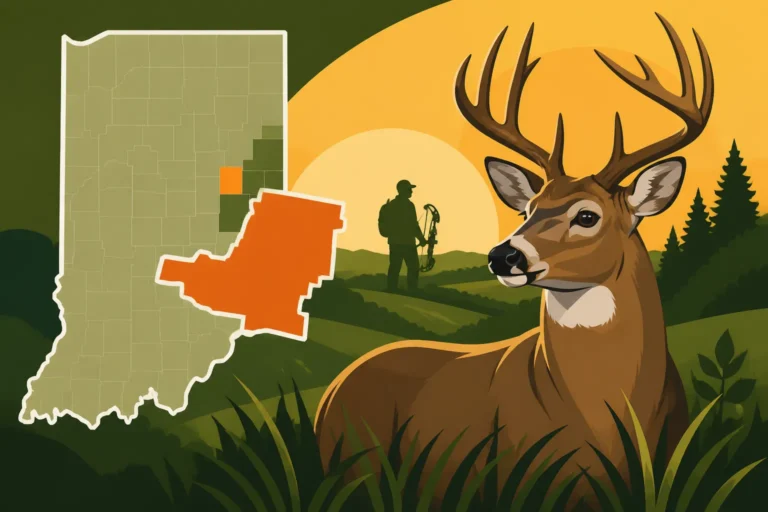
When you think of Indiana public hunting, your mind might immediately jump to the sprawling Hoosier National Forest or the larger Fish and Wildlife Areas (FWAs) that get a lot of press. Fulton County, nestled in north-central Indiana, isn't typically on that list, and for good reason—it doesn't boast massive, contiguous blocks of state-owned land. However, dismissing it entirely would be a mistake. Fulton County offers a different kind of public hunting experience, one that requires a bit more legwork and a keen eye for overlooked opportunities, often around water features, smaller conservation areas, or state-managed riparian zones.
The Reality of Public Access in Fulton County
The public hunting landscape in Fulton County is characterized by smaller, more fragmented parcels of state-managed lands rather than immense wilderness areas. You won't find thousands of acres of unbroken timber. Instead, you'll likely encounter public access points along rivers and creeks, wetland restoration projects, smaller state fishing and wildlife areas, or even scattered patches of state forest land that might border private agricultural fields. This means the typical "walk-in-miles-deep" strategy might not apply here. Hunters often need to scout for isolated pockets of cover that provide sanctuary for game, often adjacent to private property. These areas might be tucked away, requiring you to use mapping tools like the onX Hunt app to truly understand property boundaries and identify legal access points. It's a game of finding the unpressured corners, the overlooked woodlots, or the narrow strips of cover that deer, turkeys, and small game use to travel between larger private holdings.
Key Species and Their Habitat Preferences
Despite the fragmented public land, Fulton County holds diverse wildlife. The primary draw for many hunters will be white-tailed deer. You'll find deer utilizing the small woodlots, creek bottoms, and field edges that characterize the region. They'll gravitate towards the denser cover these smaller public parcels offer, especially if surrounded by expansive private crop fields. For example, a narrow strip of timber along the Tippecanoe River might act as a major travel corridor for bucks moving between bedding areas and feeding grounds.
Small game hunting is also a significant opportunity. Rabbits thrive in the thick fencerows, brushy creek banks, and overgrown field edges that are common. Squirrels will be found in any mature timber stands, particularly oak and hickory groves, which can be scattered across both public and private land. Pheasants, while not in overwhelming numbers, can be found in remnant grassland patches or along unkempt field edges, sometimes benefiting from stocking efforts on nearby Fish & Wildlife Areas. Waterfowl, too, can be a possibility, especially along the Tippecanoe River or smaller ponds and wetlands, though this often requires specific scouting for migration patterns and available public access.
Navigating Access Points and Boundaries
One of the biggest frustrations for hunters in areas like Fulton County is knowing where exactly you can hunt. Public land here isn't always marked with prominent signs every few yards. This is where modern mapping technology becomes absolutely indispensable. Tools like onX Hunt are invaluable for identifying state-owned parcels, county lines, and private property boundaries with remarkable precision. Before you even leave the house, you can use these apps or web platforms to virtually scout, identify potential parking areas, and plan your entry and exit routes.
Beyond digital maps, keep an eye out for official Indiana DNR signs that indicate state-managed lands, even if they're smaller tracts. These might be along roadsides or at the entrance to smaller recreation areas. It's crucial to understand that not all publicly accessible land is open to hunting, so always double-check regulations specific to the property you're interested in. For instance, some reservoirs or nature preserves might restrict hunting or limit it to specific seasons or methods. Always carry your license and know the specific rules for the area. Remember, even if a property looks like public land, if your map app shows it as private, respect those boundaries. A little preparation can save a lot of headaches and potential trespass charges.
Practical Strategies for Hunting Fulton County Public Ground
Hunting fragmented public lands in an agricultural county like Fulton requires a flexible and adaptable approach. You can't just blindly walk into the woods and expect success like you might in a vast national forest. It’s about leveraging the unique characteristics of the landscape and understanding how game animals use these smaller, often linear, public tracts.
Scouting Before the Season
Pre-season scouting is paramount in Fulton County. Because public parcels are often smaller and interspersed with private ground, deer movement can be very nuanced. You need to understand how deer travel between bedding cover (which might be on a small public woodlot) and feeding areas (often private crop fields). Look for natural funnels like creek beds, drainage ditches, fencerows, or narrow strips of timber that connect larger blocks of cover. These are the highways deer use.
Spend time walking these areas, even if it's just a few hours. Look for rubs, scrapes, and established trails. Don't be afraid to put boots on the ground to identify the freshest sign. If you're planning a deer hunt, pay close attention to the wind and how it will swirl through these smaller, often broken, patches of timber. Thermals in river bottoms or drainages can be especially tricky and require careful planning of your stand location. Using aerial imagery from onX Hunt or GoHunt can help you spot these features before you ever step foot in the woods, giving you a major advantage. Knowing exactly where the mature timber meets a brushy edge, or where a thicket provides bedding cover, is crucial.
Tactics for Deer Hunting
Given the nature of public lands in Fulton County, specific deer hunting tactics will be more effective than others.
-
Funnels and Travel Corridors: Focus on identifying and setting up near natural funnels. These could be narrow strips of woods along a creek, a small finger of timber extending into a field, or a bottleneck between two different cover types. Deer will often use these features to move with minimal exposure. In a landscape dominated by agriculture, deer are always looking for the path of least resistance and maximum cover. Your ability to locate these often-subtle travel routes will dictate your success. Hunting a Funnel Between Two Woodlots is a tactic that can work wonders here.
-
Edge Hunting: Many public parcels will butt up against private agricultural fields. These edges are hotspots, especially during the early season and the rut. Deer will stage in the cover of the public land before entering fields to feed at dusk, and return to bed in the mornings. Setting up 20-50 yards inside the timber, downwind of a major trail entering a field, can be incredibly effective. Pay attention to standing crops like corn or soybeans on adjacent private land; deer will often use these for both food and cover. Hunting a Standing Soybean Field can be an effective tactic if public access allows you to set up on the edges.
-
Ground Blinds: While treestands are always an option, ground blinds can be particularly effective on smaller, pressured public lands where trees suitable for hanging a stand might be scarce or too exposed. A well-brushed-in ground blind can offer excellent concealment and help you capitalize on deer moving through thicker cover or along fencerows. Using a Ground Blind on Indiana Public Land is a flexible strategy that can be adapted to many situations.
Pursuing Small Game Opportunities
Fulton County's mix of agricultural land and scattered woodlots creates excellent habitat for small game.
-
Rabbit Hunting: Look for thick, brushy fencerows, overgrown ditches, and briar patches, especially where they intersect with crop fields or small woodlots. Rabbits thrive in this kind of dense, escape cover. A slow, methodical walk-through, perhaps with a partner or two to push cover, can be very productive. Be ready for quick shots as cottontails explode from cover. Rabbit Hunting Indiana Fencerows is a classic approach that yields results.
-
Squirrel Hunting: Focus on any patches of mature hardwoods, particularly areas with oak, hickory, or beech trees. These mast-producing trees are squirrel magnets, especially in the early season when nuts are dropping. Still-hunting quietly through these woods, pausing often to listen and scan the treetops, is a time-honored method. Look for cut nut shells on logs or stumps to indicate active feeding areas. Early morning and late afternoon are generally the best times. Squirrel Hunting Indiana Hickory Groves details excellent tactics for this environment.
-
Pheasant and Quail: While wild pheasant populations are scarce in many parts of Indiana, including Fulton County, stocked birds may be present on some public lands or nearby FWAs. If you find suitable grassland or heavy cover, particularly switchgrass or dense brush, it's worth exploring. Quail, if present, will favor similar dense, brushy habitat with a mosaic of open patches. Often, a good bird dog is the most effective tool for finding and flushing these elusive upland birds. Always check specific regulations for pheasant and quail seasons, as they are often limited or require special permits.
Essential Gear and Planning for a Successful Hunt
Hunting smaller, sometimes remote, public parcels in Fulton County means you need to be self-sufficient and prepared. Your gear choices, from navigation to what you wear, can significantly impact your comfort and success.
Mapping and Navigation Tools
In a county like Fulton, where public land isn't always obvious or contiguous, mapping tools are your best friend.
- GPS Devices and Apps: A dedicated GPS unit or, more commonly these days, a reliable smartphone app like onX Hunt is absolutely essential. These apps allow you to see property lines, pinpoint your exact location, mark waypoints for stand sites or game sign, and track your movements. Knowing whether you're on public or private ground at all times is not just good practice, it's legally critical. onX Layers for Indiana Land Status highlights how these apps can clearly distinguish land ownership.
- Offline Maps: Make sure your mapping app has offline capabilities. Cell service can be spotty in some of the more secluded creek bottoms or dense woodlots. Download the maps for your hunting area beforehand so you don't get caught without navigation when you need it most.
- Physical Map and Compass: While technology is great, a traditional paper map and compass serve as an excellent backup, especially if your phone battery dies or gets damaged. Know how to use them!
Gear Considerations for Varied Terrain
The terrain in Fulton County can vary from flat agricultural fields to rolling timbered creek bottoms. Your gear should reflect this diversity.
- Footwear: Waterproof, comfortable boots with good ankle support are a must. You'll likely be traversing muddy creek banks, dewy fields, and uneven forest floors. If you're waterfowl hunting, chest waders will be non-negotiable for accessing marshy areas or shallow river edges.
- Layered Clothing: Indiana weather is notoriously unpredictable. Dress in layers that you can add or shed as temperatures fluctuate throughout the day. Early morning chill can give way to a warm midday sun, even in late fall. Focus on moisture-wicking base layers, insulating mid-layers, and a waterproof/windproof outer shell. Layering for an Indiana Deer Stand provides excellent guidance on staying comfortable.
- Optics: Good binoculars (8×42 or 10×42) are beneficial for scanning distant field edges or dense cover. A rangefinder is also useful for accurately gauging shot distances in the timber or across fields. Binocular Power for Timber Hunting is a relevant read for making the right choice.
- Packs: A comfortable daypack is crucial for carrying all your essentials: water, snacks, extra layers, first-aid kit, game processing tools, and your mapping device. Choose one that's quiet and doesn't snag on brush easily.
Respecting Boundaries and Regulations
Hunting public land successfully in Fulton County isn't just about finding game; it's also about being a responsible and ethical hunter.
- Know the Rules: Always double-check the current Indiana hunting regulations for the specific season and game you're pursuing. Rules can change, and specific public properties might have unique restrictions (e.g., archery-only, specific hunting dates, or sign-in requirements). The Go Outdoors Indiana website and app are excellent resources.
- Private Land Adjacent: Because many public parcels are small and surrounded by private land, exercising extreme caution with shot placement and game retrieval is essential. Always know what's beyond your target. If a deer or other game crosses onto private property, you generally need to obtain permission from the landowner before pursuing it. Trespassing is a serious offense, regardless of whether you're tracking wounded game. Indiana Trespass and Permission Law explains the legalities.
- Leave No Trace: Pack out everything you pack in, including spent shell casings, food wrappers, and anything else you bring with you. Leave the area cleaner than you found it. This helps ensure continued access for all hunters.
Seasonal Opportunities and Considerations
Fulton County offers hunting opportunities across multiple seasons, each with its own challenges and rewards. Understanding the nuances of each period will help you tailor your strategy for success.
Early Season Prospects
The early archery season in Indiana, typically kicking off in October, presents some excellent opportunities in Fulton County. At this time, deer are still primarily on a predictable pattern of feeding and bedding. They'll be transitioning from summer browse to acorns (if available in public timber stands) and agricultural crops. Your scouting efforts focusing on food sources and travel corridors from late summer will pay dividends.
The challenge during early season is often the warmer temperatures, which make scent control and meat care critical. A buck you harvest on a 70-degree day needs to be field-dressed and cooled quickly. Look for small, unpressured timber blocks adjacent to large corn or soybean fields. Deer will often bed in the public cover during the day and slip out to feed in the evening. Setting up on a downwind trail inside the timber, perhaps 20-30 yards from the field edge, can be highly effective. Remember to consider When Indiana's Archery Season Opens and factor in potential acorn crops. A good acorn year can pull deer into the timber, making them less reliant on crop fields.
Late Season Challenges and Rewards
As the seasons progress into late fall and winter, hunting Fulton County takes on a different character. The firearms season, typically in November, will see increased pressure on public lands. Many hunters will be out, and deer patterns will shift due to this disturbance. Post-rut and late-season hunting, particularly in December and January, requires a focus on food and thermal cover.
With crop fields harvested, deer will key in on remaining food sources like standing corn (if permitted for hunting near it on private ground), browse, or any small food plots found on public land. South-facing slopes or thick cedar thickets can provide crucial thermal cover during cold snaps. These areas become magnets for deer trying to conserve energy. Hunting a Grain Elevator Adjacent Woodlot is an interesting tactic that can be applied to any small woodlot near a significant food source. You'll need to be more patient, often sitting longer hours in colder temperatures, and be willing to move if your initial spot isn't producing. Finding unpressured pockets of cover that still offer food or shelter becomes the key.
Waterfowl and Upland Bird Potential
While Fulton County might not be a waterfowl mecca like the Kankakee marshes, it does offer some localized opportunities, especially along the Tippecanoe River and its associated wetlands. Migratory ducks and geese will use these waterways as resting and feeding areas during their southward migration. Scouting for active birds, particularly in the mornings, is crucial. Small decoy spreads on available public access points, or jump-shooting along less-traveled stretches of the river, can yield results. Always consult the specific migratory bird regulations and remember that lead shot is prohibited for waterfowl hunting.
Upland birds, as mentioned earlier, can provide some excitement. Pheasants, often stocked, might be found in designated areas or where good cover remains. Quail, though rare, can be found in pockets of ideal habitat. The key to upland bird hunting in Fulton County is often finding the right habitat: dense, brushy fencerows, small patches of native grasses, or unharvested corners of fields. A good bird dog significantly increases your chances of success and makes the hunt much more enjoyable.
Remember, whatever you choose to pursue in Fulton County, thorough preparation, respect for the land, and adherence to regulations are the cornerstones of a rewarding hunting experience.
Public Hunting Ground Opportunities in Fulton County
While Fulton County may not have a single, massive Fish and Wildlife Area, it offers various smaller public land opportunities that, with diligent scouting, can provide excellent hunting. These often consist of state-managed riparian zones, small tracts of state forest, or properties managed by local conservation groups.
Here's a general overview of the types of public access you might find:
| Public Land Type | Primary Game Species | Key Habitat Features | Typical Access Methods | Notes |
|---|---|---|---|---|
| State Forest / Timber Tracts | Deer, Squirrels, Turkey | Hardwood timber, brushy undergrowth | Walk-in, established trails | Scattered small parcels, good for still-hunting or stand hunting funnels. |
| Riparian Zones / Creek Bottoms | Deer, Rabbits, Waterfowl | Dense brush, mature trees, wetland areas | Walk-in, sometimes boat access | Excellent travel corridors for deer; can hold ducks/geese during migration. |
| State Fishing Areas / Access | Small Game, Waterfowl, Deer | Mix of open water, reeds, brush, timber | Walk-in, small boat launch | Primarily for fishing, but surrounding habitat often open to hunting. Check local rules. |
| Wetland Restoration Sites | Waterfowl, Rabbits | Marshes, tall grasses, dense cover | Walk-in | Managed for wildlife, often excellent for waterfowl and rabbits, especially late season. |
This table provides a general idea, but the exact opportunities will vary year to year and by specific location within the county. Always verify current regulations and boundaries before heading out. Using Go Outdoors Indiana to check for specific property rules and maps is always a smart move.
Disclaimer
This article is for general informational purposes only and does not constitute professional advice. Laws, prices and regulations vary by location and change over time. Consult a qualified professional for guidance on your specific situation.