Starke County Public Land for Deer
Finding good deer hunting spots on public land in northern Indiana can feel like trying to solve a puzzle, especially when you're looking at specific counties like Starke County. Hunters often get frustrated by fragmented habitat, heavy pressure, and the challenge of just figuring out where they can legally set foot. This guide is here to break down the ins and outs of public land deer hunting in Starke County, helping you navigate its unique landscape, understand available opportunities, and develop effective strategies to put venison in the freezer.
Navigating Starke County's Public Hunting Opportunities
Starke County presents a unique blend of hunting challenges and opportunities for the dedicated deer hunter. It's not the vast, unbroken timber of southern Indiana, but rather a mosaic of wetlands, agricultural fields, and smaller, often isolated woodlots. Understanding this landscape is the first step to success.
Understanding the Landscape of Starke County for Deer Hunters
Starke County, like much of northern Indiana, is largely defined by its agricultural heritage and its proximity to major wetland systems. This means you're going to see a lot of corn and soybean fields, interspersed with wet prairie remnants, river bottoms, and smaller, often linear stretches of timber that follow waterways or property lines. This mix significantly impacts how deer live and move. Whitetails here are incredibly adept at utilizing small pockets of cover, often bedding down in seemingly insignificant brush or ditch lines right next to a busy road or an open field. They'll frequent thickets and swampy areas for security, then hit those vast agricultural fields for food, especially during the colder months when other browse is scarce. The challenge for hunters is often identifying these crucial cover pockets and understanding the travel corridors deer use between them and the abundant food sources.
The fragmentation of habitat also means that public land parcels can be smaller and more spread out than what you might find in larger state forests or national forest lands. This requires a different approach to scouting and hunting, one that prioritizes understanding deer movement within these tighter confines and being prepared for potentially higher hunting pressure in easily accessible areas.
Key Public Areas for Deer Hunting in Starke County
When you're looking for public hunting land in Starke County, your focus will largely be on the managed properties designed for wildlife and public recreation. While Starke County itself might not boast massive tracts of national forest, it's part of a region that offers several significant Fish and Wildlife Areas (FWAs) and other opportunities that can provide excellent deer hunting, with some directly within or bordering the county.
One of the most prominent is Tri-County Fish and Wildlife Area (FWA), which actually spans parts of Kosciusko, Noble, and Whitley counties, but its management strategies and habitat types are very similar to what you'll encounter in the broader northern Indiana region, including Starke County. While not in Starke, understanding how these larger FWAs operate gives insight into the smaller pieces of public ground you might find closer to home. These areas are typically managed with a focus on diverse wildlife, often including wetlands, upland forests, and agricultural fields left standing or planted for wildlife. For deer, this means good food and cover.
Another key area to be aware of, though it's located further west in Newton County, is Willow Slough Fish and Wildlife Area. While it's a bit of a drive, it exemplifies the type of diverse habitat management that is common in the region. These FWAs often have specific sign-in procedures, either via paper permit at designated stations or through online check-in systems. Always check the current regulations for the specific FWA you plan to hunt, as rules for things like stand placement, motorized access, and even hunter numbers can vary. Indiana Fish and Wildlife Areas are critical resources, and each one has its own personality, so to speak.
The most important thing to remember is that deer are present in Starke County, and they utilize every bit of available cover and food. The public lands, even smaller ones or those that seem less appealing at first glance, can hold mature animals, especially if you're willing to walk a bit further or hunt smarter than the crowds. Don't overlook county parks or other smaller public access sites if they are open to hunting, but always confirm regulations with the local authorities first. The Indiana DNR website is your best friend here, offering maps and specific rules for each property. For a broader perspective on the state's offerings, check out Public Hunting Land in Indiana.
Strategic Scouting and Accessing Starke County Public Land
Hunting deer on fragmented public land in Starke County demands a sharp scouting game. You can't just wander aimlessly; you need a plan that combines digital mapping with good old-fashioned boot leather.
Leveraging Mapping Tools for Starke County Deer
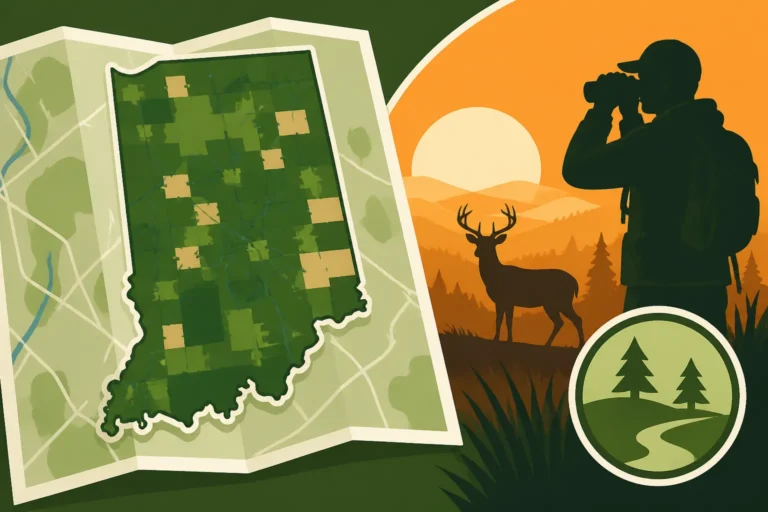
In a landscape characterized by a patchwork of ownership and habitat, digital mapping tools are absolutely indispensable. Services like onX Hunt and GoHunt aren't just fancy gadgets; they're essential for success on public land in Starke County. You'll use them primarily to:
- Identify Public/Private Boundaries: This is paramount. With parcels often bordering private agricultural fields or residential areas, knowing exactly where public land begins and ends keeps you legal and safe. You can't afford to guess when it comes to property lines. onX Hunt excels at this, clearly delineating ownership lines and land types.
- Analyze Habitat from Afar: Before you even set foot on the ground, use aerial imagery to pinpoint potential deer hotspots. Look for small woodlots surrounded by ag fields, dense thickets or swampy areas that offer bedding cover, and natural funnels created by changes in topography or vegetation. Pay close attention to river and creek bottoms, as these often provide consistent travel corridors through otherwise open country. You're looking for those hidden pockets of cover that might escape the casual eye, or small access points that other hunters might overlook.
- Plan Entry and Exit Routes: Knowing the land ahead of time helps you plan quiet, efficient routes to and from your hunting spot. In areas with high pressure, approaching from an unexpected direction can make all the difference. Identify parking areas, established trails (and how to avoid them), and potential obstacles like fences or drainage ditches. For more on maximizing your digital scouting, read Using the Indiana OnX and DNR Map Tools.
- Mark Key Sign: Once you're on the ground, use the app to mark fresh scrapes, rubs, bedding areas, and feeding sign. This helps you build a comprehensive picture of deer activity over time and informs your stand placement.
Remember, deer in Starke County often operate in smaller home ranges due to the nature of the habitat. Every little bit of cover matters, and a good mapping app helps you find those crucial bits.
On-the-Ground Scouting Tactics for Fragmented Habitat
No matter how good your mapping app is, nothing beats putting boots on the ground. Your pre-season scouting trips are where you confirm what you saw on the map and discover the subtle nuances that only direct observation can reveal.
- Focus on Transition Zones: Deer love edges. In Starke County, these are often the edges where a woodlot meets a cornfield, where a cattail marsh transitions to higher ground, or where a fenceline offers just enough cover between two open areas. These are natural travel lanes and ambush points.
- Locate Bedding Areas: Deer will often bed in the thickest cover available, whether that's a small cedar patch, a dense stand of young hardwoods, or a nasty swamp. During scouting, try to locate these areas without disturbing them too much. Once you know where they're resting, you can set up on the trails leading to and from these spots.
- Identify Food Sources: While ag fields are obvious, don't forget about natural food sources like acorns, persimmons, and honeysuckle that might be present in smaller woodlots. A mapping app can help you locate areas with specific tree types, but only on-the-ground scouting confirms their presence and production. Understanding what deer are eating and when they're eating it is crucial, especially later in the season. You might also find helpful information about Late-Season Food Sources for Indiana Whitetails.
- Scout for Pressure: Pay attention to signs of other hunters: old treestands, well-worn trails, or excessive flagging. If an area looks heavily hunted, consider looking for harder-to-reach pockets that might offer sanctuary. Even a small, swampy area that's tough to get to can hold deer that have learned to avoid easy access. This is directly related to understanding Hunting Pressure on Indiana Public Land.
When scouting, move slowly and deliberately. Look for rub lines, scrape lines, and well-used trails. Understand wind direction and thermals for potential stand sites, especially when hunting small funnels like Hunting a Funnel Between Two Woodlots. The goal is to piece together the puzzle of deer movement in these often-complex, high-pressure environments.
Navigating Access Rules and Regulations
Public land hunting in Indiana, especially on FWAs, comes with specific rules you need to be aware of. These aren't just suggestions; they're legal requirements designed to manage resources and ensure safety for all users.
- Check-In Procedures: Many Fish and Wildlife Areas require you to check in before hunting and check out afterward. This is often done at designated kiosks or through the Go Outdoors Indiana online system or app. These systems help the DNR manage hunter numbers, track harvest data, and communicate important updates. Always verify the specific check-in method for the property you're visiting.
- Blaze Orange Requirements: Safety is paramount. Indiana has strict blaze orange requirements for certain seasons and weapon types. Generally, during firearms seasons, you'll need to wear an outer garment of solid hunter orange (or hunter pink) that is visible from 360 degrees. Make sure you know when this is required and comply fully. For more specifics on safety, refer to Indiana Blaze Orange Requirements.
- Treestand and Ground Blind Rules: Public land often has rules regarding how you can place and leave treestands and ground blinds. Some areas might require stands to be portable and removed daily, while others might allow stands to be left for a period if they are clearly marked. Ground Blind Rules on Indiana Wildlife Areas can give you an idea of what to expect. Always consult the specific FWA's regulations.
- Motorized Vehicle Use: Generally, motorized vehicles are restricted to designated roads and parking areas on most public hunting lands. Don't assume you can drive right to your spot. Be prepared to walk, and if using an ATV, verify its legality for that specific property.
- Ethical Considerations: Beyond the law, consider the ethical implications of your actions. Respect other hunters, avoid crowding, and leave no trace. This helps ensure public hunting opportunities remain available and enjoyable for everyone.
Staying informed and compliant with all regulations is not just about avoiding fines; it's about being a responsible hunter and ensuring the future of public land hunting.
Deer Hunting Strategies for Starke County's Unique Terrain
Successfully hunting deer in Starke County requires adapting your strategies to the local landscape, which often means focusing on edge habitat, understanding pressure, and being mobile.
Adapting Hunting Methods to Wetland and Farmland Edges
In Starke County, deer often gravitate towards the interfaces between different habitat types. These "edges" are where they find safety, food, and water all within close proximity.
- Stand Placement on Field Edges: This is a classic tactic for a reason. Deer will often stage in the timberline before entering a crop field at dusk, and they'll filter back into cover at first light. Positioning a treestand or ground blind along these edges, especially near a natural funnel or pinch point, can be highly effective. Look for areas where a hedgerow or creek bottom extends into a field, providing a little extra cover for deer to feel secure. Consider Setting Up on a Northern Indiana Field Edge for detailed tactics.
- Hunting Wetland Transitions: Don't overlook the swampy, boggy areas. While they might seem less inviting to humans, deer often use them for bedding and sanctuary, especially under pressure. The transition zones where wetlands meet drier ground are excellent places to intercept deer. Look for slightly elevated islands of timber within a marsh, or higher ground adjacent to a dense cattail stand. These areas can be incredibly productive, as many hunters avoid the wet stuff.
- Utilizing Natural Funnels: In flat, open country, any feature that constricts deer movement becomes a high-percentage travel corridor. This could be a narrow strip of timber between two fields, a drainage ditch with dense brush, or even a subtle rise in elevation. Identifying these funnels, either through aerial photos or on-the-ground scouting, is crucial. Place your stand downwind of these funnels, anticipating deer movement through them.
Table: Deer Movement Characteristics in Starke County Habitat
| Habitat Type | Typical Deer Behavior | Ideal Hunting Strategy (Starke County) |
|---|---|---|
| Agricultural Fields | Primary food source (corn, soybeans); nocturnal movement common; utilize edges for staging. | Hunt transition zones at dawn/dusk; use cover on field edges. |
| Woodlots (Small) | Bedding cover; secondary food sources (acorns, browse); travel corridors. | Focus on entry/exit points; hunt funnels between woodlots/fields. |
| Wetlands/Marshes | Heavy bedding cover; sanctuary from pressure; water source. | Hunt edges where wetlands meet uplands; look for elevated islands. |
| Creek/River Bottoms | Consistent travel corridors; cover; secondary food/water. | Scout for trails along banks; identify crossings and pinch points. |
Understanding Deer Movement in High-Pressure Areas
Let's be realistic: public land in Indiana often sees a fair amount of hunting pressure, especially during opening weekends and peak rut. Starke County is no exception. This pressure significantly influences deer behavior, making them more nocturnal and prone to seeking out the densest, most inaccessible cover during daylight hours.
- Early Morning/Late Evening Advantage: In pressured areas, deer are most likely to move during low-light conditions. Being in your stand well before first light and staying until dark can drastically increase your odds. These are the times when deer feel safest moving between bedding and feeding areas.
- Hunting Midday: Don't dismiss midday hunting. While many hunters are heading back to camp or their trucks, deer might be making small movements within their bedding areas or shifting to a new bed. If you've found a thick bedding area, a quiet, patient sit during the middle of the day can sometimes pay off.
- Finding Overlooked Pockets: This is perhaps the most critical strategy. Deer will gravitate to areas that hunters avoid. This could be a swampy corner, a super thick briar patch, a small woodlot that requires a long, inconvenient walk, or a piece of public ground nestled awkwardly between private properties that's tough to access. These are the places where mature bucks often take refuge. Don't be afraid to put in the extra effort to get to these spots; it's where you'll find deer that haven't been constantly harassed. Finding Ground Others Walk Past is a principle that applies everywhere, especially here.
- Minimize Your Impact: Reduce your scent, move quietly, and avoid over-hunting any single spot. Deer quickly learn patterns, and consistent pressure in one area will push them out. Vary your entry and exit routes if possible, and be mindful of the wind.
Late-Season Considerations and Food Sources
As the season progresses into late fall and early winter, deer behavior shifts, largely driven by the need for calories and thermal cover. This is especially true after harvest when most of the agricultural fields are bare.
- Post-Harvest Food Sources: After the combines have rolled, deer will focus on any remaining food. This includes overlooked ears of corn, spilled soybeans, or even winter wheat plantings if farmers use them. Focus your scouting on these fields, identifying where deer are entering and exiting. Sometimes, a farmer will leave a small strip of corn standing, which acts as both food and invaluable cover.
- Browse and Mast Crops: While agricultural crops are king, don't forget about natural browse. Young saplings, honeysuckle, and any remaining acorns can still be attractive. Look for areas with good natural regeneration and dense undergrowth.
- Thermal Cover: As temperatures drop, deer seek out dense cover that offers protection from wind and cold. This might be a thick cedar grove, a dense stand of pines, or a really nasty thicket of briars and brush. These areas often double as bedding locations. Hunting the edges of these thermal cover patches, particularly during cold snaps, can be very effective.
- Water Sources: In freezing conditions, accessible unfrozen water can become a major draw. Springs, open creek sections, or beaver ponds can concentrate deer.
- Hunting After a Cold Front: Just like early season, a significant cold front in late season can trigger increased deer movement as they try to feed heavily before or after the temperature plunge. Plan your hunts around these weather events.
Hunting Starke County's public land requires patience, adaptability, and a willingness to explore beyond the obvious spots. By combining thorough scouting, smart use of mapping tools, and an understanding of how deer react to both the landscape and hunting pressure, you can have a successful and rewarding hunt. Hunting Northern Indiana Farmland Deer further details specific strategies for this type of environment.
Disclaimer
This article is for general informational purposes only and does not constitute professional advice. Laws, prices and regulations vary by location and change over time. Consult a qualified professional for guidance on your specific situation.