How Many Acres Hoosier National Forest Covers
When you're dreaming of a public land hunt in Indiana, the sheer amount of accessible ground can often feel like a limiting factor. Many hunters express frustration at seemingly small state properties, or the constant battle with crowds. But there's one giant gem that stands out: the Hoosier National Forest. This guide will take a deep dive into just how vast the Hoosier National Forest truly is, what that acreage means for your hunting adventures, and how to make the most of its incredible potential.
The Sheer Scale of Hoosier National Forest's Acreage
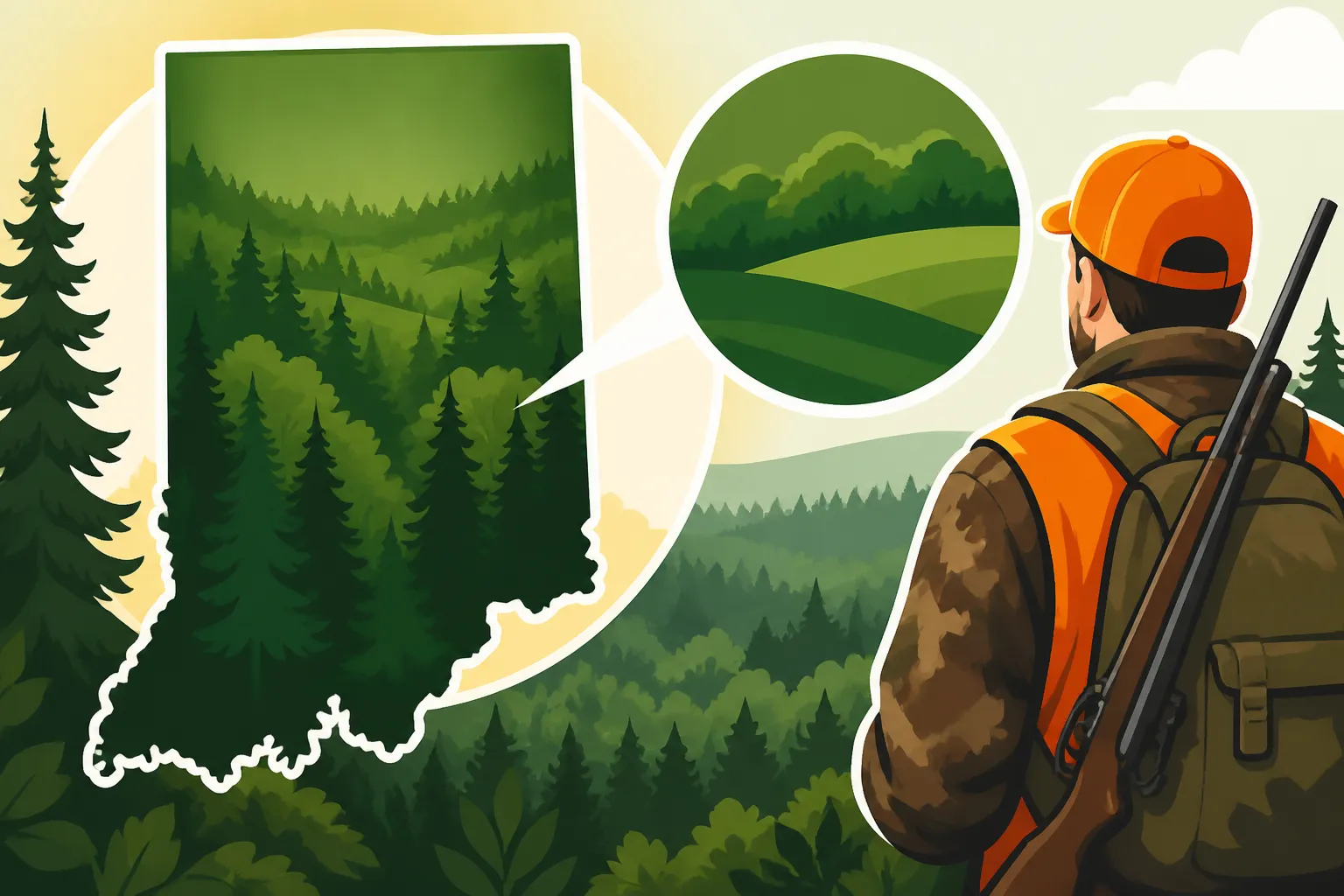
Let's cut right to the chase because this is the number every public land hunter in Indiana wants to know: the Hoosier National Forest encompasses over 200,000 acres. Now, I know what you might be thinking – that sounds like a lot, but what does it really mean when you're out there with boots on the ground? It's not just a number; it's an experience.
Imagine strapping on your pack, taking those first few steps off a gravel forest road, and knowing that you could walk for miles and still be on public ground. That's the reality of hunting the Hoosier National Forest. This isn't your average small woodlot or a heavily managed state fish and wildlife area where you're likely to bump into another hunter around every bend. This is big, sprawling timber, deep hollows, rugged ridgelines, and an opportunity for solitude that's increasingly rare in our busy world. The vastness allows deer, turkey, and other game to truly live wild, following natural patterns shaped by the landscape, not just hunter pressure.
However, it’s important to understand that this isn't one perfectly contiguous block of land. The Hoosier National Forest is what we call a "checkerboard" of public and private ownership. This means you'll find parcels of national forest land interspersed with privately owned properties. While this might sound a little complicated, the sheer volume of public ground still offers an incredible amount of space. This intricate patchwork means careful navigation is key, but it also creates unique edge habitats and travel corridors for game. Knowing those boundaries is absolutely crucial, and we’ll get into how mapping tools can save you a lot of headaches.
| Public Land Type | Typical Acreage (General) | Key Hunting Experience |
|---|---|---|
| Hoosier National Forest | 200,000+ acres | Vast, rugged, remote, multi-day excursions possible |
| Indiana State Forest | 10,000 – 25,000 acres | Large, but often more developed access, still good hunting |
| Indiana Fish & Wildlife Area | 1,000 – 10,000 acres | Managed habitats, specific game focuses, often crowded |
| Smaller State Properties | 100 – 500 acres | Highly accessible, high pressure, localized opportunities |
This table really puts the Hoosier National Forest into perspective. It's truly in a league of its own when it comes to offering expansive, wild hunting grounds in Indiana. The sense of wilderness and the chance to truly get away from it all are unmatched.
Diverse Hunting Opportunities Across the Forest's Landscape
With over 200,000 acres at your disposal, the Hoosier National Forest offers a wealth of hunting opportunities for a variety of game species. This isn't just a deer hunter's paradise; it's a diverse ecosystem that supports numerous populations, giving hunters plenty of options throughout the year.
White-Tailed Deer in the Southern Hills
When most Hoosier hunters think of the Hoosier National Forest, their minds immediately go to deer. And for good reason! The rugged terrain of southern Indiana, with its steep ridges, deep hollows, and hardwood bottoms, provides ideal habitat for whitetails. The sheer size of the forest means that deer have vast tracts of undisturbed land where they can grow and thrive. You'll find everything from creek bottoms that serve as natural travel corridors to dense clear-cuts offering bedding cover, and the mature oak ridges where bucks will be searching for acorns in the fall.
The hunting here is often a different beast than the agricultural areas of northern Indiana. It requires stamina, patience, and a willingness to hike. You'll be putting in some miles, climbing those hills, and earning every opportunity. But the reward can be a truly wild buck, one that hasn't seen much human pressure. This is where you can employ tactics like still-hunting, slowly moving through the woods, or setting up carefully selected Treestand Setups in Hoosier National Forest in key funnels. Understanding the contours of the land, how deer use the draws and saddles, and how wind and thermals play a role in this rugged environment is absolutely critical. It’s a completely different challenge than hunting a field edge, but infinitely rewarding. If you're looking for a comprehensive overview of White-Tailed Deer Across Indiana, the Hoosier National Forest showcases them in their wildest form.
Wild Turkeys Thriving in the Timber
Beyond deer, the Hoosier National Forest is also a fantastic place to chase wild turkeys. The rolling hills and mature hardwoods provide excellent roosting sites and ample forage, making it a prime destination for both spring gobbler season and fall turkey hunting. There's nothing quite like hearing a distant gobble echoing through a hollow as the sun rises over the forest, signaling the start of a challenging day.
Spring turkey hunting in the Hoosier can be an exhilarating experience. The vastness allows birds to spread out, and you'll often have to put in some legwork to locate them. Roosting birds the evening before can be a huge advantage, letting you position yourself for an early morning setup. Whether you're trying to Calling an Indiana Gobbler Off the Roost or running and gunning through the timber, the forest provides the space for these birds to act naturally. Fall turkey hunting offers its own unique challenges, often involving breaking up flocks and calling them back in. If you want to learn more about the overall Wild Turkeys in Indiana population and how they've thrived, the Hoosier National Forest is a living testament to their success.
Small Game and Predators
Don't overlook the incredible opportunities for Squirrel and Small Game Hunting in Indiana within the Hoosier National Forest. The extensive stands of hardwoods, particularly oak and hickory, provide a bountiful food source for squirrels. Early season squirrel hunting can be a relaxed way to spend a morning, honing your woodsmanship skills before deer season. You might also find rabbit in brushy clearings and along logging roads.
For those interested in year-round hunting, the Hoosier National Forest is also prime territory for Coyotes and Predators in Indiana. The large, undeveloped areas provide plenty of cover and prey for coyotes, foxes, and other furbearers. Predator calling in these vast timberlands can be an exciting and challenging pursuit, offering a chance to interact with some of the most cunning animals in the forest. Whether you're trying to thin out local coyote populations or just enjoy the thrill of the call, the sheer size of the HNF offers ample room for these activities without constant interruption from others.
Navigating and Maximizing Your Hunt in the Hoosier National Forest
Hunting such a massive area as the Hoosier National Forest presents unique challenges, but with the right tools and strategies, you can unlock incredible experiences. This isn't just walking into a woodlot; it's an immersive journey into the wilderness.
Essential Mapping and Scouting Tools
One of the biggest frustrations hunters face on large public tracts is knowing exactly where they are and, more importantly, where the property lines are. Given the checkerboard nature of the Hoosier National Forest, a reliable mapping tool is an absolute non-negotiable. Digital mapping apps like onX Hunt or services like GoHunt are invaluable. They allow you to download maps to your phone, so you have them even without cell service, which can be spotty in the deep hollows of southern Indiana. These apps clearly show public/private land boundaries, access roads, trails, and topographical features that are critical for understanding deer movement. Forget guessing; with these tools, you can confidently navigate, plan your routes, and know you're always on legal ground. Using the Indiana OnX and DNR Map Tools can save you countless headaches and ensure you stay within regulations.
Before you even step foot in the woods with your hunting gear, extensive Scouting Indiana Public Land Before Season is paramount. For an area as large as the HNF, this might involve virtual scouting using satellite imagery to identify potential funnels, bedding areas, and food sources. Look for distinct changes in timber type, saddles on ridges, creek crossings, and areas with dense undergrowth. Once you have a few promising spots, it's time for boots-on-the-ground scouting. Hike those ridges, explore those hollows, and look for signs like rubs, scrapes, and tracks. Pay attention to how the terrain funnels deer, especially in areas like Hunting the Hoosier Forest's Deer-Heavy Coves. These hidden pockets can hold mature bucks seeking refuge.
Access Points and Logistical Considerations
Accessing the Hoosier National Forest is often through a network of gravel roads, some of which are well-maintained, while others might require a higher-clearance vehicle. Identifying these access points and understanding what areas they lead to is part of the scouting process. Some sections of the forest might be designated as "walk-in only," offering even more solitude for those willing to put in the effort. These are often the spots where you’ll find less pressured game.
When planning your hunt, consider the logistical challenges of a large area. If you're planning a multi-day trip, remember the rules for Camping Rules on Indiana State Forest Land, which generally apply to National Forest land as well, regarding primitive camping and designated sites. Packing light but effectively is key, as you'll likely be carrying your gear over considerable distances and varied terrain. Your choice of Portable Treestands Worth Packing In or even opting for saddle hunting could make a huge difference in your ability to be mobile and adapt to deer movement. Think about what you need for a full day – water, snacks, emergency supplies – because once you're deep in the Hoosier, you're truly on your own.
Understanding the Checkerboard – Why it Matters to Hunters
The "checkerboard" pattern of public and private land within the Hoosier National Forest isn't just an interesting fact; it has tangible implications for how you approach your hunt. Ignoring this reality can lead to frustration, or worse, legal issues. So, let's break down why this land ownership mosaic matters and how to effectively navigate it.
The Interplay of Public and Private Land
Imagine an aerial map where green squares (public land) are mixed with white or yellow squares (private land). This is essentially what the Hoosier National Forest looks like. Deer, turkeys, and other game animals don't recognize these property lines; they move freely across them based on food, cover, and breeding cycles. This can be both a blessing and a curse for hunters. On one hand, it means game animals have vast areas to roam, reducing the likelihood of being "pushed out" of a single small public tract. On the other hand, it means you absolutely must know where those lines are drawn.
The edges where public and private land meet often create excellent hunting opportunities. Deer might bed on a steep, inaccessible national forest ridge and then move down into a privately owned agricultural field to feed at night. Understanding these patterns, while staying strictly on public land, can be a game-changer. This is where your mapping app, like onX Hunt, becomes your best friend. It allows you to see those boundaries in real-time on your phone, preventing accidental trespass and helping you identify key travel corridors that cross between property types. Finding Indiana Property Lines isn't just good practice; it's essential for ethical and legal hunting in these areas.
Implications for Game Movement and Hunter Access
The checkerboard pattern directly influences game movement. Private land, especially if it’s left unpressured or has food plots, can act as a sanctuary or a significant food source. This can draw deer from the surrounding public lands, creating predictable movement patterns along the boundaries. Savvy hunters will identify these transition zones – often creek bottoms, timbered fence lines, or thick points of woods – as prime ambush locations. You might not be able to hunt the private land, but you can certainly hunt the public land adjacent to it, intercepting deer as they move to and from.
Hunter access is also shaped by this pattern. While there are numerous public access points, some national forest parcels might be entirely landlocked by private property. This means you'll need to either find an alternative entry point or accept that certain areas, despite being public, are practically inaccessible. Always consult current maps and research access roads or public easements before planning a trip to a specific parcel. The challenge here is finding ground that others walk past, not knowing if it’s truly accessible. This is where detailed scouting and map work really pay off, allowing you to discover hidden gems that others overlook. The Hoosier National Forest offers a unique blend of wilderness and accessibility that, with careful planning, can lead to truly memorable hunts.
Disclaimer
This article is for general informational purposes only and does not constitute professional advice. Laws, prices and regulations vary by location and change over time. Consult a qualified professional for guidance on your specific situation.