Best Indiana Counties for Wild Quail
Wild bobwhite quail populations in Indiana counties require specific habitat types for hunters seeking surviving coveys.
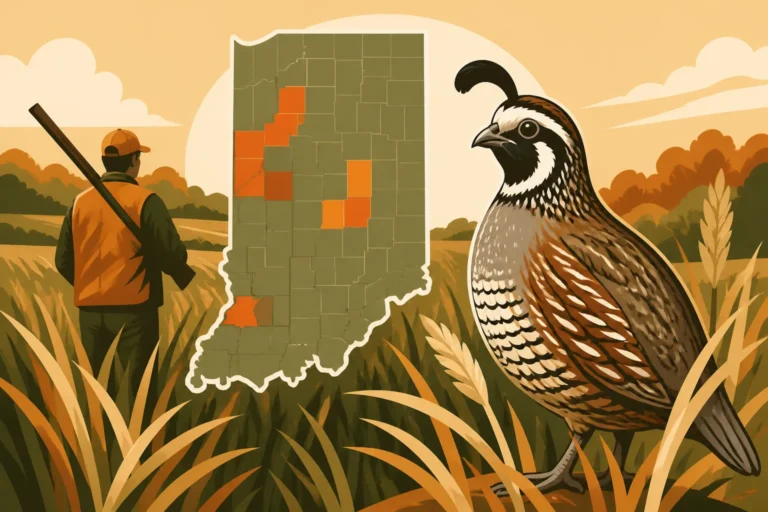
Wild bobwhite quail populations in Indiana counties require specific habitat types for hunters seeking surviving coveys.
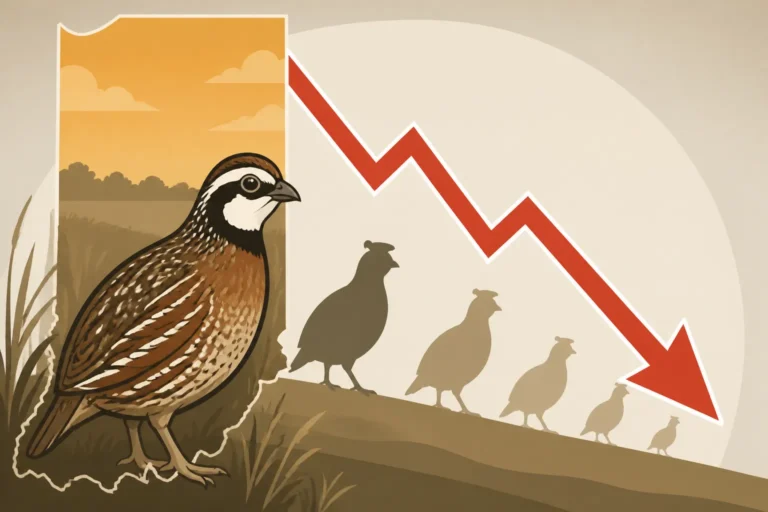
Indiana bobwhite quail populations declined drastically since the 1960s because agricultural monoculture destroyed critical edge habitats.
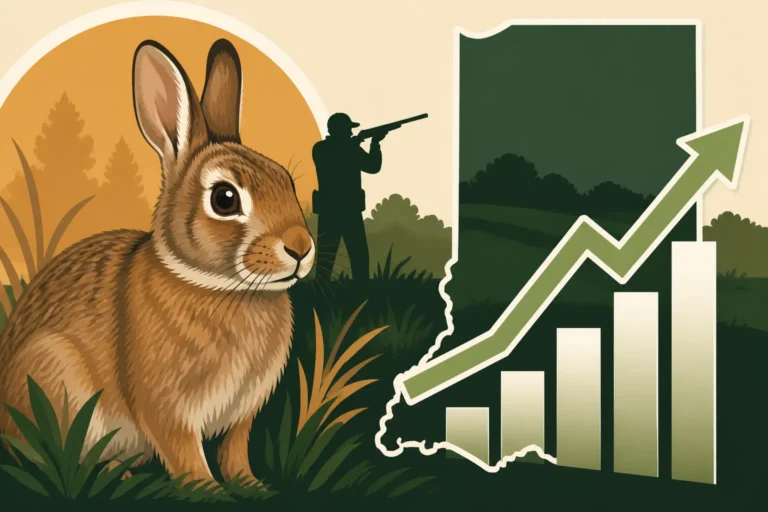
Indiana cottontail population trends explain why rabbit numbers declined due to modern agricultural practices and suburban growth.
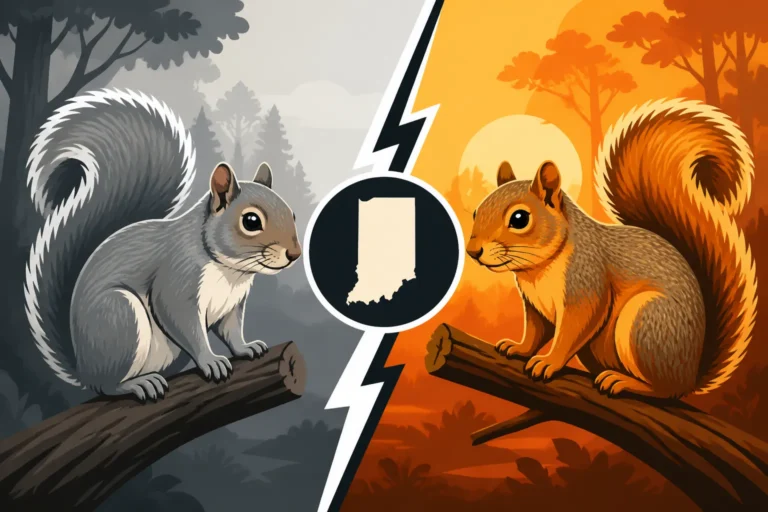
Indiana gray squirrels and fox squirrels have distinct physical traits, habitats, and behaviors that help hunters identify them.
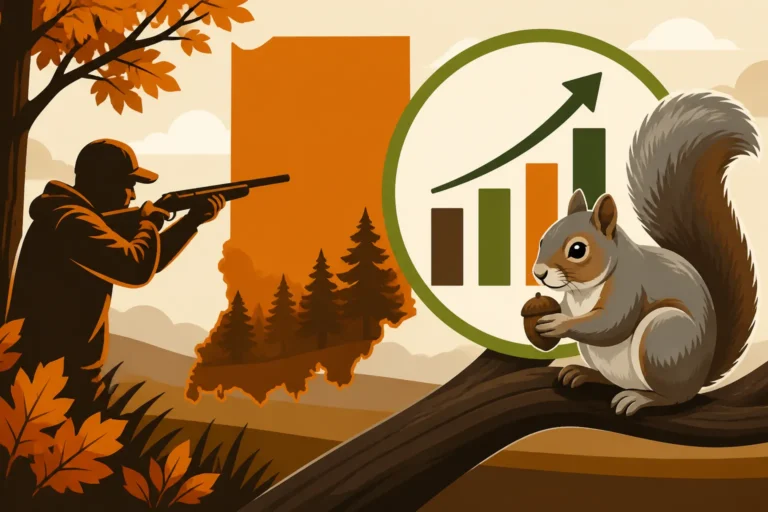
Indiana squirrel harvest numbers show annual hunting success and help wildlife managers set season lengths and bag limits.
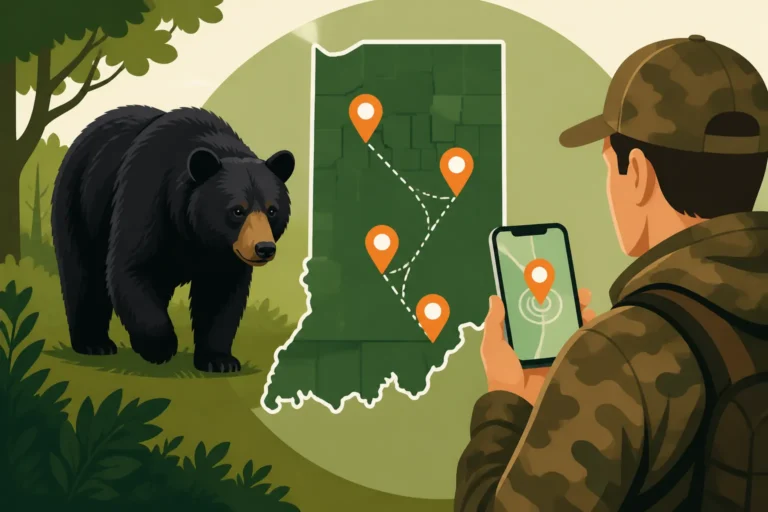
Indiana black bear tracking methods used by wildlife officials explain transient animal movements and ensure public safety.
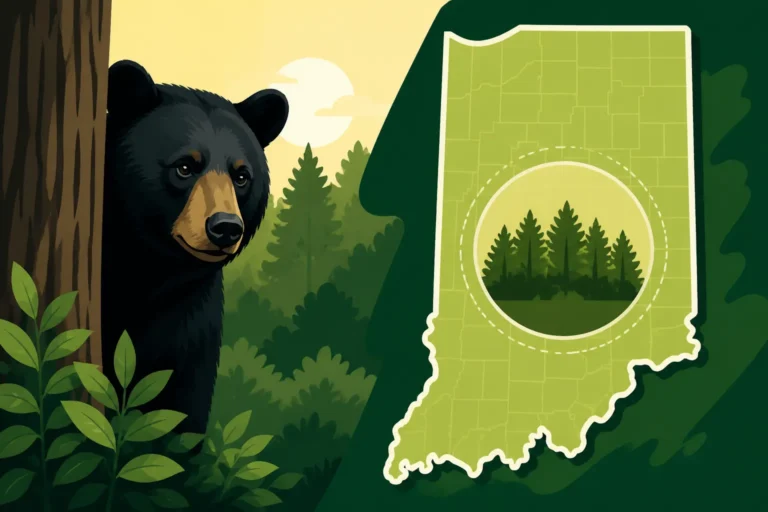
Black bear sightings in Indiana are rare because historical habitat destruction removed the resident population and current visitors are transient.
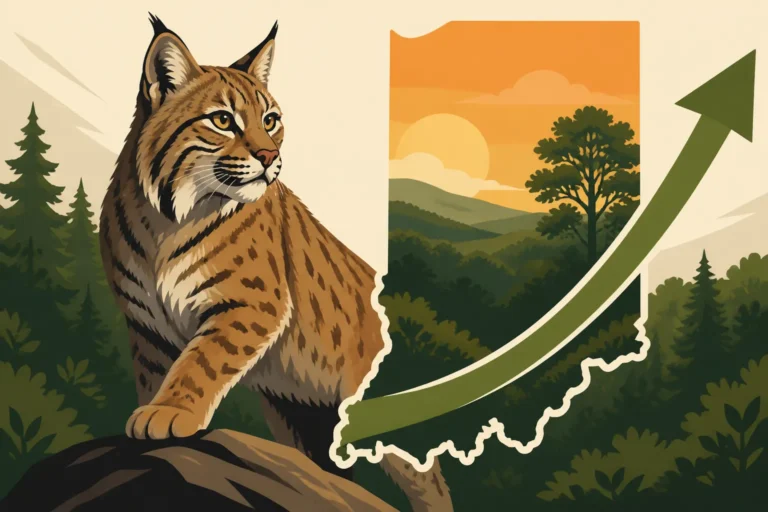
Indiana bobcat populations are returning to southern regions through conservation protection, forest recovery, and natural wildlife adaptability.
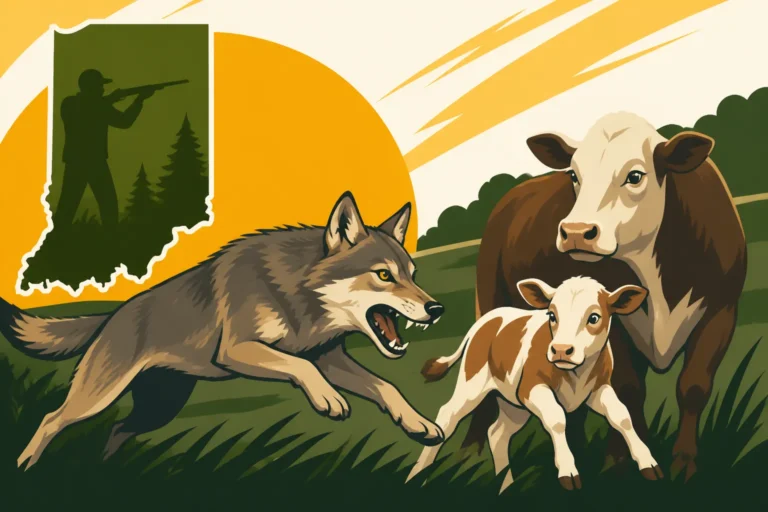
Indiana coyote attacks on livestock explain predator patterns, prevention methods, and ways to manage incidents on farms.
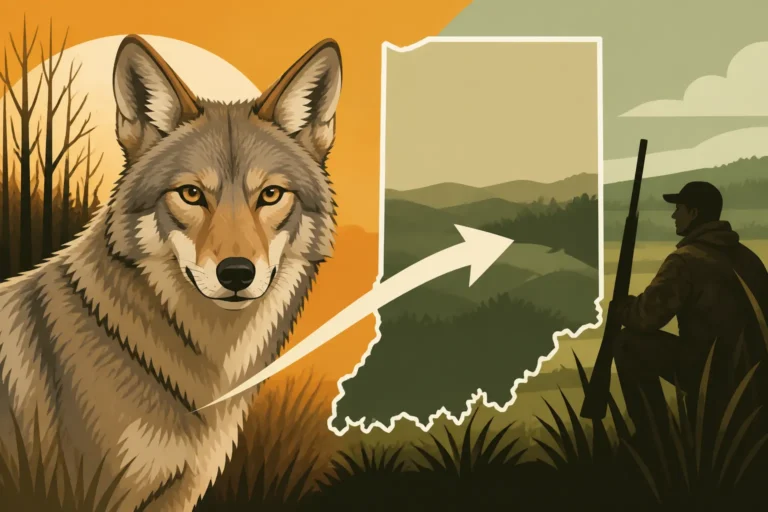
Indiana coyotes expanded eastward from western plains during the nineteenth and twentieth centuries to establish permanent statewide populations.