Working a Fencerow for Late-Season Deer
Late-season deer hunting in Indiana fencerows provides thermal cover, bedding areas, and travel corridors connecting food sources.
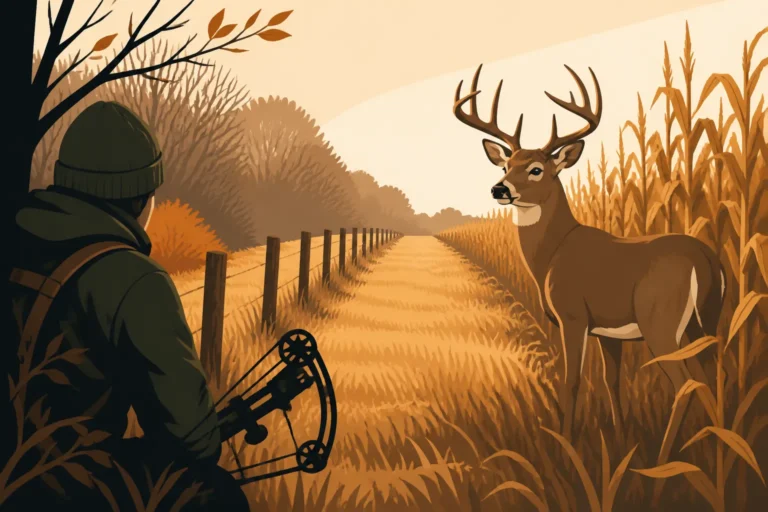
Late-season deer hunting in Indiana fencerows provides thermal cover, bedding areas, and travel corridors connecting food sources.

Effective decoy placement on Indiana farm ponds helps hunters draw in wary waterfowl consistently by understanding wind and shorelines.
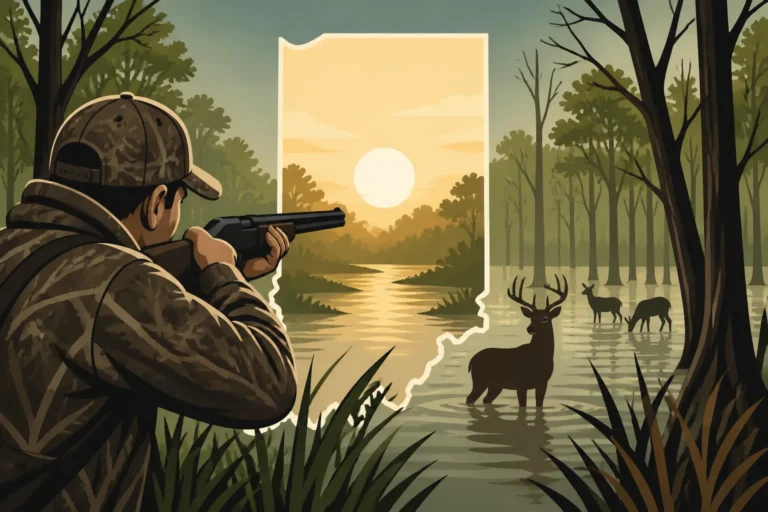
White River bottomland hunting in Indiana offers deer, turkeys, and ducks within a dynamic, flood-prone timber ecosystem.
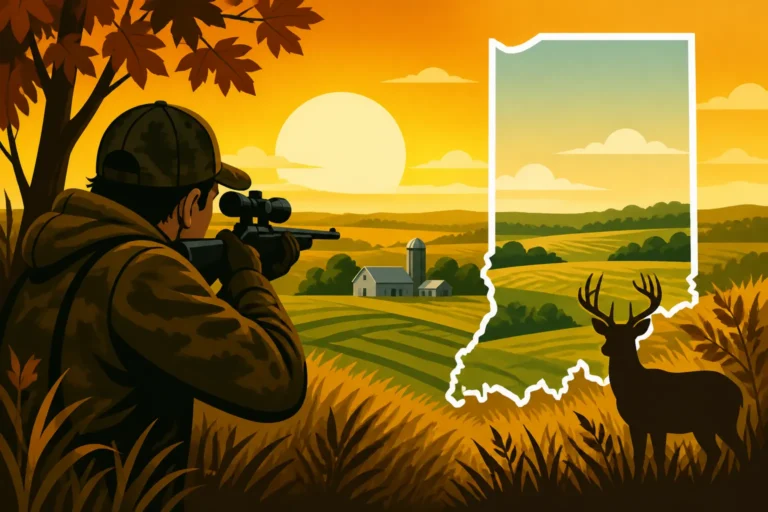
Whitetail hunting tactics for northeast Indiana farmland explain how deer navigate woodlots, crop cycles, and linear travel corridors.
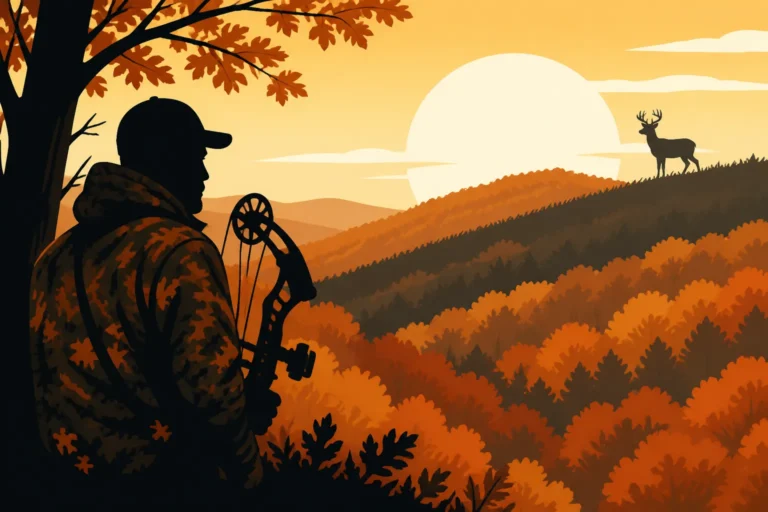
Hunting Brown County ridgelines requires strategies for steep slopes, saddles, and oak forests to successfully harvest deer.
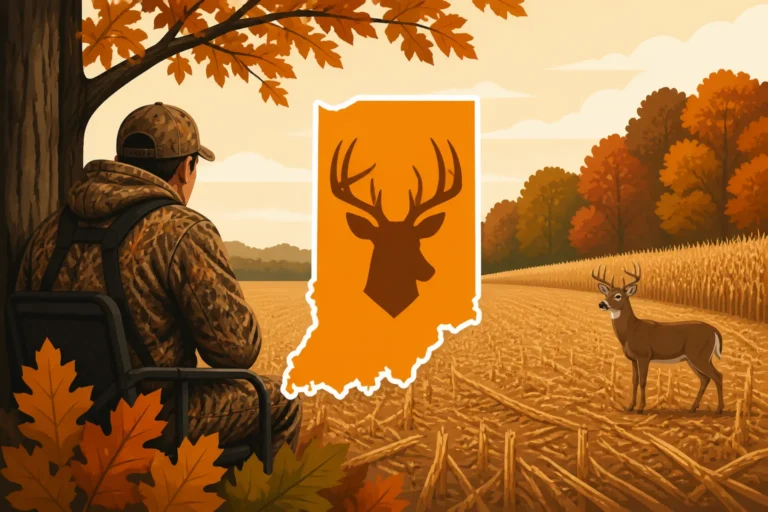
Late season Indiana deer hunting field edges explain winter survival food sources, tracks in snow, and predictable movement patterns.
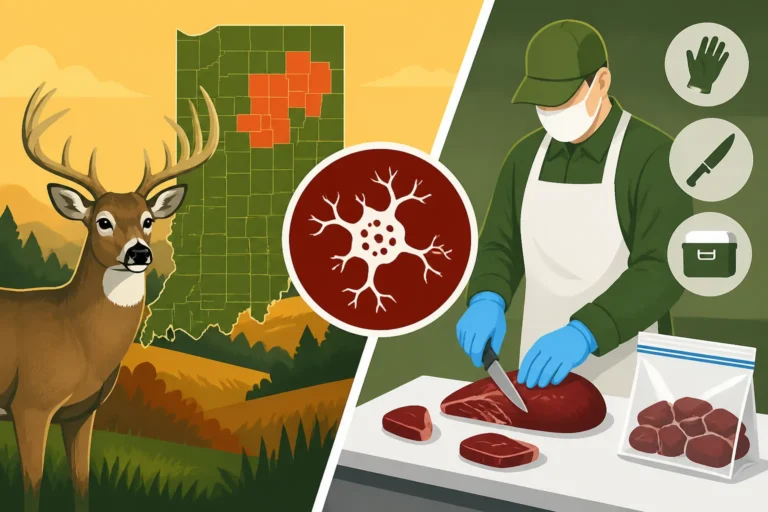
Indiana deer hunters in chronic wasting disease areas must follow mandatory head testing rules and safe handling protocols.
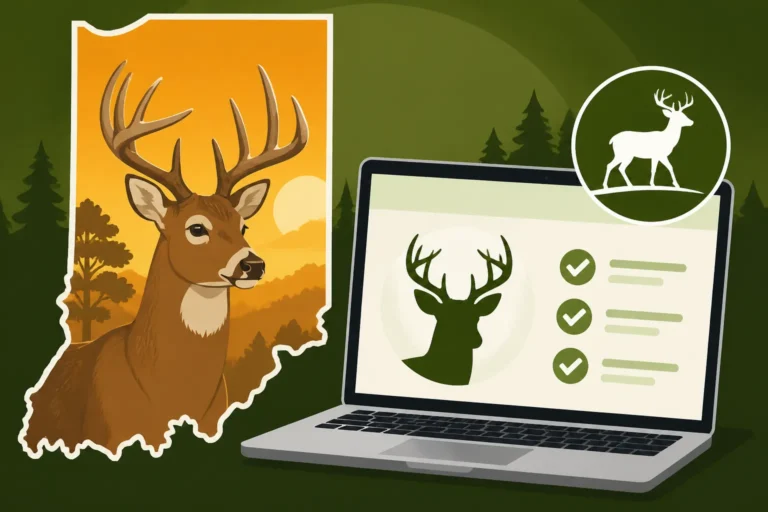
Online Indiana deer registration requires hunters to report harvests within forty eight hours and keep confirmation numbers.
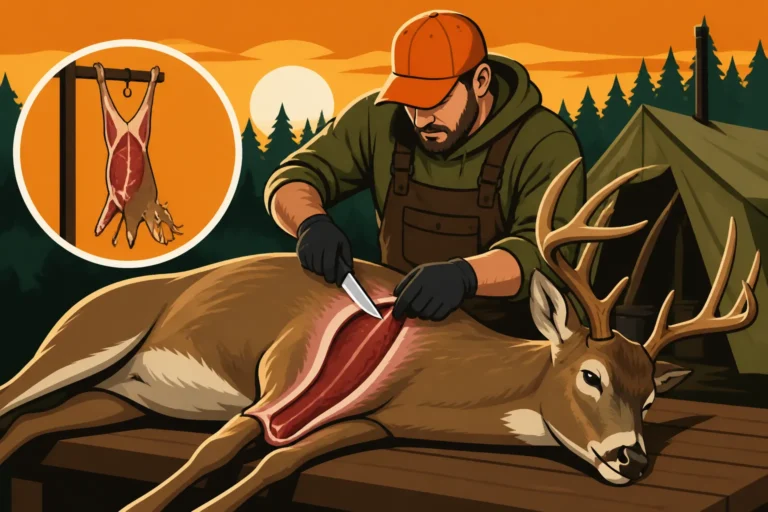
Camp deer butchering requires specific gear, clean workspaces, sharp knives, and proper hygiene to yield freezer-ready venison.
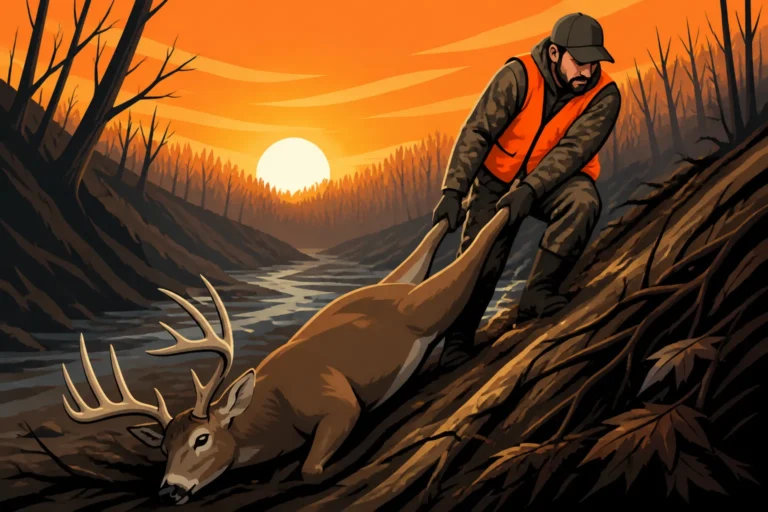
Indiana river bottom deer retrieval strategies and gear help hunters haul heavy harvests through deep mud, thickets, and winding creeks.