Hunting White River Bottomland
Hunting the White River bottomlands in Indiana can feel like stepping into a different world – a land of thick timber, winding sloughs, and a rich, sometimes unpredictable, environment that demands a specific kind of hunter. Many folks find these areas incredibly intimidating, with their dense cover, shifting water levels, and the ever-present challenge of navigation. But if you’re willing to put in the work and learn its secrets, the White River offers some of the most rewarding and unique hunting experiences in the state, whether you're after a mature buck, a wary gobbler, or a limit of ducks. This guide will walk you through everything you need to know to confidently tackle these challenging, yet incredibly productive, Indiana bottomlands.
Understanding the White River Bottomland Ecosystem
The White River, with its East and West Forks converging to form a substantial waterway, snakes its way through much of central and southern Indiana before joining the Wabash River. The lands immediately adjacent to its banks and floodplains – what we call the "bottomlands" – are defined by a distinct and dynamic ecosystem that dictates how wildlife lives and moves.
The Lay of the Land: Flooding, Soil, and Vegetation
Imagine a landscape constantly shaped by water. That’s the White River bottomland. This isn't your typical Hoosier hardwood ridge or flat agricultural field. The river's flow, especially during the wetter months of spring and late fall, routinely overflows its banks, depositing rich, alluvial soils that create an incredibly fertile environment. This regular flooding profoundly impacts everything from the terrain to the types of plants that thrive here.
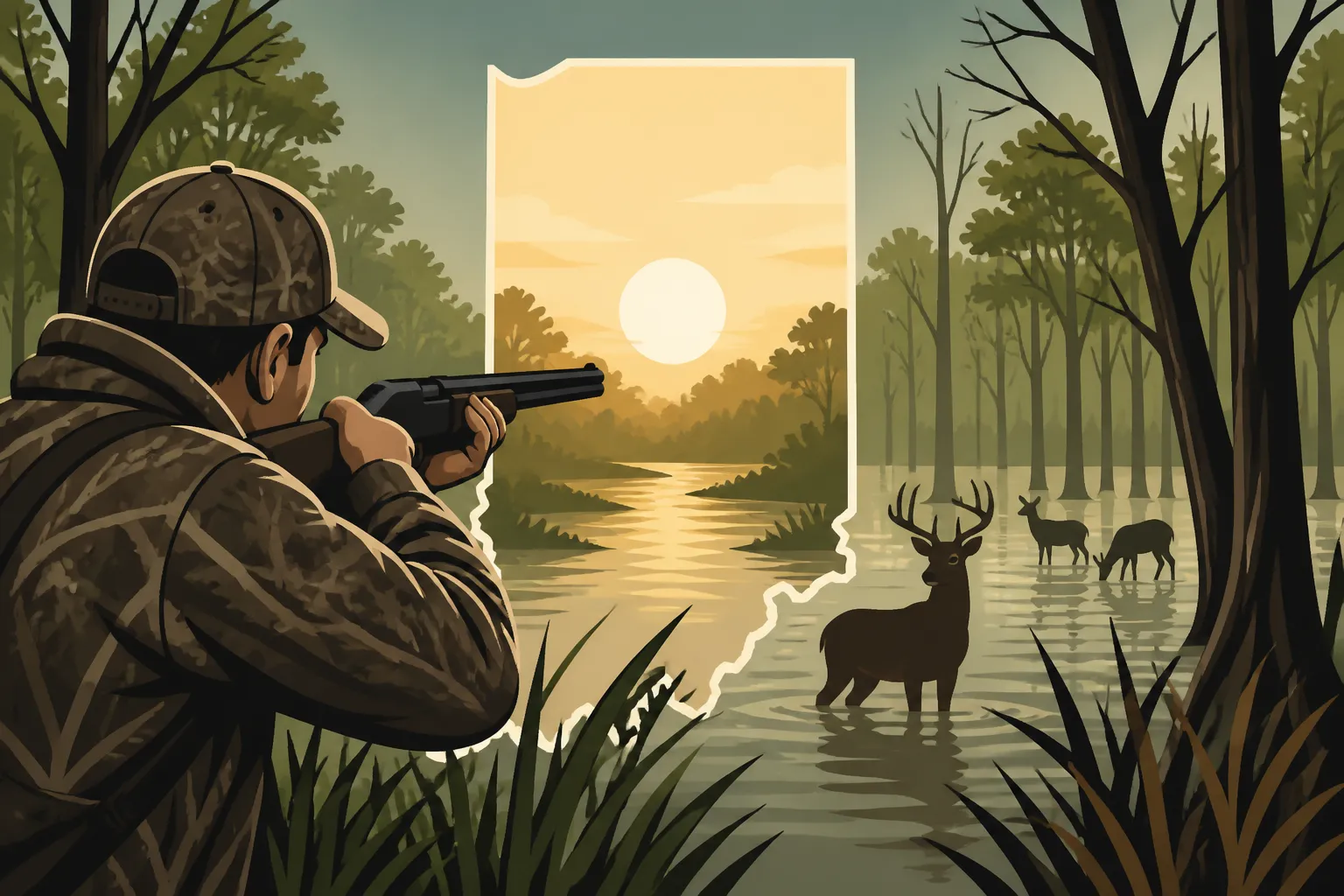
You’ll find a patchwork of habitats: towering silver maples, cottonwoods, and sycamores dominating the overstory, their roots accustomed to periodic inundation. Below them, especially in areas that don't hold standing water year-round, is an incredibly dense undergrowth – briar patches, honeysuckle, and thick tangles that can be almost impenetrable. Then there are the sloughs and oxbow lakes, remnants of old river channels, which can hold water permanently or become muddy, low-water areas depending on the season and rainfall. These depressions, often hidden by thick cover, are critical features. The fluctuating water levels mean that a dry path one day could be chest-deep water the next, making scouting and hunting a constantly evolving challenge. This unique geology creates a complex mosaic where high ground, even just a few feet higher, becomes crucial for wildlife movement and bedding.
Key Game Species and Their Habits in the Bottoms
The White River bottomlands are a magnet for various game species, each drawn to the unique resources this environment provides.
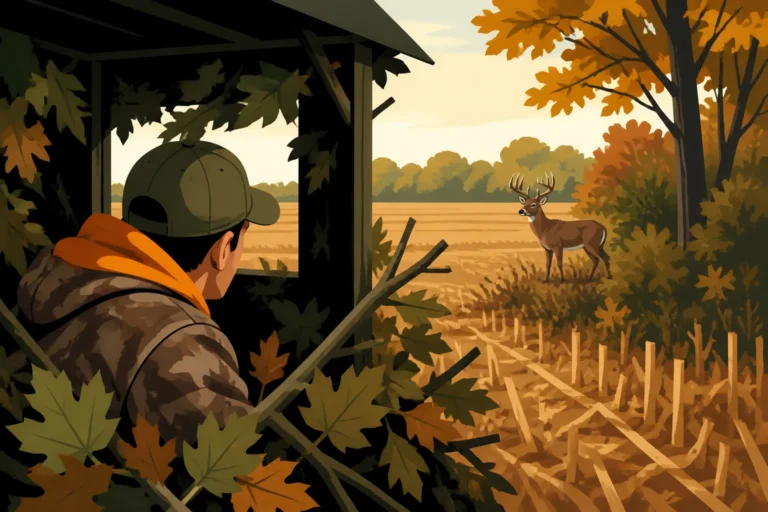
For deer, these bottomlands are a sanctuary. The dense cover offers unparalleled security, making it a prime bedding area, especially for mature bucks. They use the natural topography, like slight rises and hidden benches, to bed down with excellent wind advantage and escape routes into the thickest tangles. Food sources are abundant, from the browse offered by the dense undergrowth to the rich mast crops (especially acorns from various oak species) found on higher, less-flooded ground. Deer trails often crisscross the bottomlands, sometimes following subtle high-water marks, logging roads, or the edges of sloughs, creating natural funnels that can be prime ambush points. Understanding these travel corridors, which often act as pathways between bedding and feeding areas, is key to success.
Wild turkeys also thrive here, especially where the bottomlands transition into slightly higher ground. They'll roost in those towering bottomland trees, often near water, and then spend their days foraging for insects, seeds, and acorns. During the spring, gobblers will use the open timber to strut and call, but quickly retreat into the thick cover if pressured. Their calls can be muffled by the dense foliage, so listening carefully and moving strategically are vital.
Small game like squirrels and rabbits find the bottomlands incredibly hospitable. The abundance of nut-bearing trees in the older timber sections makes for excellent squirrel hunting, while the thick briar patches and honeysuckle provide perfect cover for rabbits. These areas often get overlooked by deer hunters, offering a great opportunity for some exciting small game action.
And then there's waterfowl. The sloughs, oxbows, and backwater areas along the White River are crucial staging and feeding grounds for migratory ducks and geese on the Mississippi Flyway. Species like mallards, wood ducks, and various divers will utilize these wetlands, especially during the fall migration. Knowing the timing of the Indiana Waterfowl Migration Timing can give you a significant advantage. Hunters often find success setting up on these water bodies, especially in areas with good cover and active feeding sign. The dynamic nature of the water levels means new opportunities can arise quickly after heavy rains.
Scouting and Strategy for White River Success
Hunting the White River bottomlands isn't just about showing up; it's about deeply understanding the landscape and adapting your tactics to its ever-changing conditions.
Reading the Water and the Woods: Identifying Prime Spots
Successful bottomland hunting begins with meticulous scouting, and this is where tools like GoHunt really shine with their satellite imagery and mapping features. Start by studying aerial maps. Look for the subtle nuances of the terrain: old river channels, areas of slightly higher elevation that might serve as bedding islands during floods, and the edges of persistent water bodies like sloughs or oxbows. Pay close attention to how these features create natural pinch points and funnels. For instance, a narrow strip of timber between a slough and the main river channel can be a superhighway for deer. These are often excellent spots for Hunting Indiana River Bottom Funnels.
When you're boots on the ground, look for the physical evidence of water levels. High-water marks on trees, dried mud lines, and debris caught in branches will tell you how high the water gets and where deer might seek refuge during flood events. Look for well-worn trails that skirt the edges of low-lying areas or climb to slightly higher ground. Deer, and indeed all wildlife, are creatures of efficiency and safety; they'll use the easiest and safest routes available. Fresh rubs and scrapes on trees, especially along these identified travel corridors or at the mouths of thickets, indicate recent buck activity. Don't be afraid to get wet and muddy during your scouting trips – it's often the only way to truly understand these intricate areas. For more general advice on preparing for the season, consider Scouting Indiana Public Land Before Season.
Seasonal Tactics: Adapting to the White River's Mood Swings
The White River bottomlands demand a flexible hunting approach, as optimal tactics shift dramatically with the seasons.
Early Season Archery
When Indiana's archery season opens in October, the bottomlands can be thick, hot, and humid. Deer will be focused on food sources and thermal cover. Look for stands of mast-producing trees – oaks, especially – that are dropping acorns. These rich food sources will draw deer in. Also, pay attention to any agricultural fields bordering the river, such as standing corn or soybeans, as deer will often utilize the bottomland timber for bedding and then move out to feed in these fields under the cover of darkness. Entry and exit routes are paramount during this time. The thick cover can allow you to get close, but it can also make it incredibly difficult to retrieve game. Focus on quiet approaches and exits, using the dense foliage to your advantage.
The Rut in the Bottoms
When Hunting the Indiana Rut in Early November, the White River bottomlands truly come alive. Bucks are actively cruising, scent-checking for does, and those natural funnels and pinch points become absolute hotspots. The river itself often acts as a barrier, forcing deer movement into predictable corridors. Look for areas where the main river channel or large sloughs narrow, creating a natural crossing point or a bottleneck for deer to traverse. Bucks will also follow the high ground along the riverbanks, scent-checking the edges. Rattling and grunting can be particularly effective in the dense cover, as sounds don't travel as far, making close-range encounters more likely. The dense cover means you might not see deer coming from a long way off, so remaining alert and prepared for a close shot is crucial.
Late Season Challenges
As firearms and muzzleloader seasons progress into December and January, the bottomlands can present some of the toughest, yet most rewarding, hunting. With leaves down, visibility improves somewhat, but the remaining thickets are even more critical for deer seeking thermal cover. Food sources will shift. Acorns might still be available, but deer will increasingly turn to browse, briars, and any remaining standing crops. When facing cold temperatures, developing a solid Cold-Weather Sitting Strategy in Indiana is essential. Deer will often bed in the thickest cover during the day and only move to feed during short windows of low light. Snow can be a game-changer, revealing fresh tracks and making it easier to identify heavily used travel corridors and bedding areas. Don't overlook pushes or small drives in particularly thick areas, especially if you have a group of hunters and good communication. This can be an effective way to move deer out of their sanctuaries. For more on extending your season, check out Hunting the Late-Season January Lull.
Waterfowl Opportunities
The White River's backwaters and sloughs are excellent for waterfowl hunting, particularly when cold fronts push migratory birds south. Ducks, especially mallards and wood ducks, will utilize these quieter, food-rich pockets of water. Setting out a spread of decoys, using a reliable call, and having adequate camouflage are key. Knowing how to interpret flight patterns and identify likely landing zones takes practice. You'll need to be prepared for the elements, which means having the right gear.
Essential Gear and Safety Considerations for Bottomland Hunting
The unique environment of the White River bottomlands necessitates specific gear choices and a heightened focus on safety.
Waders, Boats, and Navigation Tools
When hunting terrain where water is a constant presence, the right attire is non-negotiable. Quality chest waders are essential. Forget hip boots; you'll invariably step into a deeper hole or need to cross a wider slough than you anticipate. Look for durable, comfortable waders with good insulation for cold weather. Beyond just your feet, the ability to carry gear through water is vital. A small, stable boat like a Jon boat, canoe, or even a robust kayak can be a game-changer for accessing remote areas, especially for waterfowl hunting or retrieving deer from across a slough. Always prioritize safety and wear a PFD when using a boat.
Navigation in the bottomlands can be disorienting. The dense cover, winding waterways, and lack of distinctive landmarks mean it's easy to get turned around, even if you think you know the area well. This is where modern technology becomes invaluable. A reliable GPS unit or a smartphone with a robust mapping app (like GoHunt, which can save maps offline for areas with no cell service) is an absolute must. Mark your entry points, stand locations, and any significant features or hazards you encounter during scouting. Knowing how to use these tools before you enter the woods is critical. Don't rely solely on cell service, as it can be spotty or non-existent in these remote pockets.
Staying Safe in a Dynamic Environment
Safety in the White River bottomlands requires constant vigilance and preparation. The environment itself poses several hazards.
First and foremost are the rapidly changing water levels. A sudden downpour upstream can turn a trickle into a raging current or flood a seemingly dry area in hours. Always check the forecast before heading out and be aware of river conditions. Slippery mud, deep holes hidden by murky water, and submerged obstacles can lead to falls and injuries. Wear sturdy, waterproof boots even when not in waders, and use a trekking pole or sturdy stick for probing ahead.
Venomous snakes, particularly cottonmouths and timber rattlesnakes, are present in some Indiana river bottom habitats, especially in the southern portions of the state. While encounters are rare, knowing what to look for and where they might hide (e.g., under logs, in dense brush, or near water) is important. Watch your step, and consider snake gaiters if you're particularly concerned or hunting in extremely dense cover.
Getting lost is a very real possibility. As mentioned, the landscape can be confusing. Beyond your GPS or mapping app, always carry a compass and know how to use it as a backup. Pay attention to the sun's position and any consistent sounds (like distant road noise or the river's flow) to maintain your bearings. Most importantly, always tell someone where you are going, your planned route, and when you expect to return. This is non-negotiable for any remote hunting trip, but especially in challenging terrain like river bottomlands. Dressing in layers, carrying extra food and water, and a basic first-aid kit are also vital.
Accessing White River Bottomlands
While much of the land bordering the White River is privately owned, there are still ways to find hunting opportunities.
Public Land Opportunities Along the White River
Indiana does boast a good amount of public hunting land, though finding extensive tracts directly on the mainstem of the White River that are open to general hunting can sometimes be a challenge. However, several Fish and Wildlife Areas (FWAs) and State Forests are either directly on the White River or its major tributaries, offering similar bottomland hunting experiences. Places like Goose Pond FWA, while not on the main stem of the White River, certainly offer prime wetland and bottomland habitat for waterfowl and deer in a similar ecological setting. Glendale FWA, located on the East Fork of the White River, is another excellent example, offering diverse habitat from wetlands to uplands. Always check the specific regulations for any FWA or State Forest you plan to hunt, as they can vary. Many require signing in or have specific rules regarding stand placement or vehicle access. For an overview of public lands, refer to How Many Acres of Public Land Indiana Has. While using an app to identify property lines is helpful, it’s also crucial to read the physical signs and understand boundary markers, especially around areas like Hunting Wabash River Bottoms, which shares similar characteristics.
These public areas are often well-managed for wildlife, providing critical habitat for deer, turkey, waterfowl, and small game. They also tend to see more hunting pressure, so getting off the beaten path and pushing deeper into the cover is often the key to finding undisturbed animals. Learning to Reading Aerial Photos for Southern Indiana Deer can help you identify those overlooked pockets.
Gaining Private Land Permission
Given the prevalence of private land along the White River, securing permission from landowners is often the best way to gain access to prime bottomland hunting. Many of these areas are farmed, and while farmers might be hesitant to grant access for fear of crop damage or liability, they might also be receptive to hunters who can help manage deer populations that feed on their crops.
When Asking an Indiana Farmer for Permission, approach them respectfully, ideally well before hunting season. Offer to help with chores, share some of your harvest, or assist in other ways. Emphasize your commitment to safety, adherence to regulations, and willingness to respect their property. Many farmers understand the unique challenges of hunting these dense, wet bottomlands and appreciate responsible hunters. Building a positive relationship can lead to long-term hunting opportunities on some truly exceptional ground that might otherwise be inaccessible. Remember, often the best hunting spots are not found on a map, but through a conversation and a handshake with a local landowner.
Disclaimer
Hunting is an inherently dangerous activity. This guide provides general information and recommendations. Always consult the most current Indiana Department of Natural Resources (DNR) regulations and local laws before hunting. Be aware of your surroundings, prioritize safety, and hunt ethically and responsibly. The author and publisher are not responsible for any accidents, injuries, or legal infractions that may occur.