Waterfowl Hunting the Kankakee Marshes
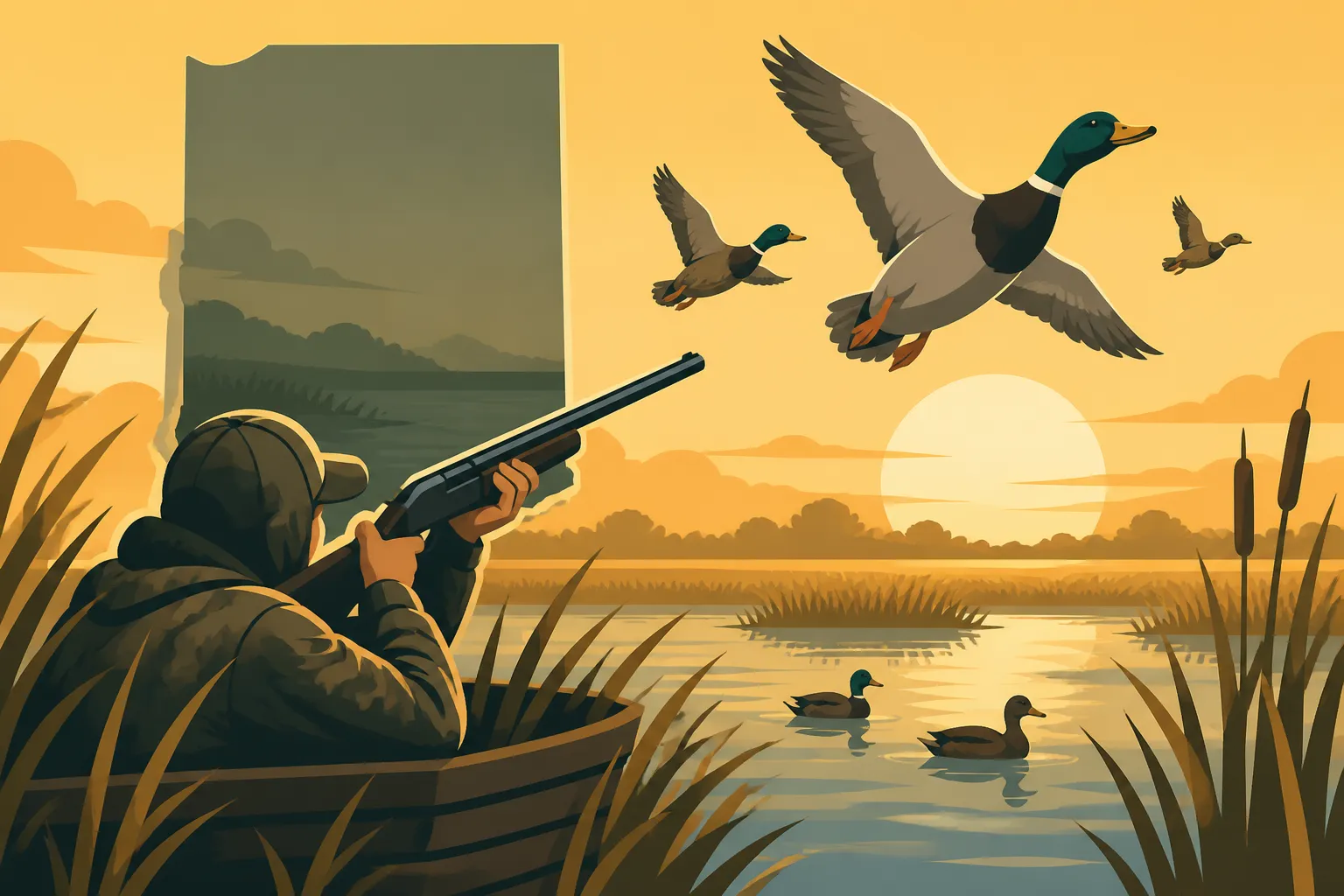
The Kankakee River Marshes in Indiana represent a storied, often challenging, but ultimately incredibly rewarding destination for waterfowl hunters. This vast and dynamic landscape, while a shadow of its historical "Grand Kankakee Marsh" glory, still offers some of the most diverse and exciting duck and goose hunting opportunities in the Hoosier State. If you've ever felt overwhelmed by the sheer size of the marsh, the dense cattails, or the ever-changing water levels, you're not alone. This comprehensive guide will equip you with the knowledge, strategies, and insights needed to navigate and successfully hunt the legendary Kankakee, transforming frustration into a fulfilling experience.
Understanding the Kankakee Marsh Ecosystem for Waterfowl
The Kankakee River system, particularly its marshlands in northern Indiana, is a truly unique environment. It’s a place steeped in history, where the ghosts of millions of migrating birds still seem to whisper through the reeds. To truly succeed here, you need to understand not just where the birds are, but why they are there – and that starts with the ecosystem itself.
Historical Context and Restoration Efforts
Once upon a time, the Kankakee River flowed through a massive, braided wetland system known as the "Grand Kankakee Marsh," covering nearly half a million acres. It was often called the "Everglades of the North," a waterfowl paradise that stretched across what is now northwestern Indiana and into Illinois. Millions of ducks, geese, and other migratory birds nested, fed, and rested here on their long journeys. Sadly, by the early 20th century, extensive drainage projects for agriculture had transformed most of this incredible natural wonder into farmland, straightening the river and destroying the vast majority of its wetlands. It was a massive undertaking that dramatically altered the landscape and, with it, the migration patterns of countless birds.
However, the story doesn't end there. Recognizing the ecological and recreational value of what remained, and fueled by conservation efforts, significant portions of the original marsh system have been acquired and restored, primarily through state Fish and Wildlife Areas (FWAs) like the Kankakee Fish and Wildlife Area, Jasper-Pulaski FWA, and Willow Slough FWA. These public lands are crucial for providing habitat and hunting access. While it's impossible to fully recreate the Grand Marsh, these ongoing restoration projects work tirelessly to bring back a semblance of that former glory, creating shallow water impoundments, moist soil units, and re-establishing native vegetation to support migrating waterfowl. These efforts are vital, and understanding them helps you appreciate why certain areas hold birds better than others.
Unique Habitat Features and Their Appeal to Birds
The Kankakee marshes today are a mosaic of diverse habitats, each offering something different to various waterfowl species. This isn't just one big cattail field; it's a complex blend of dense cattail stands, sprawling sedge meadows, shallow open-water impoundments, deeper sloughs, and even pockets of flooded timber along the river's various oxbows and tributaries. Around the edges, you'll also find agricultural fields – corn, soybeans, and wheat – which become critical feeding grounds, especially during colder weather.
This diversity is precisely what makes the Kankakee so appealing to such a wide array of birds. Dabbling ducks like mallards, pintails, and teal thrive in the shallow, vegetated areas where they can tip up to feed on emergent plants, seeds, and invertebrates. They'll seek out hidden pockets within the cattails for loafing and security. Diving ducks, on the other hand, such as canvasbacks, redheads, and scaup, prefer the deeper, more open water of the main sloughs and larger impoundments, where they can dive for submerged aquatic vegetation and mollusks. Wood ducks, especially in the early season, are drawn to the flooded timber and willow thickets, darting through the trees. The surrounding agricultural fields, often flooded after heavy rains or managed for waterfowl, provide crucial high-energy food sources like waste corn and soybeans, particularly when marsh food becomes scarce or freezes over. Knowing these preferences is key to setting up in the right spot for the birds you're targeting.
Key Waterfowl Species and Migration Patterns in the Kankakee
Understanding which birds you're likely to encounter and when they typically move through the Kankakee is paramount to planning a successful hunt. The marsh is a dynamic stage, with different actors appearing throughout the fall and winter seasons.
Ducks of the Kankakee: Divers, Dabblers, and Woodies
The Kankakee is a crossroads for a wide variety of duck species, primarily falling into two categories: dabblers and divers. Each has its own habits and preferred haunts.
Dabbling ducks are arguably the most common and sought-after in the Kankakee. This group includes the ubiquitous Mallard, with its unmistakable green head and loud quack, along with Pintails, Gadwalls, American Wigeon, and several species of Teal (Blue-winged, Green-winged, and Cinnamon, though the latter is rare). These birds feed by "dabbling" or "tipping up" in shallow water, grazing on seeds, aquatic plants, and invertebrates near the surface. They love the dense cattail sloughs, shallow moist soil units, and often venture out to feed in flooded corn or bean fields adjacent to the marsh. The earliest dabblers, especially Blue-winged Teal, arrive in late August and early September, offering a fantastic start to the season during the special early teal season. As the season progresses and cold fronts push down from the north, new waves of mallards, pintails, and green-winged teal flood into the marsh. For more insight into these movements, checking out information on Duck Migration Timing Through Indiana can be incredibly helpful.
Diving ducks, while perhaps not as numerous as dabblers, offer their own exciting challenges. Species like Canvasbacks, Redheads, Scaup (Greater and Lesser), and Ring-necked Ducks are found in the Kankakee, typically preferring deeper, more open water where they can dive for submerged vegetation and small invertebrates. You'll often find them congregating in the larger, deeper sloughs or managed impoundments. These hardy birds tend to arrive later in the migration, often peaking in mid to late season as colder weather pushes them south.
Wood Ducks are a special treat in the Kankakee, especially during the early season. Their vibrant plumage and agile flight through flooded timber and wooded creek bottoms make them a favorite. They are usually found in more secluded, wooded areas of the marsh, often near standing timber or dense willow thickets, seeking out acorns and insects. Their presence usually tapers off as colder weather causes flooded timber to freeze.
Here's a quick reference for common Kankakee duck species:
| Species | Type | Preferred Habitat | Diet | Common Hunting Season |
|---|---|---|---|---|
| Mallard | Dabbler | Shallow marshes, flooded fields, sloughs | Seeds, grains, aquatic plants, insects | Early to late season |
| Wood Duck | Dabbler | Flooded timber, wooded sloughs, creeks | Acorns, seeds, insects | Early season |
| Green-winged Teal | Dabbler | Shallow mudflats, moist soil units | Small seeds, invertebrates | Early season |
| Ring-necked Duck | Diver | Deeper open water, marsh edges | Aquatic plants, small mollusks | Mid to late season |
| Northern Pintail | Dabbler | Shallow open marshes, flooded fields | Seeds, waste grain, aquatic insects | Early to mid-season |
| Canvasback | Diver | Large, open water bodies, deep sloughs | Submerged aquatic vegetation (roots) | Mid to late season |
Geese and Other Migratory Birds
While ducks often steal the spotlight, the Kankakee is also a critical area for geese, particularly Canada Geese. You'll find a mix of resident Canada Geese that spend their entire lives in Indiana, as well as migrating flocks that begin arriving in force as the weather cools. These birds utilize both the open water of the marshes for roosting and security, and the surrounding agricultural fields for feeding on waste grains. Hunting geese in the Kankakee often involves scouting adjacent fields and setting up layout blinds, but opportunities can also arise in the marsh itself, especially if geese are feeding on emergent vegetation or loafing on open water. It’s important to understand the regulations surrounding Indiana Duck and Goose Bag Limits before you head out.
Less common, but still possible to encounter, are Snow Geese. These birds are typically more associated with wide-open agricultural fields during their massive migrations, but occasionally smaller flocks might drop into the Kankakee system. Hunters targeting them often require large decoy spreads and specific calling techniques. For those interested in early season opportunities, consider strategies for Early Goose Season Tactics in Indiana which can provide additional hunting days.
Beyond ducks and geese, the Kankakee is a haven for many other migratory birds. You'll often see Sandhill Cranes overhead, a magnificent sight, though they are a protected species and cannot be hunted. Coots and various rail species are also common inhabitants of the dense marsh vegetation. While not primary targets, their presence indicates a healthy wetland ecosystem and can provide an exciting backdrop to your hunt. Remember that even though you might see a great many waterfowl, it’s crucial to respect the regulations and know what species are legal to hunt.
Essential Gear and Equipment for Marsh Hunting
Hunting the Kankakee Marsh is not like hunting a small farm pond. Its vastness, dense vegetation, and sometimes unpredictable water levels demand specific gear. Being properly equipped isn't just about comfort; it's about safety, efficiency, and ultimately, success.
Watercraft and Transportation
Navigating the Kankakee's labyrinthine waterways and dense vegetation is a primary challenge. You absolutely need the right watercraft, and what's "right" depends heavily on the specific area you plan to hunt and the conditions.
For shallow, vegetated areas and pushing through cattails, a good canoe or a kayak can be incredibly effective. They are lightweight, quiet, and can be easily propelled with a paddle or, more commonly in the marsh, a push pole. A push pole is an absolute must-have for shallow, muddy bottoms and thick vegetation where an outboard motor would get hopelessly tangled or stuck. A traditional duck skiff, often a flat-bottomed jon boat with a small outboard motor (or even just a trolling motor), offers more cargo capacity for decoys and gear, and can cover open water quicker. However, even jon boats can get stuck in the thickest cattail stands or over shallow mudflats. Layout boats are designed for hunting open water, allowing you to hide flush with the water line among a large decoy spread, but they aren't practical for penetrating deep into the marsh. Regardless of your choice, ensuring your vessel is stable and can handle a load of gear and a dog is critical. Exploring options for Marsh Boats and Push Poles can provide more detailed insights into selecting the right craft.
Decoys, Blinds, and Calls
Your decoy spread is your invitation to passing birds, and in the Kankakee, versatility is key. For dabblers in shallow, vegetated sloughs, a relatively small spread of 1-2 dozen Mallard, Pintail, and Green-winged Teal decoys is often sufficient. Consider adding a few motion decoys like spinners or jerk cords to create movement and mimic active feeding birds. For hunting larger, more open water for divers, you'll need a bigger spread, perhaps 3-5 dozen, primarily diver decoys (Canvasbacks, Scaup, Ring-necks) often set in a "J" or "fishhook" pattern to guide birds into your landing zone. Understanding Decoy Spreads for Kankakee Divers is essential for drawing in these fast-flying birds. For geese, especially if you're hunting adjacent fields, full-body goose decoys are highly effective.
Blinds in the Kankakee often involve utilizing the natural cover. Thick cattail stands are excellent for tucking in your boat or setting up a ground blind. Portable boat blinds or simple camouflage netting draped over natural vegetation can also work wonders. For hunting field edges, a well-brushed-in layout blind is almost a necessity to disappear into the stubble. The key is to be completely concealed, as waterfowl have incredible eyesight.
Calling is an art form, and effective calling can make or break a hunt. You'll want a good repertoire of duck calls (mallard hen, pintail whistle, teal call) and goose calls (Canada goose honker and clucker). Learning when and how to call – soft clucks and feeding chuckles for working birds, loud greeting calls for high flyers – is paramount. Sometimes, less is more, especially on pressured birds. Practice is crucial to developing realistic and effective calls.
Waders, Clothing, and Safety Gear
The Kankakee is wet, often muddy, and can get incredibly cold. Good chest waders are non-negotiable. Opt for insulated waders for late-season hunts and breathable, uninsulated ones for early season (you can layer underneath). Make sure they are durable and puncture-resistant, as you’ll be pushing through sharp vegetation. For more specific advice, check out Waders for Cattail Marsh Hunting.
Layering is critical for Indiana's unpredictable weather. Start with moisture-wicking base layers, add insulating mid-layers (fleece or wool are excellent), and top it with a waterproof and windproof outer shell in a suitable camouflage pattern. Don't forget waterproof gloves, a warm hat, and insulated, waterproof boots. You'll often be walking or standing in water for extended periods, so warm feet are essential. While hunting, remember that Blaze Orange Requirements for Archery Hunters (or rather, for all firearms hunters) are important when walking to and from your blind on public land during deer season, even if it's not strictly required while in your blind for waterfowl. Always check current regulations.
Safety in the marsh cannot be overstated. A Personal Flotation Device (PFD) is a must, especially when navigating by boat or wading in unfamiliar depths. Always let someone know where you are going and when you expect to return. Carry a waterproof flashlight or headlamp, a first-aid kit, and reliable navigation tools. A GPS unit or a robust hunting app like GoHunt on your phone can be a lifesaver for finding your way through dense, identical-looking cattails, especially in the dark before dawn or after sunset. Hypothermia is a real danger in cold, wet conditions, so be prepared to get wet and have dry clothes available.
Accessing and Navigating the Kankakee Public Lands
The Kankakee River system offers extensive public hunting opportunities, primarily through the Indiana Department of Natural Resources (DNR) Fish and Wildlife Areas (FWAs). However, accessing and navigating these areas requires specific knowledge of rules, draw systems, and the landscape itself.
Understanding FWA Rules and Draw Systems
The primary public hunting grounds in the Kankakee region are the Kankakee Fish and Wildlife Area, Jasper-Pulaski Fish and Wildlife Area, and Willow Slough Fish and Wildlife Area. Each of these FWAs is managed with specific regulations designed to distribute hunting pressure and provide quality experiences. It’s absolutely vital to visit the Indiana DNR website or call the property office for the specific FWA you plan to hunt before you go. Rules can change, and each property might have unique requirements.
Many of these FWAs utilize a draw system, especially for prime waterfowl hunting dates or specific blinds. This means you might need to register for a blind draw, sometimes days or even hours in advance. For example, some FWAs in northern Indiana might have a daily draw where hunters must be present to be assigned a hunting unit or blind. Other managed hunts might require pre-registration and a permit drawing well before the season. Understanding processes like the Tri-County FWA Duck Blind Draws can give you a good idea of what to expect at similar properties, even if the specifics vary for Kankakee FWA itself. This system, while sometimes inconvenient, helps manage Hunting Pressure on Indiana Public Land and ensures a fairer distribution of prime spots. Always remember to sign in and out at the designated check stations, even if it's just a self-service kiosk. Failure to follow sign-in procedures can result in fines and loss of hunting privileges.
Mapping and Navigation Challenges
The Kankakee Marsh is expansive, disorienting, and can feel like a maze, especially in the pre-dawn darkness. Relying solely on your memory or a general sense of direction is a recipe for getting lost. Detailed mapping and navigation tools are absolutely essential. Start with the official Indiana DNR maps for the specific FWA you intend to hunt. These maps often highlight key features, access points, and sometimes even marked channels or impoundments.
However, supplement these with satellite imagery. Platforms like Google Maps or, even better, a dedicated hunting app like GoHunt, provide invaluable aerial views. You can scout potential hunting spots, identify hidden sloughs, distinguish dense cattails from open water, and mark your access routes and blind locations with GPS waypoints. Pay close attention to subtle changes in vegetation, water depth, and potential flyways. This virtual scouting is critical for success in a landscape where every turn looks the same from ground level.
Once on the water or wading through the marsh, a reliable GPS unit or the GoHunt app on your smartphone with downloaded offline maps is your best friend. Navigating dense cattails, hidden channels, and unmarked sloughs in low light or fog can be incredibly challenging. Marking your entry point, your intended blind location, and any hazards can save you hours of frustration and potential danger. Remember that cell service can be spotty in remote areas of the marsh, so ensure your maps are downloaded for offline use. Learning how to effectively utilize these tools is part of Reading a Kankakee Marsh for a Morning Flight and planning your approach.
Effective Hunting Tactics and Decoy Strategies
Hunting the Kankakee Marsh successfully means adapting your tactics to the diverse habitats and the behavior of the birds. There's no one-size-fits-all approach; versatility and observation are your greatest assets.
Setting Up for Success in Diverse Kankakee Habitats
The Kankakee offers a variety of habitat types, and each demands a slightly different setup.
Shallow Sloughs and Cattail Pockets: These are prime areas for dabbling ducks like mallards, pintails, and teal. In these spots, less can often be more with decoys. A small, natural-looking spread of 1-2 dozen dabbler decoys, including a few pintails for visibility, often works best. Position your decoys in a way that leaves an inviting landing zone directly in front of your blind. Blend into the cattails by using natural vegetation to brush in your boat or ground blind. Focus on subtle calling – soft quacks and feeding chuckles – to entice birds already in the vicinity. Look for fresh feeding sign, like overturned vegetation or tracks, as indicators of where to set up.
Open Water Impoundments and Deeper Sloughs: These areas are more attractive to diving ducks and larger concentrations of dabblers or geese, especially if food is present. Here, you can deploy larger spreads. For divers, consider a "J" or "fishhook" pattern with 3-5 dozen diver decoys (Ring-necks, Scaup, Canvasbacks) leading into your shooting hole. For dabblers on open water, a large "U" or "V" shape can be effective. Boat blinds or well-camouflaged island blinds work best. Loud, attention-grabbing calls might be needed for high-flying birds, transitioning to softer calls as they approach. Diving ducks often don't circle much; they commit and come straight in, so be ready. For more on this, check out Decoy Spreads for Kankakee Divers.
Flooded Timber and Willow Thickets: Early season wood duck hunting shines here. These areas require an even more minimalist approach. Often, just a few wood duck decoys or even none at all are sufficient. Jump-shooting is a common tactic, slowly paddling or wading through the timber to flush birds. Setting up against a large tree with good concealment and waiting for birds to pitch in can also be effective. Calling is typically light, using wood duck squeals and whistles. These spots are often best hunted at first light when woodies are most active.
Field Edges: If the marsh is adjacent to harvested corn or soybean fields, especially if they are wet or flooded, these can be dynamite for mallards and Canada geese. A layout blind brushed into the stubble, combined with full-body goose and mallard decoys, can be incredibly effective. The key is to be completely invisible against the field. Scouting these fields for fresh bird activity is crucial before setting up.
Calling Techniques and Situational Awareness
Becoming a proficient caller involves more than just making noise; it’s about understanding what the birds are doing and responding appropriately.
Reading Bird Behavior: Watch the birds. Are they coming straight to your spread? Are they circling high? Are they veering off at a certain point? Their behavior should dictate your calling. For distant birds, a loud greeting call or a series of rapid quacks might get their attention. As they turn and head your way, switch to softer, more contented calling – feeding chuckles, soft quacks, or even just a few contented murmurs. If they seem hesitant, backing off the call or even going silent can sometimes be the trick, making your spread seem more natural and unpressured. If they are about to land, a few soft quacks or the feeding chuckle can seal the deal.
Types of Calls: Master a few key calls for the species you target most often. For mallards, a good "quack" (the basic hen call), a "greeting call" (a longer series of quacks), and the "comeback call" (a faster, more insistent series of quacks) are essential. Don't forget the "feeding chuckle" for ducks that are almost committed. For geese, a deep "honk" and a shorter "cluck" are crucial. Consider adding a pintail whistle or teal calls to your lanyard. Remember that less-pressured birds might respond more readily to aggressive calling, but heavily hunted Kankakee birds often react better to subtle, realistic calling. Pay attention to the overall duck migration timing for Indiana, as new birds often behave differently from resident birds.
Retrieving Game and Ethical Hunting
A responsible waterfowl hunter understands that the shot is only half the battle. Retrieving downed birds efficiently and ethically is paramount.
The Importance of a Good Retriever: A well-trained duck dog is an invaluable asset in the Kankakee. The dense cattails, deep muck, and cold water make hand-retrievals incredibly difficult and sometimes dangerous. A dog can locate birds quickly, reducing the chance of lost game and preventing cripples from escaping into thick cover. If you don't have a dog, be prepared for tough retrieves. Mark exactly where each bird falls, paying attention to landmarks, and have a clear retrieval plan with your hunting partners.
Safe and Efficient Retrieval: When a bird goes down in open water, get to it as quickly as possible, especially if it's only crippled. A crippled bird can dive and swim an astonishing distance. In thick cover, mark the spot from multiple angles. When retrieving, always keep your firearm unloaded and pointed in a safe direction. Always be mindful of your surroundings – deep mud, hidden channels, and sharp vegetation can pose hazards. The goal is to ensure every bird you shoot is recovered quickly and humanely. Ethical hunting means minimizing waste and respecting the game you pursue. Always abide by legal shooting hours, ensuring you only shoot at birds that are clearly identifiable and within range.
Scouting and Reading the Marsh for Success
While hunting the Kankakee can be exhilarating, simply showing up on opening day without prior knowledge is often a recipe for frustration. The marsh is a dynamic environment, constantly changing with water levels, vegetation growth, and bird movements. Effective scouting is the foundation of consistent success.
Pre-Season and In-Season Scouting
Scouting the Kankakee starts long before the season opener, and continues throughout the fall. Pre-season scouting in late summer or early fall is crucial. This is when water levels might be lower, allowing you to walk into areas that will be inaccessible once flooded. Use aerial maps and apps like GoHunt to identify potential flyways – the paths birds take from roosting to feeding areas – and pinpoint specific features like hidden pockets within the cattails, open water holes, flooded timber, or areas where preferred food sources like smartweed or wild rice are abundant. Look for existing game trails or subtle changes in vegetation that indicate deer or other wildlife movement, which can sometimes correspond to duck travel. Consider Scouting Indiana Public Land Before Season as a comprehensive approach to getting to know your hunting area.
Once the season begins, in-season scouting becomes a continuous process. You need to adapt to current conditions. If you hunt in the morning, spend the afternoon driving around the perimeter of the marsh, glassing fields and open water with binoculars or a spotting scope. Observe where birds are feeding, where they are loafing, and how they are flying. Pay attention to changes in water levels – a slight rise can flood new feeding areas, while a drop can expose mudflats that attract teal and shorebirds. Look for fresh droppings or tracks. A cold front pushing down from the north can bring in fresh waves of migratory birds, completely changing the dynamics of the marsh overnight. What was a hot spot yesterday might be barren today if the birds have moved on.
Understanding Weather and Water Level Impacts
Weather and water levels are arguably the two most critical factors influencing waterfowl behavior in the Kankakee. You simply cannot ignore them.
Cold Fronts: These are often a waterfowl hunter's best friend. A strong cold front typically brings northerly winds and dropping temperatures, pushing new flights of birds down the Mississippi Flyway into Indiana. Following a cold front, birds are often more active, feeding heavily to fuel their migration. This is when the Kankakee can really come alive. However, prolonged extreme cold can freeze over shallow water, pushing birds to deeper, still-open water or out of the marsh entirely to agricultural fields.
Wind: Wind direction and speed are absolutely critical for decoy spreads and bird approach. Ducks and geese almost always land and take off into the wind. This means you need to set your decoys so that the prime landing zone is downwind from your blind. A strong wind can also churn up the water, making decoys appear more lifelike, but it can also make boat navigation challenging and make birds fly lower and faster. A lack of wind (a dead calm day) can make birds shy and decoy-wary, making your spread look static.
Rain and Snow: Precipitation can affect bird visibility and movement. Light rain can often improve hunting, making birds move more and providing natural cover for hunters. Heavy rain can quickly raise water levels, opening new areas or making existing ones too deep for dabblers. Snow, especially when fresh, can increase bird activity as they seek food before everything freezes over. However, whiteout conditions can make hunting dangerous and reduce visibility for both birds and hunters.
Water Levels: The Kankakee River and its associated marshes are highly susceptible to changes in water levels, often fluctuating with rainfall or snowmelt. Slightly lower water levels can expose mudflats, creating excellent feeding opportunities for pintails and teal. Higher water levels can flood new timber, attracting wood ducks, or cover traditional feeding areas, pushing dabblers elsewhere. Always check the river gauges if available, or observe the water levels at access points. A great hunting spot one week might be too shallow or too deep the next. An app like GoHunt can sometimes provide historical water level data or integrate with local gauges, giving you an edge in predicting conditions.
Challenges and Overcoming Them in the Kankakee
Hunting the Kankakee, for all its potential, comes with its own set of unique challenges. Being aware of these obstacles and having strategies to overcome them can significantly improve your experience and success.
Navigating Pressure and Crowds
The Kankakee Marsh system, being a well-known public hunting area, can attract significant hunting pressure, especially on weekends and during prime migration periods. This pressure can make birds wary and change their patterns, pushing them into less accessible areas or making them decoy-shy. It’s a common frustration many hunters face when trying to find undisturbed ground.
To counter this, a primary strategy is to go where others won't. This often means walking or paddling farther away from established access points, boat ramps, or easily visible areas. While many hunters stick to the periphery, those willing to put in the extra effort to penetrate deeper into the cattail labyrinth often find less pressured birds. Using your GoHunt app to identify potential spots that are a significant distance from any road or access point can be a game-changer. Consider hunting during mid-week instead of crowded weekends if your schedule allows. Birds often get a break during the week and can become more responsive.
Another tactic is to scout for less obvious spots. Instead of focusing on the largest, most visible impoundments, look for small, secluded pockets of open water, narrow sloughs that connect larger bodies of water, or even patches of flooded smartweed hidden deep within the marsh. These smaller, out-of-the-way locations can serve as quiet sanctuaries for ducks seeking refuge from larger, more boisterous spreads. Sometimes, setting up on an obscure edge or funnel can put you in a flight path that other hunters overlook.
Unpredictable Weather and Changing Conditions
Indiana weather is notoriously fickle, and the Kankakee Marsh amplifies these fluctuations. Hunters must be prepared for everything from warm, sunny days to freezing rain, heavy snow, and dense fog, sometimes all within a single hunt.
Fog is a common and particularly challenging condition in the marsh, especially during early morning hunts. It can reduce visibility to mere yards, making navigation hazardous and shooting impossible. If fog rolls in, prioritize safety: anchor your boat, remain calm, and wait for it to lift. Do not attempt to navigate in thick fog, as disorientation is a real risk. You might consider checking out a general guide on Cold-Weather Sitting Strategy in Indiana which, while focused on deer, offers good universal advice on staying warm and prepared for unpredictable temperatures.
Freezing conditions present multiple obstacles. Ice can quickly form on shallow water, making decoy spreads ineffective or inaccessible. It can also make wading dangerous. If thin ice forms, you might need to find deeper, still-open water or consider hunting adjacent fields if birds are pushed out of the marsh. Keeping decoys ice-free can be a constant battle; some hunters use ice-eaters or simply chip ice off manually. Dress in layers, prioritizing warmth and waterproofing, as getting wet in freezing temperatures can lead to hypothermia. For specific advice on staying warm, consider general layering strategies, such as those discussed for Layering for an Indiana Deer Stand, which are broadly applicable to any cold-weather hunting.
Rapid water level changes due to heavy rainfall or extended dry spells are another constant. A spot that was perfect last week might be too shallow to float a boat or too deep for dabblers this week. This emphasizes the need for continuous scouting and adaptability. Don't be afraid to pull up stakes and move if the conditions at your initial spot aren't right. Flexibility is key to success in the Kankakee.
Regulations, Permits, and Safety Considerations
Hunting waterfowl in the Kankakee, like anywhere else, requires strict adherence to federal and state regulations. Beyond the rules, maintaining a strong focus on safety is non-negotiable in this challenging environment.
Federal and State Waterfowl Regulations
Before you even consider setting foot in the Kankakee Marsh, you need to ensure you are fully compliant with all licensing and permit requirements. This is not optional, and conservation officers patrol these areas frequently.
First and foremost, you must possess a valid Indiana hunting license. In addition to the state license, every waterfowl hunter 16 years of age or older must purchase a Federal Duck Stamp. This stamp must be signed across its face and carried with you while hunting. Furthermore, Indiana requires all migratory bird hunters (including waterfowl) to obtain an Indiana Migratory Bird Stamp and be HIP (Harvest Information Program) certified. HIP certification is a simple, free process that helps the U.S. Fish and Wildlife Service gather harvest data crucial for managing migratory bird populations. Information on the Indiana Federal Duck Stamp Requirement can guide you further.
Regarding equipment, shotguns used for waterfowl hunting must be plugged to limit their capacity to no more than three shells (one in the chamber, two in the magazine). This is a federal requirement. Also, the use of non-toxic shot is mandatory for all waterfowl hunting nationwide, including in the Kankakee. Lead shot is strictly prohibited for waterfowl. Ensure your ammunition is steel, bismuth, or another approved non-toxic alternative.
Finally, always be acutely aware of bag limits and shooting hours. Bag limits for ducks and geese vary by species and are set annually by both federal and state agencies. These limits are subject to change, so always check the current Indiana DNR hunting guide for the latest information. Shooting hours for migratory birds typically begin 30 minutes before sunrise and end at sunset, but again, confirm precise times with the official regulations. For detailed information, consult the Indiana Duck and Goose Bag Limits page.
Essential Safety Practices in the Marsh
The Kankakee Marsh, while beautiful, can be a dangerous place if safety isn't your top priority. The challenging terrain, water, and weather demand extra vigilance.
The Buddy System: Never hunt alone in the Kankakee. Always hunt with at least one partner. In case of an emergency – a fall into deep water, a medical issue, or a boat breakdown – having someone else with you can be life-saving. Before you even leave home, tell a trusted contact your exact hunting location, your planned route, and your expected return time. This is critical for search and rescue efforts if something goes wrong.
Personal Flotation Devices (PFDs): Even in seemingly shallow water, a PFD is essential when in a boat or even wading in unknown depths. The Kankakee bottom can be soft and unpredictable, with sudden drop-offs or deep mud that can trap you. If you fall in cold water, a PFD can keep you afloat and greatly increase your chances of survival against hypothermia. Wearing a PFD can also prevent drowning if you become disoriented or injured.
Hypothermia Awareness: This is perhaps the biggest silent killer in cold-weather waterfowl hunting. Getting wet, especially in cold temperatures, can quickly lead to hypothermia, a dangerous drop in core body temperature. Always dress in layers, and have extra dry clothing in a waterproof bag. If you or a hunting partner start shivering uncontrollably, become disoriented, or show signs of slurred speech, seek warmth immediately. Carry emergency supplies like waterproof matches, fire starters, and a small survival blanket.
Firearms Safety: The basic rules of firearms safety are even more critical in the confined spaces of a boat or a cramped blind. Always keep the muzzle pointed in a safe direction, treat every firearm as if it's loaded, keep your finger off the trigger until ready to shoot, and be absolutely certain of your target and what's beyond it. Unload your firearm when moving through dense cover or when getting in and out of a boat. Be particularly careful during low-light conditions at legal shooting hours.
By understanding and respecting the Kankakee's unique challenges, adhering to all regulations, and prioritizing safety, you can ensure a memorable and responsible waterfowl hunting experience in one of Indiana's most iconic hunting landscapes.
Disclaimer
Always check the latest Indiana Department of Natural Resources (DNR) regulations and local property rules before hunting, as laws and conditions can change. This guide is for informational purposes only and does not supersede official hunting regulations.