Ground Blind Anchoring in Wind
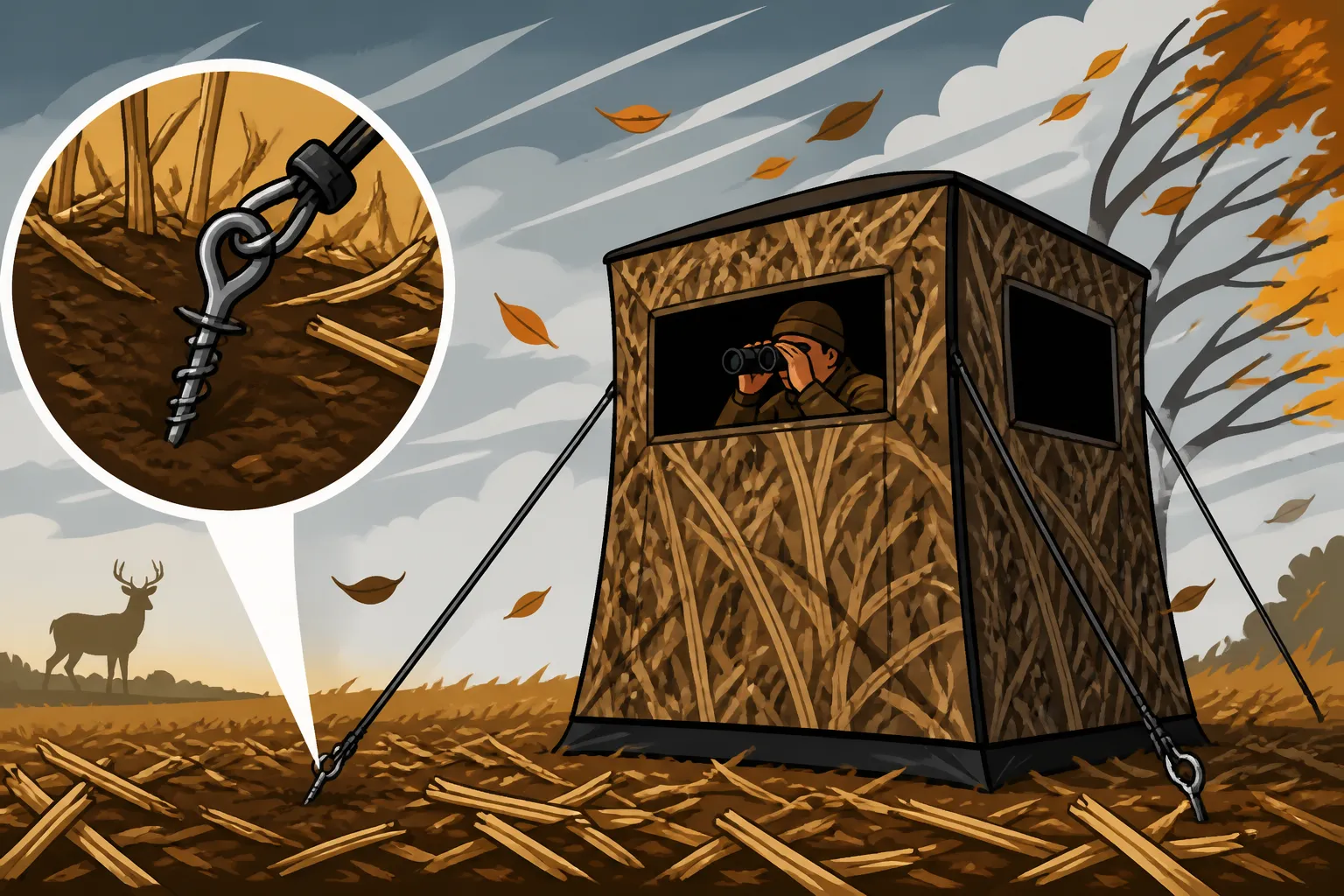
There’s nothing quite like spending time in an Indiana deer blind, nestled into a field edge or tucked against a fencerow, waiting for the magic to happen. But that perfect morning can turn frustrating in a hurry if the wind picks up, sending your ground blind into a noisy, flapping frenzy or, even worse, tumbling across the landscape. This guide will walk you through the real-world challenges of ground blind anchoring in our unpredictable Hoosier winds and provide proven strategies and essential gear to keep your setup solid, silent, and effective, no matter what Mother Nature throws your way.
Why Ground Blind Anchoring Matters Beyond Just Wind
It’s easy to think of anchoring as merely a safeguard against your blind blowing away, but the reality on the ground is much more nuanced. Proper anchoring impacts everything from your concealment to your comfort, making it a critical component of a successful hunt.
The Frustration of a Flapping Blind
We’ve all been there: you're settled in, maybe just before legal shooting light, and a gust of wind whips through, making your blind material crack and pop like a flag in a hurricane. Not only is this racket irritating for you, but it’s an absolute deer deterrent. Whitetails are incredibly attuned to sounds, especially unnatural ones, and a flapping blind screams "human presence" to every animal within earshot. That subtle movement from the material catching the wind can also betray your position. You might think it’s minor, but deer are masters of detecting even the slightest anomaly in their environment.
Imagine you've been sitting patiently for hours, and then that slight breeze turns into a steady wind. Your carefully placed brush-in job starts to shift, and the blind itself becomes a distraction. You spend more time subconsciously bracing against the noise or worrying if your setup is compromised than you do focusing on the hunt. This distraction takes away from the immersive experience and can make you miss that subtle flick of an ear or movement in the distant timber.
Maintaining Concealment and Comfort
A securely anchored blind doesn't just stay put; it looks better and feels better. When your blind is taut and stable, it blends into the landscape more naturally. There are no loose sections of fabric catching the light or billowing in a way that just doesn't quite match the surrounding vegetation. Think of it like a perfectly brushed-in blind: the more integrated and still it appears, the less likely it is to be perceived as a threat.
Beyond appearances, a loose blind can be a major source of discomfort. Those persistent gusts of wind that cause flapping often find their way through small gaps and under loose fabric, creating cold drafts that can chill you to the bone. This is especially true during Indiana's cooler late-season hunts when you're already fighting to stay warm. A blind that’s sealed tight to the ground and secured at every point helps create a much more comfortable microclimate inside, allowing you to focus on the hunt rather than shivering. Plus, having confidence that your blind isn't going anywhere lets you relax and truly become part of the environment, a crucial mental state for any hunter.
Protecting Your Investment
Let’s be honest, ground blinds aren't cheap. From pop-up hubs to more elaborate designs, they represent a significant investment in your hunting gear. Strong winds can wreak havoc on flimsy materials and weak connection points. We're talking bent poles, ripped fabric, and even completely shattered hubs if the wind catches it just right and sends it tumbling. Replacing a damaged blind, or even just individual components, is an expense no one wants to incur, especially if it could have been prevented with proper anchoring.
Think about the effort involved in setting up your blind, getting it brushed in just right, and maybe even leaving it for a few days to let the deer get used to it. To come back and find it mangled or, worse, completely gone due to inadequate anchoring is a real gut punch. Taking the time to properly secure your blind is an act of responsible gear management, ensuring its longevity and protecting your hard-earned dollars. It’s also about peace of mind, knowing that your setup will be exactly where you left it, ready for your next hunt.
Essential Anchoring Gear for Indiana Winds
When it comes to keeping your blind firmly planted, you can't rely on just any old thing you find lying around. Indiana's weather can be notoriously fickle, and its terrain varies wildly from the soft, loamy soils of northern farmlands to the rocky, hard-packed ground of the southern hills. Having the right tools for the job is paramount.
Heavy-Duty Stakes – Beyond the Factory Set
One of the biggest mistakes hunters make is trusting the flimsy stakes that often come included with a new ground blind. These factory-issued tent stakes are typically thin, short, and made of lightweight aluminum or plastic – barely sufficient for a camping tent on a calm night, let alone a hunting blind battling a stiff Indiana gale. They bend, pull out, or snap under pressure, rendering your anchoring efforts useless.
Instead, you need to upgrade to heavy-duty aftermarket stakes. For softer soils, consider screw-in stakes that twist deep into the ground, offering excellent holding power. They're fantastic for anchoring in places like freshly tilled fields or along creek bottoms where the soil can be quite yielding. Then there are the robust rebar stakes, which are incredibly durable and can be driven into tougher ground with a mallet. These are often made of thick steel and can withstand significant force. Heavy-duty plastic stakes, while not as indestructible as rebar, are often longer and have a wider, more aggressive profile than their factory counterparts, making them a good intermediate option. The key is to look for length – at least 10-12 inches – and a strong material that won't easily bend or break when driven into our diverse Hoosier soils.
Tie-Down Ropes and Straps
Stakes are only as good as what they're connected to, and that's where high-quality tie-down ropes or straps come into play. Many blinds come with thin, stretchy cordage that offers minimal security. Under continuous wind stress, these can stretch, fray, or simply detach.
A good length of paracord or, even better, cam-buckle straps are excellent choices. Paracord is versatile, strong, and can be tied off to various anchor points on your blind and stakes. The trick with paracord is learning a few reliable knots that won't slip under tension. Cam-buckle straps, on the other hand, provide quick, secure tensioning and are often easier to adjust. They also typically have a broader surface area than rope, which can reduce strain on the blind's fabric loops. No matter your choice, ensure the attachment points on your blind itself are reinforced. Some blinds have dedicated D-rings or reinforced loops, while others might require you to be creative, perhaps looping around a hub pole if the fabric isn't up to snuff. Products featured on platforms like GoHunt often include user reviews or expert recommendations for robust tie-down systems that hold up to real-world hunting conditions, which can be a huge help when upgrading your gear.
Weighting Options for Added Stability
While stakes and tie-downs provide the primary hold, adding weight to the interior of your blind offers an extra layer of stability, especially when facing strong, sustained winds or if you're leaving your blind set up for an extended period. Think of it as supplemental anchoring.
Sandbags are a fantastic option, easily filled with dirt or sand once you reach your setup location. You can place these in each corner of the blind, or even along the interior base walls, to keep the fabric pressed to the ground. If sand isn't readily available, heavy rocks, cinder blocks, or even sections of logs can serve a similar purpose. For day hunts, simply placing your heavy hunting pack, a cooler, or other gear inside can add enough ballast to make a noticeable difference. This internal weighting prevents the blind from lifting off the ground and acts as a counterforce to the wind's pushing and pulling. It's especially effective in preventing the blind from "walking" or shifting subtly over time. While not a substitute for proper staking, these weighting options create a more robust, immovable structure, giving you more confidence that your setup will endure even the nastiest of Indiana squalls.
Anchoring Techniques for Different Indiana Terrain
Indiana's landscape is a patchwork of diverse environments, and what works perfectly to anchor a blind in one spot might be completely inadequate in another. Tailoring your anchoring technique to the specific terrain you're hunting is crucial for success and frustration-free hunting.
Soft Ground and Soil (Farmland Edges, River Bottoms)
If you're hunting the fertile farmland edges of northern Indiana or the rich, loamy river bottoms, you'll encounter soil that's often soft, sometimes even sandy. This ground can be a blessing for stealthy footsteps, but a curse for anchoring. Factory stakes will pull right out with ease, leaving your blind vulnerable. For these conditions, you need strategies that get a deep, wide grip.
Deep-driving screw-in stakes are your best friend here. These stakes thread into the earth like a corkscrew, offering significantly more resistance to pull-out than straight stakes. Drive them in at an angle, away from the blind, to maximize their holding power. If you don't have screw-in stakes or encounter exceptionally soft, almost marshy ground, consider a "deadman" anchor. This involves digging a small trench, laying a sturdy stick or small log sideways in it, tying your guy line to the middle of the stick, and then burying it deep. The stick then acts as a horizontal anchor that the soft soil can't easily dislodge. When you're Hunting a Standing Soybean Field or deep in the Hunting Wabash River Backwater Sloughs, multiple stakes per guy line can also distribute the load and provide extra security. Think about using two or even three stakes in a triangular pattern for each primary tie-down point on your blind. This spreads the pressure and makes it much harder for the wind to work them loose.
Rocky or Hard-Packed Ground (Southern Indiana Hill Country)
Head south to the rolling hills and you'll often find a completely different challenge: hard-packed clay, rocky soil, or even solid shale just beneath a thin layer of topsoil. Trying to drive a flimsy stake here is an exercise in futility, often resulting in bent stakes or bruised hands.
This is where heavy-duty rebar stakes truly shine. Their sharpened points and robust steel construction allow them to penetrate hard ground where other stakes would simply buckle. You'll definitely want a small mallet or hammer to drive them in. For areas with particularly stubborn rocks or shale, sometimes you can't drive a stake at all. In these situations, look for natural anchor points. Secure your guy lines to sturdy, immovable rocks, thick tree roots, or even small trees or saplings (ensure you're not damaging them and it's permitted on public land). You might need to use longer sections of rope to reach these anchor points, but the stability they offer is unmatched. Using heavy rocks to simply weigh down the skirt of your blind, in addition to staking what you can, can also help keep it from lifting in a strong gust. When you're trying to set up in the thick cover of the Reading a Ridge for Hoosier Forest Deer, anchoring to those substantial oak trees can be the most reliable method. Many hunters consult resources like GoHunt, which often highlight specific gear and tactics effective for anchoring in challenging terrains, offering insights tailored to different ground conditions you might encounter across the state.
Integrating Natural Cover for Stability
Beyond just the ground itself, the surrounding environment can play a huge role in stabilizing your blind. Proper placement and brushing in can turn a potential wind sail into a well-protected hideaway.
Firstly, consider the prevailing wind direction when you set up your blind. If you can place the blind with its back facing into the most common wind, you reduce the surface area directly exposed to the brunt of the gusts. This simple placement can significantly lessen the strain on your anchoring points. Next, don't underestimate the power of brushing in your blind. This isn't just for concealment; it acts as a windbreak. Piling branches, logs, and other natural debris around the exterior of your blind adds substantial weight and creates a barrier that deflects much of the wind's force. When you’re Brushing In a Blind on a Field Edge, try to integrate it into the thickest part of the fencerow or tree line to gain maximum protection.
Placing your blind against a large downed log, a thick cedar tree, or a dense thicket can also provide invaluable natural protection. These features break up the wind and create a calmer eddy around your blind. For instance, if you're hunting a funnel between two woodlots and there's a large, fallen oak, setting your blind on the leeward side can drastically reduce wind impact. This kind of thoughtful integration with the natural surroundings not only helps conceal you better but also makes your blind much more resistant to the forces of a blustery Indiana day.
Best Practices for Setting Up a Wind-Resistant Blind
Anchoring a ground blind isn't just about having the right stakes; it's a holistic process that starts long before you even unpack your blind in the field. Thoughtful planning, a systematic setup, and ongoing attention are what truly make the difference between a secure hide and a wind-whipped mess.
Pre-Season Scouting and Placement
The first step to a wind-resistant blind setup happens well before opening day. Scouting Indiana Public Land Before Season is invaluable for this. Pay close attention to the topography and natural features of your chosen hunting area. Are there natural windbreaks like dense pine thickets, ridge lines, or deep ravines? Observe the way the wind typically moves through the area. You can often tell by how trees are leaning or where debris collects.
When you've identified a promising spot, visualize how a blind would sit there. Can you place it with its back to the prevailing wind? Is there a thick fencerow, a stand of evergreens, or a large cluster of brush that can help shield it? Placing your blind in a location that naturally minimizes direct wind exposure is always easier than trying to overcome relentless gusts with brute-force anchoring. Practicing your blind setup at home or in the backyard can also help you identify any weak points in your blind's design or in your chosen anchoring method before you're out in the field in low light or cold weather. Knowing your blind inside and out will save you headaches when it counts.
Step-by-Step Anchoring Process
Once you’re in your chosen spot, a systematic approach to setup is key. Don't just pop the blind open and throw a couple of stakes in haphazardly.
- Erect the Blind: Carefully set up your blind according to the manufacturer's instructions. Ensure all hub poles are fully extended and locked into place. Make sure the fabric is stretched tautly across the frame. A loose frame will make for a loose blind, no matter how well you stake it.
- Secure Corners First: Start by thoroughly staking down each corner of the blind. Use heavy-duty stakes and drive them in deeply, ideally at an angle that pulls away from the blind. This angle increases the resistance to upward lift. If your blind has fabric skirts around the base, tuck them inward and place a stake through them if possible, or use rocks and dirt to weigh them down.
- Add Guy Lines and Additional Stakes: Most quality blinds will have loops or grommets higher up on the side walls for guy lines. These are crucial for stability against lateral wind forces. Attach sturdy ropes or straps to these points and stake them out at a generous distance from the blind, again at an angle. The wider the base of your guy line setup, the more stable your blind will be. For very windy conditions, don't hesitate to add extra stakes along the bottom edges between the corners. Resources like GoHunt often highlight specific accessory kits or methods hunters use for extreme weather, which can be useful.
- Double-Check Everything: Before you leave the blind, walk around it and physically test each stake and tie-down. Give them a good tug. Are they solid? Are the ropes taut? Is the fabric tight? Are there any loose flaps or sections that could catch the wind? This final check can prevent a lot of grief. Remember, if you're planning on leaving your blind set up for multiple days or weeks, as many do when Using a Ground Blind on Indiana Public Land, this thorough anchoring is even more critical.
Monitoring and Maintenance in the Field
Anchoring isn't a one-and-done deal, especially during extended sits or if you're leaving a blind out for a period. Indiana weather can shift dramatically, and what felt like a gentle breeze in the morning can turn into a blustery squall by afternoon.
Throughout your hunt, periodically check your stakes and ropes. Strong winds can slowly work stakes loose, particularly in softer soils. If you notice any slack in your tie-downs or if the blind starts to shift or flap, take a moment to re-tension ropes or re-drive stakes. It's much easier to make minor adjustments than to deal with a blind that has completely blown over. If you're leaving your blind for several days, especially in an exposed area, consider bringing extra heavy-duty stakes or even some small sandbags to really batten it down before you depart. This is particularly important if you are hunting in areas known for unpredictable weather or if you've done extensive Brushing In a Blind on a Field Edge which could create additional drag in high winds. Always ensure that if you are using a ground blind on public land, you are adhering to specific regulations regarding leaving structures out, as rules can vary between different Fish and Wildlife Areas or State Forests.
Here's a quick comparison of common anchoring methods:
| Method | Best For | Pros | Cons | Key Gear Required |
|---|---|---|---|---|
| Factory Stakes | Very light wind, temporary use | Included with blind | Flimsy, pull out easily, bend | Blind's included stakes |
| Heavy-Duty Stakes | All conditions | Superior holding power, durable, various types for terrain | Heavier, may require mallet, not always included | Aftermarket screw-in or rebar stakes, mallet |
| Guy Lines/Ropes | All conditions | Distributes tension, adds lateral stability | Requires good knots or cam buckles, can tangle | Paracord, cam-buckle straps |
| Internal Weights | Supplemental stability | Prevents lifting/shifting, simple to use | Not primary anchoring, can be heavy to transport | Sandbags, rocks, hunting gear |
| Natural Anchors | Rocky/hard ground, long-term | Highly secure, blends in | Limited by natural features, may require long ropes | Long ropes, existing trees/logs |
Disclaimer
This article is for general informational purposes only and does not constitute professional advice. Laws, prices and regulations vary by location and change over time. Consult a qualified professional for guidance on your specific situation.