Squirrel Hunting Indiana Bottomland Hardwoods
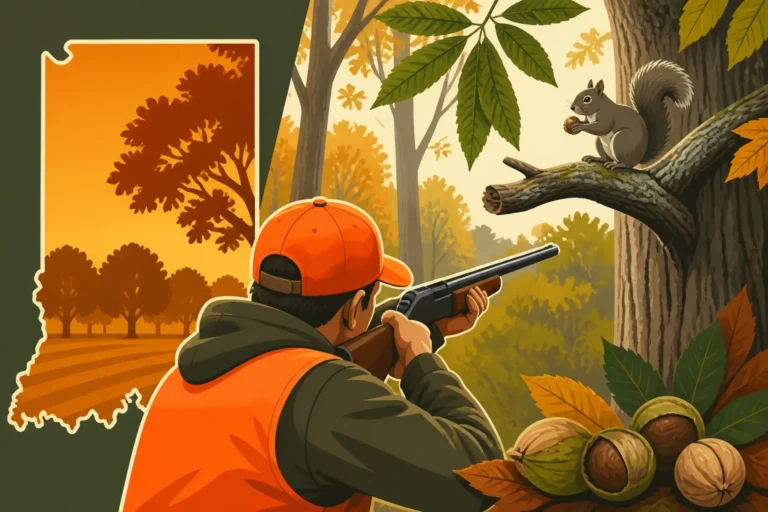
Squirrel hunting often gets relegated to an afterthought, or seen as merely a pastime for younger hunters. But for those of us who appreciate the challenge and the delicious reward, tackling bottomland hardwoods in Indiana offers a unique and incredibly rewarding experience that demands skill and patience. If you've ever felt overwhelmed by the vastness of these rich riverine forests or struggled to pinpoint where those wily bushytails are hiding, you're not alone. This guide will dive deep into how to successfully hunt squirrels in Indiana's bottomland hardwoods, covering everything from scouting to tactics, gear, and seasons, so you can fill your vest and your freezer.
Understanding Indiana's Bottomland Hardwoods for Squirrels
Indiana's bottomland hardwoods are truly special places, often overlooked by hunters focused solely on deer or turkeys. These fertile river and creek bottoms create a dynamic environment that provides an incredible home for squirrels, but also presents unique challenges for hunters.
The Unique Ecosystem of River Bottoms
Bottomland hardwoods, as the name suggests, are forest ecosystems directly influenced by waterways like the Wabash, White, or Kankakee Rivers, and countless smaller creeks and streams throughout Indiana. They're characterized by rich, alluvial soils deposited by recurring floods, leading to incredibly diverse and productive timber. These areas are often lower in elevation, sometimes swampy, and can experience seasonal flooding, which dramatically impacts how wildlife uses the habitat. For squirrels, this means a consistent source of water, incredibly dense cover, and an abundant, varied food supply that shifts throughout the year. The sheer biomass of these areas makes them squirrel factories, but also means they can disappear quickly or shift their patterns with rising and falling water levels. For hunters, this translates to constantly evolving conditions that require careful observation. If you want to learn more about a specific area, checking out resources on Hunting the Wabash River Valley can offer deeper insights into these critical habitats.
Identifying Key Tree Species and Food Sources
The secret to success in bottomland hardwoods lies in understanding what sustains the squirrel population: food. These forests are veritable grocery stores for bushytails, provided you know what to look for. Primary food sources come from mast-producing trees. You’ll find a mix of oaks, such as pin oak, swamp white oak, and often the faster-growing cherrybark oak in the southern parts of the state. These provide crucial acorns. Then there are the various hickories, including shagbark and mockernut, which drop their hard-shelled nuts. And don't forget pecans, especially in the central and southern regions, which are absolute squirrel magnets.
Beyond these heavy hitters, secondary food sources like hackberry (with its small, purplish berries), sycamore seeds, various fungi, and even tree buds can sustain squirrels when mast crops are scarce or have been consumed. When scouting, especially before the leaves drop, it can be tough to distinguish trees. Learning bark patterns, tree shapes, and even the appearance of fallen leaves or remnants of nuts on the forest floor is critical. For instance, the shaggy bark of a shagbark hickory is unmistakable, even from a distance, while the deeply furrowed bark of a mature pin oak can be a dead giveaway. Identifying these key trees early will direct your efforts to where the squirrels are most likely to be concentrated.
Water's Influence on Squirrel Movement
Water is perhaps the defining characteristic of bottomland hardwoods, and its influence on squirrel movement cannot be overstated. Creeks, rivers, oxbow lakes, and sloughs act as natural highways, barriers, and sometimes even safe havens. Squirrels frequently use the continuous canopy along stream banks or the protective cover of dense brush along water edges as travel corridors. They'll often follow these routes, moving between feeding areas and den trees.
Conversely, significant water bodies can also act as barriers, concentrating squirrels on "islands" of high ground during flood events or funneling their movement to specific crossings. Pay close attention to subtle elevation changes, even just a foot or two above the normal floodplain. These slight rises become critical squirrel hubs, especially after heavy rains or during periods of prolonged wetness, offering drier ground for foraging and bedding. Understanding how water dictates their movements is key to intercepting them effectively. For instance, exploring areas like White River Bottomland Public Ground will quickly show you how critically water features impact wildlife patterns.
Scouting Strategies for Bottomland Bushytails
You wouldn't go deer hunting without scouting, and the same should apply to squirrels, especially in the complex environment of bottomland hardwoods. Effective scouting isn't just a pre-season activity; it’s an ongoing process that adapts to the changing landscape and the squirrels' habits.
Pre-Season Reconnaissance: Reading the Woods
Before you even step foot in the woods with your firearm, pre-season reconnaissance is paramount. Start by using digital mapping tools like GoHunt, which can help you virtually scout. Look for darker green areas indicating dense timber, identify waterways, and even try to pick out large blocks of oak or hickory based on satellite imagery. Once you're on the ground, your focus should be on finding fresh sign. Look for cut nuts on the forest floor, especially under large mast-producing trees. These "middens" or piles of shell fragments are undeniable evidence of recent squirrel activity. Check tree trunks for bark rubs, which can indicate where squirrels have been climbing and feeding. Don't forget to look up; leaf nests, called dreys, are clear indicators of squirrel presence, even if they aren't actively using them for denning.
Binoculars are indispensable here. Scan the upper canopy for any flick of a tail or the subtle outline of a squirrel flattened against a limb. During the early season, squirrels spend a lot of time in the treetops, and a good pair of optics, perhaps like an 8×42 or 10×42 mentioned in 8×42 Versus 10×42 in the Woods, will save you countless hours of fruitless walking. Remember, even during the summer, a quick scouting trip can tell you a lot about the upcoming mast crop and where the squirrels will concentrate. It’s all about finding those early clues that lead to a successful hunt.
Locating Hotspots and Travel Corridors
Once you’ve identified areas with squirrel sign, your next step is to pinpoint specific hotspots and understand their travel patterns. Hotspots are typically concentrated around heavily dropping mast trees. If you find a pin oak raining acorns, or a pecan tree shedding its bounty, that's your starting point. Don't just look at one tree, though. Squirrels will often feed across an entire grove or section of forest.
Beyond feeding areas, identify "squirrel highways." These are the routes they take between sleeping, feeding, and watering locations. This could be a series of interconnected canopies, where they can travel considerable distances without touching the ground. It might also be fallen logs, brush piles, or even fencerows bordering the bottomland woods. Subtle elevation changes are key here too; a slightly elevated ridge or a small knoll within the bottomland can become a preferred travel route or a temporary refuge from standing water. Using the mapping features on GoHunt can help you visualize these topographical changes and plan your approach, identifying potential funnels or pinch points where squirrels are likely to pass. Recognizing these pathways, whether in the trees or on the ground, will allow you to position yourself for the best shot opportunities. If you're keen on finding those subtle clues, learning to read the land, much like when Scouting Indiana Public Land Before Season, will serve you well.
Adapting to Seasonal Changes
Squirrel hunting isn't a static game; it changes dramatically throughout the season, and bottomland hardwoods amplify these shifts. In the early season, typically August and September, squirrels are almost exclusively in the canopy. The leaves are thick, providing excellent cover for them and making them harder to spot. They're primarily focused on green mast, especially acorns and hickory nuts that are just starting to ripen. This is when patience and sharp eyes, along with good optics, are paramount. As the season progresses into late September and October, you'll start to see more ground activity as nuts fully ripen and begin to drop. This is when the middens become more evident. Learning How Early Season Squirrels Give Themselves Away can be a huge advantage during this period.
By mid-season, generally November, most leaves have fallen, drastically reducing canopy cover and making squirrels easier to spot. However, they become warier. This is also when they start caching food for winter, so you might find them burying nuts. Late season, especially as winter sets in and temperatures drop, finds squirrels relying heavily on cached food and spending more time in their dens. Look for areas with dense den trees (often hollows in older hardwoods) or heavy thermal cover. Crucially, water levels can fluctuate wildly in bottomlands. After a heavy rain, low-lying areas might flood, forcing squirrels onto higher ground. Conversely, dry spells can open up areas that were previously inaccessible, expanding their foraging range. Constantly observing and adapting to these environmental changes is key to consistent success.
Effective Hunting Tactics for Bottomland Squirrels
Hunting squirrels in Indiana's bottomland hardwoods isn't about charging through the woods. It requires a blend of patience, stealth, and a keen understanding of squirrel behavior. Different tactics work best in different situations and at various points in the season.
Still-Hunting and Stalking
Still-hunting is arguably the most effective tactic for bottomland hardwoods, especially when squirrels are active but spread out. It involves moving through the woods very slowly, taking a few steps, then pausing for several minutes to observe, listen, and scan. This methodical approach allows you to detect subtle movements or sounds that might betray a squirrel's presence. Use the natural cover of tree trunks, dense underbrush, and even subtle terrain features to break up your outline as you advance. The goal isn't to walk quickly, but to move silently and deliberately, allowing the woods to "settle" around you.
The advantage of still-hunting in bottomland is that it lets you cover ground and find new pockets of activity, especially when you’re not sure where the squirrels are concentrated. It’s particularly effective in dense cover where a sit-and-wait approach might have limited visibility. When you spot a squirrel, move slowly and deliberately to get into a shooting position, using the trees as concealment. This technique shares principles with how many hunters approach Still-Hunting Southern Indiana Ridgelines, just adapted for the flatter, wetter bottomland environment.
Sit-and-Wait Ambush Tactics
If you've done your scouting and identified a prime feeding area – a pecan grove dropping nuts, or a cluster of white oaks raining acorns – a sit-and-wait ambush can be incredibly productive. The key here is patience and stillness. Find a comfortable spot, ideally with your back against a large tree for concealment and to break up your silhouette. Ensure you have a good field of view without needing to shift too much. A small, portable hunting stool or cushion can make those long waits much more bearable.
This tactic works best during peak squirrel activity, which is usually the first few hours after dawn and the last few hours before dusk. Position yourself downwind if possible, as squirrels have a decent sense of smell, though sight and sound are their primary defense. Once settled, remain absolutely motionless, listening for the telltale sounds of gnawing, scratching, or falling nut fragments. Often, the squirrels will appear gradually, feeling safe enough to emerge as the woods remain quiet. It's a test of wills, but incredibly rewarding when a wary bushytail finally presents a shot.
Barking, Squeaking, and Other Calling Techniques
Beyond stealth, calls can be an excellent way to locate, attract, or stop squirrels in bottomland hardwoods. A good squirrel call can replicate the chatter, barks, and distress sounds of a squirrel, and is a fantastic tool to add to your arsenal. If the woods seem quiet, or you're unsure if squirrels are in an area, let out a few barks or chatters. Often, a nearby squirrel will respond, giving away its location.
Distress calls, mimicking a squirrel in trouble, can pique their curiosity and draw them closer for a look. A simple, sharp "kiss" sound made with your lips can often make a moving squirrel pause for a split second, giving you just enough time to take a steady shot. Combining calling with still-hunting is a powerful strategy. Move slowly, call, listen for a response, then move toward the sound. Once you're close, switch to a more patient, sit-and-wait approach. Mastering these vocalizations can significantly increase your success rate, turning a quiet morning into an active hunt.
Gear and Equipment for Success
The right gear makes all the difference when hunting, and squirrel hunting in Indiana's bottomland hardwoods is no exception. From your choice of firearm to your footwear, being prepared for the unique environment is crucial.
Firearm Choices: From .22 to Shotgun
The choice of firearm for squirrel hunting often comes down to personal preference, the type of hunting you're doing, and the density of the cover.
The .22 rifle is a classic choice for squirrel hunters. Its accuracy, quiet report, and inexpensive ammunition make it a fantastic tool for precise shots. It offers a challenging and rewarding experience, particularly when squirrels are stationary or moving slowly. For shots high in the canopy or at longer ranges, the .22's precision is unmatched. However, it demands a steady hand and often requires waiting for a clear headshot to ensure a clean kill, especially when hunting Squirrel Hunting Indiana Hickory Groves where they're often high up.
For hunters who prioritize success and faster action, especially in dense bottomland cover or when squirrels are on the move, a shotgun is a superb option. A 20 gauge or 12 gauge, loaded with #6 or #7.5 shot, provides a wider pattern, making it easier to connect with fast-moving targets. This is particularly advantageous in early season when leaves are still on the trees, and squirrels might only offer fleeting glimpses. It also allows for quick follow-up shots if needed.
Air rifles are another option, offering a quiet alternative with good accuracy at closer ranges, often ideal for private land or areas where noise is a concern. Ultimately, choose a firearm you are proficient and comfortable with, and always practice to ensure ethical shot placement.
Essential Optics and Accessories
While a rifle or shotgun is your primary tool, other accessories can greatly enhance your squirrel hunting experience. Binoculars are perhaps the most underrated piece of squirrel hunting gear. An 8x or 10x magnification pair is incredibly helpful for spotting camouflaged squirrels high in the canopy or detecting subtle movements in dense foliage. They save you from unnecessary walking and help confirm if that bump on a branch is a squirrel or just a knot.
A rangefinder is less critical for squirrel hunting than for big game, but it can still be useful, particularly if you're using a .22 rifle and need to confirm distances for ethical shot placement. Knowing your effective range for a precise headshot is vital. Finally, a good hunting vest with a game pouch is practically a necessity. It provides ample pockets for ammunition, calls, snacks, and a dedicated, often blood-proof, pouch to carry your harvested squirrels comfortably. It frees up your hands for your firearm and navigating the challenging bottomland terrain.
Clothing and Footwear for Wet Environments
Bottomland hardwoods, by their very nature, are often wet, muddy, and can be downright swampy. This makes your choice of footwear absolutely critical. Waterproof boots are not optional; they are essential. Look for durable, comfortable rubber boots or waterproof hiking boots with good ankle support. You’ll be traversing uneven ground, potentially crossing shallow water, and slogging through mud. Keeping your feet dry will make your hunt infinitely more enjoyable and prevent discomfort or even hypothermia in colder weather. For more detailed advice, check out Boots for Indiana Mud and Snow.
Layered clothing is also important. Indiana weather can be unpredictable, especially during the fall and winter squirrel seasons. Start with a moisture-wicking base layer, add insulating layers as needed, and top it off with a waterproof or water-resistant outer layer. This allows you to adjust to changing temperatures and activity levels, ensuring you stay comfortable whether you're sitting still or still-hunting. Finally, camouflage isn't just for deer. While squirrels don't see color as we do, breaking up your human outline is still beneficial. Opt for patterns that blend with the browns, grays, and greens of the forest, helping you remain undetected by sharp-eyed bushytails.
Respecting Regulations and Ethical Hunting
As with any hunting activity in Indiana, understanding and adhering to regulations and practicing ethical hunting methods are paramount. These rules are in place to ensure sustainable wildlife populations and a safe, enjoyable experience for all.
Understanding Indiana's Squirrel Seasons and Bag Limits
Indiana's squirrel season typically opens in mid-August, offering a fantastic opportunity for early-season hunts when temperatures are warm and squirrels are primarily in the canopy. The season then continues through the late fall and early winter, often closing around the end of January. This long season provides ample opportunity to hunt under various conditions, from green canopy to bare timber and even snow-covered woods.
The daily bag limit for squirrels in Indiana is generally five. This means you can harvest up to five squirrels (fox or gray, or a combination) per day. Always double-check the current Indiana DNR regulations, as dates and limits can sometimes change. You can find the most up-to-date information directly from the source, and a handy guide like Indiana Squirrel Season Dates can provide quick reference. Possessing the correct hunting license is also a must. Taking the time to be informed ensures you're hunting legally and responsibly.
| Squirrel Hunting Season Phase | Typical Dates (Approximate) | Squirrel Behavior | Best Tactics | Challenges |
|---|---|---|---|---|
| Early Season (Green Woods) | Mid-August – Early October | Mostly in canopy, feeding on green/ripening mast | Sit-and-wait, still-hunting with good optics | Dense foliage, hard to spot, heat |
| Mid-Season (Leaf Drop) | Mid-October – Late November | Increased ground activity, caching nuts, some canopy | Still-hunting, sit-and-wait near mast trees, calls | Wary squirrels, leaf noise on ground |
| Late Season (Bare Woods) | December – January | Reliance on cached food, denning, cold weather foraging | Sit-and-wait near den trees/food sources, calling | Extreme cold, snow, reduced activity |
Safe Hunting Practices in Dense Woods
Safety should always be your top priority, especially when hunting in dense bottomland hardwoods. These areas can be challenging to navigate, and visibility can be limited. Always know your surroundings. Be aware of other hunters, especially on public land. It's a good practice to wear some blaze orange, even if not legally required for squirrel hunting with a rifle or shotgun (though it often is for deer hunters during firearms season). This significantly increases your visibility to others.
Crucially, always have positive target identification. Never shoot at movement or sound alone. Be absolutely certain it's a squirrel and that you have a safe backdrop beyond your target. This is especially vital when using a .22 rifle, as bullets can travel far. Hunter education courses emphasize these principles, and they are critical for preventing accidents. Always keep your muzzle pointed in a safe direction and keep your finger off the trigger until you are ready to shoot.
Processing Your Harvest and Field Care
Bringing home delicious table fare is a big part of the reward for squirrel hunting. To ensure the best meat quality, proper field care is essential. In the early season, when temperatures can be quite warm, it's best to field dress your squirrels as soon as possible after the kill. This involves removing the entrails, which helps the carcass cool down more quickly.
Once field dressed, keep the squirrels cool. In warmer weather, this might mean carrying a small cooler with ice back to your vehicle, or at least getting them into a shaded area. Skinning and butchering techniques vary, but a quick online search can provide numerous videos and guides on how to efficiently skin a squirrel. Many hunters choose to quarter them, separating the front and hind legs from the saddle. Squirrel meat is incredibly versatile and can be fried, stewed, or used in various recipes. Proper care in the field ensures that your hard-earned harvest translates into a fantastic meal. If you're new to field care, tips for larger game like Field Dressing a Deer in Cold Weather can offer transferable principles regarding cleanliness and cooling.
Disclaimer
Hunting regulations can change frequently. The information provided in this guide is for general educational purposes only. It is the hunter's responsibility to consult the most current Indiana Department of Natural Resources (DNR) regulations and local ordinances before engaging in any hunting activity. Always prioritize safety, respect wildlife, and adhere to all applicable laws.