Indiana Muzzleloader Season Dates
The chill of late December can feel like a real gut punch for many Indiana deer hunters. You've navigated the archery opener, maybe braved the crowds of firearms season, and now as the holidays loom, it feels like your chances are dwindling. But hold on a second! Just when you think your deer season might be over, Indiana's dedicated muzzleloader season swoops in, offering another fantastic opportunity to fill the freezer and extend your time in the woods. This guide is all about navigating those unique muzzleloader dates and making the most of this often-overlooked hunting window.
The Basics of Indiana's Muzzleloader Season
Indiana's muzzleloader season is a special time for hunters, providing a distinct window after the main firearms season closes but before the very end of the extended archery period. It's a chance to step back in time, embrace a different kind of challenge, and often find deer that have settled into more predictable late-season patterns. This specific timeframe allows hunters to pursue deer with traditional or modern muzzleloading firearms, adding an extra layer of skill and preparation to the hunt.
Key Dates and Why They Matter
Historically, Indiana’s muzzleloader season typically kicks off in early December and runs for about two weeks. For example, in recent years, it has generally opened around the first Saturday of December and continued through the third Sunday. This means you've got roughly a two-week stretch to get out there with your smoke pole. These dates are absolutely crucial for planning, especially if you’re balancing work, family, and other commitments. Missing even a few days can feel like a missed opportunity when the season is relatively short.
It's vital to always double-check the exact dates each year with the Indiana Department of Natural Resources (DNR) official regulations, as they can shift slightly. However, understanding this typical early to mid-December window helps you mark your calendar far in advance. The timing is strategic, placing it after the primary firearms rush, which means less hunter pressure in some areas, but also during a time when deer are heavily focused on available food sources in colder weather. Knowing these dates helps you mentally prepare for the unique demands of a late-season hunt and capitalize on opportunities that arise when the deer are really trying to pack on calories for winter. You'll want to review the full details on the Indiana Deer Season Structure Explained to see how all the different seasons fit together.
The Rationale Behind a Separate Season
You might wonder why Indiana even has a separate muzzleloader season when archery and firearms seasons cover so much ground. The reasoning is multi-faceted. First, it offers a specific challenge for hunters who appreciate the history and skill involved with muzzleloading. These firearms require more deliberate loading and often present a single-shot opportunity, demanding greater precision and patience from the hunter. This traditional aspect appeals to many.
Secondly, from a wildlife management perspective, the muzzleloader season helps spread out hunting pressure and provides additional harvest opportunities, especially for antlerless deer, contributing to population control in certain areas. It's also a way to extend the overall hunting enjoyment for Hoosier hunters without putting undue pressure on the herd during critical breeding or early recovery periods. By placing it after the general firearms season, it allows the woods to settle down a bit, and deer may return to more natural routines, giving muzzleloader hunters a different dynamic than the high-intensity opening weeks. It really adds to the overall variety of Indiana Hunting Licenses and What They Cost that are available to resident and non-resident hunters alike.
Understanding Muzzleloader Equipment Rules
Hunting with a muzzleloader isn't just about the dates; it's also about adhering to specific equipment regulations that define what a legal muzzleloader is for deer hunting in Indiana. These rules are in place to ensure fair chase, hunter safety, and consistent wildlife management practices. If you're new to muzzleloading or just need a refresher, understanding these nuances is key to a legal and successful hunt.
Legal Firearms for Muzzleloader Season
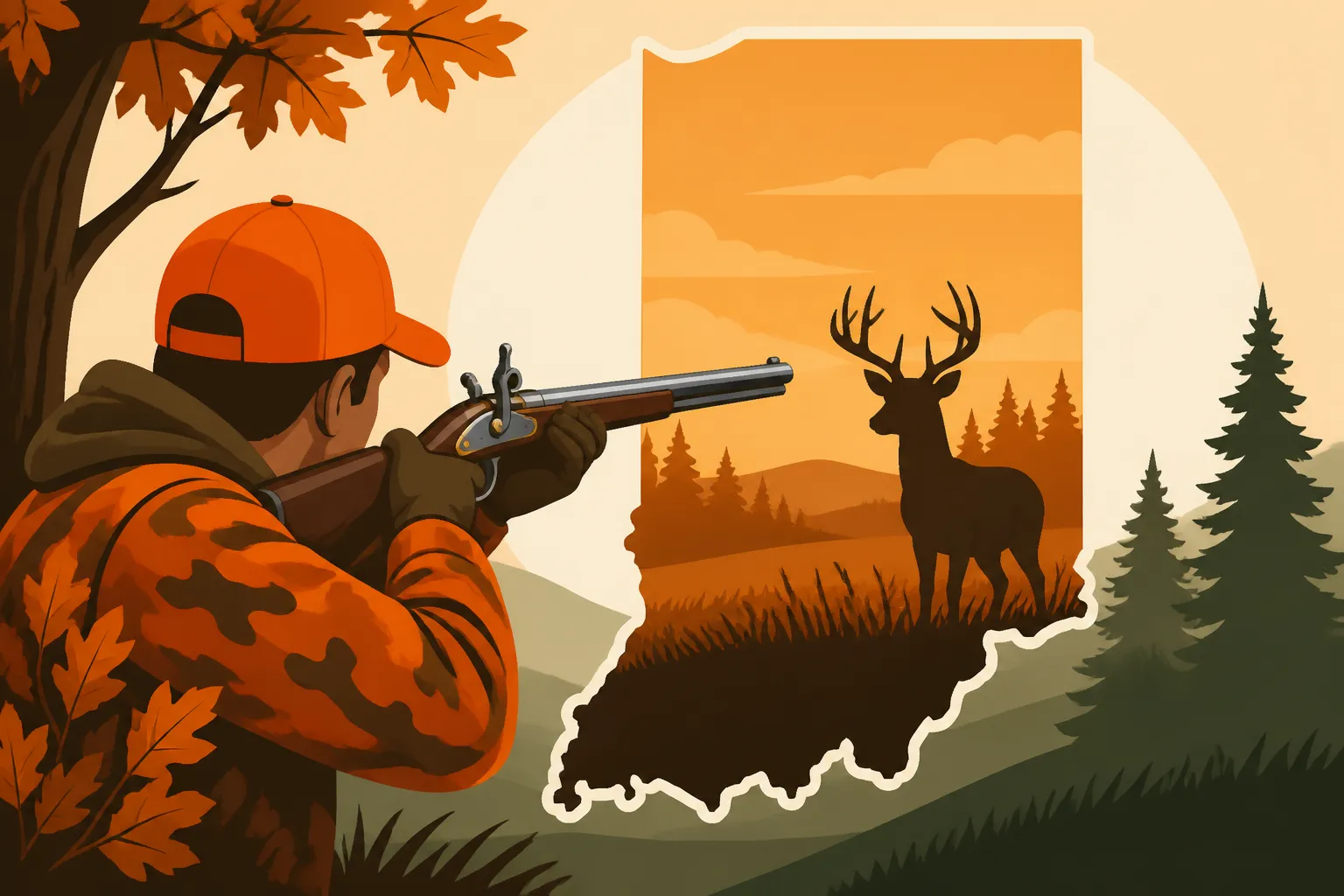
During Indiana’s muzzleloader season, you’re limited to specific types of muzzleloading firearms. Generally, this means a firearm that is loaded from the muzzle and fires a single projectile. Modern inline muzzleloaders are perfectly acceptable, as are traditional percussion or flintlock rifles. The key distinction is the loading method. These are not modern cartridge firearms.
The regulations usually specify a minimum bore diameter, typically .44 caliber or larger, for deer. This ensures enough kinetic energy to humanely harvest a deer. While there aren't specific restrictions on things like scopes or sights for muzzleloaders during this season (unlike some other states or specialized hunts), it’s always wise to check the latest DNR regulations for any changes or clarifications on accessories. It's a different world than when you're considering Rifle Setups for Indiana Deer Hunting during the main firearms season, and the limitations require different preparation. Make sure your muzzleloader is in good working order and you've patterned it properly before heading afield; this isn't the time for guesswork.
Permitted Ammunition and Projectiles
Just as there are rules for the muzzleloader itself, there are specific guidelines for the ammunition you can use. Most commonly, hunters use saboted projectiles (a bullet wrapped in a plastic sabot) or traditional lead conical bullets. The important thing is that it must be a single projectile. Shotgun slugs, while also a single projectile, are for shotgun hunting and aren't typically permitted during muzzleloader season with a muzzleloading firearm.
The use of black powder or approved black powder substitutes (like Pyrodex or Triple Seven) is mandated. You cannot use smokeless powder in a muzzleloader that is not specifically designed and rated for it, as this can be extremely dangerous. The weight and design of your projectile should also be appropriate for deer. Most deer hunters opt for bullets in the 200-300 grain range to ensure adequate penetration and expansion. Getting this right is fundamental to ethical hunting, and taking the time to Muzzleloaders for an Indiana December is a critical step in your preparation. The last thing you want is to be in the field and realize your setup isn't compliant or effective.
Overlapping Seasons and Tag Considerations
One of the unique aspects of Indiana's hunting calendar is how various seasons can overlap. For muzzleloader hunters, this means understanding which other seasons are open concurrently and, crucially, how your deer tags function during this specific period. It’s not just about the muzzleloader dates, but how they interact with the broader hunting framework.
Deer Tag Validity During Muzzleloader Season
When you purchase your Indiana deer licenses, whether it's the resident or nonresident deer bundle, the tags included are valid for multiple seasons, including muzzleloader. This means any valid deer tag (archery, firearms, bonus antlerless) that hasn't been filled yet can typically be used during the muzzleloader season, provided you are hunting with legal muzzleloading equipment. So, if you have an unspent antlerless tag, for instance, the muzzleloader season offers another chance to fill it.
This flexibility is great for hunters, as it maximizes your opportunities within the regulatory framework. However, it's essential to remember the specific rules that apply to the season you are actively participating in. If you're carrying a muzzleloader, you're bound by muzzleloader regulations for that hunt. If you also have a valid archery license, and choose to hunt with a bow on the same day during the overlapping period, you'd then be subject to archery rules. Always carry proof of all valid licenses and ensure your equipment matches the season you are hunting in at that moment. The overall Indiana Deer Season Structure Explained covers all these details, but it's particularly relevant when you're hunting with a muzzleloader.
Concurrent Small Game and Archery Opportunities
The Indiana muzzleloader season often runs concurrently with other hunting seasons, most notably the extended archery season and various small game seasons. This creates interesting opportunities but also requires careful attention to regulations. For instance, if you have both a muzzleloader license and an archery license, you could theoretically hunt with either weapon during their respective open seasons. However, you must only use legal equipment for the season you are hunting at that exact moment.
Small game seasons for species like squirrels and rabbits are typically open during the muzzleloader period as well. This means you might hear the occasional shotgun report from small game hunters in the woods, or even see them. It's important to be aware of other hunters and always prioritize safety. If you're carrying a muzzleloader for deer, ensure you're also adhering to any blaze orange requirements that might be in effect during the muzzleloader season, even if small game hunters are in the same woods. This overlap allows for a diverse hunting experience, but vigilance and adherence to all rules are paramount. You can find more information on Squirrel and Small Game Hunting in Indiana if you decide to diversify your hunt.
Tactical Approaches for December Muzzleloader Hunting
Hunting deer with a muzzleloader in December in Indiana presents a unique set of challenges and rewards. The woods are typically quieter than during the peak firearms season, but the deer are also warier and focused on survival. Success often boils down to understanding late-season deer behavior and adapting your tactics to the colder weather and available resources.
Late-Season Food Sources and Funnels
By December, many of the abundant early-season food sources like acorns have been depleted. Deer are now primarily focused on finding reliable, high-energy foods to get them through the cold winter months. This often means agricultural fields with standing crops like corn or soybeans, or browse in timber cuts. Green fields planted for deer, if available, can also be absolute magnets. Understanding these critical Late-Season Food Sources for Indiana Whitetails is paramount. Deer will travel significant distances to access these food plots or crop fields.
Therefore, scouting for these specific food sources becomes your number one priority. Look for tracks, droppings, and browse lines around field edges, in small woodlots adjacent to agriculture, or in creek bottoms where tender shoots might still be available. Once you've identified reliable food, scout for natural funnels or pinch points that deer will use to travel between bedding areas and these food sources. These could be narrow strips of timber, brushy fencerows, or saddles on ridges in the southern Indiana hill country. A valuable tool like GoHunt can be incredibly helpful here, allowing you to pour over aerial maps and identify potential travel corridors and pinch points long before you ever step foot in the woods. Pay close attention to these travel routes, as deer will often be moving during legal shooting light to get to and from their feeding grounds.
Cold Weather Strategies and Stand Placement
December in Indiana can mean anything from a crisp, sunny day to biting winds and heavy snow. Your hunting strategy needs to adapt to these conditions. Deer behavior changes significantly with cold fronts; they often become more active, moving to feed more aggressively before or after a significant temperature drop.
For stand placement, consider thermal cover. Thick conifer stands, dense brush, or south-facing slopes that catch more sun will be preferred bedding areas during extreme cold. Placing your stand on a travel route leading from these bedding areas to late-season food is a classic and effective tactic. Since deer will be moving slowly and deliberately in the cold, scent control is even more critical. Cold air often holds scent close to the ground, so playing the wind is non-negotiable.
When it comes to staying comfortable, it's all about layering. You'll be sitting for extended periods, and getting cold can quickly end your hunt. Insulated boots, heavy base layers, and windproof outer shells are your best friends. Check out our guide on Cold-Weather Sitting Strategy in Indiana for a deep dive into staying warm and effective. A good pair of hand warmers, a thermos of hot coffee or soup, and even a small portable heater for a ground blind can make all the difference. Remember, if you're miserable, you're not hunting effectively.
Preparing for Success: Gear and Scouting
Success in Indiana's muzzleloader season, especially in the challenging December conditions, hinges heavily on preparation. It's not just about knowing the dates, but having the right gear and putting in the legwork beforehand. Rushing into the woods unprepared with a muzzleloader is a recipe for frustration.
Essential Muzzleloader Accessories
Beyond the muzzleloader itself, a suite of essential accessories is crucial for a smooth and effective hunt. You'll need a reliable measure for your powder charge, a capper or decapper tool, and a supply of percussion caps or flint. Carry extra projectiles and sabots, as well as a cleaning jag, patches, and a small bottle of solvent for cleaning the barrel between shots or at the end of the day. Keeping your powder dry is paramount, especially in damp December weather. Invest in waterproof containers for your powder and caps.
A sturdy ramrod is a must, and many hunters carry a short starter to help seat the bullet properly without damaging the sabot or rifling. Don't forget a nipple wrench for percussion guns or a flint knapper for flintlocks. Lastly, a reliable rangefinder is invaluable for confirming distances, as muzzleloaders typically have a shorter effective range than modern centerfire rifles, and knowing your precise shooting limitations is critical for ethical shots. Many hunters find that a good pack is indispensable for carrying all these bits and pieces, particularly on public land where you might be walking quite a distance. Consider what you’ll need for Muzzleloaders for an Indiana December.
Here's a quick overview of essential gear:
| Item | Purpose | Notes |
|---|---|---|
| Muzzleloader (min .44) | Primary hunting tool | Must be loaded from the muzzle. |
| Black Powder/Substitute | Propellant | Use waterproof container; never smokeless powder. |
| Projectiles (sabots/conicals) | Ammunition | Carry extra; appropriate weight for deer. |
| Percussion Caps/Flints | Ignition source | Keep dry, carry spares. |
| Powder Measure | Accurate powder charging | Essential for consistency and safety. |
| Ramrod & Short Starter | Loading projectiles | Sturdy, won't bend. |
| Nipple Wrench | Maintenance (percussion) | Essential for cleaning and cap removal. |
| Cleaning Jag/Patches/Solvent | Field cleaning | Prevents fouling, ensures reliable reloading. |
| Waterproof Pouches | Protecting powder/caps | Critical in wet/snowy conditions. |
| Rangefinder | Estimating distance | Know your effective range; ethical shots are key. |
| Headlamp | Low-light visibility | For pre-dawn walks and post-sunset retrievals. |
| Quality Knife | Field dressing and general utility | Sharp, durable. |
| Blaze Orange/Pink | Safety | Check specific requirements for the season. |
| Insulated Clothing | Staying warm | Layers are key for varying December temps. |
Pre-Season Scouting for Muzzleloader Hunters
Just because it's a "late season" doesn't mean you can skip scouting. In fact, late-season scouting is arguably more important because deer patterns have often shifted significantly since early fall. Spend time in the woods after the general firearms season, looking for fresh sign. Snow on the ground, if you're lucky enough to get some, is a fantastic scout-assist, revealing fresh tracks and travel corridors.
Focus your efforts on finding those key late-season food sources discussed earlier. Use mapping tools like GoHunt to identify potential crop fields, timber cuts, and dense cover areas. Walk creek bottoms and fencerows, looking for active trails. Pay attention to how deer are using thermal cover in relation to food. Are they bedding on south-facing slopes? Are they hugging dense cedar thickets?
Pre-season scouting also involves identifying potential stand locations and entry/exit routes that minimize disturbance. Deer are incredibly wary by December, having been pressured for months. Your ability to get in and out undetected is crucial. This active scouting, sometimes called Scouting Indiana Public Land Before Season, will give you a significant advantage and help you avoid wasting valuable hunting time once the muzzleloader season officially opens.
Common Challenges and Troubleshooting
Muzzleloader hunting, especially in the cold and often damp conditions of an Indiana December, can throw some curveballs your way. Being prepared for potential issues, from equipment malfunctions to managing hunting pressure, can save your hunt from turning into a frustrating bust.
Dealing with Muzzleloader Malfunctions in the Cold
One of the most common frustrations for muzzleloader hunters, particularly with traditional percussion caps or flintlocks, is a misfire or hangfire. Cold temperatures and moisture are the main culprits. Caps can fail to ignite, or powder can get damp and not flash properly. To mitigate this:
- Keep powder and caps dry: Use waterproof containers, and if it's really damp, consider wrapping your breech end in plastic wrap until you're ready to shoot.
- Clean your breech plug/flash hole: A clogged flash hole is a leading cause of misfires. Ensure it's clear before you load, and carry a small pick or tool to clear it in the field if needed.
- Use fresh powder and caps: Old powder can lose its potency, and caps can degrade.
- Listen carefully: If you get a click but no bang, wait a full 30-60 seconds before doing anything else, in case it's a hangfire (a delayed ignition). This is a critical safety measure.
- Practice: Knowing how your specific muzzleloader performs in cold weather during practice sessions is invaluable. You might find some loads or caps perform better than others.
A malfunctioning firearm can be incredibly disappointing when a deer is in range. Being able to troubleshoot quickly and safely is a crucial skill for a muzzleloader hunter. Always handle a misfire with extreme caution, treating the firearm as loaded until you've safely cleared it.
Hunting Pressure During the Late Season
While the muzzleloader season generally sees less hunter pressure than the opening week of firearms season, it's not entirely devoid of it, especially on popular public lands. Deer are already educated from months of hunting, and any additional pressure makes them even more elusive. You might find yourself sharing the woods with other muzzleloader hunters, or even late-season archery hunters. Understanding Hunting Pressure on Indiana Public Land is key.
To combat this:
- Go deeper: Many hunters stick close to roads and trails. Be willing to walk further into public land where others might not venture.
- Seek overlooked spots: Small, isolated woodlots, brushy creek bottoms, or thickets that don't look like prime hunting ground can often hold deer seeking refuge.
- Hunt during the week: If possible, hunt on weekdays when fewer people are in the woods.
- Adapt to deer movement: If deer are heavily pressured, they might become nocturnal or only move during the middle of the day in dense cover. Adjust your hunting times and locations accordingly.
- Utilize natural barriers: Creeks, steep terrain, or thick, impenetrable briar patches can act as natural deterrents to other hunters and funnel deer into more secluded areas. Tools like GoHunt can help you spot these natural barriers and identify remote pockets of cover.
Ultimately, successful muzzleloader hunting in December in Indiana is about patience, preparation, and persistence. It’s a rewarding challenge that offers a unique connection to the history of hunting and another opportunity to enjoy the Hoosier outdoors.
Disclaimer
Hunting is an inherently dangerous activity. Always follow all local, state, and federal laws and regulations. Prioritize safety, including proper firearm handling, knowing your target and what's beyond it, and wearing appropriate blaze orange or pink during open firearms seasons. Consult the Indiana Department of Natural Resources (DNR) for the most current and official regulations. The information provided in this guide is for informational purposes only and should not replace official guidance or professional instruction.