Indiana Carcass Movement Restrictions
The landscape of hunting in Indiana has seen its share of changes over the years, and perhaps none are as critical to understand as the regulations surrounding Chronic Wasting Disease (CWD). For many Hoosier hunters, the thought of CWD moving into our deer herd is unsettling, and the rules put in place to combat it can feel confusing and burdensome. This guide is here to cut through that noise, explaining exactly what Indiana's carcass movement restrictions mean for you, whether you're bringing a deer home or traveling through a CWD management zone.
Understanding Chronic Wasting Disease in Indiana
Chronic Wasting Disease is a serious concern for deer populations and hunters alike, and Indiana has been working diligently to monitor and manage its presence within the state. It's a disease that, frankly, can be pretty scary to think about because of its implications for our cherished deer herds.
What is CWD and How Does it Spread?
Chronic Wasting Disease is a progressive, fatal neurological disease affecting deer, elk, moose, and reindeer (cervids). It's caused by abnormal proteins called prions, not a bacteria or virus. These prions accumulate in the brain and other tissues, leading to a variety of symptoms like drastic weight loss (wasting), stumbling, listlessness, and other neurological signs. The terrifying thing about CWD prions is their resilience; they can persist in the environment, like in soil or on plants, for many years after an infected animal has died.
CWD primarily spreads through direct contact between animals, but it can also be transmitted indirectly through contaminated environments, such as feed or water sources. An infected deer sheds prions through saliva, urine, and feces, contaminating the area it inhabits. This is precisely why controlling the movement of deer carcasses, especially those from areas where CWD has been detected, is so crucial. We're trying to prevent those prions from hitching a ride to new, unaffected territories.
Where CWD Has Been Detected in Indiana
Indiana, unfortunately, is no stranger to CWD. The state has an established CWD positive area in the northeast, encompassing several counties where the disease has been detected. For years, the DNR has been conducting surveillance, and when a CWD-positive deer is found, it triggers specific actions and regulations. You can get more details on How Many Deer Have Tested CWD-Positive in Indiana. Currently, the Indiana CWD Positive Area includes LaGrange, Steuben, DeKalb, Noble, Franklin, and Rush counties. These aren't just names on a map; they represent real places where hunters have had to adjust their practices to help prevent further spread. The expansion of this area, like what occurred when Why Noble County Expanded the CWD Positive Area, shows that these zones are dynamic and require ongoing vigilance.
Why Carcass Movement is a Concern
The reason carcass movement is such a hot topic stems directly from how CWD prions behave. The highest concentrations of these prions are found in the brain, spinal cord, lymph nodes, and spleen of an infected animal. If a hunter harvests a deer in a CWD-positive area and then transports the entire carcass, or even parts that contain these high-risk tissues, to an unaffected area, there's a risk of introducing CWD to that new location.
Imagine you harvest a beautiful buck in DeKalb County, where CWD has been found. If you then drive that whole deer, head and all, back to your home in Vigo County and dispose of the remains there, you could inadvertently deposit infectious prions into the soil. Even if your deer wasn't infected, the risk with every deer from a CWD-positive area means strict rules are necessary. These regulations are designed to minimize the chance of hunters unknowingly spreading the disease, protecting the larger deer herd for future generations.
Indiana's Carcass Movement Restrictions Explained
Navigating the specifics of Indiana's CWD carcass movement restrictions can feel like deciphering a legal document, but it boils down to understanding which parts of a deer can move and under what circumstances. It's all about preventing the high-risk tissues from leaving the CWD-positive areas.
The CWD Positive Area Defined
As mentioned, the Indiana CWD Positive Area currently includes LaGrange, Steuben, DeKalb, Noble, Franklin, and Rush counties. It's vital for any hunter heading afield to know if their hunting location falls within this zone. This information is readily available on the Indiana DNR website, and many savvy hunters use digital mapping apps like GoHunt to overlay CWD zone boundaries directly onto their hunting maps. Knowing you're in one of Which Six Counties Sit in Indiana's CWD Positive Area before you even step foot in the woods can drastically change your hunting strategy and post-harvest plans. These zones aren't just lines on a map; they dictate specific responsibilities for hunters.
Specific Rules for Transporting Deer Out of the Positive Area
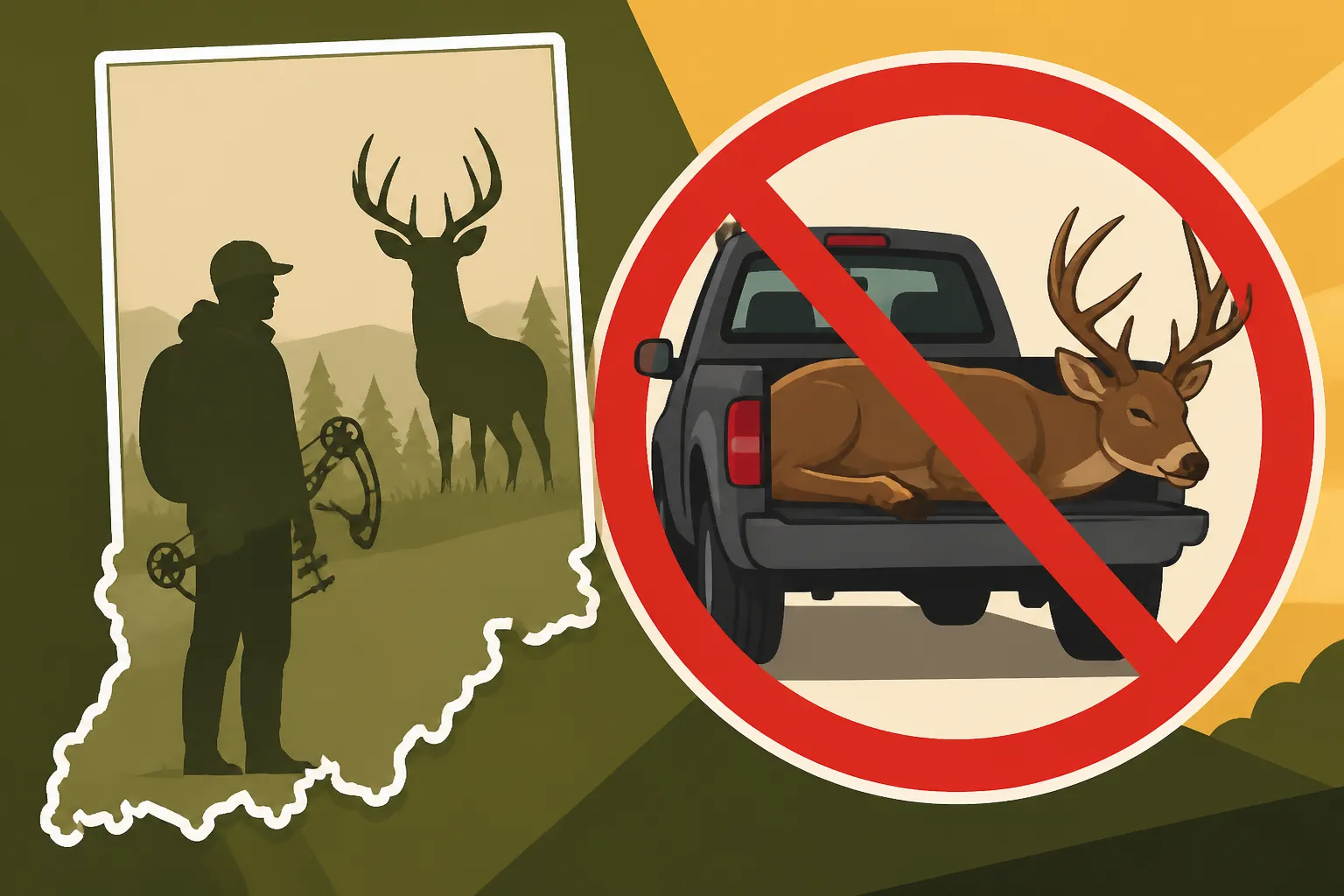
The core of the carcass movement restriction is this: you cannot transport whole deer carcasses, or specific high-risk parts, out of the CWD Positive Area. This means if you harvest a deer in one of the designated CWD counties, you have a few options, but simply throwing the whole deer in the back of your truck and driving it home to a non-CWD county isn't one of them. The goal is to keep those potentially prion-laden tissues contained within the known affected region.
This rule applies to all deer harvested within the CWD Positive Area, regardless of whether the deer appeared healthy or if it's been tested. It's a preventative measure. Hunters must either process their deer completely within the CWD zone or remove specific parts before transporting them across the zone boundary. This often means a change in tradition for many, requiring more field work or reliance on local processors.
Allowed Carcass Parts and Exemptions
While the restrictions might seem daunting, they don't mean you can't bring venison home from a CWD-positive area. The regulations are very specific about what can be transported out of the zone. You can move the following items:
- Deboned meat: This is the most common and safest option. All meat should be cut from the bone.
- Antlers or cleaned skulls (skull plates): These must be free of all brain and soft tissue. A thoroughly cleaned skull plate (with antlers attached) is fine, as is a European mount that has been cleaned.
- Hides: Hides must be free of all head and spinal cord material.
- Cleaned teeth: Any teeth must be free of any tissue.
- Finished taxidermy products: Once fully processed by a taxidermist, these are generally exempt.
Here's a quick summary of what's allowed and what's restricted:
| Carcass Part | Allowed for Transport OUT of CWD Positive Area? | Notes |
|---|---|---|
| Whole Deer Carcass | NO | Must be processed or deboned within the CWD Positive Area. |
| Deboned Meat | YES | Meat removed from the bone. |
| Antlers | YES | Must be free of all brain and soft tissue. |
| Cleaned Skull Plates | YES | Skull plate with antlers, completely free of brain/soft tissue. |
| Hides | YES | Must be free of all head and spinal cord material. |
| Cleaned Teeth | YES | Free of all tissue. |
| Taxidermy Products | YES | Fully processed and finished. |
| Brain, Spinal Cord | NO | High-risk tissues, must remain in CWD Positive Area or disposed of properly there. |
| Lymph Nodes, Spleen | NO | High-risk tissues, must remain in CWD Positive Area or disposed of properly there. |
| Whole Head | NO | Brain is a high-risk tissue. |
| Vertebral Column | NO | Spinal cord is a high-risk tissue. |
This means if you shoot a deer in Steuben County, you either need to de-bone it yourself in the field or at a local facility, or take it to a processor within the CWD zone. Once you have deboned meat, you're good to go.
Practical Impact of CWD Carcass Rules on Hunters
These CWD carcass movement restrictions aren't just bureaucratic hurdles; they significantly alter how hunters need to approach their time in the woods, especially when hunting in affected areas. It requires a shift in mindset and often, a bit more elbow grease right after the shot.
Field Dressing Considerations for In-Zone Kills
Traditionally, many hunters field dress their deer quickly to cool the meat and then haul the whole carcass out of the woods. If you're hunting within one of the CWD-positive counties like LaGrange or Rush, this approach needs some modification if you plan to transport the deer across a zone boundary. You're now faced with the decision of how much processing to do in the field.
The most compliant method is often the "gutless method" or quartering the deer in the field, completely deboning the meat and leaving the skeleton and high-risk tissues (brain, spinal cord, spleen, lymph nodes) behind. This takes more time, skill, and specialized gear like a good game bag and a sharp knife. You'll need to be prepared to do this work, which can be challenging in cold weather or low light. For some, it might mean packing in a small tarp to keep meat clean, or a portable game gambrel for easier processing. If you're not comfortable with this, you might need to rethink your strategy, perhaps focusing on areas outside the CWD zone, or identifying a local processor beforehand.
Processing Your Deer Within the Positive Area
For many hunters, the easiest way to comply with carcass restrictions when harvesting a deer in a CWD-positive area is to utilize a local butcher or wild game processor within that same zone. This allows them to handle the entire carcass, ensuring all restricted parts are disposed of properly according to DNR guidelines.
Before you even head out for your hunt, it's a smart idea to scout out local processors in the CWD-positive counties you plan to hunt. Call ahead, confirm they are open during hunting season, ask about their CWD protocols, and get their pricing. This preparation can save you a ton of stress and effort if you're lucky enough to tag a deer. It eliminates the need for extensive field deboning and ensures you're fully compliant with the rules. Remember, the processor will handle the disposal of the high-risk parts, which is a huge convenience. This planning is just as important as Scouting Indiana Public Land Before Season.
Dealing with Out-of-State Hunts
The Indiana carcass movement restrictions also extend to deer harvested out-of-state and brought into Indiana. This is a common point of confusion for hunters who might travel to a state like Wisconsin or Michigan, both of which have CWD. If you harvest a deer in another state, you cannot bring the whole carcass, or restricted parts, back into Indiana. The same rules apply: only deboned meat, cleaned skulls/antlers, hides, and cleaned teeth are permitted.
This means if you're planning an out-of-state hunt, you need to be aware of both that state's CWD regulations and Indiana's import rules. It's a double layer of compliance. Failing to follow these rules could result in fines and confiscation of your harvest, which is the last thing any hunter wants after a successful trip. Always check the latest regulations for Indiana Carcass Movement Restrictions before you embark on an out-of-state adventure. Many hunters utilize tools like GoHunt to keep track of changing regulations across state lines.
Proper Carcass Handling and Disposal Methods
Dealing with a deer carcass after a successful hunt involves more than just getting the meat ready for the freezer; it's also about responsible management, especially in the context of CWD. How you handle and dispose of non-edible parts can make a real difference in preventing disease spread.
On-Site Deboning and Quartering
If you're hunting in a CWD-positive area and plan to transport your deer across the zone boundary, on-site deboning and quartering become your best friends. This isn't just a suggestion; for many, it's a necessity. The process involves removing all meat from the bone, leaving behind the skeletal structure, head, and other high-risk tissues.
This often means learning new field dressing techniques if you're used to traditional gutting and dragging. The "gutless method" is popular because it minimizes mess and leaves the internal organs largely intact, reducing the spread of blood and waste. You simply skin one side of the animal, remove the quarters, backstraps, and tenderloins, then flip it over and repeat. The head can be removed, and if you want to keep the antlers, the skull plate needs to be cleaned thoroughly of brain matter and any other tissue. For a more detailed walkthrough, you might want to look into Butchering a Deer at Camp, though some of the specifics will need to be adapted for field conditions. Always ensure you have a sharp knife, a game bag or two for your meat, and a plan for how you'll pack out the deboned quarters.
Legal Carcass Disposal Options
So, what do you do with the carcass remains—the head, spine, and other restricted parts—after you've deboned your deer in a CWD-positive area? The key is to keep them within that area or dispose of them in a manner that doesn't risk spreading prions.
The most recommended method is to leave the remains at the site of the kill, deep within the woods, where scavengers can break them down. This ensures that any potential prions stay localized to the area where the deer was harvested. If that's not feasible or practical due to land ownership or proximity to residences, you might have other options. Some municipal landfills in CWD-positive areas may accept deer carcasses. It's crucial to check with local waste management facilities before your hunt to understand their specific policies. Never, under any circumstances, dispose of deer remains in lakes, rivers, or streams, or simply dump them on public land outside of the kill site. Improper disposal is illegal and counterproductive to CWD management efforts. Hunters should also consider reaching out to local DNR offices or checking the GoHunt app for specific county guidelines on carcass disposal.
Sanitation and Preventing Spread
Beyond the rules for carcass movement, good sanitation practices are paramount to preventing the spread of CWD. Prions are incredibly tough and can resist many common disinfectants. This means careful cleaning of your tools, gear, and even your vehicle is essential after handling a deer from a CWD-positive area.
After processing a deer, thoroughly clean all knives, saws, gloves, and any surfaces that came into contact with high-risk tissues. A diluted bleach solution (one part bleach to ten parts water) is often recommended for cleaning tools and surfaces, though it's important to remember that bleach reduces prion infectivity but may not completely eliminate it. Always wear rubber gloves when handling deer, especially when removing organs. Double-bag any high-risk tissues or non-compliant carcass parts for disposal. If you use game bags, wash them thoroughly or consider disposable options. Even your boots and the tires of your vehicle should be cleaned if you've been off-road in a CWD zone. These simple steps significantly reduce the chance of accidentally carrying prions to new areas.
CWD Testing and Surveillance Efforts
CWD surveillance and testing are critical components of Indiana's strategy to monitor and manage the disease. As a hunter, you play an important role in these efforts, particularly if you harvest a deer in an affected area.
Mandatory and Voluntary Testing Options
If you harvest a deer within Indiana's CWD Positive Area, it is mandatory to submit the head for CWD testing. This requirement helps the Indiana DNR track the prevalence and spread of the disease. The DNR maintains specific collection sites during the deer hunting seasons within these counties to facilitate this. Details on Mandatory Testing Inside Indiana's Positive Area are widely publicized by the DNR before and during hunting seasons.
Even if you hunt outside the mandatory testing zones, the Indiana DNR often offers voluntary CWD testing. This is a fantastic opportunity for hunters to contribute to the state's overall surveillance efforts and gain peace of mind about the deer they've harvested. Knowing the health status of local deer populations helps the DNR make informed management decisions. Information on Indiana CWD Testing for Hunters and how to participate in voluntary testing is usually available on the DNR website.
Finding a CWD Sampling Location
The Indiana DNR works hard to make CWD sampling as convenient as possible for hunters. They establish a network of self-serve drop-off stations and sometimes manned check stations, particularly within the CWD Positive Area. These locations are typically open during the various deer hunting seasons.
To find the nearest and most convenient sampling location, you should consult the Indiana DNR's website or use their Go Outdoors Indiana mobile app. The information is usually updated annually, so it’s wise to check before each season. Having this information readily available, perhaps even marked on your GoHunt app map, can save you precious time after a successful hunt. These stations provide instructions on how to properly submit the deer head for testing, usually involving a simple process of filling out a tag and placing the head in a designated cooler or barrel. For a comprehensive list, consult Finding an Indiana CWD Sampling Location.
How Test Results Impact You
Once you've submitted a sample for CWD testing, you'll generally receive notification of the results directly from the DNR. The turnaround time can vary, but the DNR strives to process samples as efficiently as possible.
If your deer tests negative for CWD, it brings immense relief and confirms your venison is safe to consume from a CWD perspective. However, it's important to remember that even a negative test doesn't mean you can disregard all other safe food handling practices. If, on the rare occasion, your deer tests positive for CWD, the DNR will contact you directly to discuss the implications. While CWD is not known to transmit to humans, health organizations generally advise against consuming meat from CWD-positive animals. The DNR will guide you through the next steps, which may involve advising against consumption and providing information on carcass disposal. This data is critical for understanding Indiana CWD Prevalence in the Positive Area and informing future management strategies.
Planning Your Hunt Around Carcass Restrictions
Effective hunting in Indiana now means integrating CWD carcass restrictions into your pre-hunt planning, especially if you're targeting deer in or near the CWD Positive Area. A little foresight can prevent a lot of headaches later.
Scouting and Understanding Zone Boundaries
Before you even step into the woods, take the time to truly understand the CWD zone boundaries. These aren't always intuitive lines on a map, and they can sometimes cut right through public land areas or private parcels. Using reliable mapping resources is key. The Indiana DNR website provides detailed maps, and digital mapping platforms like GoHunt are invaluable for overlaying these CWD zones with property lines and topographic features. This helps you identify if your chosen hunting spot is in a CWD-positive county, or even just a stone's throw away from one.
Knowing these boundaries allows you to adjust your strategy. If you're hunting right on the edge of a CWD zone, you might decide to focus your efforts entirely within the unaffected side, or conversely, be fully prepared for the processing requirements if you cross into the CWD zone. This meticulous scouting, perhaps using methods like Reading Aerial Photos for Southern Indiana Deer combined with CWD maps, empowers you to make informed decisions before you ever pull the trigger.
Gear Considerations for Carcass Management
Hunting in a CWD-affected area means your gear list might need a few additions. You'll want to be prepared for field quartering and deboning if that's your chosen method of compliance. This means packing more than just your rifle and binos.
Consider a dedicated field dressing kit that includes a sharp boning knife, a small saw, a knife sharpener, and several high-quality game bags to protect your meat from dirt and flies. Disposable rubber gloves are essential for hygiene. If you plan to debone on the ground, a small, lightweight tarp can be invaluable for keeping your meat clean. For hunters using the gutless method, a lightweight pack frame can make packing out heavy quarters much more manageable. Don't forget ample water for cleaning hands and tools. Thinking through your Packs for a Hoosier Forest Day Hunt or what you'll need for Meat Care Gear for Indiana Hunters will now include these CWD-specific items.
Communicating with Landowners and Processors
If you hunt on private land, clear communication with the landowner about CWD restrictions is crucial. They might have specific preferences for where you field dress a deer, where you leave remains, or if they allow any on-site processing. Open dialogue ensures you respect their property and comply with all regulations.
Similarly, if you plan to use a professional processor, call them before your hunt. Confirm their CWD protocols, their hours of operation, and if they are located within or outside the CWD Positive Area. This proactive step can prevent a frantic scramble after you've tagged a deer. Some processors may have specific requirements for accepting deer from CWD zones, or they might be equipped to handle the mandatory sampling process. A quick call can confirm if they are prepared for Handling Venison From a CWD Positive Area and can make your post-hunt experience much smoother.
Disclaimer
The information provided in this guide is for general informational purposes only and does not constitute legal advice. Hunting regulations, including those related to Chronic Wasting Disease (CWD) and carcass movement, can change. It is the responsibility of every hunter to consult the most current Indiana Department of Natural Resources (DNR) regulations and guidelines before hunting. Always verify specific county and state regulations to ensure compliance.