Indiana Archery Season Opening Day
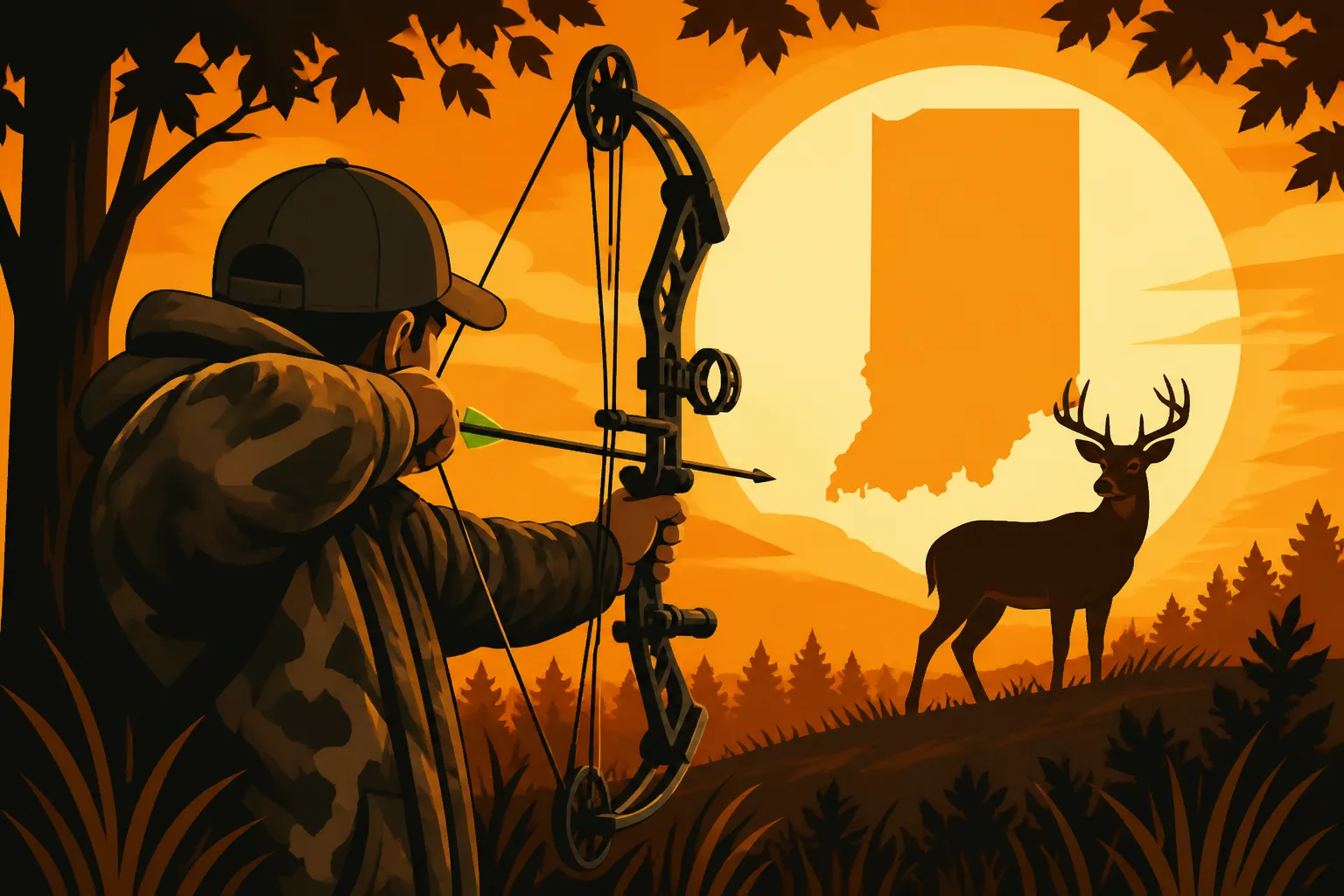
That crisp September morning, when the leaves just start to hint at fall colors, is what every Indiana bowhunter dreams about. But let's be honest, the excitement of archery season opening day often comes with a dose of uncertainty. What's the deer activity really like after all those summer patterns? Are all those scouting efforts going to pay off, or will the deer have completely shifted? This guide is here to walk you through everything you need to know to make your opening day a success, from understanding the specific dates and regulations to effective early-season tactics and how to adapt to unexpected challenges.
Marking Your Calendar: Indiana Archery Season Dates and Regulations
There's nothing quite like the anticipation leading up to the start of archery season in Indiana. We spend months dreaming, scouting, and practicing, all for that first legal opportunity to get into the woods. But before you even think about hanging a stand or drawing your bow, you've got to be absolutely sure about the official dates and the current regulations. Missing a key detail can ruin your hunt before it even begins, and nobody wants that kind of frustration.
Understanding the Official Opening Day
For many years now, Indiana's archery season has consistently opened on October 1st. This is a date etched into the minds of Hoosier bowhunters. It marks the shift from pre-season scouting and summer patterns to active hunting. While the firearms and muzzleloader seasons have seen some significant changes and expansions over the years, the archery opener has remained a steadfast beacon of fall for us. Knowing the exact opening day for Indiana Archery Season Opening Day allows you to plan your work schedule, family commitments, and final preparations with precision. It's not just a date on a calendar; it's a launchpad for months of incredible hunting opportunities. For a broader overview of the entire season, it's always a good idea to review the full Indiana Deer Season Structure Explained.
Key Licensing and Equipment Rules
Before you head afield, you'll need the proper licensing. Every resident or non-resident hunter needs a valid hunting license. Most dedicated deer hunters opt for the Indiana Resident Deer Bundle Cost or Indiana Nonresident Deer Bundle Cost which typically includes a bundle of deer tags. You can purchase these easily through the Indiana DNR's Go Outdoors Indiana website, or through authorized license vendors across the state. It’s always best to get your licenses well in advance to avoid any last-minute stress.
When it comes to equipment, Indiana's archery season is quite hunter-friendly. Both traditional bows and compound bows are legal, of course, but so are crossbows. There's often a bit of discussion around crossbows, but the fact is, they've been fully integrated into the archery season for a while now. If you're considering using one, it's worth checking out the specific Crossbow Rules During Indiana Archery Season to ensure your setup meets all requirements. For traditional archers, make sure your bow meets the minimum Bow Draw Weight for Indiana Whitetails to ensure a clean, ethical harvest. Using an app like GoHunt can also help ensure you have your license info digitally on hand and quickly check local regulations if you have any doubts while in the field.
Early Season Scouting and Shifting Deer Behavior
The early season, especially opening day, can be a tricky time. What worked during your summer scouting might not hold true when the leaves start to change and hunting pressure begins. Deer are creatures of habit, but they're also highly adaptable, and the transition from late summer to early fall brings significant changes to their world. Understanding these shifts is crucial for any bowhunter hoping to punch a tag.
Adapting from Summer Patterns
Throughout July and August, we spend countless hours running trail cameras, observing deer in bean fields, and noting consistent travel routes. Bachelor groups of bucks are often seen together, and their patterns can seem incredibly predictable. But then September rolls around, temperatures cool, and the first acorns start to drop. Suddenly, those wide-open field edges that were hot spots a month ago might be completely barren. This is a common frustration, and it's because deer, especially mature bucks, begin to disperse from their summer groups and transition to their fall ranges.
The shift isn't just about food sources; it's also about increasing hunting pressure, even if it's just from other hunters scouting. Those daytime field visits quickly become nocturnal. Instead of relying solely on summer observations, opening day demands that you factor in these changes. Focus on areas where food sources are transitioning, like early dropping white oaks, or where new browse has become available after a rain. Using a tool like GoHunt to look at aerial imagery can help identify these subtle shifts in habitat that might be missed on the ground during a quick scout.
Importance of Pre-Season Scouting (Not Just Summer)
While summer scouting provides a baseline, what you do in the weeks leading up to the season is arguably more important. This "pre-season" window, typically late August through September, is when you should be confirming those summer patterns or, more likely, identifying where deer have moved. Look for fresh sign: rubs, scrapes (even early ones), and fresh tracks along pinch points and funnels. Remember, deer are beginning to put on weight for the rut and winter, so their focus is heavily on accessible, high-energy food sources.
Consider the thermal advantages of early season stands. Warm days often mean deer move more in the mornings and evenings, and less during the heat of the day. They'll bed in thick, cool cover, often near water. Your scouting should identify these bedding areas and how deer travel between them and emerging food sources like soft mast or early-dropping hard mast. Don't be afraid to pull some of your trail cameras and redeploy them in areas where you expect new fall activity. For a deeper dive into effective pre-season preparation, take a look at our guide on Scouting Indiana Public Land Before Season.
Tactics for Opening Day Success
Opening day can feel like a high-pressure situation, but with the right tactics and a clear understanding of early season deer behavior, you can significantly increase your odds. It's not about being lucky; it's about being prepared and knowing how to adapt when those plans inevitably go sideways.
Strategic Stand Placement
For opening day, your stand placement needs to be absolutely dialed in for early season deer activity. Forget the full-blown rut stand on a ridge-top saddle for now; those will come later. Your primary focus should be on food-to-bedding transitions and vice versa. Think about fresh food sources like white oaks dropping acorns, persimmon trees, or even certain standing crops if you're hunting near agricultural fields. Deer will often hit these food sources right at first light or just before dark.
Consider your entry and exit routes carefully. With leaves still on the trees, cover is abundant, but deer are still on high alert. You want to be able to get to and from your stand without alerting any deer, especially those that might be lingering around food sources. This means using natural terrain features, creek beds, or dense brush for concealment. A good strategy for farmland deer can be finding Entry Routes Through Standing Corn or other tall crops that offer excellent cover. Make sure your stand is set up for the prevailing wind direction for the first few days of the season, but also have a backup plan for shifting winds. The goal is to be invisible and scent-free.
Scent Control and Quiet Movement
Scent control is paramount, especially in the early season. Warmer temperatures mean human odor can linger longer and spread further. Invest in quality scent-eliminating sprays, wash your hunting clothes in scent-free detergent, and store them in airtight bags or containers. A full scent control regimen, including showering with scent-free soap and wearing rubber boots, is not overkill on opening day. You're trying to fool an animal with an incredible sense of smell, so every little bit helps.
Beyond scent, quiet movement is critical. The woods are often dry and crunchy on October 1st, making it easy to create noise. Walk slowly, pick up your feet, and avoid breaking twigs. Consider paths of least resistance, like old logging roads or creek bottoms, where your footsteps might be muffled. The ability to move silently to and from your stand, and even in your stand, can be the difference between a successful hunt and an empty-handed walk back to the truck. This attention to detail is part of what makes Bowhunting Indiana's Long Archery Season so rewarding.
| Key Opening Day Considerations | Description |
|---|---|
| Official Opening Date | October 1st for the statewide archery season. |
| Required Licenses | Valid Indiana hunting license and appropriate deer tags (e.g., deer bundle). |
| Legal Equipment | Compound bows, traditional bows, and crossbows are all permitted. |
| Primary Food Sources | Early dropping white oaks, persimmons, soft mast, standing crops (soybeans, corn edges). |
| Deer Behavior | Shifting from summer patterns, bachelor groups breaking up, increased focus on food for weight gain, wary of new pressure. |
| Optimal Stand Locations | Food-to-bedding travel corridors, pinch points near food, sheltered pockets with fresh browse. |
| Scent & Noise Management | Crucial due to warmer temps and dry leaves; meticulous scent control and slow, quiet movement are essential. |
Addressing Early Season Challenges and Adaptability
Even with the best preparation, opening day in Indiana can throw curveballs. Hunting pressure, unpredictable weather, and deer that just aren't cooperating are all part of the game. The successful hunter isn't just someone who follows a plan, but someone who knows how to pivot and adapt when things don't go as expected.
Dealing with Hunting Pressure
It's no secret that opening day often brings the highest concentration of hunters to public lands. This immediate increase in human activity can drastically alter deer behavior, often pushing them into thicker, harder-to-reach cover. If you arrive at your planned spot only to find another truck already parked there, don't despair. This is where having backup spots or a good understanding of deer sanctuary areas comes into play.
Instead of fighting the crowds, try to find less-pressured pockets of cover adjacent to areas where others are likely to hunt. Deer often use these thickets as havens, moving through them during daylight hours to avoid human disturbance. You might need to walk a little further, or push into terrain that other hunters avoid. Sometimes, just a quarter-mile deeper into a remote corner of a state forest can make all the difference. Remember, those deer want to avoid you as much as you want to find them. Tools like GoHunt can help you identify these overlooked pockets on public land by showing terrain features and cover density.
Adapting to Weather and Deer Movement
Early October weather in Indiana can be wildly inconsistent. One day it's unseasonably warm and humid, the next it's crisp and cool. These temperature swings heavily influence deer movement. On hot, stagnant days, deer movement might be largely nocturnal or confined to the coolest parts of the day, often near water. On cooler, breezy days, they'll be much more active.
Being adaptable means having a plan for different conditions. On warm days, focusing on shaded creek bottoms, north-facing slopes, or dense thermal cover where deer bed to stay cool might be more productive. As temperatures drop, deer may venture out earlier and stay out later, making food sources more reliable. Pay attention to cold fronts rolling in; the days immediately following a significant temperature drop can often trigger increased deer activity. It's not about forcing your plan onto the deer, but letting the conditions guide your approach.
Final Preparations and Mindset for Opening Day
Opening day isn't just about the hunt; it's about the culmination of months of anticipation and preparation. Making sure everything is in order and cultivating the right mindset can significantly enhance your experience and chances of success.
Gear Checks and Essential Items
Before you head out, do a thorough check of all your gear. Is your bow tuned and sighted in? Are your broadheads sharp? Do you have enough arrows? Check your safety harness for any wear and tear. Make sure your headlamp works and has fresh batteries – you never want to be walking out of the woods in the dark with a dead light. Pack plenty of water, especially if the forecast calls for warm temperatures, and bring snacks to keep your energy up during those long sits.
Don't forget the essentials for after the shot. Having a plan for processing your deer, especially on a warmer early season day, is crucial. This means having sharp knives, game bags to protect the meat, and a cooler with ice readily available back at the truck. For more on this, check out our article on Coolers and Game Bags for Early Archery. Think through every step, from the moment you release the arrow to getting the meat into the freezer.
Cultivating a Patient and Resilient Mindset
Finally, opening day demands patience and resilience. You've been waiting for this moment, and the excitement can be overwhelming, sometimes leading to impulsive decisions. Resist the urge to rush into your stand or move too quickly through the woods. Deer, especially mature bucks, are incredibly wary, and the smallest mistake can blow your chance.
Embrace the process. Enjoy the quiet of the morning, the sounds of the woods waking up, and the simple fact that you're out there. If opening day doesn't yield a deer, that's okay. It's one day in a long How Indiana's Archery Season Runs Into January. Learn from what you observed, adjust your strategy, and go back out there with renewed determination. The early season is a marathon, not a sprint, and the joy is in the journey as much as the harvest.
Disclaimer
Hunting is a challenging and potentially dangerous activity. This guide provides general information and should not replace official Indiana Department of Natural Resources regulations or certified hunter education courses. Always prioritize safety, respect wildlife, and adhere to all local, state, and federal laws. Ensure you have proper licenses and permits before hunting. Conditions and regulations can change, so always verify the most current information directly with the Indiana DNR.