How Reduction Zone Bag Limits Differ
It's incredibly frustrating when you're trying to plan your deer season, maybe hoping to fill the freezer, and then you stumble upon these "deer reduction zones" with different rules. It feels like the Indiana DNR just loves throwing curveballs sometimes, making you wonder if your regular tags even count or if you need something extra. This guide is here to clear up all that confusion about how bag limits differ in these special areas, so you can hunt with confidence and get those extra deer.
What Exactly Are Indiana Deer Reduction Zones?
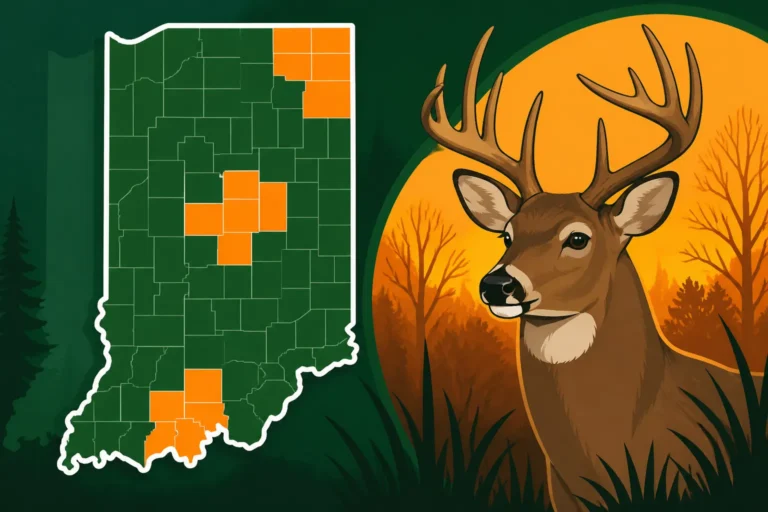
Let's start by demystifying what these reduction zones actually are. Essentially, the Indiana Department of Natural Resources (DNR) designates specific areas across the state as deer reduction zones when deer populations become too high and cause significant issues. We're talking about places where deer are literally eating farmers out of house and home, causing an increase in vehicle collisions, or where local landowners are constantly battling browse damage to their landscaping and forests. These aren't just arbitrary lines on a map; they're carefully identified problem areas where the deer herd's density is out of balance with the local environment and human interests.
The "why" behind these zones is pretty straightforward: managing the herd. While we all love seeing deer, an overabundance can lead to unhealthy herds, increased disease transmission like EHD, and significant economic losses for agricultural communities. The DNR's goal is to reduce the deer numbers in these localized spots to a more sustainable level, alleviating these pressures while still maintaining a healthy, viable deer population statewide. It's a balancing act, and these zones are a key tool in their management strategy. Often, these zones are located closer to urban and suburban areas, or in intensely agricultural regions where traditional hunting pressure might not be enough to control populations effectively.
Understanding the Unique Bag Limits in Reduction Zones
This is where the rubber meets the road, and honestly, where most of the confusion arises. Unlike the general statewide bag limits that apply across most of Indiana, reduction zones operate under a completely different set of rules designed to encourage hunters to take more deer. The primary difference is often the allowance of additional antlerless deer.
In a standard hunting unit, you generally have your regular deer licenses – an archery tag, a firearms tag, a muzzleloader tag, and maybe a bonus antlerless tag or two depending on the season and region. However, in a designated deer reduction zone, these initial tags still apply, but hunters are typically allowed to harvest an unlimited number of antlerless deer after they've taken their first deer in the archery, firearms, or muzzleloader season. Yes, you read that right: unlimited antlerless deer. This is a massive shift from the usual restrictions and is specifically designed to maximize antlerless harvest in these problem areas.
Let's break down how this usually works. You purchase your regular deer license, which includes at least one antlered deer tag and one antlerless deer tag. When you hunt in a reduction zone, you can fill that first antlerless tag. After you’ve successfully harvested and checked in your first deer (which can be antlered or antlerless, though the focus in these zones is antlerless), you can then continue to harvest additional antlerless deer using "reduction zone tags." These are usually free or very inexpensive tags that you can obtain after purchasing your initial license. The catch is that you must harvest at least one deer in that zone during a valid season before you can use the special reduction zone tags. It's designed to ensure hunters are actively participating in the reduction effort.
It’s crucial to remember that this "unlimited antlerless" opportunity is only for antlerless deer, and it's only valid within the boundaries of the specific reduction zone. You can't just take these extra tags and go fill them outside the designated areas. This emphasis on antlerless harvest is key because does are the reproductive engine of the herd. By increasing the harvest of does, the DNR aims to slow population growth and bring numbers down more quickly. If you're looking to fill the freezer with venison, these zones can be an incredible opportunity, especially during the longer periods like How Indiana's Archery Season Runs Into January.
Comparing Statewide and Reduction Zone Bag Limits
To really grasp the difference, let's look at a typical comparison. This table illustrates the general idea, but always double-check the current Indiana DNR hunting guide for the most up-to-date regulations for specific zones and seasons.
| License/Situation | General Statewide Bag Limit (Typical) | Deer Reduction Zone Bag Limit (Typical) |
|---|---|---|
| Archery Season | 1 Antlered, 1 Antlerless | 1 Antlered, Unlimited Antlerless (after initial deer) |
| Firearms Season | 1 Antlered, 1 Antlerless | 1 Antlered, Unlimited Antlerless (after initial deer) |
| Muzzleloader Season | 1 Antlered, 1 Antlerless | 1 Antlered, Unlimited Antlerless (after initial deer) |
| Bonus Antlerless | 1 or 2 per hunter, depending on county | Unlimited (after initial deer) |
| Youth Season | 1 deer (antlered or antlerless) | 1 deer (antlered or antlerless), additional antlerless per zone rules |
| Special Reduction Zone Tags | Not applicable | Available after first deer harvest in zone |
Note: "Initial deer" means your first deer checked in a reduction zone during any valid season. After that, you can take unlimited antlerless deer using reduction zone tags until the season ends.
This table makes it clear: the reduction zones are where you can really make a dent in the local deer population, and your freezer, by targeting does. This becomes particularly relevant if you're hunting in counties that are also part of Indiana's Chronic Wasting Disease Positive Area, where increased harvest might be encouraged for disease management reasons as well.
Practical Considerations for Hunting in Reduction Zones
Hunting in reduction zones isn't just about knowing the rules; it's about adapting your strategy to make the most of the opportunity and navigate the unique challenges these areas present. These zones often include public land, but just as frequently, they encompass private land that might be more accessible due to landowners actively seeking to reduce deer damage.
First and foremost, you absolutely must verify the specific boundaries and regulations for any reduction zone you plan to hunt. The boundaries can be quite intricate, often following roads, property lines, or natural features. A mapping app like GoHunt, or the official Indiana DNR map tools, are indispensable for this. They allow you to overlay property lines and zone boundaries, ensuring you're always within legal hunting areas. There's nothing worse than thinking you're in a special zone only to find out you're just outside it after a successful hunt.
Given that many reduction zones are near suburban areas or agricultural fields, hunting pressure can be a significant factor. While the goal is to increase harvest, more hunters can also mean deer that are warier and more nocturnal. This means scouting is even more critical. Look for undisturbed pockets, travel corridors between feeding and bedding areas, and pinch points. Consider tactics for Hunting Northern Indiana Farmland Deer if you're in one of those areas, or if it's hilly, look into Treestand Setups in Hoosier National Forest for elevation advantages. You might also find yourself hunting smaller woodlots surrounded by fields, requiring different strategies than vast forest tracts.
Another key consideration is ethics and public perception. Hunting in areas closer to populated zones means you're often more visible to non-hunters. Be extra mindful of safe shooting lanes, respecting property boundaries, and presenting a positive image of hunting. Ensure you're familiar with Indiana Firearms Discharge Setback Rules to avoid any issues. This is especially true when utilizing the unlimited antlerless tags; you don't want to create any negative sentiment.
Finally, planning for meat processing is essential, especially if you plan on taking multiple deer. An unlimited antlerless tag can quickly fill a freezer. Make sure you have the capacity, knowledge, or a trusted local butcher lined up. During late season, Late-Season Food Sources for Indiana Whitetails will be key to finding deer.
Finding and Utilizing Reduction Zones Effectively
So, how do you find these magical zones where extra deer can be harvested? The most reliable source is always the Indiana DNR website. They publish an updated list of all active deer reduction zones each year, usually identifying them by county and often with specific boundaries or town limits. Checking the annual hunting regulations guide is paramount. You can typically find this information directly on the DNR's "Go Outdoors Indiana" portal, or within their interactive mapping applications.
Once you’ve identified a potential zone, the real work begins.
Start by using digital mapping tools. Apps like GoHunt are incredibly helpful for visualizing the boundaries of these zones, identifying public land within them, and even pinpointing potential access points on private land. You can often see historical aerial imagery to spot hidden food plots or bedding areas. This kind of detailed reconnaissance before you even step foot in the woods can save you hours of wasted effort and ensure you're hunting legally and effectively.
For hunters focusing on public lands, reduction zones can be a boon. Many Indiana Fish and Wildlife Areas (FWAs) or State Forests might be entirely or partially within a reduction zone, offering excellent opportunities. Understanding How Many Acres of Public Land Indiana Has can give you a broader perspective on available ground, but pinpointing specific tracts within reduction zones is the goal.
When it comes to private land, reduction zones can sometimes make gaining permission easier. Landowners experiencing significant deer damage are often more open to hunters who can help reduce their deer population. When you explain that you're hunting in a reduction zone and aiming to take antlerless deer, they'll often be receptive. Always ensure you have clear, preferably written, permission before hunting any private ground. Don't be afraid to Knocking on Doors in Indiana Farm Country.
Remember, the flexibility of these zones is a tool for the DNR, and it’s a great tool for hunters too. If your primary goal is venison, or if you simply want more hunting opportunities beyond your typical buck tag, taking advantage of these reduction zones, especially when Hunting the Indiana Rut in Early November can be incredibly rewarding. Just make sure you understand the rules, have the proper licenses, and respect the boundaries. Don't forget, all deer taken in a reduction zone, like any other deer in Indiana, must be properly reported to the DNR, often through their online system or app. This is how the DNR tracks harvest numbers and assesses the effectiveness of these management strategies. Knowing The Indiana Deer Reporting Deadline is crucial.
Disclaimer
Hunting regulations can change frequently. While this guide provides comprehensive information, always consult the most current Indiana Department of Natural Resources hunting regulations and local ordinances before heading afield. It is the hunter's responsibility to know and follow all applicable laws.