Indiana Fall Turkey Bag Limit
When the leaves start to turn and there's a crisp bite in the autumn air, most Hoosier hunters are laser-focused on deer. But for those of us who love chasing wild turkeys, the fall season offers a unique challenge and a different kind of reward. It’s easy to get tangled up in the various rules and regulations, especially when you're trying to figure out exactly how many turkeys you can actually take home. This guide is here to untangle all that, specifically focusing on the Indiana fall turkey bag limit and helping you understand the nuances of filling your tag in the cooler months.
Understanding Indiana's Fall Turkey Bag Limit
Let’s get right to it, because this is often where the most confusion lies. Unlike the more generous spring season, Indiana's fall turkey bag limit is quite specific and, for many, a bit more restrictive than they might expect. It’s crucial to understand this before you even head into the woods, because knowing your limits helps you plan your hunt and ensure you’re always staying on the right side of the law.
The Single Bird Rule
For both the archery and firearms portions of Indiana's fall turkey season, the bag limit is set at one wild turkey of either sex. That's right, just one. This means you can legally harvest either a gobbler or a hen. There's no separate limit for bearded birds like in the spring, and you don't get a second tag if you fill your first one early. Once you harvest that one bird, your fall turkey season is officially over, regardless of how many days are left in the calendar. This rule applies to everyone, whether you're hunting private land or public access points like those managed by the DNR.
Many hunters find this a bit challenging, especially if they're used to the spring's two-bird limit. But it's designed with conservation in mind. Fall turkey hunting can put more pressure on hens, which are vital for future populations. By limiting the harvest to a single bird of either sex, the state helps ensure healthy turkey numbers persist year after year. It's about balancing opportunity with sound wildlife management, and as hunters, that's something we can all appreciate. Always make sure to check the current year's regulations on the Indiana DNR website or through reliable hunting apps like GoHunt, as rules can sometimes see minor adjustments.
Why the Limit Differs from Spring
The contrast between the spring and fall turkey bag limits in Indiana is quite stark, and it's rooted deeply in turkey biology and management goals. In the spring, hunters are typically allowed to harvest up to two bearded turkeys. The emphasis here is on "bearded," which overwhelmingly means gobblers. This spring season strategy is designed to selectively harvest male turkeys that have already participated in the breeding cycle, thereby minimizing the impact on the reproductive success of the flock. Hens are typically off-limits, protecting the primary breeders.
However, fall hunting is a different ballgame. Turkeys at this time of year are usually in larger, mixed-sex flocks, often made up of hens and their poults (young turkeys), along with some adult gobblers. The primary goal of fall hunting isn't about targeting individual breeding males, but rather managing overall population numbers and providing a general hunting opportunity. Allowing the harvest of "either sex" in the fall gives hunters flexibility but is offset by the strict "one bird" limit to prevent overharvest, especially of hens who are critical for next year's hatch. Protecting those hens is paramount to maintaining a robust turkey population in Indiana. Think of it as a strategic move: in spring, we're careful not to interfere with the love affairs, and in fall, we're gently trimming the flock without cutting too deep into the future.
Navigating Fall Turkey Seasons and Methods
Indiana's fall turkey season isn't a monolithic block of time; it's actually split into different segments based on the hunting method. This can add another layer of complexity to understanding the overall regulations. Knowing when and where you can hunt with a bow versus a firearm is just as important as knowing the bag limit itself.
Archery Season Specifics
The archery season for fall turkeys in Indiana typically opens in early October and runs for a significant period, sometimes extending right up to or even overlapping with the firearms deer season. This longer archery window provides ample opportunity for bowhunters to get out in the woods. During this time, you can use your vertical bow or crossbow to pursue that single either-sex turkey. The rules around Crossbow Rules During Indiana Archery Season are the same for turkey as they are for deer, so if you're comfortable with your setup for whitetails, you're good to go for turkeys too.
One of the great things about the fall archery turkey window, as explored in articles like Hunting the Fall Archery Turkey Window, is the chance to experience the woods when it's still relatively warm and before the full deer hunting pressure sets in. You’ll often find turkeys in their large fall flocks, moving through hardwoods, working food sources, and offering some really exciting hunting. Whether you're still-hunting, ambushing, or even trying some light calling, archery season provides a quieter, often more solitary experience before the main rush of gun season. Just remember, that single bird limit applies, so make every shot count!
Firearms Season County Restrictions
Now, this is where things get a bit more nuanced and require careful attention. The firearms portion of Indiana's fall turkey season is not statewide. Unlike the spring season, fall firearms turkey hunting is restricted to a specific list of counties. This means you absolutely cannot just head out with your shotgun in any county you choose. The Indiana DNR publishes an Indiana Fall Firearms Turkey County List each year, and it’s non-negotiable. Typically, these are counties where turkey populations are robust enough to withstand additional harvest pressure, or where there might be specific management goals in place.
Failing to check this list is one of the quickest ways to run afoul of the law. Imagine driving hours to a prime hunting spot only to realize that county isn't open for firearms turkey hunting! To avoid this kind of frustration, it's wise to consult the official DNR hunting guide or use a mapping tool that integrates these regulations, like those offered by GoHunt, well in advance. These restrictions are in place for good reasons, primarily to ensure turkey populations remain healthy and sustainable across the state. Respecting these boundaries is a crucial part of being a responsible hunter and helps preserve the sport for future generations.
Here's a quick comparison of the key differences between Indiana's spring and fall turkey seasons:
| Feature | Spring Turkey Season (Bearded) | Fall Turkey Season (Either Sex) |
|---|---|---|
| Bag Limit | Two (2) bearded wild turkeys | One (1) wild turkey (either sex) |
| Primary Target | Adult gobblers | Hens, jakes, or gobblers |
| Legal Weapons | Shotgun, bow, crossbow, muzzleloading shotgun | Shotgun (in designated counties), bow, crossbow, muzzleloading shotgun |
| Season Length | Typically 2-3 weeks in late April/early May | Archery: Roughly 1.5 months (Oct-Nov); Firearms: Roughly 1 month (late Oct-late Nov) |
| Statewide? | Yes, generally for all legal methods | Archery: Yes; Firearms: No, county-restricted |
| Conservation Focus | Protect breeding hens, harvest surplus males | Manage overall population, provide general harvest opportunity |
Essential Regulations Beyond the Bag Limit
While the bag limit is a critical piece of the puzzle, responsible fall turkey hunting in Indiana involves understanding a few other key regulations. These rules ensure ethical hunting practices, aid in wildlife management, and keep everyone safe in the woods. Overlooking these details can lead to headaches, fines, or worse, so let's cover the essentials.
Reporting Your Harvest
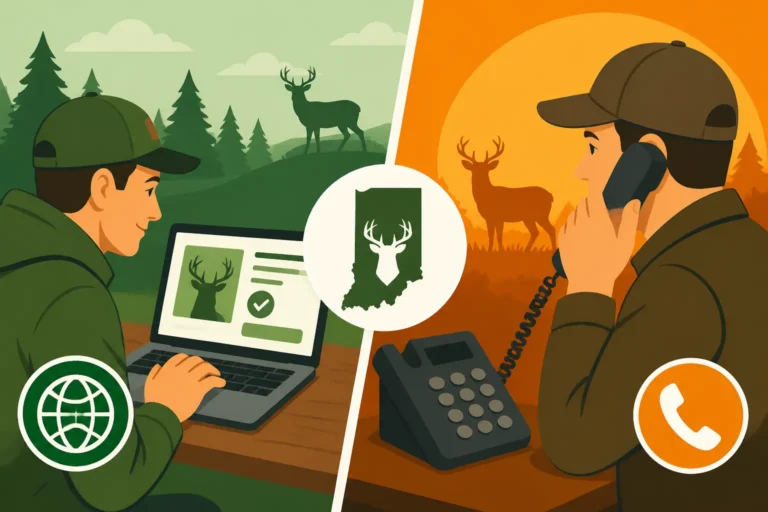
Just like with deer, reporting your turkey harvest in Indiana is not optional – it’s a mandatory requirement. Whether you tag a gobbler or a hen in the fall, you are legally obligated to register your bird within 48 hours of harvest. This isn't just bureaucratic red tape; it's a vital tool for wildlife biologists. The data collected from hunter harvest reports allows the Indiana DNR to monitor Indiana Turkey Population Trends, assess the health of the turkey population, and make informed decisions about future season structures and bag limits. Without accurate reporting, they're flying blind, and that's not good for anyone who cares about wild turkeys.
You have a few convenient ways to report your harvest. The easiest and most common method for many hunters these days is through the Indiana DNR's online check-in system or the Go Outdoors Indiana mobile app. If you've ever reported a deer through the app, the process for a turkey is virtually identical. You'll need your license information and details about your harvest, such as the date, county, and sex of the bird. Keep your confirmation number handy as proof of registration. For those who prefer, you can also report by phone. Just make sure it gets done within that 48-hour window!
General Rules and Safety Considerations
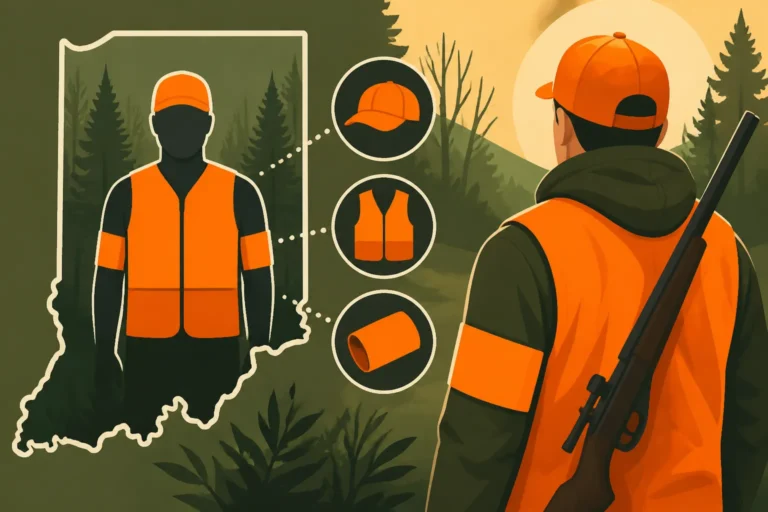
Beyond the specific bag limit and reporting, a few other general rules and safety considerations are paramount when fall turkey hunting in Indiana. First and foremost, blaze orange requirements must be observed. While often associated with deer firearms season, there are specific times and circumstances when hunters on public land, and sometimes private, need to wear blaze orange. Always check the current regulations, especially if you're hunting during an overlap with deer season. Remember, safety always comes first, and making yourself visible is a non-negotiable. You can read more about Indiana Blaze Orange Requirements to be sure you're compliant.
Secondly, understanding legal methods of take is crucial. For fall turkeys, shotguns (in open counties), bows, crossbows, and muzzleloading shotguns are generally permitted. Rifles are not legal for turkey hunting in Indiana, despite the recent changes allowing them for deer statewide. Also, remember that baiting turkeys is illegal, as is hunting over a baited area. Finally, ethical hunting means positively identifying your target. In the fall, with mixed flocks and "either sex" legality, this might seem less critical than identifying a bearded bird in spring. However, taking a shot at a bird you haven't clearly identified still risks harming non-target species or other hunters. Always be certain of your target and what lies beyond it before taking a shot.
Strategies for Success with the Fall Limit
With that one-bird limit, making your fall turkey hunt successful takes a bit more finesse and strategy than simply relying on sheer numbers. Fall turkeys behave differently than their spring counterparts, and understanding these behaviors is key to locating and harvesting your bird. It's not about love and gobbling anymore; it's all about food and flock dynamics.
Scouting and Locating Flocks
The absolute cornerstone of successful fall turkey hunting is thorough scouting. Unlike spring, when gobblers might broadcast their presence with booming calls, fall turkeys are often much quieter. They’re focused on food and security, moving in larger flocks that can be surprisingly elusive if you don’t know their patterns. Before the season, spend time in the woods looking for fresh turkey sign: tracks, droppings, and scratchings in the leaf litter where they've been feeding. Hardwood ridges with abundant acorns are prime locations, as are fields that have recently been harvested, offering spilled grain.
Tools like GPS apps and aerial maps can be incredibly valuable for Scouting Indiana Public Land Before Season and identifying potential food sources, roosting areas, and travel corridors. Look for areas with a mix of mature timber for roosting, dense cover for security, and open areas for feeding. Pay close attention to subtle terrain features like creek bottoms, saddles, and benches – these can act as natural funnels that turkeys use consistently. If you can find the flocks, you’re halfway to filling that single tag. Don't be afraid to put some miles on your boots before the season even starts; that pre-season legwork often pays off big time.
Calling and Hunting Techniques
Once you've located some turkeys or identified promising areas, your hunting techniques will shift from spring strategies. In the fall, turkeys are very vocal within their flocks, using clucks, yelps, and kee-kee runs to communicate. The classic fall strategy involves breaking up a flock and then calling the birds back together. If you bust a flock, spread out and wait patiently. After about 15-30 minutes, start with soft, pleading yelps or a kee-kee run to mimic a lost bird trying to regroup. Young birds, especially, are often eager to get back with the main flock, making them susceptible to this strategy. You can also learn more about specific techniques in guides like Hunting the Fall Firearms Turkey Counties.
Still-hunting can also be very effective. This involves moving slowly and quietly through known turkey habitat, stopping frequently to listen and scan. Move with the wind in your face to carry your scent away and muffle any noise. When you spot turkeys, try to get ahead of their travel path or set up an ambush along a route they are likely to take. Decoys can sometimes work in the fall, but they're generally less critical than in the spring. A simple hen or jake decoy can add visual realism, but relying on solid calling and strategic positioning after locating a flock will often yield better results for that single Indiana fall turkey.
Disclaimer
Please remember that hunting regulations can change. While every effort has been made to provide accurate and up-to-date information, it is your responsibility to consult the most current Indiana DNR hunting regulations before heading afield. Always verify season dates, bag limits, and specific county restrictions.