How Much Blaze Orange Indiana Requires
It's an age-old question that keeps many Indiana hunters scratching their heads: exactly how much blaze orange do you really need to wear out in the woods? It seems simple enough, but the rules aren't always crystal clear, leading to unnecessary worry or, worse, accidental violations. This guide is here to untangle the nuances of Indiana's blaze orange requirements, ensuring you stay safe, legal, and confident during your hunts.
The Basics: Why Blaze Orange Matters in Indiana
Before we dive into the nitty-gritty of ounces and square inches, let's talk about why blaze orange is such a critical component of hunting safety in the Hoosier State. It's not just some arbitrary rule dreamt up by the DNR; it's a proven life-saver, designed to protect every single person who steps foot into the woods during hunting season.
Preventing Accidents and Enhancing Visibility
The primary purpose of blaze orange, often referred to as hunter orange, is to prevent hunting accidents by making hunters highly visible to one another. Deer, turkey, and most other game animals are dichromatic, meaning they see a limited spectrum of colors, similar to a human with red-green color blindness. To them, blaze orange often appears as dull gray or brown, blending into the natural environment. To human eyes, however, especially those of another hunter, it practically screams "person here!" against the muted backdrop of the woods.
Think about it: during deer season, especially when the leaves are down and visibility can be limited by thick brush, rolling terrain, or low light conditions, mistaking another hunter for game is a tragic possibility we all want to avoid. A flash of brown, a quick movement in the shadows – these are things that can lead to snap judgments. Blaze orange significantly reduces that risk. It acts as a universal signal, a bright beacon that says, "I am a human, not a deer." This is particularly crucial during popular seasons like the state's main firearms deer season, where public lands can see considerable traffic. The more visible you are, the less chance there is of another hunter making a dangerous mistake, and the safer everyone is in the field.
Understanding Indiana's Hunting Regulations
Indiana's Department of Natural Resources (DNR) takes hunter safety very seriously, and their regulations regarding blaze orange are a cornerstone of that commitment. These rules are detailed in the annual hunting and trapping guide, which every hunter should review thoroughly each year, as slight changes can occur. It’s not just about wearing some orange; it's about wearing the right amount in the right places at the right times.
Ignoring these regulations isn't just a safety oversight; it's a legal offense that can result in fines and even loss of hunting privileges. The rules are designed to create a baseline of safety for everyone, regardless of their personal preferences or hunting style. Whether you're still-hunting a ridge in the Hoosier National Forest or participating in a deer drive on private land, adhering to the blaze orange requirements is a non-negotiable part of being a responsible hunter. It’s a simple act that has profound implications for the well-being of yourself and your fellow outdoors enthusiasts. Familiarizing yourself with these specific rules, rather than relying on hearsay or assumptions, is key to a successful and safe hunting experience in Indiana. Many hunters use tools like the GoHunt app or the Indiana DNR's own mapping features to help navigate regulations and find specific land types.
Specific Requirements for Different Seasons and Game
Indiana's blaze orange requirements aren't a one-size-fits-all rule. They change depending on the specific hunting season, the type of game you're pursuing, and even the equipment you're using. Understanding these distinctions is crucial to ensure you're always in compliance.
Deer and Other Firearm Seasons
This is where the blaze orange rules are most stringent, and for good reason: firearms seasons inherently involve higher risks due to projectile range and power.
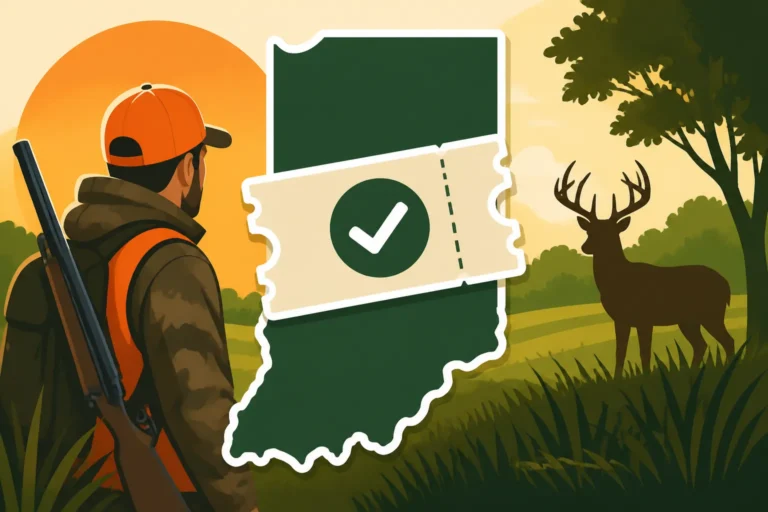
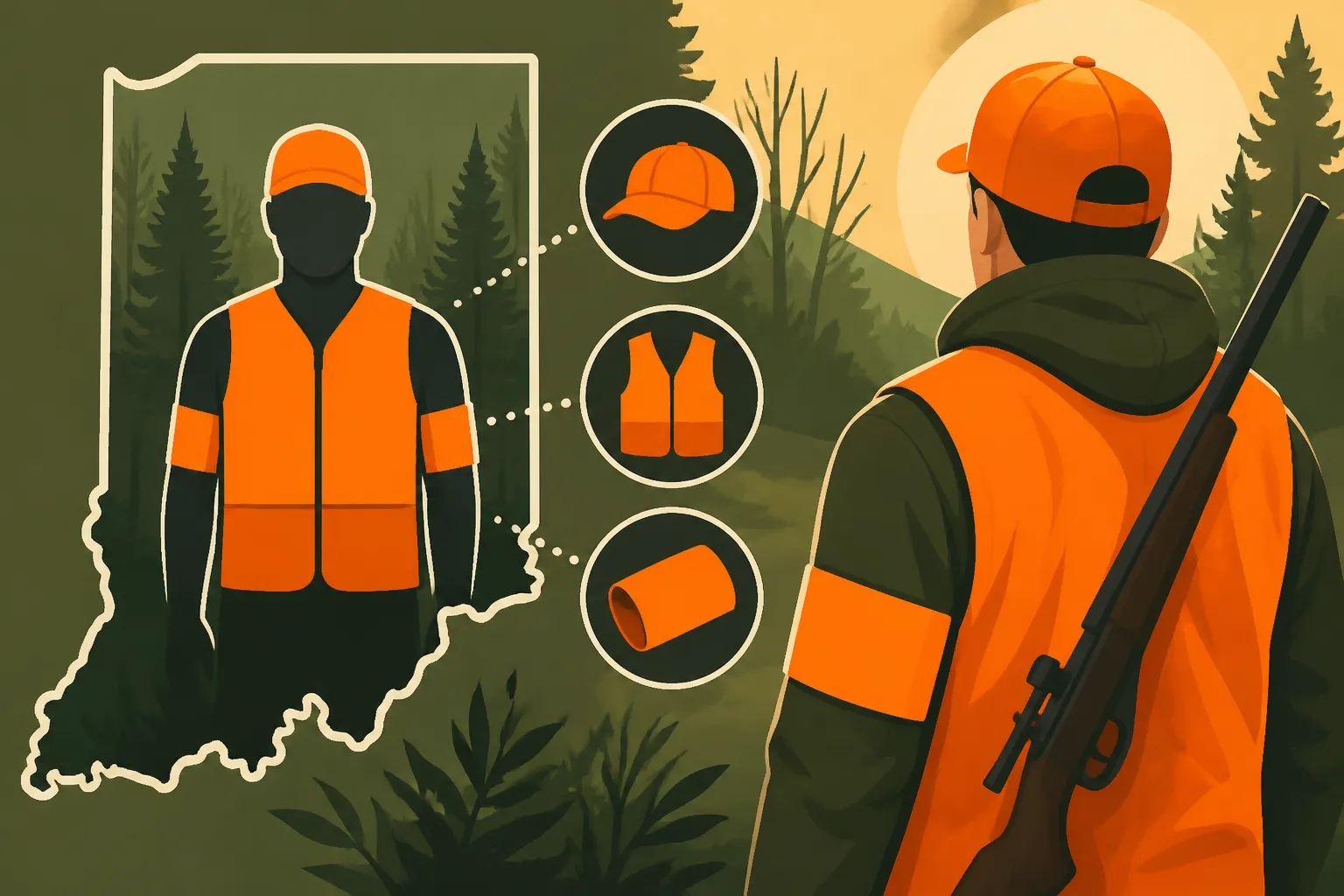
During Indiana's firearms deer season, anyone hunting deer with a firearm, or any other person in the field while deer are being hunted with a firearm, must wear blaze orange. This includes hunters pursuing other game like coyotes or small game during this overlapping period. The specific requirement mandates that you wear an outer garment of solid blaze orange (or fluorescent pink, which we'll discuss later) that is visible from 360 degrees. This means a vest, jacket, or coat that covers your torso and is not obscured by camouflage patterns or other clothing. Furthermore, you must also wear a blaze orange hat. The intent is to make your head and torso highly visible from all directions, whether you're standing, sitting, or moving through the brush. This critical visibility significantly reduces the risk during the busiest hunting period, particularly during Indiana Firearms Season Dates in November.
It's not just deer hunters either. If you're out Squirrel and Small Game Hunting in Indiana during any period that overlaps with an open firearms deer season, you too must adhere to these blaze orange rules. This is often a point of confusion for small game hunters, but the logic is sound: if a firearm deer hunter is in the area, their safety depends on seeing everyone. This general rule also applies to those hunting Predator Hunting in Indiana with firearms during deer seasons. Always double-check the current Indiana Deer Season Structure Explained to ensure you're aware of all overlapping seasons.
Archery and Muzzleloader Seasons
The rules for archery and muzzleloader seasons offer a little more flexibility, but it's important not to get complacent.
During the archery deer season, including the special How Indiana's Archery Season Runs Into January, blaze orange is not required for archery hunters. This often comes as a relief to bowhunters who rely on camouflage for close-range encounters. However, there's a significant caveat: if you're archery hunting during the firearms deer season, you must wear blaze orange just like everyone else. This overlap is key. So, while early archery season might allow full camo, once firearms season opens, even if you're still using your bow or crossbow, you need to be in orange. The same logic applies to Crossbow Rules During Indiana Archery Season. It’s always about the active season type and the presence of firearms hunters, not just your chosen weapon.
Muzzleloader season, which typically runs in December, has its own set of rules. For Muzzleloader Deer Hunting in Indiana, blaze orange is absolutely required, following the same 360-degree visible outer garment and hat requirements as the firearms season. Muzzleloaders are, after all, firearms, and the safety principles remain the same. While the crowds might thin out compared to the main firearms opener, visibility is still paramount, especially when hunting during Muzzleloader Deer Hunting in Indiana.
Here's a quick reference table for clarity:
| Hunting Season Type | Blaze Orange Required? | Specifics |
|---|---|---|
| Firearm Deer Season | YES | Solid outer garment (jacket/vest) visible 360 degrees, plus a blaze orange hat. |
| Archery Deer Season (pre-firearm overlap) | NO | Not required unless other firearms seasons are open concurrently, or you're on a public pheasant hunt. |
| Archery Deer Season (during firearm overlap) | YES | Same as Firearm Deer Season. |
| Muzzleloader Deer Season | YES | Same as Firearm Deer Season. |
| Small Game / Upland (during firearm overlap) | YES | Same as Firearm Deer Season. |
| Small Game / Upland (outside firearm overlap) | NO* | Not strictly required, but highly recommended for visibility. *See exceptions below. |
| Turkey Season (Spring/Fall) | NO | Not required due to specific turkey hunting tactics, though some fall seasons may overlap other rules. |
*Note: There are specific circumstances, such as hunting on stocked pheasant areas, where blaze orange may be required regardless of deer season overlap. Always consult the current Indiana hunting regulations for the most up-to-date and specific rules.
Upland Game and Small Game Considerations
For most upland game and small game hunting outside of the firearms deer season, blaze orange is generally not legally required by the Indiana DNR. For instance, when you're Rabbit Hunting Indiana Fencerows or chasing squirrels in the early fall, you can legally wear full camouflage.
However, just because it's not legally mandated doesn't mean it's not a smart idea. Many experienced small game hunters, especially those hunting with dogs, choose to wear blaze orange anyway for enhanced safety, particularly on public lands where other hunters might be present. When Pheasant Hunting Indiana Grassland areas, particularly stocked ones like Willow Slough Fish & Wildlife Area or Tri-County Fish & Wildlife Area, blaze orange is often specifically required by the property managers, even if it's not during a deer firearms season. These regulations are usually posted at check-in stations or on the DNR's property-specific rules.
So, while the legal requirement might be absent for certain small game scenarios, personal safety and the specific rules of the hunting area should always be your top priority. A simple blaze orange hat or vest can make a huge difference in how easily you are seen by others.
How Much is Enough Blaze Orange?
This is where the "how much" part of the question really comes into play. Indiana's regulations are specific, but there's also an element of practical application that hunters need to understand to truly be safe and compliant.
The "Wearing" Requirement: What it Really Means
Indiana law states that hunters must wear an outer garment of solid blaze orange (or fluorescent pink) and a blaze orange hat. The key here is "outer garment of solid blaze orange visible from 360 degrees." This isn't just a suggestion; it's a legal standard.
Let's break that down:
- Outer Garment: This means your blaze orange layer needs to be on top of all other clothing. You can't wear a blaze orange t-shirt and then cover it up with a camo jacket. The blaze orange needs to be the outermost layer, or at least significantly visible on the outermost layer.
- Solid Blaze Orange: This means the garment itself must be entirely blaze orange. While some camo patterns incorporate orange, they generally do not meet the "solid blaze orange" requirement because the camo breaks up the visibility. An exception exists for blaze orange mesh, which is allowed. So, a vest that is 100% blaze orange, even if it's mesh, is acceptable.
- Visible from 360 Degrees: This is the most critical part. Imagine you're standing in the woods. From any direction, someone should be able to clearly see your blaze orange. This often means the vest or jacket needs to wrap around your entire torso. If your backpack completely covers the orange on your back, you might not be compliant. If you're wearing a thin strip of orange on your chest, but your side profile or back shows only camouflage, you're not meeting the 360-degree rule. This is why full vests or jackets are universally recommended.
- Blaze Orange Hat: Your hat must also be solid blaze orange. Again, a camo hat with a bit of orange trim isn't enough. A full, solid orange cap or beanie is required.
The DNR's goal is maximum visibility. When scouting Reading Aerial Photos for Southern Indiana Deer or navigating Hoosier National Forest Hunting, understanding these precise requirements is essential. It's not about being clever to skirt the rules; it's about embracing safety. GoHunt (and other mapping apps) can show public land boundaries, which is crucial for knowing where these rules are enforced.
Practical Tips for Maximizing Visibility
Beyond the letter of the law, there are several practical steps you can take to enhance your visibility and safety even further:
- Choose the Right Gear: Opt for a blaze orange vest or jacket that fits well over your other layers, including a backpack, without bunching up or becoming obscured. Some vests are designed with extra material or straps to accommodate packs. Make sure the color is a true, vibrant blaze orange, not a faded or dull orange.
- Layer Smartly: Since blaze orange needs to be an outer garment, plan your cold-weather hunting clothing with this in mind. Your base layers and insulation can be anything, but your final outer layer during firearms or muzzleloader season must be the required orange. If you're using Clothing for an Indiana Late Season, ensure your warmest outer layer is blaze orange.
- Consider Your Environment: If you're Hunting Indiana River Bottom Funnels with dense vegetation or Still-Hunting Southern Indiana Ridges with a lot of timber, visibility can be reduced. In these situations, adding a second blaze orange item, like a small panel attached to your backpack, can offer an extra layer of visibility, even if not strictly mandated.
- Stay Aware: Even with blaze orange, remain conscious of your surroundings. Avoid quick, erratic movements that could be mistaken for game. Before taking a shot, always confirm your target and what is beyond it, a fundamental lesson from Indiana Hunter Education Requirements. Blaze orange helps others see you, but it doesn't absolve you of your responsibility to identify your target.
- Utilize Blaze Pink: Indiana also allows fluorescent pink as an alternative to blaze orange. This is a great option for hunters who prefer it, offering the same high visibility as orange. When considering Blaze Pink Options Under Indiana Law, you'll find it meets all the same legal requirements.
By taking these steps, you're not just complying with the law; you're actively contributing to a safer hunting environment for everyone in the field, from the Indiana Resident License Options holder to the seasoned veteran.
Common Misconceptions and Best Practices
Despite clear regulations, a few common misunderstandings about blaze orange persist among Indiana hunters. Clearing these up and reinforcing best practices can make a big difference in safety and compliance.
Blaze Pink and Other Alternatives
A big step forward in recent years for hunter choice has been the acceptance of blaze pink. For a long time, blaze orange was the only color recognized for safety, but Blaze Pink Options Under Indiana Law now allow hunters to wear fluorescent pink garments. This color is scientifically proven to offer the same, if not superior, visibility to the human eye as blaze orange, especially against natural backgrounds.
This addition provides an excellent alternative for hunters who might prefer the color, or simply want more options in their hunting wardrobe. The requirements for blaze pink are identical to blaze orange: it must be a solid outer garment visible from 360 degrees, and paired with a fluorescent pink hat. This isn't just a fashion statement; it's about expanding options while maintaining the highest safety standards.
It's important to note that no other color is considered an acceptable substitute. Sometimes hunters might wear bright yellow or another neon color, thinking it's "close enough." It's not. Only blaze orange or fluorescent pink meet the legal requirements for hunter visibility in Indiana. Stick to these specific colors to ensure compliance and maximize safety.
When You Don't Need Blaze Orange
Knowing when blaze orange isn't required is almost as important as knowing when it is. Misinformation can lead to unnecessary discomfort or, conversely, a false sense of security.
Generally, you are not required to wear blaze orange during:
- Spring Turkey Season: Spring Turkey Hunting in Indiana relies heavily on camouflage and stillness to call in wary gobblers. Because of the close-range nature of turkey hunting and the unique tactics involved, blaze orange is not required during either the spring or fall turkey seasons.
- Fall Archery Deer Season (when no firearms deer season is open): As mentioned, if you're bowhunting before or after the statewide firearms or muzzleloader deer seasons, you can wear full camouflage. However, always be mindful of when Indiana Archery Season Dates overlap with firearms seasons.
- Most Small Game Seasons (when no firearms deer season is open): If you're just out chasing squirrels, rabbits, or pheasants (on non-stocked areas) outside of the main deer firearms season, blaze orange is not legally required.
- Waterfowl Hunting: Waterfowl Hunting the Kankakee Marshes and other migratory bird pursuits don't require blaze orange. Waterfowl hunting often involves specialized blinds and camouflage to avoid detection by birds, so orange would be counterproductive and is not mandated.
However, even when not legally required, common sense and best practices should always prevail. If you are Shed Hunting on Indiana Public Land during an open firearms season, or simply hiking or birdwatching on public land during these times, wearing some form of blaze orange is a wise safety precaution. You might not be hunting, but others around you might be, and your visibility is paramount. For general safety and to avoid Hunting Pressure on Indiana Public Land, being seen is always a good thing.
Always refer to the latest Indiana DNR hunting and trapping guide for the most current and specific regulations. A quick check before each season can save you a headache and, more importantly, keep you safe in the field.
Disclaimer
The information provided in this article is for general guidance and informational purposes only and does not constitute legal advice. Hunting regulations in Indiana can change, and it is the responsibility of every hunter to consult the most current Indiana Department of Natural Resources (DNR) hunting and trapping regulations before heading afield. Always verify specific rules, season dates, and equipment requirements with the official Indiana DNR resources.