Indiana Feral Swine Genetics and Origin
Indiana has long dealt with the challenges posed by invasive species, but few create as much havoc and confusion as feral swine. These intelligent, destructive animals aren't just farm escapees; their complex genetic background and origins directly influence how they behave, where they spread, and how incredibly difficult they are to control. This guide dives deep into the fascinating, albeit troubling, story of Indiana's feral swine, exploring their genetic makeup, where they came from, and why understanding their biology is key to protecting our state's natural resources and agricultural lands.
The Tangled Roots: Origins of Feral Swine in Indiana
Feral swine, often colloquially called "wild pigs" or "razorbacks," aren't native to North America, let alone Indiana. Their presence here is entirely the result of human activity, stretching back centuries and continuing right up to the present day. Understanding this history is crucial because it informs their current distribution and the challenges we face in managing them.
Historical Context: Early Introductions
The story of feral swine in North America begins with European colonization. Explorers and settlers, including those who eventually moved into the Indiana territory, brought domestic pigs with them as a readily available food source. These animals were often allowed to range freely, foraging for themselves, a practice known as "open-range husbandry." It wasn't uncommon for some of these pigs to escape and establish wild populations, particularly in areas with abundant natural food and cover. Over generations, these escaped domestic pigs, freed from the selective pressures of human breeding, began to revert to a more "wild" state, developing thicker coats, longer snouts, and tusks – traits beneficial for survival in the wilderness.
While these historical populations might have had some presence in southern Indiana's heavily forested regions centuries ago, widespread established feral hog populations across the state are a much more recent phenomenon. The early populations likely struggled to maintain high numbers without continuous influxes of new escapees, or perhaps they were simply harvested out by early settlers. Regardless, these animals laid the genetic groundwork for what was to come, demonstrating the species' incredible adaptability.
Modern Factors: Escaped Domestic Hogs and Hybridization
Fast forward to more recent decades, and the problem of feral swine in Indiana has become significantly more acute, largely due to a combination of intentional releases and accidental escapes. While some people mistakenly thought introducing "wild" hogs would create a new hunting opportunity, this has proven to be a disastrous strategy for the environment. These animals are incredibly prolific breeders, with sows often having two litters of 4-8 piglets a year, and those piglets can reach sexual maturity in just a few months. This explosive reproductive rate means that even a small number of escaped or released hogs can quickly establish a thriving, destructive population.
Beyond outright releases, accidental escapes from domestic swine operations, particularly smaller, less secure hobby farms or even some larger facilities during transport, contribute to the feral gene pool. These newly escaped domestic animals then interbreed with existing feral populations, leading to what's known as "hybridization." This mixing of genetic material creates a diverse and robust population. These hybrids often inherit the hardiness and survival instincts of the wild stock, combined with the faster growth rates and larger litter sizes sometimes found in domestic breeds, making them even more formidable as an invasive species. This constant genetic mixing is one reason why the feral swine problem isn't just about a "wild" animal; it's a dynamic, evolving threat.
The Role of Human Activity in Dispersal
It's easy to point fingers at the hogs themselves, but the uncomfortable truth is that human actions are almost entirely responsible for the rapid spread of feral swine across Indiana and much of the Midwest. Intentional releases for hunting purposes, often by individuals unknowingly creating an ecological nightmare, have been a primary driver. People might transport a few "wild" pigs from one state to another, or from one part of Indiana to another, believing they are stocking an area for future hunts. This practice, unfortunately, bypasses natural barriers and allows populations to establish themselves rapidly in new, previously uninfested areas.
Beyond intentional releases, accidental escapes during transportation are another significant factor. A loose gate, an unsecured trailer, or even a vehicle accident can release a small group of pigs into a new environment. These animals are incredibly opportunistic and will quickly establish themselves if conditions are right. This is why the problem isn't confined to one specific region; sightings can pop up seemingly randomly across the state, indicating fragmented populations or new introductions rather than a continuous, natural spread. Effective management absolutely requires addressing the human element of this dispersal, whether through education, stricter regulations, or enforcement. This concern ties directly into understanding How Wild Hogs Spread Across Indiana and what we can do to stop it.
Decoding the Beast: Genetic Makeup of Indiana's Feral Hogs
When we talk about "feral swine," it's not a single, purebred animal. Instead, it's a complex mosaic of genetic lineages, a testament to their diverse origins and opportunistic breeding habits. This genetic variability is a major reason for their incredible adaptability and resilience in the face of control efforts.
Distinguishing Domestic and Wild Traits
The genetic fingerprint of Indiana's feral swine often shows a mix of domestic and "wild" ancestry. Pure wild boar (Sus scrofa) genetics, typically characterized by lean bodies, long snouts, coarse hair, and robust tusks, are present but are frequently blended with the traits of various domestic pig breeds. You might see influences from breeds like the Duroc (known for its reddish-brown color and lean meat), Yorkshire (white, large, and muscular), or even older heritage breeds that were once common in open-range systems. Domestic pigs generally have shorter snouts, less hair, floppy ears, and a wider range of coat colors (black, pink, spotted) compared to the more uniformly dark, bristly wild boar.
In the field, this means you rarely see a "pure" wild boar in Indiana. Instead, you encounter a spectrum. Some animals might exhibit strong wild characteristics – dark, bristly hair, long snouts, and prominent tusks – suggesting generations of natural selection in the wild. Others might look almost like domestic pigs, having recently escaped or being the offspring of a very recent cross with domestic stock, showing lighter colors, broader heads, or less developed tusks. This genetic mixing creates a population that can leverage the strengths of both lineages, making them hardier and more adaptable to different environments. Understanding these visual cues can sometimes give a hunter or wildlife manager clues about the local population's history.
Hybrid Vigor and Adaptability
One of the most concerning aspects of the genetic makeup of feral swine is the phenomenon of "hybrid vigor" or heterosis. This biological principle suggests that hybrid offspring, resulting from the cross-breeding of genetically distinct parents, often exhibit superior traits compared to either parent. In the case of feral swine, this means the offspring of a domestic pig and a wild boar might be even more robust, intelligent, and reproductively successful than either of their parent lines. They combine the best of both worlds: the high reproductive rates and rapid growth of domestic breeds with the hardiness, intelligence, and survival instincts of their wild counterparts.
This hybrid vigor directly contributes to their incredible success as an invasive species. They can tolerate a wider range of climates, exploit diverse food sources, and rapidly reproduce, quickly overwhelming control efforts. This genetic adaptability allows them to thrive in various Indiana landscapes, from the dense undergrowth of the Hoosier National Forest Hunting to the crop fields bordering small woodlots in northern Indiana. It's not just about surviving; it's about flourishing in conditions that might challenge a "pure" wild boar or a "pure" domestic pig. This makes their eradication an uphill battle, as each generation seems to be better equipped for survival in the wild.
DNA Tracking and Population Studies
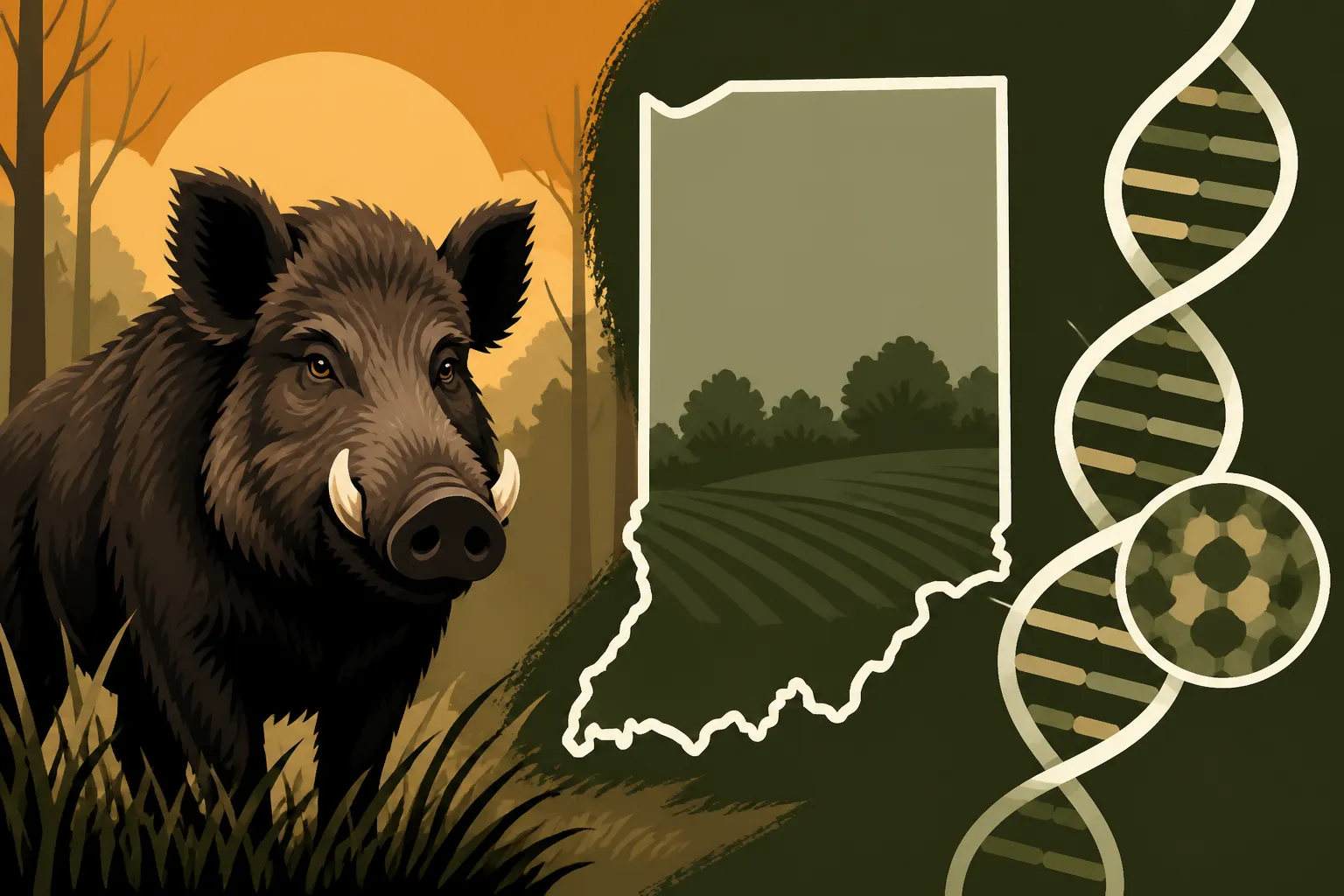
Wildlife biologists and geneticists are actively using DNA analysis to better understand the complex genetic landscape of feral swine populations. By collecting tissue samples from harvested animals, researchers can pinpoint the genetic origins of local populations, identifying the prevalence of domestic versus wild boar ancestry, and even tracing potential pathways of introduction. This isn't just academic curiosity; it's vital intelligence. Knowing if a population is predominantly recent escapees, long-established feral animals, or a complex hybrid mix helps inform management strategies. For example, a population dominated by recent domestic escapees might respond differently to trapping efforts than a deeply entrenched, highly adapted hybrid population.
Tools and resources like those offered by GoHunt often integrate data from state agencies, helping hunters and land managers stay informed about general areas of concern. While GoHunt primarily focuses on hunting opportunities, the underlying data about game presence can indirectly hint at where invasive species like feral hogs might be, especially as the state provides more detailed information. DNA studies can also reveal connectivity between different populations, showing how far individuals disperse and if isolated groups are truly isolated or part of a larger, interconnected network. This scientific understanding is critical for developing targeted and effective control programs, guiding efforts to disrupt their spread and reduce their devastating impact on Indiana's ecosystems and agriculture.
The Real Cost: The Impact of Feral Swine on Indiana's Ecosystem
The presence of feral swine in Indiana is far more than a nuisance; it's an ecological and economic crisis. Their destructive behavior ripples through the environment, impacting everything from farmers' bottom lines to the survival of native wildlife.
Agricultural Damage and Economic Strain
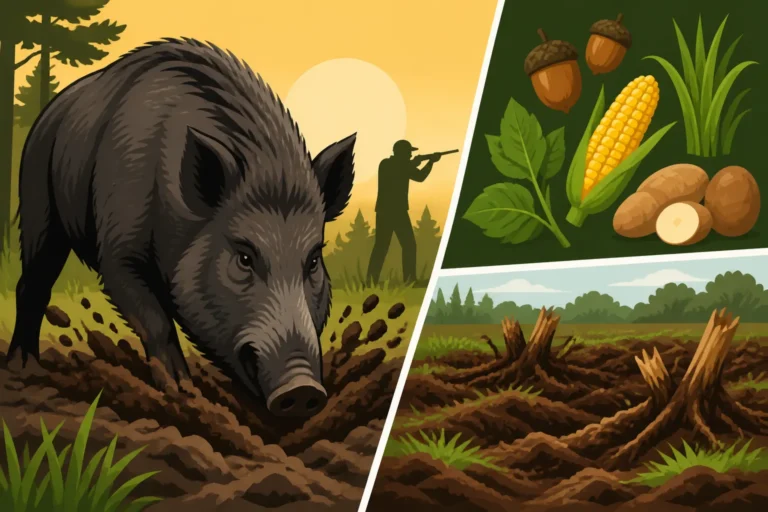
For Indiana's farmers, feral swine are nothing short of a plague. Their most notorious activity is "rooting," where they use their powerful snouts to dig up soil in search of roots, tubers, insects, and grubs. This isn't just a casual disturbance; they can turn an entire field of corn, soybeans, or even pastureland into a plowed mess overnight. This rooting destroys crops, damages irrigation systems, and creates uneven surfaces that can break farm equipment. The financial losses to individual farmers can be substantial, leading to reduced yields and increased repair costs.
Beyond direct crop destruction, feral swine also contaminate agricultural land. They carry diseases that can be transmitted to domestic livestock, creating biosecurity risks for pork producers, which is a major industry in Indiana. The costs associated with preventing disease transmission, testing, and potential quarantines can be astronomical. Farmers are often left to bear these burdens, struggling to find effective ways to protect their livelihoods from an animal that respects no fences or property lines. It's a constant, demoralizing battle for those trying to make a living off the land, often requiring active hunting or Trapping Indiana Feral Hogs efforts just to stay ahead. The severity of Crop Damage Hogs Cause in Indiana cannot be overstated for our agricultural community.
Ecological Devastation: Habitat and Wildlife
The ecological impact of feral swine is equally, if not more, devastating. Their rooting behavior denudes vast areas of understory vegetation, reducing critical forage and cover for native wildlife. This directly impacts ground-nesting birds like wild turkeys and quail, whose nests are easily destroyed or consumed by hogs. Deer, rabbits, and other small game also suffer as their food sources are depleted and their habitat is degraded. Imagine walking through an otherwise pristine section of forest and finding it completely churned up, resembling a rototilled garden – that's the signature of feral swine.
Feral hogs also prey directly on native wildlife, especially vulnerable fawns, turkey poults, and the eggs of reptiles and amphibians. Their omnivorous diet means they are not picky eaters, consuming almost anything they can find. This predation pressure can severely impact local populations of sensitive species. Furthermore, their wallowing habits, often in wet areas and stream banks, lead to significant soil erosion and water quality degradation. This runoff carries sediment into waterways, harming aquatic ecosystems and increasing turbidity. The simple presence of these animals shifts entire ecosystems out of balance, threatening Indiana's biodiversity and the health of its natural landscapes. This includes concerns about Indiana Songbird Nest Predation by Hogs and other vulnerable species.
Disease Transmission Concerns
Perhaps one of the most insidious threats posed by feral swine is their role as disease vectors. They are known carriers of a host of pathogens that can affect both wildlife and domestic livestock, and in some cases, even humans. Diseases like Brucellosis, Pseudorabies, and E. coli can spread rapidly through feral populations and then jump to domestic pig herds. For Indiana's vital pork industry, this presents a severe economic threat, potentially leading to widespread culling and international trade restrictions. Imagine the fear of a hog farmer discovering a disease that could decimate their entire livelihood, all because of a few feral pigs.
Beyond livestock, these diseases can impact deer and other wildlife. While some pathogens might not be lethal to all species, they can weaken animals, making them more susceptible to other stressors or reducing their reproductive success. The constant mixing of domestic and wild genetics, as discussed earlier, means there's a higher potential for novel pathogen strains or increased virulence. Agencies like the Indiana DNR and USDA work tirelessly to monitor these populations, but the sheer number and evasive nature of feral swine make containment a monumental task. This hidden threat often isn't visible until it's too late, highlighting the urgency of effective Indiana Feral Hog Regulations and eradication strategies.
On the Trail: Identifying Feral Swine in the Field
Seeing a feral hog in the wild can be a surprising and often unnerving experience. Knowing what to look for, both in terms of the animal itself and its tell-tale signs, is crucial for both hunters and those involved in management efforts.
Physical Characteristics and Distinguishing Features
While their appearance can vary significantly due to their mixed genetics, most feral swine in Indiana share some common characteristics that distinguish them from domestic pigs. Typically, they have leaner, more muscular bodies adapted for life in the wild, often appearing more "athletic" than their farm-raised cousins. Their heads are usually longer and more pointed, with smaller, often erect ears. Coat color is frequently dark, ranging from black to dark brown or reddish-brown, and their hair is often coarse and bristly. Stripes or spotted patterns are also possible, especially in younger animals or those with recent domestic influence.
A key distinguishing feature, particularly in older males (boars), are prominent tusks. These are actually canine teeth that grow continuously and are sharpened by the grinding action of the upper and lower jaws. These tusks can grow several inches long and are formidable weapons. Compared to domestic pigs, feral hogs also tend to have longer legs and a straighter tail, often held somewhat stiffly or with a slight curl, rather than the tight curl often seen in domestic breeds. Understanding these variations is important when you're out in the woods, trying to confirm a sighting or decide if you've found a truly wild pig or just a recent escapee.
Sign and Rooting Patterns
Even if you don't see the animals themselves, feral swine leave behind unmistakable evidence of their presence. The most obvious and widespread sign is their "rooting" behavior. This involves using their powerful snouts to dig up and overturn soil, often creating extensive, plowed-up areas in forests, fields, and along creek beds. These rooted areas can range from small, isolated patches to acres of churned earth, looking like a bulldozer went through. The depth and extent of rooting often depend on the soil conditions and what they're foraging for, but it's a clear indicator of hog activity.
Other signs include "wallows," which are muddy depressions where hogs roll to cool off and coat themselves in mud, likely to deter insects. These are often found near water sources or in low-lying, damp areas. You might also find rub marks on trees, where they scratch themselves, leaving mud and hair. Tracks are another key indicator; hog tracks resemble deer tracks but are typically rounder, with splayed-out toes (especially in soft ground), and the dewclaws often register, appearing as two small dots behind the main hooves. Scat can vary greatly depending on their diet but often contains undigested plant matter or even animal remains. Learning to read these signs is crucial for Scouting Indiana Public Land Before Season or even your own private property to identify potential feral hog problems.
Behavioral Differences from Domestic Pigs
Feral swine exhibit behaviors that are markedly different from their domestic counterparts, a reflection of their adaptation to a life without human intervention. They are primarily nocturnal or crepuscular (active at dawn and dusk), especially in areas with high human activity or hunting pressure. This makes them incredibly elusive and difficult to spot during daylight hours, forcing hunters to adapt tactics, sometimes leading to interest in methods like Night Hunting Hogs With Lights on Private Land. They are also highly intelligent and quickly learn to avoid traps and human presence, becoming "trap shy" after negative experiences.
They typically live in social groups called "sounders," which consist of sows and their offspring, with mature boars often being more solitary except during breeding season. These sounders can range from a few individuals to dozens. When threatened, they can be aggressive, especially sows protecting their young or a cornered boar, and can inflict serious injury with their tusks. Their senses of smell and hearing are highly developed, allowing them to detect threats from a distance. Unlike docile domestic pigs, feral swine are wild animals, and their unpredictable behavior, combined with their destructive habits, is why they pose such a persistent threat to Indiana's natural and agricultural resources.
The Long Road Ahead: Monitoring and Management Efforts in Indiana
Managing feral swine in Indiana is a complex, ongoing challenge that requires a multi-faceted approach. It's not just about removing animals; it's about preventing their spread, understanding their movements, and educating the public.
Tracking Swine Movement and Population Spread
Effective management begins with accurate intelligence. Wildlife agencies, including the Indiana Department of Natural Resources (DNR) and the USDA's Wildlife Services, are continually working to track the movement and spread of feral swine populations. This involves collecting sighting reports from the public, conducting aerial surveys, and utilizing trail cameras in suspected areas. Every bit of information helps build a clearer picture of where these animals are establishing themselves. Hunters play a vital role here; reporting any sightings of feral hogs, even if you don't harvest one, provides valuable data. The Indiana DNR encourages reporting via their online portal or through direct contact.
This data collection is crucial for understanding How Wild Hogs Spread Across Indiana. Are new populations appearing due to natural dispersal from existing groups, or are they isolated incidents indicating new introductions by humans? GoHunt, as a tool that helps hunters locate game, can also indirectly contribute to this by highlighting areas where other species might be thriving, which can sometimes be impacted by or coexist with feral swine if not carefully managed. By mapping known populations and understanding their genetic links, managers can better predict future spread and prioritize intervention efforts. This proactive approach is vital because once established, feral swine are incredibly difficult, if not impossible, to fully eradicate from a large area. You can find detailed information on Feral Swine Sightings in Southern Indiana and other regions through DNR resources.
Trapping and Eradication Methods
The primary and most effective method for feral swine control is trapping. Unlike deer or turkey, which are managed as game species, feral hogs are considered an invasive pest, and the goal is complete eradication where possible. Traditional hunting, while it can remove some individuals, is rarely effective at controlling an entire population due to their high reproductive rates and wariness. Trapping, especially large "corrall traps" that can capture an entire sounder at once, is the preferred method. These traps are often pre-baited for an extended period to habituate the hogs, then triggered remotely once the entire group is inside.
Once captured, the animals are humanely euthanized. The emphasis is on removing entire sounders, rather than just a few individuals, to prevent "trap shyness" and ensure the local population is truly impacted. Beyond trapping, other methods like targeted aerial gunning may be employed in specific, hard-to-access areas, but these are typically done by trained professionals under strict guidelines. Educational campaigns are also critical, stressing the importance of not releasing domestic pigs into the wild and not transporting feral hogs for any reason. These efforts, combined with careful monitoring, are the state's best defense against a species that threatens both the natural world and agricultural economy. For those interested in participating, understanding Indiana Feral Hog Regulations is key before engaging in any control activities, as is recognizing typical Indiana Hog Trapping Success Rates.
The Importance of Reporting Sightings
As a hunter, landowner, or simply an outdoor enthusiast in Indiana, your vigilance is one of the most powerful tools in the fight against feral swine. Every sighting, every piece of evidence, no matter how small, contributes to the larger picture that wildlife managers are trying to paint. Whether you see a live hog, fresh rooting, or distinct tracks, reporting these observations to the Indiana DNR is critically important. They often have dedicated online forms or phone numbers for reporting invasive species sightings. Do not assume someone else will report it, and definitely do not dismiss it as unimportant.
Reporting helps the DNR track new incursions, understand dispersal patterns, and allocate resources more effectively. For instance, if several reports come in from a new county, it alerts officials to a potential new establishment and allows them to investigate and intervene before the population explodes. This collective effort is what gives Indiana the best chance to manage this destructive species. Think of yourself as part of a statewide network of eyes and ears, working together to protect our beautiful state. Your report could be the crucial piece of information that leads to the eradication of a new sounder, preventing years of ecological damage and agricultural losses. Remember, GoHunt resources can help you with general outdoor knowledge, but specific invasive species reporting goes directly to the state wildlife agencies.
Feral Swine Characteristics and Impacts
| Feature | Domestic Pig (General) | Feral Swine (General) | Implications for Indiana |
|---|---|---|---|
| Body Shape | Blocky, heavy, short legs | Lean, muscular, longer legs, athletic | Enhanced agility, harder to catch |
| Snout | Shorter, wider | Longer, pointed, powerful | Extensive rooting damage to crops & habitat |
| Hair/Coat | Sparse, various colors (pink, white, spotted) | Dense, coarse, bristly, typically dark (black, brown, reddish) | Better camouflage, protection from elements |
| Ears | Often floppy | Smaller, erect, sometimes pointed | Better hearing, more alert |
| Tusks | Absent or rudimentary | Prominent, sharp (especially in boars) | Weaponry for defense, digging, fighting |
| Tail | Tightly curled | Straighter, often hangs or slight curl | Indicates wilder traits |
| Temperament | Docile, dependent on humans | Wary, intelligent, can be aggressive | Elusive, hard to trap, dangerous when cornered |
| Reproduction | Managed breeding, high litters | High reproduction (2 litters/year, 4-8+ piglets), early maturity | Rapid population growth, difficult to control |
| Diet | Commercial feed, forage | Omnivorous: crops, roots, grubs, carrion, fawns, eggs | Widespread ecological and agricultural damage (Indiana Feral Hog Diet and Rooting Damage) |
| Disease Carrier | Controlled by husbandry | Vectors for Pseudorabies, Brucellosis, E. coli | Major threat to livestock and wildlife health |
Disclaimer
This article is for general informational purposes only and does not constitute professional advice. Laws, prices and regulations vary by location and change over time. Consult a qualified professional for guidance on your specific situation.