How Many Deer Have Tested CWD-Positive in Indiana
The news about Chronic Wasting Disease (CWD) showing up in Indiana deer has understandably cast a shadow of worry over many hunters. It’s a somber reality check when a disease with such serious implications for our deer herd arrives. This guide is here to provide you with a clear, realistic picture of how many deer have tested positive for CWD in Indiana, what that means for your hunting plans, and how you can actively participate in monitoring and managing this challenge to our cherished whitetails.
Understanding Indiana's CWD Journey So Far
When CWD first rears its head in a state, it’s often met with a mix of disbelief and deep concern. For many Hoosier hunters, deer hunting isn't just a pastime; it's a way of life, a connection to the land, and a source of healthy, wild food for the family table. The introduction of CWD threatens all of that, and it's natural to feel anxious about the future.
The Initial Discovery and Expansion
Indiana's journey with CWD began, like so many states, with an unfortunate discovery. The first confirmed positive case in a wild deer was in LaGrange County, identified from a deer harvested during the firearms season. This wasn't just a casual find; it triggered an immediate and rigorous response from the Indiana Department of Natural Resources (DNR), launching enhanced surveillance efforts in the surrounding area. It's a testament to the vigilance of both hunters and wildlife officials that the disease was detected, but the news was certainly a gut punch.
Since that initial discovery, subsequent testing has unfortunately revealed additional positive cases. These early detections were largely concentrated in northeastern Indiana, forming what is now recognized as Indiana's CWD positive area. You can imagine the frustration and even anger among local hunters who suddenly found their hunting grounds under a new set of regulations. The disease doesn't respect county lines, and as more samples were analyzed, the picture became clearer: CWD was present and spreading, albeit slowly, within that defined region. This expansion led to a lot of necessary but often confusing changes for local hunters. If you're wondering about the specifics of Which County Found Indiana's First CWD Case, it all started in LaGrange, but the impact quickly rippled outwards.
Current CWD Positive Case Numbers and Geographical Scope
So, let's get down to the brass tacks: how many deer have actually tested positive for CWD in Indiana? While specific, real-time numbers can fluctuate as new test results come in and the DNR updates their data (always check the official DNR website for the absolute latest figures), the total number of confirmed positive wild deer in Indiana has unfortunately grown from that initial single case. As surveillance has intensified, especially within the designated CWD positive area, additional deer have been identified. It's not an explosion of cases, but rather a slow, persistent increase that underscores the challenge of managing this disease.
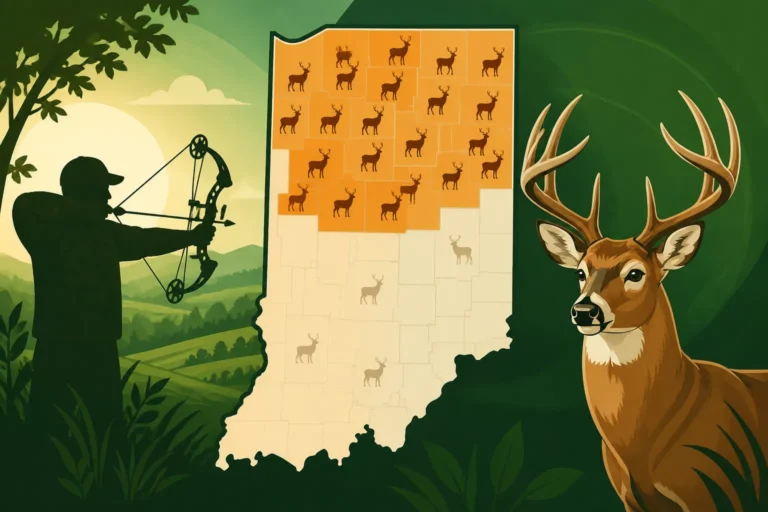
The CWD positive area in Indiana has, over time, expanded to include specific counties in the northeastern part of the state. Initially focused on LaGrange County, other counties such as Steuben, Noble, and DeKalb have unfortunately seen positive detections, leading to their inclusion in the positive zone. This means that hunters in these counties operate under different rules, particularly regarding mandatory CWD testing and carcass movement. Understanding Indiana's Expanding CWD Positive Area is critical for hunters in these regions, as their actions directly impact the state's ability to monitor and control CWD. For example, when a positive case was detected in Noble County, it directly contributed to Why Noble County Expanded the CWD Positive Area and added to the cumulative count.
While the numbers remain relatively low compared to some other states that have battled CWD for decades, every new positive case is a serious concern. It tells us the disease is present, circulating, and something we, as hunters and conservationists, must take very seriously.
The Importance of Surveillance and Hunter Participation
Dealing with CWD isn't just a job for the DNR; it's a collective effort, and hunters are absolutely on the front lines. Your involvement, your observations, and your cooperation with testing protocols are arguably the most crucial tools we have in this fight. Without hunters, tracking the disease would be nearly impossible.
Mandatory and Voluntary CWD Testing
One of the most direct ways hunters contribute is through CWD testing. In the CWD positive area, which currently includes parts of Noble, LaGrange, Steuben, and DeKalb counties, specific regulations are in place for deer harvested during certain seasons. This often involves mandatory testing, where hunters are required to submit their deer heads for sampling. I know, it's another step, another hurdle in an already busy hunting season. But believe me, these samples provide invaluable data that helps the DNR understand the prevalence and distribution of the disease. This data is what informs their management strategies and helps protect the wider deer herd.
Outside of these mandatory zones, the DNR also encourages voluntary testing. Many check stations, staffed by dedicated professionals, are set up to collect samples from deer harvested across the state. Sometimes, you can even find self-service kiosks. These voluntary samples help establish a baseline and can act as an early warning system if CWD moves into new areas. Using tools like the Indiana DNR app or a mapping resource like GoHunt can help you locate these testing sites quickly and easily. Participating in Indiana CWD Testing for Hunters is a vital part of being a responsible hunter in these changing times. If you're looking for Finding an Indiana CWD Sampling Location, the DNR website or app will be your best friend. In the positive areas, Mandatory Testing Inside Indiana's Positive Area is a non-negotiable step to help protect the health of our deer.
Carcass Movement Restrictions and Their Purpose
Another critical aspect of CWD management involves carcass movement restrictions. Imagine harvesting a deer in a CWD-positive county and then transporting its entire carcass, including the brain and spinal column, to a different part of the state. If that deer happened to be CWD-positive, you could inadvertently introduce the infectious prions to a new, previously unaffected area. This is why the DNR has put rules in place: to prevent the physical movement of potentially infected materials.
These rules generally mean that if you harvest a deer in the CWD positive area, you cannot transport the whole carcass out of that area. Instead, you'll need to process the deer within the positive zone, leaving behind high-risk parts like the brain, spinal cord, eyes, and lymph nodes. What you can typically transport are boned-out meat, capes (without the skull or spinal column), antlers (with or without skull plate, as long as all brain tissue is removed), and hides. It might seem like a hassle, but these restrictions are scientifically designed to limit the spread of the disease. They’re a crucial component of Indiana Carcass Movement Restrictions and directly tied to protecting our state’s overall deer population from a wider outbreak.
What a CWD-Positive Diagnosis Means for Hunters
Okay, let's talk about the dreaded scenario: you've done your part, submitted your deer for testing, and the results come back positive for CWD. It's a tough pill to swallow, no doubt about it. Beyond the immediate disappointment, there are practical and emotional implications to consider.
Handling a CWD-Positive Deer
First off, it's important to understand that CWD is always fatal to deer, but there is currently no evidence that it can be transmitted to humans. However, public health agencies universally recommend not consuming meat from a CWD-positive animal. This recommendation is out of an abundance of caution, given that CWD is a neurological disease, and the long-term effects of consuming CWD-infected meat on humans are still being studied. So, if your deer tests positive, the guidance will be to not eat the meat.
This can be incredibly disheartening, especially after all the effort you put into a successful hunt. However, the DNR will provide clear instructions on how to proceed. Typically, this involves proper disposal of the carcass in a manner that minimizes environmental contamination and prevents scavengers from accessing the material. This might mean double-bagging the carcass and taking it to a designated landfill, or following other specific instructions from the DNR. It's a difficult situation, but following these guidelines is key to preventing further spread. Understanding the nuances of Handling Venison From a CWD Positive Area is crucial, and the DNR will guide you through the necessary steps.
Continuing to Hunt Safely in CWD Areas
Even with CWD present, ethical and responsible deer hunting can absolutely continue in Indiana. In fact, hunting remains a vital tool for wildlife management, especially when it comes to diseases like CWD. By participating in harvests, hunters help control deer populations, which can be an important factor in managing disease spread. Denser deer populations can mean more opportunities for CWD to pass from one animal to another.
The key is to remain vigilant and informed. Pay close attention to any changes in local regulations, particularly regarding CWD testing and carcass disposal. When you're in the woods, be an extra set of eyes. Report any deer that appear sick or emaciated to the DNR immediately. These are not healthy animals and their removal from the population is beneficial. Hunters are the eyes and ears of the forest, and your observations are incredibly valuable for Chronic Wasting Disease in Indiana Deer management. Don't let the presence of CWD deter you from pursuing your passion, but rather let it sharpen your commitment to ethical and informed hunting practices. Always check the DNR website before you head out, and keep an eye on resources like GoHunt for the latest updates.
Proactive Steps for Every Indiana Deer Hunter
CWD is a long-term challenge, not a problem with a quick fix. As Indiana hunters, we have a collective responsibility to be part of the solution. Your individual actions, however small they might seem, add up to a significant impact on the health of our deer herd and the future of hunting in our state.
Scouting and Observing Deer Behavior
When you're out scouting, or even just driving through rural areas, take a moment to really look at the deer you see. We spend so much time looking for big antlers or prime rubs, but it’s just as important to pay attention to overall deer health. A deer infected with CWD might exhibit a range of symptoms, including extreme weight loss (often described as "wasting away"), excessive drooling, stumbling, a vacant stare, or unusual behavior like holding its head low. They might also appear unusually unafraid of humans.
If you observe a deer that appears sick or is behaving abnormally, do not approach it. Instead, make a note of the exact location and immediately report it to the Indiana DNR. These observations are incredibly valuable for early detection and help pinpoint potential new areas of concern. Your scouting isn't just about finding deer for yourself; it's about being a steward of the wildlife. Knowing how to read subtle clues in the environment, from tracks to overall animal health, is part of becoming a truly skilled hunter. Even something as simple as Reading Indiana Mud for Fresh Deer Movement can provide clues about a deer's health if you observe unusual gait or signs.
Staying Informed and Engaging with the DNR
The most powerful tool you have as a hunter in the face of CWD is knowledge. The Indiana DNR is actively working to manage and monitor CWD, and they are constantly updating their information and regulations. Make it a habit to visit the official Indiana DNR website regularly, especially before each hunting season, to review the latest CWD updates, testing requirements, and any changes to carcass movement rules.
Beyond just reading the regulations, consider engaging further. Attend local DNR meetings if they discuss CWD, or ask questions when you visit check stations. The DNR relies heavily on hunter cooperation and feedback, so your voice matters. Utilize resources like the Indiana DNR app, which is not only great for checking in your deer but also for staying informed about current regulations and CWD sampling locations. Using Scouting With the Indiana DNR App can help you find areas where testing is being conducted, making it easier for you to contribute. Companies like GoHunt provide excellent digital mapping tools that can help you visualize CWD positive areas and plan your hunts accordingly, ensuring you're aware of any local regulations. Being proactive and staying engaged ensures you're not just a participant in the hunt, but an active partner in conservation and Indiana Wildlife Disease Monitoring. Reporting a Sick Animal in Indiana is a critical contribution.
CWD Testing in Indiana: A Quick Overview
To give you a clearer picture of the testing process and how it impacts hunters in the CWD positive area, here’s a summary of key points:
| Aspect | Description | Hunter Action |
|---|---|---|
| Primary Goal | Monitor CWD prevalence, distribution, and prevent spread to new areas. | Cooperate with testing requirements, report sick deer. |
| CWD Positive Area | Designated counties (currently includes parts of Noble, LaGrange, Steuben, and DeKalb counties) with confirmed CWD detections. | Be aware of special rules for these counties. |
| Mandatory Testing | Required for deer harvested in the CWD Positive Area during specific seasons (e.g., firearms season). | Submit deer heads at designated DNR check stations or collection sites within the mandatory timeframe. |
| Voluntary Testing | Available statewide, encourages hunters outside the CWD positive area to submit samples. | Use self-service kiosks or check stations to contribute samples; helps with early detection. |
| Carcass Movement | Restrictions apply to deer harvested in CWD Positive Area; only boned-out meat, capes (no skull/spinal column), clean antlers, hides allowed outside the zone. | Process deer within the CWD Positive Area or leave high-risk parts at the harvest site. |
| Reporting Sick Deer | Essential for disease surveillance. | Immediately report any deer exhibiting CWD symptoms (emaciation, drooling, neurological signs) to the Indiana DNR. |
| Information Source | Indiana DNR website and mobile app. | Regularly check for updates, locate testing sites, and understand current regulations. |
This table provides a snapshot, but always remember to refer to the most current Indiana DNR regulations for the most accurate and up-to-date information. Your active participation is invaluable in protecting Indiana's deer herd for generations to come.
Disclaimer
This article is for general informational purposes only and does not constitute professional advice. Laws, prices and regulations vary by location and change over time. Consult a qualified professional for guidance on your specific situation.