Poult-to-Hen Ratios and What They Mean
Every spring, turkey hunters across Indiana eagerly await news on how the hatch went. Nothing is more frustrating than heading into the woods, full of anticipation, only to find silent timber or very few birds. The success of the prior spring and summer's turkey hatch directly impacts how many gobblers you'll hear and see in the woods next season. This guide dives deep into poult-to-hen ratios, explaining what these numbers truly mean for the health of Indiana's wild turkey population and, crucially, your hunting success.
Understanding the Poult-to-Hen Ratio: The Basics
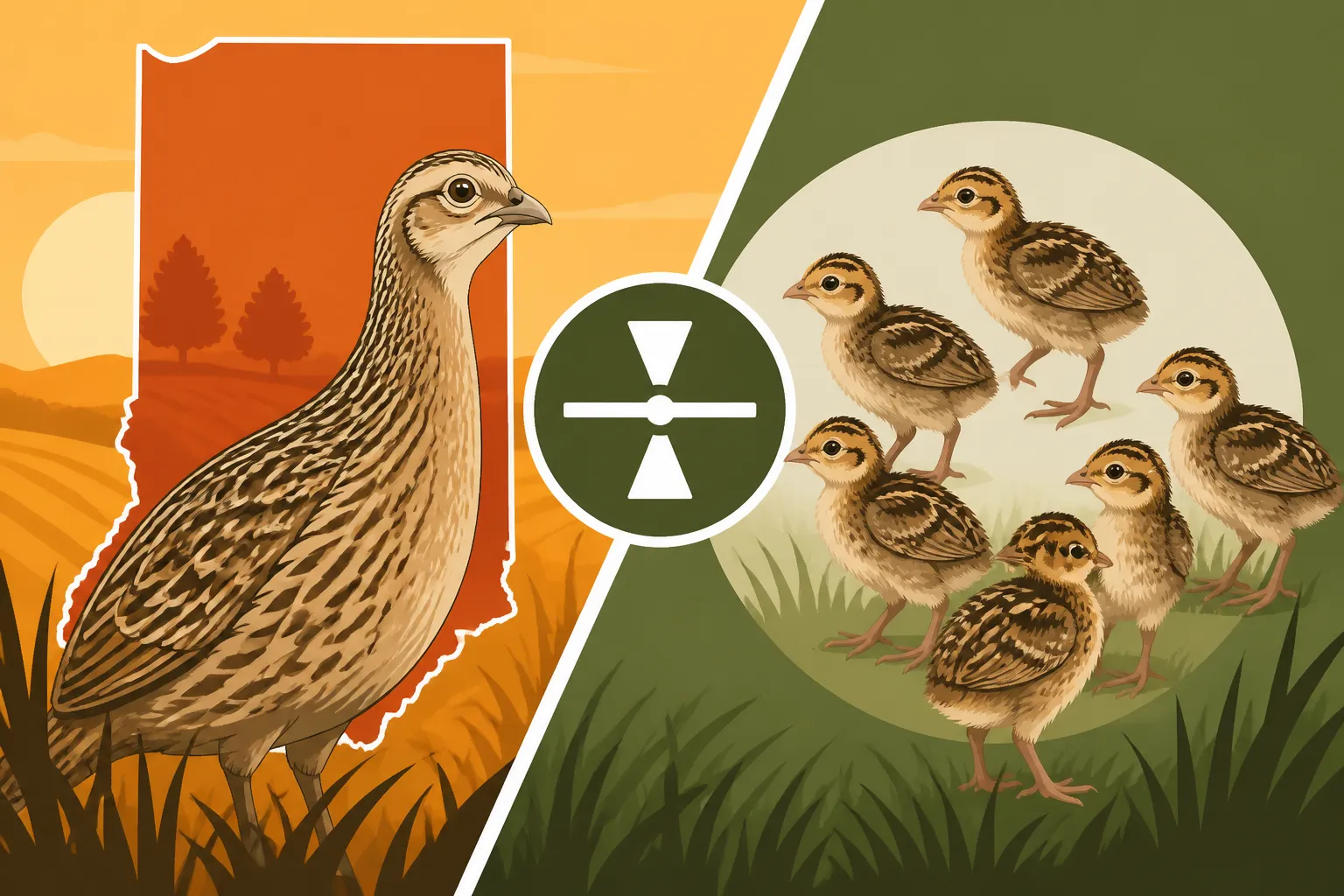
When wildlife biologists and seasoned turkey hunters talk about the "poult-to-hen ratio," they're referring to a simple yet incredibly powerful metric. It's essentially a headcount: how many young turkeys (poults) are observed per adult female turkey (hen) during the late summer months, typically July and August. This isn't just an arbitrary number; it's a snapshot of the wild turkey population's reproductive success for that year. It tells us how many new birds made it through the critical first few weeks of life, which are fraught with danger for tiny poults.
What These Numbers Really Represent
At its core, the poult-to-hen ratio reflects the recruitment rate of the turkey population. Think of it like this: a hen lays a clutch of eggs, and if all goes well, those eggs hatch into poults. But the journey from hatchling to a self-sufficient juvenile turkey is incredibly perilous. Factors like severe weather, predation, and disease can decimate a brood. The poult-to-hen ratio quantifies how many of those tiny poults survived these early challenges and are on their way to becoming part of the adult population. A higher ratio indicates more successful breeding and survival, while a lower ratio points to struggles in the population's ability to replace itself. For hunters, these numbers represent the potential number of jakes and adult gobblers available in subsequent seasons.
The ratio helps wildlife agencies, like the Indiana DNR, gauge the overall health and trajectory of the turkey population. If ratios are consistently low over several years, it's a red flag indicating a potential decline in numbers, which might lead to changes in season dates or bag limits. Conversely, strong ratios suggest a robust, growing population that can sustain healthy harvest rates. Understanding this metric helps us appreciate the intricate balance of nature and the factors that contribute to or detract from our hunting opportunities. It shifts our focus from just seeing birds to understanding why we're seeing them, or why we're not.
How the Indiana DNR Collects This Data
Collecting accurate poult-to-hen ratios across a state as diverse as Indiana is a massive undertaking, and it relies heavily on both scientific methodology and citizen science. The Indiana Department of Natural Resources (DNR) typically conducts annual surveys during the late summer. They encourage observers, including hunters, landowners, and rural residents, to report their sightings of turkey broods. This citizen science component is crucial, as it covers a much wider geographic area than a small team of biologists ever could on their own. Participants are often asked to report the number of adult hens and the number of poults observed in each brood.
These individual observations are then compiled and averaged to produce a statewide or regional poult-to-hen ratio. While relying on public participation can introduce some variability, the sheer volume of data helps to smooth out anomalies and provide a reliable trend. The DNR also conducts its own targeted surveys in specific areas, often on public lands like Hoosier National Forest or various Fish and Wildlife Areas, to get more controlled and intensive data. They might use techniques like road surveys or even specialized equipment in certain regions. This layered approach ensures they get the most comprehensive picture possible of how Indiana Turkey Population Trends are developing each year.
The data collected isn't just a single number; it often includes information about the size of the poults, which helps determine their age and approximate hatch timing. This can give biologists insights into whether the hatch was early, on time, or late, and if any specific weather events correlated with higher or lower survival. When you're using a tool like GoHunt to scout and plan your hunts, this kind of aggregated data, often released by the DNR, can be a critical piece of the puzzle, allowing you to focus your efforts where turkey recruitment was strongest.
Why Poult-to-Hen Ratios Matter for Indiana Hunters
For serious turkey hunters, understanding poult-to-hen ratios is much more than just a biological curiosity; it's a direct indicator of future hunting success. It’s about looking beyond the current season and anticipating what the woods will offer a year or two down the line. A strong hatch means a good number of jakes (first-year gobblers) the following spring, and those jakes will mature into two-year-old gobblers the year after that – often the most vocal and responsive birds.
Predicting Next Year's Hunting Prospects
Imagine planning your spring turkey hunt in Indiana. You're thinking about Indiana Spring Turkey Season Rules, looking at your calendar, and probably already dreaming of a big tom. But how do you gauge your chances? The poult-to-hen ratio from the previous summer is your crystal ball. If the DNR reports a high ratio, say three poults per hen, it indicates a successful breeding season with good survival. This means that the jake population the following spring should be robust. Jakes are often less wary than mature gobblers and more prone to respond aggressively to calls, making for exciting hunting.
Furthermore, those jakes will become two-year-old gobblers in two springs' time. These are the birds many hunters specifically target—vocal, aggressive, and often still traveling in small groups, making them easier to locate. Conversely, if the poult-to-hen ratio was low, say one poult per hen or less, it means fewer young birds made it. This directly translates to fewer jakes the next season and fewer two-year-olds the season after. Such years can be tougher, requiring more scouting, patience, and refined calling techniques, as the birds might be scarcer and more pressured.
Identifying Habitat and Management Needs
Beyond predicting hunting prospects, poult-to-hen ratios offer critical insights into habitat quality and wildlife management effectiveness. Consistently low ratios in a particular region might signal underlying issues. Perhaps there's a lack of suitable nesting cover, leaving hens and their nests vulnerable to predators. Or maybe early brood-rearing habitat, such as fields with thick grasses and wildflowers that provide insects for poults, is insufficient. These numbers prompt wildlife managers to investigate and potentially implement habitat improvement projects, like controlled burns, planting specific cover crops, or predator management efforts.
For hunters who actively manage their land or participate in conservation groups, understanding these regional trends can guide their efforts. If local ratios are consistently poor, it might be an incentive to plant native grasses for nesting cover or create bugging areas for young poults. It highlights the interconnectedness of successful turkey populations with healthy ecosystems. Furthermore, these ratios can inform decisions about hunting regulations. If a region shows a multi-year decline in poult numbers, the DNR might consider adjustments, like reducing bag limits or shortening seasons, to help the population recover. It's all about balancing harvest with the long-term sustainability of the resource, ensuring that future generations can enjoy Wild Turkeys in Indiana.
Factors Influencing Poult Survival in the Hoosier State
Wild turkey poults are incredibly vulnerable during their first few weeks of life, and their survival rate is highly susceptible to various environmental factors. Understanding these challenges helps us appreciate the resilience of the species and gives context to the annual poult-to-hen ratios we see reported. It's a tough world out there for a tiny turkey, and a lot has to go right for them to make it to adulthood.
Weather's Impact on the Hatch
One of the most significant factors influencing poult survival in Indiana is the weather, particularly during and immediately after the hatch. Prolonged periods of cold, wet weather can be absolutely devastating for young poults. They are not yet capable of regulating their body temperature effectively, and getting chilled or soaked can quickly lead to hypothermia and death. A late spring cold snap, or a stretch of heavy, cold rains during the peak hatching period, can wipe out entire broods.
Conversely, mild, dry springs are a blessing for turkeys. Warm, sunny weather helps poults dry quickly, allows them to forage more effectively for insects, and reduces the risk of disease that thrives in damp conditions. While hens are dedicated mothers, providing warmth and protection, they can only do so much against severe weather. A good year, from a poult survival perspective, often aligns with a mild, dry spring. This is why you often hear hunters anxiously discussing the spring weather, not just for their own comfort, but for the sake of the next generation of gobblers. This relationship between weather and survival is a critical piece of the puzzle when you're trying to figure out if your local birds will be plentiful or scarce.
Predation and Habitat Quality
Beyond the weather, predation is a relentless threat to turkey nests and poults. A wide array of animals, including raccoons, opossums, skunks, foxes, and coyotes, prey on turkey eggs and young birds. Even snakes and raptors can take a toll. This is where habitat quality becomes paramount. Good habitat provides hens with dense nesting cover—think thick briar patches, tall grasses, or areas with downed timber—that conceals their nests from opportunistic predators. Without adequate cover, nests are easily found and destroyed, leading to zero poults from that clutch. This is often discussed under the umbrella of Nest Predation and Indiana Turkey Hatches.
Once hatched, poults still need cover and, crucially, a steady supply of insects. Young turkeys rely heavily on insects for protein during their rapid growth phase. Ideal brood-rearing habitat includes open woodlands with a good understory, old fields, or managed timber clearings where insects are abundant and hens can lead their poults to forage while still having easy access to escape cover. If habitat is fragmented, degraded, or lacking in either nesting or brood-rearing components, poult survival rates will suffer, regardless of the weather. Effective habitat management, whether through controlled burns to promote new growth, selective timber harvesting, or establishing food plots, can significantly boost a local turkey population's ability to withstand predation pressure and raise successful broods. Many hunters use mapping tools like GoHunt to analyze habitat types and identify potential brood-rearing areas.
Interpreting and Using Indiana's Poult Data
So, you've seen the DNR reports, or perhaps you've been collecting your own anecdotal observations. Now what? Understanding what those poult-to-hen ratios actually mean for your hunting strategy is the final, crucial step. It's about turning data into actionable intelligence for your next spring in the Indiana turkey woods.
What a 'Good' or 'Bad' Ratio Looks Like
Generally speaking, a poult-to-hen ratio of around 2.0 to 3.0 poults per hen is considered a healthy, stable population. This means that for every adult hen, roughly two to three poults survived to the late summer, indicating good recruitment. Ratios consistently above 3.0 suggest an excellent year with strong population growth, which bodes very well for future hunting seasons. You're likely to see more jakes and two-year-olds down the road.
On the flip side, a ratio consistently below 2.0 can be a cause for concern. If it's consistently below 1.0, meaning less than one poult per hen, it suggests the population is struggling to replace itself, and a decline could be imminent. In such years, hunters might find birds to be scarcer, less vocal, and generally tougher to hunt. It's important to look at these numbers over several years rather than just one. A single bad year can happen due to an unusual weather event, but multiple years of low ratios point to more systemic issues.
Here's a simplified table to help you interpret the numbers:
| Poult-to-Hen Ratio | Interpretation for Population Health | Hunting Impact for Next 1-2 Seasons |
|---|---|---|
| Less than 1.0 | Critical decline, very poor recruitment | Very challenging, scarce birds, focus on mature toms |
| 1.0 – 1.9 | Below average, population stable or slowly declining | Tougher hunting, fewer jakes, mature birds pressured |
| 2.0 – 2.9 | Average, stable, good recruitment | Solid hunting, good mix of ages |
| 3.0+ | Excellent, strong population growth | Great hunting, many jakes and responsive 2-year-olds |
Applying This Knowledge to Your Hunting Strategy
Knowing the poult-to-hen ratios for your specific hunting area can significantly refine your strategy. If the ratios were strong in the previous summer, you might focus on areas known to hold a lot of jakes, as they can be very responsive to calling. You might also find that overall turkey activity, including gobbling, is more prevalent due to a healthy population. This could be a year to try more aggressive calling or to cover more ground.
Conversely, if the ratios were low, you'll need to adjust. This isn't the year to expect birds to come running to every call. Instead, you might want to focus on Scouting Indiana Public Land Before Season to locate areas with good residual habitat, like creek bottoms or mature timber, where older birds might have survived more successfully. Tactics like Still-Hunting Southern Indiana Ridges or focusing on food sources in Late-Season Food Sources for Indiana Whitetails (if hunting the fall season) become even more critical. Understanding that the numbers are down means you manage your expectations and refine your tactics, perhaps trying to call an Indiana gobbler off the roost with more subtle approaches, or employing run-and-gun tactics only in areas where you've specifically located birds.
Ultimately, the poult-to-hen ratio provides a scientific basis for predicting the quality of future turkey seasons. It encourages hunters to be more informed and adaptable, moving beyond wishful thinking to a data-driven approach. By paying attention to these numbers, you become a more knowledgeable and often more successful turkey hunter in Indiana's diverse landscapes.
Disclaimer
This article is for general informational purposes only and does not constitute professional advice. Laws, prices and regulations vary by location and change over time. Consult a qualified professional for guidance on your specific situation.