Indiana Squirrel Harvest Numbers
It can be incredibly frustrating to head out into the Indiana woods for a squirrel hunt, full of anticipation, only to find the woods eerily quiet. You might start to wonder if the squirrels are even out there, or if something has changed drastically in their populations. This guide is here to shed light on Indiana's squirrel harvest numbers, helping you understand what these figures truly mean for your hunting success, how they're collected, and the various factors that influence the population dynamics of our bushy-tailed friends across the Hoosier State.
Understanding Indiana's Squirrel Harvest Data
When we talk about "squirrel harvest numbers" in Indiana, we're really digging into the data collected by the Indiana Department of Natural Resources (DNR) regarding how many squirrels hunters report taking each year. This isn't just a dry statistic; it's a vital pulse check on the health of our squirrel populations and the overall small game hunting experience. For many of us, chasing squirrels is where we first learned to hunt, honing our woodcraft and marksmanship before moving on to bigger game. Knowing these numbers, and what influences them, can give us a significant edge.
What Do "Harvest Numbers" Really Tell Us?
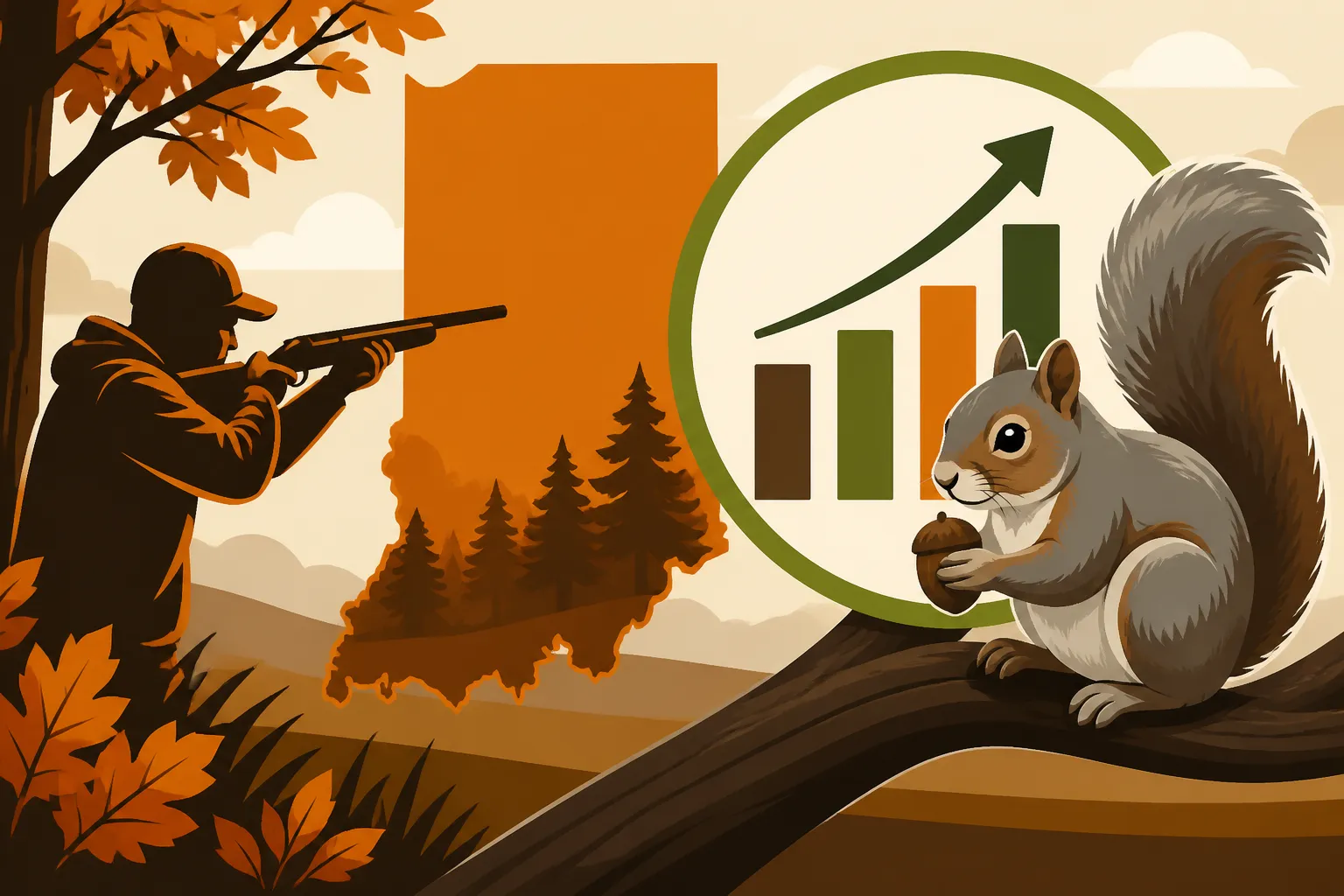
Harvest numbers offer a snapshot of a particular year's hunting success and, by extension, an indicator of squirrel abundance. They're a proxy, not a perfect count of every squirrel in the woods, but rather an estimation of how many hunters were successful and how many animals they harvested. Think of it like a survey of how many apples were picked from a community orchard. If fewer apples are picked, it could mean fewer people picked, or fewer apples were available on the trees. Similarly, a dip in squirrel harvest numbers could signal a lower population, or perhaps simply fewer hunters out in the woods, or even challenging weather conditions that kept both squirrels and hunters hunkered down.
These figures are crucial for wildlife managers because they inform decisions about season lengths, bag limits, and habitat management efforts. For hunters like us, they can help us understand what to expect in the upcoming season. Are things looking up, or should we prepare for a tougher hunt? It’s not about finding an exact number for your specific woodlot, but understanding the broader trends in the region and across the state.
How the DNR Collects This Information
The Indiana DNR gathers squirrel harvest information through various methods, primarily hunter surveys. After the hunting seasons conclude, a sample of licensed hunters often receives questionnaires asking about their hunting activity, including what they hunted, where, and how many animals they harvested. This self-reported data is then extrapolated to estimate the total harvest for the state. It's a similar process used for other game species, providing valuable insights without the impossible task of counting every single squirrel.
While the system relies on hunter participation and honest reporting, it’s generally considered a robust method for tracking trends over time. The larger the sample size of hunters surveyed, the more accurate the overall estimate tends to be. This data, combined with field observations by biologists and habitat assessments, paints a comprehensive picture of Indiana's squirrel populations. For those of us who track these things, apps and platforms like GoHunt can sometimes offer supplemental ways to record our own harvest, contributing to a personal understanding of our success over time, though the official state numbers rely on broader surveys.
The Difference Between Fox and Gray Squirrels in the Harvest
Indiana is home to two primary species of huntable squirrels: the larger fox squirrel and the slightly smaller, more arboreal gray squirrel. While the DNR's general harvest numbers often lump "squirrels" together, there are subtle but important differences in their distribution, habitat preferences, and how they might show up in localized harvest data. Gray Versus Fox Squirrels in Indiana covers this in more detail, but it's worth noting here that while some regions might see a higher take of fox squirrels (especially in more open, agricultural woodlots), other areas, particularly mature, extensive timber tracts, will yield more gray squirrels.
Fox squirrels tend to prefer smaller woodlots, fencerows, and timbered creek bottoms in agricultural areas, where they spend more time on the ground foraging. Gray squirrels, on the other hand, are creatures of deep, continuous woods, often found in higher densities in places like the Hoosier National Forest or large state forests. This distinction means that if you're hunting open country near corn and soybean fields, your harvest is likely dominated by fox squirrels, while a deep dive into an oak-hickory forest will probably result in more gray squirrels. Understanding which species dominates your hunting grounds can refine your tactics, as their behaviors can differ significantly.
Factors Influencing Indiana's Squirrel Harvest
Squirrel populations, and consequently, the harvest numbers, are not static. They ebb and flow with a variety of environmental and human-related factors. It’s like a complex ecological dance, and understanding the rhythm can make you a much more effective hunter. Nobody likes showing up to an empty woods, and often, the reason isn't a mystery if you know what to look for.
The Critical Role of Mast Crops
Perhaps the single most important factor influencing Indiana's squirrel populations, and thus harvest numbers, is the annual mast crop. "Mast" refers to the nuts and seeds produced by hardwood trees like oaks (acorns), hickories, walnuts, and beeches. These are the squirrels' primary food sources, especially for preparing for and surviving the winter. A bumper crop of acorns and hickory nuts one year can lead to a boom in squirrel reproduction and overwinter survival, resulting in a healthier, more abundant population the following hunting season. Conversely, a poor mast year – perhaps due to late frosts, drought, or insect outbreaks – can lead to higher mortality rates, especially among young squirrels, and reduced reproductive success.
When you see a significant dip in statewide harvest numbers, often you can trace it back to a widespread mast failure a year or two prior. Hunters planning their season often pay close attention to the local mast crop in late summer and early fall. Scouting for a good acorn year is almost as important as scouting for actual squirrel sign if you want to understand the potential for high Indiana squirrel harvest numbers. Indiana Squirrel Nest Counts and Mast Crops offers more insight into how this works.
Weather Patterns and Hunter Effort
Beyond food availability, weather plays a huge role in both squirrel activity and hunter effort. A mild winter, for instance, can boost survival rates, leading to more squirrels in the spring. However, extremely harsh winters, especially those with prolonged ice or deep snow that covers mast on the ground, can be devastating. During the hunting season itself, adverse weather like heavy rain, strong winds, or sudden cold snaps can drastically reduce squirrel activity, making them harder to find and harvest. Squirrels are often most active on calm, clear days, particularly after a cold night or in the early morning.
On the flip side, hunter effort also directly impacts harvest numbers. If a particular year sees fewer hunters heading afield due to economic reasons, busy schedules, or even just general disinterest, the harvest numbers will naturally reflect that lower effort, even if squirrel populations are robust. Conversely, a surge in new hunters, perhaps inspired by online content or simply looking for an accessible small game hunt, could temporarily inflate harvest numbers, giving the impression of a population boom when it might just be more people in the woods. Platforms that help hunters locate public land, like GoHunt, might make it easier for new hunters to get out, potentially affecting local pressure.
Habitat Changes and Their Impact
Over the long term, changes in habitat are a major driver of squirrel populations. Indiana's landscape is constantly evolving due to urban development, agricultural practices, and timber harvesting. Large, contiguous tracts of mature hardwood forests, particularly those rich in oak and hickory, provide the best habitat for both fox and gray squirrels. When these habitats are fragmented, converted to other land uses, or clear-cut, it directly impacts the carrying capacity for squirrels.
Modern forestry practices that promote diverse age classes of timber and maintain mast-producing trees can be beneficial. However, extensive clear-cutting without proper reforestation, or the conversion of diverse woodlands to monoculture pine plantations, can significantly reduce squirrel numbers in localized areas. Conservation efforts focused on preserving and enhancing existing hardwood forests, as well as planting mast-producing trees, are critical for sustaining healthy squirrel populations and ensuring strong Indiana Squirrel Harvest Numbers for future generations. These broader habitat trends often dictate where you'll find the best squirrel hunting, from Squirrel Hunting Indiana Bottomland Hardwoods to Squirrel Hunting Indiana Hickory Groves.
What Harvest Numbers Mean for Indiana Squirrel Hunters
For us hunters, seeing statewide harvest numbers isn't just an academic exercise. It's practical information that can directly influence our strategies, our expectations, and ultimately, our success in the woods. It helps paint a picture of the general outlook, allowing us to adjust our approach.
Identifying Productive Hunting Areas
While statewide numbers are broad, they often come with regional breakdowns. If you see that certain regions of Indiana consistently show higher squirrel harvest numbers, it’s a strong indicator that those areas likely boast healthier, more abundant squirrel populations. This could be due to more favorable habitat, less hunting pressure, or better mast production in those specific locales. For instance, forested areas in Southern Indiana, known for their extensive oak-hickory stands, often yield excellent squirrel hunting. In contrast, areas with less timber might show lower numbers.
This doesn't mean you should abandon your local hunting spot if its numbers seem lower, but it suggests you might need to scout more thoroughly or adjust your expectations. Conversely, if you're looking to explore new grounds, a quick check of regional harvest reports could point you towards historically productive zones. Tools like the Indiana DNR app or mapping software can help you pinpoint these areas on public lands, such as Public Hunting Land in Indiana or specific Fish and Wildlife Areas.
Timing Your Squirrel Hunts for Success
Understanding the annual fluctuations in harvest numbers, especially in relation to mast crops, can help you time your hunts more effectively. If the previous year was a banner mast crop, you might anticipate a strong squirrel population at the start of the season. This might encourage you to get out during the early archery season, or even for Indiana Small Game Season Rules that often run concurrent with early deer seasons. Early season squirrels, before heavy hunting pressure, can often be found concentrated around prime food sources. How Early Season Squirrels Give Themselves Away can be a great resource for spotting them then.
If reports suggest a poor mast year, however, you might know to focus more on traditional travel corridors, or specific food sources that did produce, rather than expecting squirrels to be everywhere. Late-season hunting, particularly after deer season closes and leaf-off conditions improve visibility, can still be productive, but you'll need to work harder to find concentrated populations. The Indiana Squirrel Season Dates generally run long, allowing flexibility, but knowing the broader population trends helps you choose the most opportune times.
Using Data for Future Season Planning
Think of Indiana squirrel harvest numbers as part of your overall hunting intelligence. They allow you to plan not just for the immediate season, but for years down the road. If you notice a consistent decline in your local area's numbers, it might be a signal to assess habitat conditions. Perhaps a nearby woodlot was logged, or a favorite patch of oaks stopped producing. This insight can prompt you to scout new areas, seek different types of habitat, or even consider Scouting Indiana Public Land Before Season in new regions.
Alternatively, if numbers are consistently strong, it validates your current spots and strategies. Being a successful squirrel hunter isn't just about shooting straight; it's about being a student of the woods and understanding the dynamics that influence the game you pursue. For example, if you're primarily a fox squirrel hunter, and you know their numbers are tied closely to fragmented woodlots, you might focus your efforts more on those edge habitats rather than deep timber.
Interpreting Local Trends and Future Outlook
While statewide numbers give us a broad picture, it's the localized trends that often matter most to the individual hunter. Indiana is a diverse state, from the rugged southern hills to the flat northern farmlands, and squirrel populations reflect that variety.
Regional Differences in Squirrel Populations
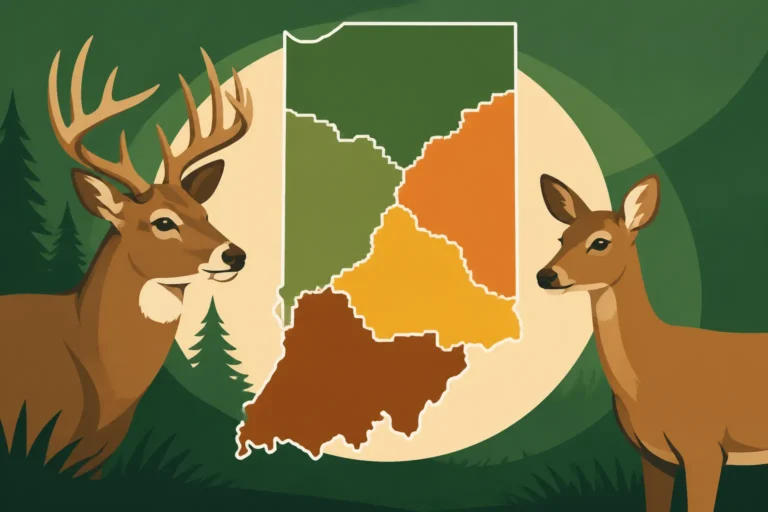
It’s no secret that a squirrel hunt in Brown County will feel very different from one near Fort Wayne. Southern Indiana, with its extensive, mature hardwood forests, often supports higher densities of gray squirrels, and can show consistently strong harvest numbers for this species. Areas like Hoosier National Forest Hunting are prime examples. The vastness of the timber means squirrels have plenty of room, food, and cover, making them a consistent target for hunters.
In contrast, central and northern Indiana, characterized by more fragmented woodlots interspersed with agriculture, might see stronger numbers for fox squirrels, who thrive in these edge environments. You might find them in creek bottoms, along fencerows, or in isolated pockets of timber amidst cornfields. These regional differences are why a strong statewide harvest doesn't guarantee success in your specific county, and vice-versa. Consulting local DNR district biologists or regional hunting reports, if available, can provide more granular insights than state totals alone.
| Indiana Region | Primary Squirrel Species | Typical Habitat | Harvest Trend Indicator |
|---|---|---|---|
| Southern Indiana | Gray, some Fox | Extensive mature hardwood forests, steep ridges | Often higher, more consistent |
| Central Indiana | Fox, some Gray | Fragmented woodlots, fencerows, creek bottoms | Variable, tied to mast in smaller tracts |
| Northern Indiana | Fox, fewer Gray | Small woodlots, agricultural edges, river corridors | Lower overall, but good localized pockets |
This table provides general trends and can vary year to year based on localized conditions.
Long-Term Trends and Conservation Efforts
Looking at Indiana's squirrel harvest numbers over many years reveals important long-term trends. Are populations generally stable, increasing, or declining? This perspective is vital for conservation planning. While squirrels are generally prolific and adaptable, habitat loss and fragmentation can pose challenges over time. The good news is that squirrel populations in Indiana tend to be relatively robust, often rebounding quickly after a tough year if conditions improve. Their reliance on mast crops means annual fluctuations are normal, but drastic multi-year declines might signal deeper ecological issues.
Conservation efforts, such as protecting existing woodlands, encouraging sustainable timber management that prioritizes mast trees, and creating new habitat through reforestation projects, are all crucial for ensuring the future of squirrel hunting in Indiana. As hunters, we play a role in this by supporting conservation organizations, following regulations, and even participating in habitat improvement projects on public or private lands. Ultimately, healthy Indiana squirrel harvest numbers are a reflection of a healthy forest ecosystem, and that's something all of us can appreciate.
Disclaimer
This article is for general informational purposes only and does not constitute professional advice. Laws, prices and regulations vary by location and change over time. Consult a qualified professional for guidance on your specific situation.