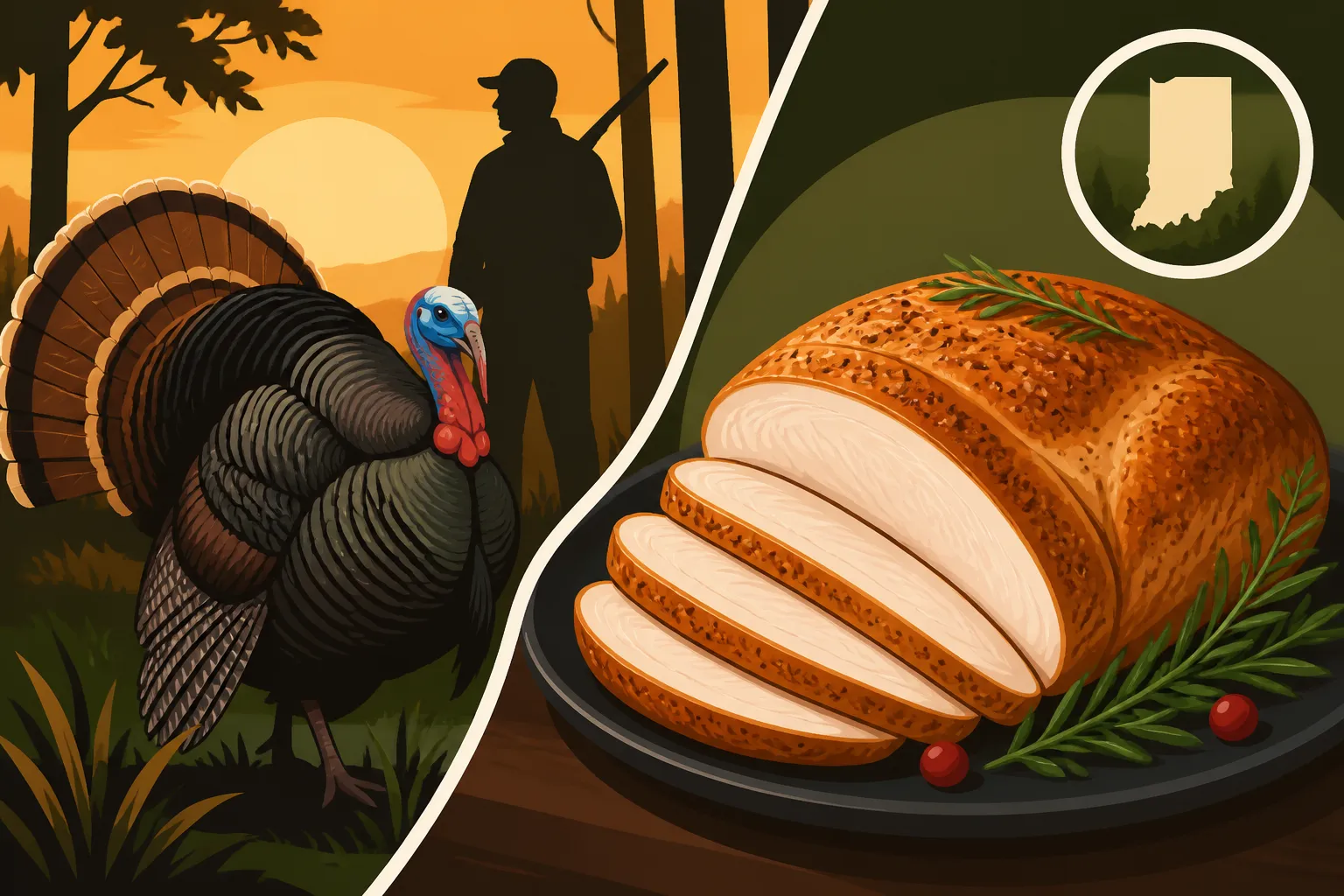
Cooking a Wild Turkey Breast
There's nothing quite like the satisfaction of bringing home a wild turkey, but let's be honest, turning that beautiful breast into a meal that's as delicious as the hunt was challenging can be daunting. Many hunters have faced the frustration of a dry, tough turkey breast, feeling like all that effort in the field was wasted in the kitchen. This guide is here to change that, offering practical, empathetic advice to ensure your hard-earned wild turkey breast is consistently tender, juicy, and packed with flavor, celebrating your harvest the way it deserves.
The Foundation: From Field to Kitchen
The journey to a succulent wild turkey breast begins long before you even think about firing up the grill or oven. The care you take from the moment the bird is down directly impacts the final quality of the meat on your plate. Think of it as the first, most crucial ingredient in your recipe.
Immediate Care After the Harvest
Once you've made a successful harvest, the clock starts ticking on preserving the quality of that meat. Wild turkeys, particularly in warmer spring weather, need to be cooled down as quickly as possible to prevent spoilage and bacterial growth. Many hunters swear by field dressing the bird right where it falls, removing the entrails to allow the body cavity to cool more efficiently. This isn't just about food safety; it helps ensure the meat maintains its best flavor and texture.
After field dressing, try to keep the bird out of direct sunlight and get it back to camp or home to a cooler as quickly as you can. If you're hunting in warmer climates, like early spring in southern Indiana, having a large cooler with plenty of ice ready is non-negotiable. Don't just toss the bird on top; pack ice around it to rapidly drop its core temperature. This immediate post-harvest care is foundational for a good meal, making all the difference between a flavorful experience and a disappointing one. A successful hunt, perhaps one you meticulously planned using Spring Turkey Hunting in Indiana resources, deserves this kind of attention to detail.
Cleaning and Trimming the Breast
Once you're back home, it's time to prepare the breast meat. This usually involves skinning and de-boning the breast from the carcass. Take your time with this step, using a very sharp knife. Wild turkeys often have some tough silver skin and connective tissue covering the breast meat that can make it chewy if not removed. You'll want to carefully peel or slice this away. It might feel like you're losing a tiny bit of meat, but trust me, the improvement in texture is worth it.
Also, look for any stray feathers, debris, or bruised areas that might have resulted from the shot. These should be trimmed away cleanly. The goal is to present a pristine, lean piece of muscle ready for the next step. Some hunters will even separate the smaller tenderloins that lie underneath the main breast, as these often cook faster and can be prepared differently if desired. Just like processing larger game, the principles of cleanliness and precision apply; you can learn a lot from guides like Butchering a Deer at Camp for general game processing.
The Critical Step: Brining for Moisture
This is arguably the most crucial step for transforming a potentially dry wild turkey breast into a juicy delight. Wild turkey, being incredibly lean, lacks the intramuscular fat of domesticated birds, making it very susceptible to drying out during cooking. Brining introduces moisture and flavor into the meat before cooking, helping it retain those precious juices.
A simple brine can be made with water, salt, and a little sugar, along with any herbs or spices you prefer. A general ratio might be 1/4 cup of kosher salt and 2 tablespoons of sugar per quart of water. Submerge the turkey breast completely and refrigerate it for anywhere from 4 to 12 hours, depending on the thickness of the breast. For very thick breasts, you might go a bit longer. If you’re short on time, a dry brine (simply rubbing the breast with salt and letting it sit in the fridge) can also work wonders, though it won't add as much internal moisture as a wet brine. This simple act of brining ensures that the hard work of carrying your Turkey Gear for an Indiana Spring to the field results in a truly palatable meal.
Mastering the Cook: Methods for a Tender Breast
Now that your turkey breast is prepped and possibly brined, it's time to choose your cooking adventure. Each method offers a slightly different profile in terms of flavor and texture, but all aim for the same goal: tender, juicy meat.
Grilling and Pan-Searing: Quick and Flavorful
For those times when you want a quick, delicious meal, grilling or pan-searing is tough to beat. These methods use high heat for a relatively short cooking time, ideal for turkey breast cutlets or thinner sections. If you have a whole, thick breast, consider butterflying it or slicing it into thinner pieces to ensure even cooking. High heat will quickly develop a beautiful crust and sear in juices.
When grilling, make sure your grates are clean and well-oiled to prevent sticking. For pan-searing, use a heavy-bottomed skillet, like cast iron, with a good quality oil or butter that can withstand higher temperatures. Cook for just a few minutes per side until you achieve a golden-brown crust and the internal temperature reaches a safe point (typically around 160-165°F). Remember, wild turkey cooks fast! Pull it just shy of your target temperature, as it will continue to cook a bit while resting. This method is perfect for a quick weeknight dinner after a long day afield, perhaps after a scouting trip where GoHunt helped you mark promising roosts.
Roasting and Baking: Even Heat, Consistent Results
If you're cooking a larger, whole turkey breast and prefer a more hands-off approach, roasting or baking in the oven is a fantastic choice. This method uses lower, more consistent heat, which helps prevent the outside from drying out before the inside is cooked through. To keep moisture locked in, you can wrap the breast loosely in foil or even lay strips of bacon over the top – the fat from the bacon will baste the turkey as it cooks.
Place the breast in a shallow roasting pan. A good starting temperature is usually around 325-350°F. Cook until the internal temperature reaches that sweet spot of 160-165°F. The cooking time will vary greatly depending on the size and thickness of the breast, so a reliable meat thermometer is your absolute best friend here. This method produces tender, sliceable meat, perfect for a special meal after successfully bringing in a bird that responded to your calls, perhaps after mastering Calling an Indiana Gobbler Off the Roost.
Smoking: Infusing Deep Flavor
For those who love deep, smoky flavors, smoking your wild turkey breast is an experience in itself. This method involves very low temperatures and a longer cooking time, allowing the meat to slowly absorb the aromatic compounds from the wood smoke. Fruit woods like apple or cherry are excellent choices for turkey, imparting a subtle sweetness that complements the lean meat.
The key to smoking wild turkey breast is patience and moisture management. You'll want to maintain your smoker temperature between 225-275°F. To keep the breast from drying out over the extended cooking period, consider spritzing it every hour or so with apple cider vinegar, water, or even a mix of apple juice and bourbon. Again, monitoring the internal temperature is paramount. Smoke until it reaches 160-165°F, then remove and let it rest. The result is a uniquely flavored, incredibly tender breast that's truly a gourmet experience.
Here’s a quick comparison of these popular cooking methods:
| Cooking Method | Best For | Cooking Temperature | Notes |
|---|---|---|---|
| Grilling | Cutlets, quick meals | Medium-High (400-450°F) | Quick sear, prone to drying if overcooked. |
| Pan-Searing | Cutlets, tenderloins | Medium-High (375-400°F) | Develops a nice crust, finish in oven for thicker cuts. |
| Roasting | Whole breast | Medium (325-350°F) | Even cook, consider covering with bacon or foil to prevent drying. |
| Smoking | Whole breast, deep flavor | Low (225-275°F) | Long cook time, requires moisture management (spritzing). |
Elevating the Experience: Rubs, Marinades, and Servings
Once you've mastered the basic cooking methods, it's time to get creative with flavors and presentation. Wild turkey breast is a versatile canvas, ready to absorb whatever delicious ideas you throw its way.
Crafting the Perfect Marinade or Rub
Marinades and rubs are where you can really let your culinary imagination run wild. For marinades, think about combining an acid (like lemon juice, vinegar, or even buttermilk) with oil, herbs, and spices. The acid helps to tenderize the meat slightly and break down some of those tougher fibers, while the oil helps to carry flavor and keep moisture in. Let your turkey breast soak in a marinade for at least 2-4 hours, or even overnight for deeper flavor penetration. For example, a marinade with olive oil, garlic, rosemary, and white wine vinegar can be incredibly aromatic.
Dry rubs, on the other hand, create a delicious crust on the outside of the meat. They typically consist of salt, pepper, paprika, garlic powder, onion powder, and a touch of brown sugar or chili powder. Apply a generous layer of rub at least 30 minutes before cooking, or even several hours beforehand if you want a more intense flavor. Experiment with different combinations to find your signature wild turkey rub! You can experiment with these flavors after a successful hunt you located using GoHunt's mapping tools to find prime turkey habitat.
Beyond the Breast: Creative Serving Suggestions
A perfectly cooked turkey breast is fantastic sliced and served as is, but don't limit yourself! The lean, flavorful meat is incredibly versatile. Thinly slice the breast for incredible wild turkey sandwiches, perfect for packing as a lunch on your next hunt. Dice it up and throw it into a stir-fry with fresh vegetables, or shred it for tacos, enchiladas, or a hearty wild turkey chili. It also works wonderfully in casseroles or soups, adding a rich, gamey depth that store-bought turkey just can't match.
Consider how the flavors of the wild turkey complement other ingredients. A smoked turkey breast might be amazing in a rich gumbo, while a pan-seared breast could be the star of a fresh spring salad. Don't be afraid to think outside the box and integrate your harvest into a variety of dishes. It's a great way to utilize every bit of that hard-earned game meat.
Don't Forget the Sides!
No meal is complete without delicious accompaniments. When planning your wild turkey feast, consider sides that will complement and elevate the flavor of the meat. Roasted root vegetables like carrots, potatoes, and parsnips are a natural pairing, their sweetness balancing the savory turkey. A wild rice pilaf, perhaps with mushrooms and herbs, adds a wonderful texture and earthy flavor.
For a lighter touch, a fresh green salad with a vinaigrette can cut through the richness, or a creamy mashed potato dish offers comforting contrast. Even simple steamed green beans with a hint of garlic can be perfect. The key is to choose sides that enhance, rather than overpower, the distinct taste of wild turkey. Think about the flavors you encounter when seeking Late-Season Food Sources for Indiana Whitetails – natural, earthy, and robust – and try to reflect that in your side dishes.
Common Pitfalls and How to Avoid Them
Even with the best intentions, cooking wild turkey breast can sometimes go awry. Knowing the common mistakes and how to sidestep them will ensure your culinary efforts are always a success.
The Peril of Overcooking
This is, without a doubt, the number one killer of delicious wild turkey breast. Because wild turkey is so lean, it has very little fat to protect it from drying out when exposed to heat. Even a few degrees past the ideal internal temperature can turn it from tender and juicy to tough and crumbly. This is why a good quality meat thermometer isn't just a suggestion; it's a vital tool.
Always aim to pull your turkey breast off the heat when it reaches an internal temperature of about 160-165°F. Remember that carryover cooking will cause the temperature to rise another 5-10 degrees while the meat rests. So, if you're pulling at 160°F, it will likely hit that perfect 165-170°F mark. You've stalked that gobbler through the timber you scouted on GoHunt, the last thing you want is a ruined meal due to a few extra minutes of cooking. Trust your thermometer, not just your eyes!
Resting is Not Optional
Once your turkey breast has reached its target internal temperature, the absolute hardest part (for me, anyway!) is waiting before slicing into it. But rest assured, this rest period is non-negotiable for juicy meat. When meat cooks, its muscle fibers contract, pushing the juices towards the center. If you cut into it immediately, all those flavorful juices will simply run out onto your cutting board, leaving you with drier meat.
Allow the cooked turkey breast to rest for at least 10-15 minutes, tented loosely with foil. This gives the muscle fibers a chance to relax and reabsorb those juices, distributing them evenly throughout the meat. The result? A much more tender, flavorful, and moist bite. It's a small act of patience that pays off immensely in the final taste and texture. This makes all the difference when you're celebrating the success of contributing to the Indiana Turkey Population Estimate and enjoying its bounty.
Uneven Cooking Concerns
Sometimes, you'll find that one part of the turkey breast cooks faster than another. This usually happens if the breast is irregularly shaped or has varying thicknesses. The thinner parts will cook quickly and dry out while the thicker parts are still coming up to temperature. There are a few ways to combat this.
First, you can butterfly the breast, cutting it horizontally almost all the way through and opening it up like a book. This creates a more even thickness. Alternatively, you can gently pound the thicker parts with a meat mallet to achieve a more uniform profile. For a whole breast being roasted, you might consider trussing it with butcher's twine, which helps to hold it in a more compact, even shape. Another trick is to simply rotate the breast in the oven or on the grill halfway through cooking, ensuring even heat exposure. By taking these small steps, you'll avoid that frustrating situation where half your turkey is perfect and the other half is overcooked.
Disclaimer
This article is for general informational purposes only and does not constitute professional advice. Laws, prices and regulations vary by location and change over time. Consult a qualified professional for guidance on your specific situation.