20 Gauge Doubles for Fencerow Cover
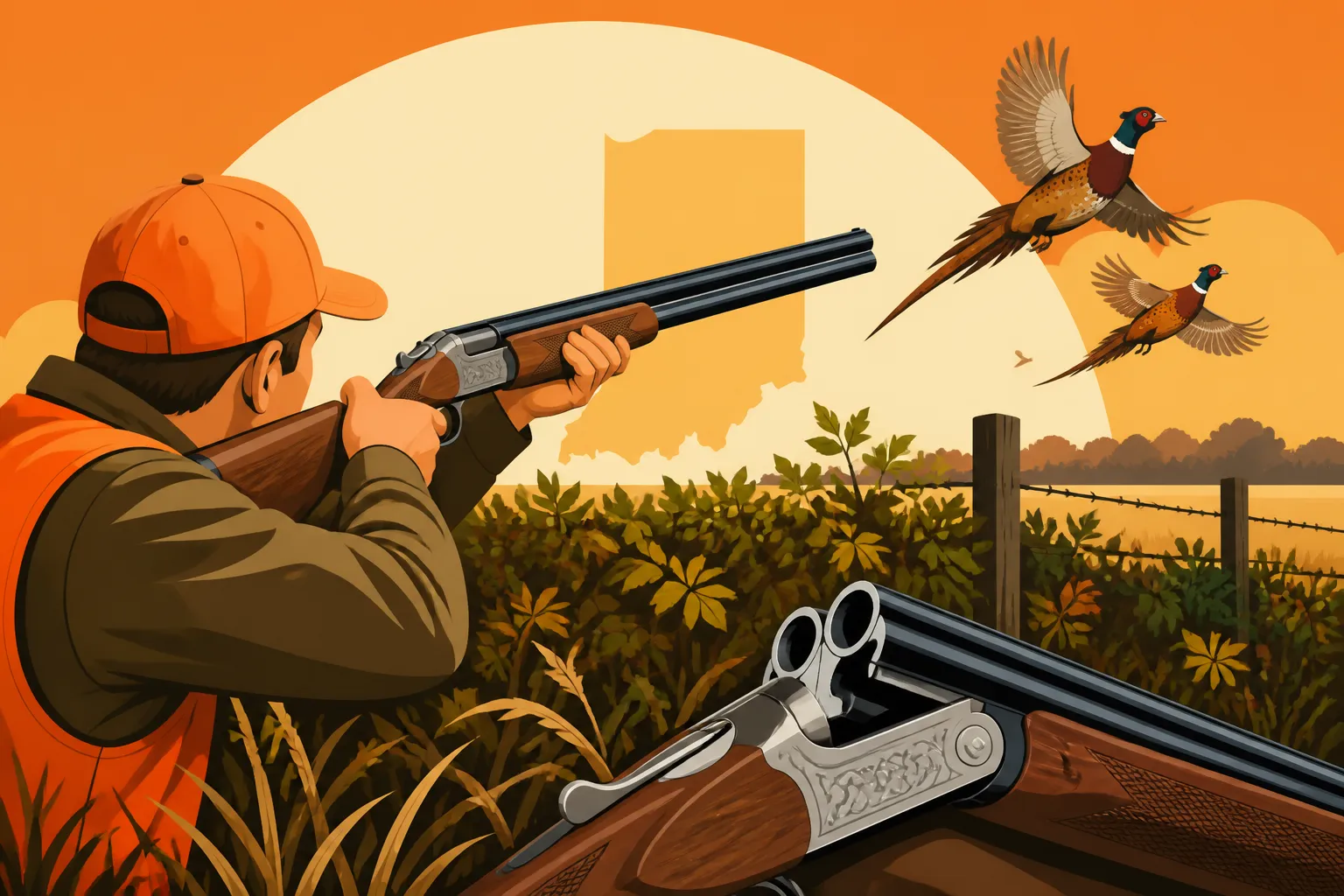
The distinct whistle of a flushing pheasant or the explosive burst of a cottontail from thick fencerow cover can be exhilarating, but it also demands a shotgun that's quick to shoulder, fast on target, and reliable for that crucial second shot. Many hunters find themselves frustrated by bulky, slow-handling firearms that simply aren't suited to the tight, unpredictable nature of hunting these linear strips of habitat. This guide will walk you through why the classic 20 gauge double barrel shotgun remains an unparalleled choice for navigating and effectively hunting Indiana's fencerows, from selecting the right gun and ammunition to practical field tactics and care.
The Enduring Appeal of the 20 Gauge Double for Fencerows
There's a reason why the 20 gauge double barrel has held its place in the hearts of upland hunters for generations, especially when it comes to tackling the dense, unpredictable cover of fencerows. It's a combination of practical advantages that simply make the experience more enjoyable and successful. We're talking about a shotgun that feels like an extension of yourself, allowing for instinctive shooting when game explodes from mere feet away.
Why the 20 Gauge Shines in Tight Cover
When you're pushing through a thorny multiflora rose hedge or navigating a tangled strip of multiflora rose, every ounce and every inch matters. The 20 gauge, by its very nature, offers a significant weight advantage over its larger 12 gauge cousin. This lighter weight translates directly into reduced fatigue over a long day of walking, often miles, along varied terrain. Think about it: carrying a heavy 12 gauge for hours, constantly bringing it up and down as you step over logs or push through dense brush, can wear you out quickly. The lighter 20 gauge allows for quicker mounting and less strain, which means you're more prepared when that bird finally flushes.
Beyond just the weight, the recoil of a 20 gauge is noticeably less substantial than a 12 gauge, especially when firing multiple rounds during a fast-paced hunt. This isn't just about comfort; it's about staying on target for a follow-up shot. When a covey of quail or a pair of pheasants burst out, minimizing felt recoil helps you recover faster, allowing you to cycle your eyes and the gun onto another bird without undue flinching or repositioning. For many, this makes the entire shooting experience more pleasant, leading to more confident and accurate shots, especially during Pheasant Hunting Indiana Grassland or Rabbit Hunting Indiana Fencerows.
Furthermore, the 20 gauge still delivers plenty of knockdown power for common Indiana small game like pheasants, rabbits, and even ruffed grouse where they might still be found. With modern ammunition, the patterns are dense and consistent enough at typical fencerow ranges—often 15 to 30 yards—to cleanly harvest game. You're not sacrificing effectiveness for comfort; you're optimizing for the specific conditions you'll encounter. It's truly a sweet spot for upland hunting in thick Indiana cover.
The Double Barrel Advantage: Quick Follow-Up and Reliability
The double barrel configuration, whether it's a classic side-by-side or a modern over-and-under, offers inherent advantages that are particularly suited to fencerow hunting. The most obvious benefit is the immediate availability of a second shot. Unlike a pump or semi-automatic where you need to cycle the action, a double barrel simply requires a second pull of the trigger. When a rabbit zig-zags through the brush after the first shot, or a second pheasant rises behind the first, that instant follow-up can be the difference between a successful retrieve and a missed opportunity. This speed is invaluable when game bursts out unexpectedly.
Moreover, many double barrels come from the factory with two different chokes, or, in the case of modern over/unders, interchangeable choke tubes. This allows a hunter to select an open choke for the first barrel, perfect for close-flushing birds or rabbits that might appear right at your feet, and a tighter choke for the second barrel, ideal for that slightly longer follow-up shot or a bird that flares unexpectedly. This versatility means you're prepared for a wider range of shooting scenarios within the same fencerow. You can truly optimize your shot pattern for the specific moment.
Finally, the mechanical simplicity and robust design of most double barrel shotguns contribute to their legendary reliability. There are fewer moving parts to jam or get fouled by dirt, mud, or stray twigs—all common occurrences when you're busting through dense fencerows. This reliability means you can focus on the hunt itself, rather than worrying about your firearm. Many hunters appreciate the elegant, uncluttered lines of a double, which also translates to a gun that's less likely to snag on briars and branches as you push through cover, compared to a pump action with its exposed slide. Hunting Indiana's Small Game and Furbearers in these conditions often requires a gun that can take a beating and still perform flawlessly.
Selecting the Right 20 Gauge Double for Indiana Fencerows
Choosing the right 20 gauge double isn't just about picking one off the rack; it's about finding a shotgun that truly fits your style of hunting and the specific demands of Indiana's fencerows. The ideal gun will be an extension of your body, allowing for fluid, instinctive movements that are crucial when game flushes in an instant.
Choke Combinations for Close-Quarters Hunting
For the unpredictable nature of fencerow hunting, where a pheasant might flush 10 yards in front of you one moment and a rabbit might scoot out from underfoot the next, choke selection is paramount. An overly tight choke will result in blown-up birds at close range and a tiny pattern that's hard to hit anything with quickly. Conversely, two extremely open chokes might leave you under-gunned for a pheasant that gets up and flies a bit further down the fencerow. The sweet spot for most fencerow hunters using a double barrel is a combination of Improved Cylinder (IC) and Modified (MOD).
An Improved Cylinder choke delivers a pattern that is open enough for those extremely close, sudden flushes, providing a forgiving spread that increases your chances of connecting with fast-moving game like rabbits or a close-flushing pheasant. It's often the ideal choice for your first shot. The Modified choke, on the other hand, offers a slightly tighter pattern, which is perfect for that second shot on a bird that has gained a little distance or for those shots where game flushes a bit further out initially. This IC/MOD combination gives you excellent versatility, covering the majority of scenarios you'll encounter. For those seeking detailed information on specific shot sizes and chokes, our article on Choke Choice for Fast Flushes offers more depth.
Some hunters might prefer an even more open setup, such as Cylinder/Improved Cylinder, if their hunting primarily involves very thick, tight cover where most shots are under 20 yards. However, the IC/MOD pairing offers a fantastic balance that works well across a broader spectrum of fencerow conditions, from dense briar patches to more open, grassy sections adjacent to agricultural fields. The ability to switch instantly between these two patterns with a double barrel is a significant tactical advantage.
Barrel Length and Balance for Maneuverability
The dense, often overgrown nature of Indiana's fencerows means that a long, unwieldy shotgun barrel is more of a hindrance than a help. Imagine trying to swing a 30-inch barrel through a tangled mess of multiflora rose bushes – it's a recipe for snagging, fumbling, and missed shots. For fencerow hunting, a barrel length in the 26 to 28-inch range is generally considered ideal. This length provides enough velocity and sight plane for effective shooting, while remaining compact enough to maneuver quickly through heavy cover.
A shorter barrel is less likely to get caught on branches, allowing for a smoother, faster swing when game flushes unexpectedly. It also contributes to the overall balance and "feel" of the gun. A well-balanced shotgun will feel lighter in your hands and will point more naturally, making it easier to acquire fast-moving targets. When you're constantly raising and lowering your gun as you navigate uneven terrain and thick vegetation, this balance becomes incredibly important. Many experienced upland hunters, when exploring new ground or preparing for a season, might even consult resources like GoHunt to scout terrain features, including fencerows, to mentally prepare for the type of cover they'll encounter, which then influences their gear choices like barrel length.
Ultimately, the best barrel length will come down to personal preference and how the gun feels in your hands. A good test is to shoulder the gun quickly with your eyes closed, then open them. If the gun is naturally pointing where you were looking, you've likely found a good fit. This instinctive pointing is crucial for snap shots in the chaos of a fencerow flush. Our guide on Barrel Length for Walking Thick Cover further elaborates on this crucial aspect of upland hunting gear.
Ammunition Choices for Mixed Bag in Indiana Fencerows
Fencerows are often prime habitat for a variety of small game species, from pheasants to rabbits, and sometimes even quail. This means your ammunition choice needs to be versatile enough to handle a mixed bag, delivering effective patterns and knockdown power for each.
Shot Size Selection for Pheasant and Rabbit
When you're out stomping fencerows in Indiana, you're primarily targeting pheasants and rabbits. For pheasants, which are hardy birds, a shot size of 5 or 6 is generally preferred. Number 5 shot carries more energy and can penetrate better through a pheasant's thick feathers and dense bone structure, ensuring clean kills at typical flushing ranges. Number 6 shot offers a denser pattern with more pellets, which can be advantageous for hitting fast-moving birds, especially if your chokes are a bit more open. Either size, when paired with the right choke, will perform admirably on ringnecks.
For rabbits, which are smaller and less heavily feathered, number 6 or 7.5 shot are excellent choices. Number 7.5 shot, while often considered a dove load, produces an incredibly dense pattern that is devastating on rabbits at close range. Given that many rabbit flushes in fencerows happen right underfoot, the increased pellet count of 7.5 shot greatly improves your chances of a clean hit. If you're using a double barrel with different chokes, you might even consider loading a 7.5 in the open choke barrel for close rabbits and a 5 or 6 in the tighter choke for pheasants that might get up a bit further out. This kind of flexibility is a hallmark of the double gun. For a deeper dive into this, check out our guide on Shot Size for Pheasant and Rabbit.
It's important to match your shot size to the game and the conditions. Don't go too heavy, as fewer pellets can mean larger gaps in your pattern, leading to missed opportunities. Conversely, going too light for pheasants can result in wounded birds, which no ethical hunter wants. Always confirm state regulations on shot size if there are specific local rules for certain hunting areas you might explore with tools like GoHunt.
Lead Versus Non-Toxic Shot Considerations
For the vast majority of fencerow hunting in Indiana, especially on private land, lead shot is perfectly legal and widely used. It's effective, affordable, and readily available. Most upland hunters rely on traditional lead loads for their pheasant and rabbit pursuits. The concern about non-toxic shot typically arises when hunting waterfowl or in specific areas where lead shot is prohibited due to environmental concerns, such as certain public lands, especially near wetlands.
However, it's always smart to be aware of your surroundings and any local regulations. If your fencerow happens to border a wetland area, a stream, or a public hunting property where non-toxic shot is mandated for all hunting, then you would need to switch to steel, bismuth, or tungsten-alloy loads. While these alternatives are more expensive, modern non-toxic loads have come a long way in terms of performance and can be very effective. Always double-check the current Indiana DNR regulations before heading out, especially if you're venturing onto public land. Indiana Small Game Season Rules provides a great overview of the general regulations.
For most fencerow scenarios, however, you can confidently stick with your preferred lead upland loads. Just be sure to pattern your shotgun with your chosen ammunition to ensure you're getting consistent and effective patterns at your typical shooting ranges. This small step can make a huge difference in your success and ethical harvesting of game.
Practical Application and Maintenance in Fencerow Environments
Hunting fencerows isn't just about the gear; it's about the technique and the commitment to maintaining your equipment in often challenging conditions. The environment can be tough on both you and your shotgun.
Stance, Swing, and Instinctive Shooting in Brush
Hunting in fencerows demands a different kind of shooting skill than open-field pass shooting. Here, shots are often close, fast, and require quick, instinctive reactions. You rarely have time for a perfect setup. The key is to be ready. Maintain a slightly athletic stance, with your weight forward and your gun at the "low ready" position, meaning it's almost shouldered but not quite, allowing for a swift, fluid mount. Keep your head up and your eyes scanning, anticipating where game might flush.
When a bird or rabbit explodes from cover, resist the urge to stop your swing. Many missed shots in these situations are due to hunters stopping their gun as they pull the trigger. Instead, focus on the target, swing through it, and keep swinging after the shot. This "follow-through" is critical for maintaining accuracy on fast-moving, erratic game. Because shots are so quick, developing instinctive shooting—where you point rather than meticulously aim—is incredibly important. Practice mounting your gun quickly and smoothly at home, aiming at various points. The more fluid and natural this motion becomes, the better you'll perform in the field. Reading about Run-and-Gun Turkey Tactics on Public Land can even offer insights into rapid target acquisition, which is applicable here.
Furthermore, remember to utilize the terrain. Fencerows often run along ditches, creek bottoms, or field edges. Use these features to your advantage, whether for concealment or to anticipate game movement. Pay attention to wind direction, as game birds often flush into the wind. Your movements should be deliberate but ready for action at any moment.
Cleaning and Care After a Day in the Field
Indiana's fencerows can be damp, muddy, dusty, and full of abrasive grit. After a day of busting through these conditions, your 20 gauge double will likely have collected its share of grime. Proper cleaning and maintenance are crucial to ensure its longevity and reliable performance for seasons to come. Neglecting your shotgun after a wet or muddy hunt is a surefire way to invite rust and mechanical issues.
Start by wiping down the exterior of the gun thoroughly with a soft cloth to remove any moisture, mud, or debris. Pay special attention to areas where metal meets wood, as moisture can get trapped there. For the bore, a good quality bore snake or cleaning rod with a brass brush and patches, followed by a light coat of gun oil, will keep it pristine. Don't forget the action: remove any visible grit or dirt, and apply a thin layer of lubrication to moving parts. Always consult your specific shotgun's manual for detailed cleaning and lubrication instructions, as different models might have unique requirements.
Beyond the barrel and action, pay attention to the stock and fore-end. If they're wood, a protective wax or oil can help repel moisture and prevent cracking. If they're synthetic, a simple wipe-down is usually sufficient. Store your shotgun in a proper gun case or cabinet, ideally in a dry environment. A good tip is to avoid storing guns in soft cases for extended periods, as they can trap moisture. With regular care, your 20 gauge double will be a faithful companion for many Indiana Deer Camp Traditions and small game hunts to come.
Here's a quick reference for common 20 gauge choke combinations and their ideal uses in fencerow hunting:
| Choke Combination | First Shot Use (Open Choke) | Second Shot Use (Tighter Choke) | Ideal Range (Yards) | Typical Game |
|---|---|---|---|---|
| Improved/Modified | Close-flushing rabbits, sudden pheasant bursts | Pheasants at moderate distance, second rabbit | 15-30 | Rabbit, Pheasant, Quail |
| Cylinder/Improved | Extremely tight cover, very close flushes | Rabbits, close pheasants | 10-25 | Rabbit, Quail |
| Modified/Full | Moderate distance flushes, wary birds | Longer follow-up shots | 25-40 | Wary Pheasant, Grouse |
Disclaimer
This article is for general informational purposes only and does not constitute professional advice. Laws, prices and regulations vary by location and change over time. Consult a qualified professional for guidance on your specific situation.