Pulaski County Public Hunting Access
Finding good public hunting access in a specific county in Indiana can sometimes feel like you're trying to solve a complex puzzle with missing pieces. You might spend hours poring over maps, only to feel unsure about where you can legally set foot or what kind of experience to expect. This guide is here to untangle the complexities of public hunting in Pulaski County, Indiana, focusing on the primary opportunities available and how you can effectively plan your next outing for deer, turkey, waterfowl, or small game.
Understanding Pulaski County's Public Hunting Landscape
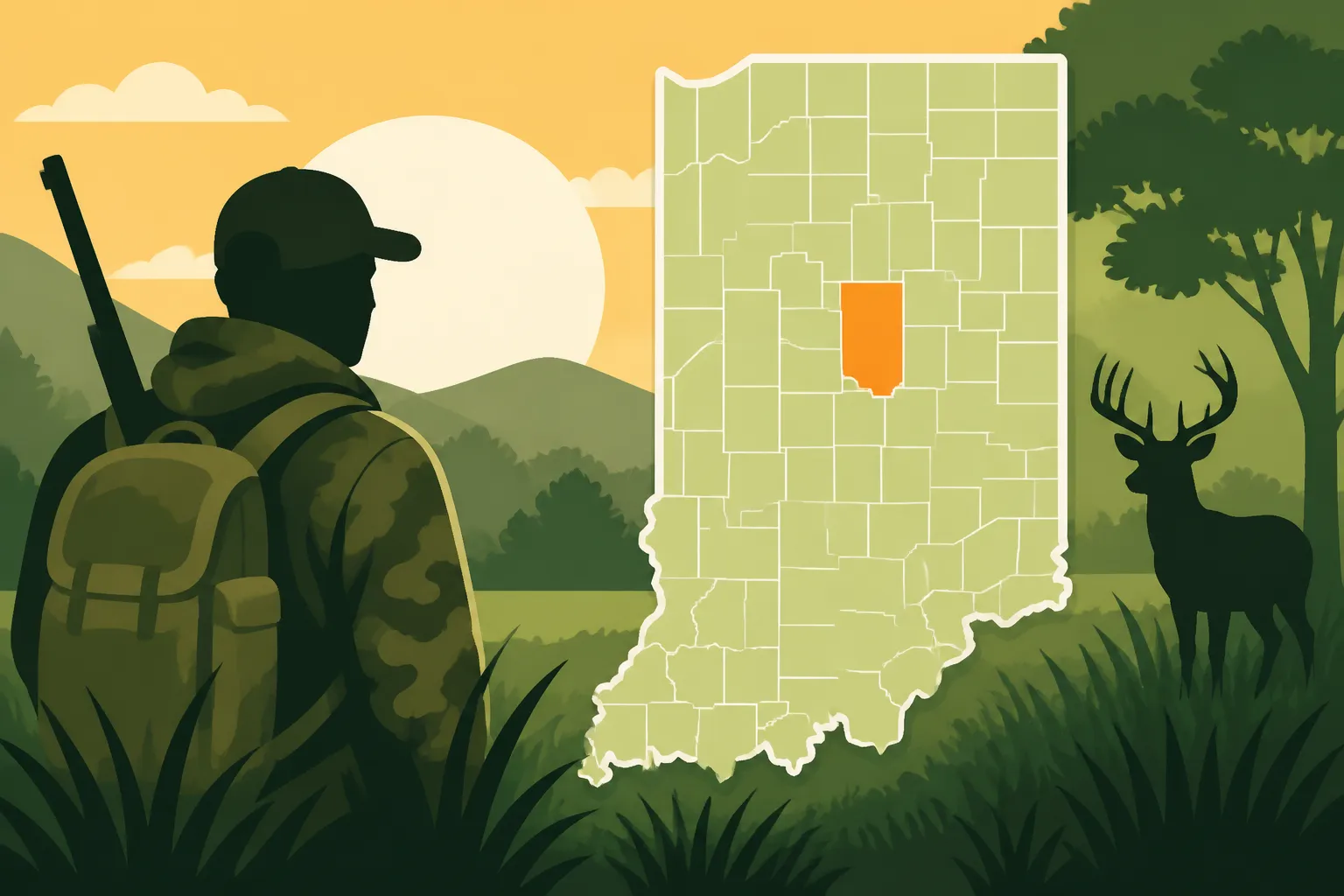
Pulaski County, located in north-central Indiana, offers a distinct hunting landscape, largely defined by its unique blend of wetlands, agricultural fields, and scattered timber. Unlike the sprawling hills of Southern Indiana, Pulaski County's terrain requires a different approach, particularly for those accustomed to vast national forests. The biggest name in public access here is undoubtedly Winamac Fish and Wildlife Area, a true gem for diverse hunting pursuits.
The Jewel: Winamac Fish and Wildlife Area
Winamac Fish and Wildlife Area (FWA) is the cornerstone of public hunting access in Pulaski County, and indeed, a significant destination for hunters across the state. This expansive property boasts a remarkable diversity of habitats, ranging from restored wetlands and marshes to upland forests, brushy fields, and agricultural plots. It's a place where you can pursue multiple species in a single season, but it also comes with its own set of challenges, primarily hunting pressure.
Imagine driving into Winamac FWA during the early archery season. You'll likely see trucks and trailers parked at various access points, indicating that many hunters share your enthusiasm. This pressure means deer can be particularly wary, and turkeys might be quick to clam up after an initial gobble. The key to success here often lies in finding those overlooked pockets, areas that might require a longer walk or traversing a bit of thick, wet cover that others avoid. Tools like onX Hunt become incredibly valuable here, allowing you to meticulously study satellite imagery, identify subtle terrain features like old ditch lines, small isolated woodlots, or marsh fingers that might offer a sanctuary for game. You can use the map to mark potential bedding areas, food sources like acorn flats in the timber, or travel corridors between different habitat types. It's not always about finding the biggest block of woods; sometimes, it's about identifying a small, seemingly insignificant patch that offers just enough cover to hold deer.
Winamac FWA is particularly renowned for its waterfowl hunting opportunities, thanks to its extensive marsh and wetland restorations. During migration, these areas can be alive with ducks and geese, drawing hunters from all over. But it's not just about birds. Deer thrive in the mixed habitat, utilizing the thick cover of the marshes and brush for bedding, and venturing into the surrounding agricultural fields at dawn and dusk. Turkeys can be found in the more timbered sections, especially near older hardwoods, while small game like rabbits and squirrels are plentiful in brushy fencerows and woodlots.
Other Potential Spots and Considerations
While Winamac FWA is the primary draw, it's always wise to remember that other public access points might exist, even if they are smaller or less obvious. Indiana has various types of public land, including some state forests, although Pulaski County isn't known for vast state forest tracts within its borders. Sometimes, small parcels managed by other conservation groups or even specific river access points along the Tippecanoe River can offer limited, but unique, hunting opportunities, especially for small game or even jump-shooting ducks.
It’s crucial to thoroughly check the Indiana Department of Natural Resources (DNR) website and use mapping applications to identify any other designated public access. Often, these smaller parcels have specific rules or limited access, so a little research beforehand can save you a wasted trip. Always double-check property boundaries, even if you think you know an area, because a small private inholding could be tucked away in an otherwise public block. The general rule of thumb for any public land is: if you're not absolutely sure, don't hunt it. Always respect posted signs and private land boundaries to avoid any unpleasant encounters or legal issues.
For instance, you might find a narrow strip of public land along a creek bottom that offers excellent squirrel or rabbit hunting, even if it's too small for larger game. These smaller, forgotten spots can often provide a peaceful hunt away from the crowds of larger areas. Reading a Ridge for Hoosier Forest Deer might not seem directly applicable to Pulaski County's flatter terrain, but the principles of understanding topography, even subtle changes, and how game uses cover remain critical. Look for slight elevation changes, even just a foot or two, that might create a dry bedding area in a marsh or a natural travel corridor between a field and a thicker wooded island.
Navigating Regulations and Access Points in Pulaski County
Hunting public land is not just about finding the spot; it's also about understanding and adhering to the specific rules and regulations that govern each property. Winamac FWA, like all Indiana Fish and Wildlife Areas, has its own set of guidelines designed to manage hunting pressure, ensure safety, and protect wildlife populations. Ignoring these rules can lead to fines, loss of hunting privileges, and a generally negative experience.
Sign-In Procedures and Local Rules
One of the most important aspects of hunting any Indiana Fish and Wildlife Area, including Winamac, is the mandatory check-in and check-out procedure. This isn't just a formality; it's a critical management tool for the DNR. It allows them to track hunter numbers, assess harvest data, and ensure accountability. You typically need to sign in before you begin hunting and sign out immediately after you finish, even if you didn't harvest anything.
For a long time, this meant stopping at a self-service check station, filling out a card, and dropping it in a box. While those stations still exist, the digital age has made things a lot easier. The Go Outdoors Indiana system, accessible online or through the mobile app, is now the primary method for check-in. It's incredibly convenient: you can check in from your truck before you even step into the woods, or from home if you're planning an early morning hunt. Just make sure your phone is charged and you have service, or check in beforehand if you anticipate a dead zone. When using the app, make sure you select the correct FWA and the specific activity (e.g., deer archery, waterfowl hunting, small game). Failing to check in or out is a violation and can carry penalties. These procedures are in place to ensure fair chase and proper management of limited resources, and it's something every responsible hunter takes seriously.
Beyond the general FWA rules, be aware of any specific draw hunts or special regulations. For instance, some FWAs might have designated archery-only zones, or specific blinds for waterfowl that are allocated via a draw system. Always consult the current Indiana hunting guide and the specific regulations for Winamac FWA, which are usually posted at entrance kiosks and available on the DNR website. Understanding Indiana Hunting Licenses and What They Cost is your first step before even considering heading afield, as you'll need the proper permits and stamps.
Specific Challenges: Pressure and Habitat Variety
Public land hunting, particularly on well-known properties like Winamac FWA, often means dealing with hunting pressure. This can manifest in several ways: crowded parking lots, other hunters moving through the woods, or simply more wary game animals. Deer that encounter hunters regularly tend to become more nocturnal or move into the thickest, nastiest cover they can find. Turkeys become "call shy" and are less likely to respond to aggressive calling. Waterfowl might flare higher or change their flight paths if decoys are set in obvious, high-traffic spots.
The key here is adaptation. Don't hunt where everyone else hunts. While it's tempting to set up near an easy access point, sometimes walking that extra half-mile into thicker cover or a less accessible marsh pocket can make all the difference. This is where your detailed onX Hunt maps come in handy, allowing you to scout for those secluded spots. Look for areas bounded by water or dense briar patches that might deter other hunters.
Pulaski County's habitat variety presents both opportunities and challenges. The open agricultural fields surrounding the FWA provide excellent food sources, but also expose game to more visibility. The marshes and wetlands, while fantastic for waterfowl, can be physically demanding to navigate, especially with decoys or a treestand. The scattered timber blocks, often younger and thicker than southern Indiana forests, offer dense cover but can limit visibility for rifle hunters. Adapting your tactics to these specific habitats is crucial. For example, Hunting Northern Indiana Farmland Deer often involves scouting field edges and woodlots, looking for pinch points and transition areas, which applies directly to much of Pulaski County.
Practical Strategies for Hunting Pulaski County Public Land
Success on public land in Pulaski County isn't just about showing up; it's about thoughtful planning, persistent scouting, and adaptable hunting strategies. You've got to put in the work before the season and be willing to change your approach based on what the game animals are telling you.
Scouting and Digital Tools
Pre-season scouting is paramount for success on any public land, and Pulaski County is no exception. Before you even set foot in the woods, use digital tools to your advantage. As mentioned, onX Hunt is an incredibly powerful resource. Start by reviewing aerial and topographic maps. Look for:
- Habitat transitions: Where do the dense marsh areas meet the upland timber? Where do the woodlots meet agricultural fields? These are often high-traffic zones for deer and other game.
- Water features: Creeks, ditches, ponds, and especially the extensive wetlands within Winamac FWA. These are critical for waterfowl, but also act as barriers or travel corridors for deer.
- Subtle topography: Even in relatively flat Pulaski County, slight elevation changes can dictate deer movement or provide drier bedding areas. Look for humps in the marsh or small ridges in the timber.
- Access points and human sign: Identify parking areas, established trails, and potential areas of high hunter pressure. Plan routes that take you away from these spots.
Once you have a few promising locations identified on your map, it's time for boots on the ground. Visit the area in the off-season, or during legal scouting periods, to verify what you saw on the map. Look for fresh deer tracks, rub lines, old scrapes, turkey roost trees, and any sign of current game activity. Scouting Indiana Public Land Before Season is invaluable advice, teaching you to look for both obvious and subtle signs. Note natural funnels, like a narrow strip of woods between two fields, or a bottleneck created by a creek bend.
Adapting to Local Game and Conditions
Deer Hunting: For deer, focus on transition areas, especially those where thick cover meets a food source. In Winamac FWA, this might mean hunting the edges of the marsh where deer bed, waiting for them to move towards surrounding corn or soybean fields. Hunting the Rut in Early November is a prime time, and understanding how deer behave during this period in Pulaski County is crucial. Bucks will be cruising, checking doe bedding areas, often utilizing the densest cover. Consider using a ground blind brushed into a field edge or a portable treestand in a timber pocket near a known travel route.
Turkey Hunting: Wild turkeys are present in Pulaski County, particularly in the more timbered sections of Winamac FWA. They often roost in large hardwoods along creek bottoms or near the edges of fields. Successful turkey hunting here often involves early morning setups near roost sites, followed by a willingness to move and Run-and-Gun Turkey Tactics on Public Land if birds go silent. Locator calls, like crow or owl hoots, can help pinpoint gobblers without directly calling to them, especially on pressured birds.
Waterfowl Hunting: Pulaski County, especially Winamac FWA, is a waterfowl hunter's paradise. The extensive marshes and managed impoundments draw significant numbers of ducks and geese during migration. Scouting for active feeding areas and flight paths is critical. Be prepared for cold, wet conditions. Layout blinds are excellent for field hunting geese, while marsh boats or well-constructed permanent blinds (where permitted) are essential for duck hunting. Understanding Waterfowl Hunting the Kankakee Marshes can offer transferable strategies, as many of the habitat types and challenges are similar.
Small Game Hunting: Don't overlook the incredible small game opportunities. Squirrels are abundant in the hardwood timber, particularly near oak and hickory groves. Rabbits thrive in the brushy fencerows, briar patches, and thick cover found throughout the county. A good bird dog can make pheasant and quail hunting more productive, especially in the grassier, brushier areas of the FWA. Squirrel and Small Game Hunting in Indiana provides excellent foundational advice. These hunts are often less pressured and can be a fantastic way to introduce new hunters to the sport or just enjoy a relaxing day afield.
Maximizing Your Success on Pulaski County Public Ground
Hunting public land is about more than just the harvest; it’s about the experience, the challenge, and the connection to the outdoors. Maximizing your success in Pulaski County means being prepared, patient, and persistent.
Gear Considerations for Diverse Terrain
Given the varied landscape of Pulaski County – from wet marshes to dense timber and open fields – your gear choices are paramount.
- Footwear: Waterproof boots are non-negotiable, especially if you plan to explore the wetlands or hunt during damp weather. Hip waders or chest waders will be essential for waterfowl hunting in the deeper marsh areas.
- Clothing: Layering is always wise in Indiana, where weather can change quickly. Early season might call for lightweight, breathable camouflage, while late season demands insulated, windproof, and waterproof outer layers. Don't forget your blaze orange or blaze pink during applicable seasons; Indiana Blaze Orange Requirements outlines exactly what you need.
- Optics: Good binoculars and a rangefinder are vital, whether you're glassing open fields for deer or trying to identify ducks on the water.
- Navigation: A reliable GPS unit or a fully charged smartphone with a mapping app like
onX Huntis crucial for staying found and marking spots, especially in unfamiliar terrain or dense cover. - Stands and Blinds: A lightweight, portable treestand is often a good choice for public land deer hunting, allowing you to move and adapt. However, ground blinds, particularly those that can be brushed in naturally, are incredibly effective in areas with limited suitable trees or for hunting field edges.
Think about how you'll carry everything. A comfortable hunting pack, like those designed for a Packs for a Hoosier Forest Day Hunt, is essential for carrying your gear, snacks, water, and anything you might harvest.
Patience and Persistence
Public land hunting, by its very nature, often requires more effort and patience than hunting on private, managed land. You're dealing with more variables: other hunters, less predictable game movement, and often less "prime" habitat directly off the beaten path.
- Embrace the walk: Don't be afraid to put in the miles. The areas further from parking lots and main trails often hold the least pressured animals.
- Be flexible: If your initial spot isn't producing, be willing to move. Sometimes just a quarter-mile relocation can put you in a completely different hunting scenario.
- Learn from every outing: Every time you step into the woods, whether you see game or not, you're gathering information. Pay attention to wind direction, sun angles, where you see other hunters, and where you don't see game. Use this knowledge to refine your strategy for the next hunt.
- Respect others: You'll likely encounter other hunters. Be courteous, share the resource responsibly, and avoid interfering with someone else's hunt. Communication can go a long way.
Hunting Pulaski County's public lands, particularly Winamac FWA, offers a fantastic opportunity to engage with Indiana's diverse wildlife. With preparation, an understanding of the rules, and a good dose of persistence, you can have a rewarding and successful experience.
Here’s a quick overview of what you can expect:
| Species | Prime Habitat in Pulaski County (Winamac FWA) | Key Considerations |
|---|---|---|
| Deer | Mixed timber blocks, marsh edges, thickets, agricultural field borders | High pressure, especially early season and during firearms season. Focus on finding remote pockets of dense cover. Scout transition zones between bedding (marsh/thicket) and feeding (fields/hardwoods). Digital mapping tools are invaluable for identifying overlooked areas and planning quiet entry/exit routes. |
| Turkey | Mature hardwoods, timbered creek bottoms, field edges | Can be call-shy due to pressure. Early morning roost hunts are productive. Be prepared to run-and-gun. Listen for gobblers deeper in the woods away from main trails. Consider light calling to avoid alerting pressured birds, or aggressive calling to challenge dominant gobblers. |
| Waterfowl | Extensive managed wetlands, marshes, ponds, ditches, river systems | Excellent opportunities during migration. Requires specialized gear like waders, marsh boats, and decoys. Learn the specific FWA draw rules for blinds. Scout for active feeding and loafing areas. Cold weather and wet conditions are common. |
| Small Game | Brushy fencerows, thickets, early successional growth, bottomland hardwoods | Generally less pressured. Good for introducing new hunters. Look for squirrels in oak/hickory groves, rabbits in dense briar patches. Pheasants are often stocked, check FWA schedules. Use an accurate small game shotgun and be ready for quick shots in thick cover. |
Disclaimer
This article is for general informational purposes only and does not constitute professional advice. Laws, prices and regulations vary by location and change over time. Consult a qualified professional for guidance on your specific situation.