Meat Care Gear for Indiana Hunters
One of the most disheartening things a hunter can experience is successfully harvesting an animal, only to have the meat suffer due to improper care in the field or during transport. Whether you're hunting whitetails in the rolling hills of southern Indiana, chasing turkeys in a northern Indiana woodlot, or even pursuing small game, how you handle your harvest immediately after the shot dictates the quality of the venison, turkey, or rabbit that ends up on your plate. This guide dives deep into the essential meat care gear and techniques every Indiana hunter needs to master, ensuring your hard-earned bounty is treated with the respect it deserves, from field to freezer.
Field Dressing Essentials for Indiana Conditions
The moment your animal hits the ground, the clock starts ticking. Rapid and efficient field dressing is the absolute first step in ensuring high-quality meat. Indiana weather can be notoriously unpredictable, from sweltering early archery days to frigid late-season muzzleloader hunts, and your gear needs to be ready for anything.
Knives and Sharpening Tools
You simply cannot overstate the importance of a sharp knife for field dressing. A dull blade is not only frustrating and makes the job harder, but it's also more dangerous, as you're more likely to slip and cut yourself. Many veteran hunters carry at least two knives: a sturdy fixed-blade knife for general work and perhaps a smaller, finer-pointed blade for precision tasks like caping around glands or removing the windpipe. Look for knives with good ergonomics and a non-slip grip, especially since your hands will inevitably get messy. Stainless steel is a popular choice for its corrosion resistance, a definite plus when dealing with blood and moisture.
Beyond the knife itself, a portable sharpening system is non-negotiable. Whether it's a small ceramic rod, a diamond-coated steel, or a pull-through sharpener, being able to touch up your blade quickly in the field can make all the difference. Imagine being halfway through a deer on a public land walk-in, and your knife goes dull – having a sharpener means you won't have to struggle or risk ruining cuts. Some hunters even carry replaceable blade knives, which allow for lightning-fast blade changes, perfect for those who want a razor edge without the hassle of field sharpening.
Gloves and Sanitation
Field dressing is a messy business, and for good reason, you want to protect yourself from potential bacteria and diseases. Wearing good quality disposable gloves, like nitrile or latex, is paramount. Not only do they keep your hands clean, but they also offer a barrier against zoonotic diseases that, while rare, can be transmitted from animals to humans. Carry several pairs, because gloves can tear, especially when working around bone or sharp points.
Beyond gloves, a small hand sanitizer or wet wipes can be a lifesaver for cleaning up after the job is done, especially if you're deep in the woods and don't have immediate access to running water. Some hunters even carry a small spray bottle with a diluted bleach solution or hydrogen peroxide to disinfect their knives and hands after the initial gutting. It’s about minimizing contamination of the meat and ensuring your own safety, whether you're handling a deer harvested during Indiana's Firearms Deer Season or a turkey during Spring Turkey Hunting in Indiana. This extra step of hygiene is a small effort for a huge payoff in peace of mind and meat quality.
Game Bags for Initial Protection
Once an animal is field dressed, it needs protection. Game bags are an absolute must, especially for larger game like deer. These aren't your grandma's pillowcases; modern game bags are typically made from breathable, lightweight material that protects the meat from flies, dirt, and debris while allowing air to circulate, which is crucial for cooling. They come in various sizes, from small quarter bags to full-carcass bags.
Using game bags properly involves ensuring all exposed meat is covered. For a deer, you'd want to bag each quarter separately if you're breaking it down in the field (the gutless method), or use a larger bag if you're planning to haul the whole field-dressed carcass out. This is particularly important during early archery season when temperatures can still be warm and insects are active. Imagine walking out of the Hoosier National Forest with a perfectly field-dressed buck, only to find a swarm of flies has already started laying eggs on the exposed meat – game bags prevent this nightmare scenario. They also make carrying easier and keep your vehicle cleaner during transport.
Getting Your Harvest Out: Drags, Carts, and Packs
The shot is made, the animal is field dressed, and now comes the real work: getting it from the woods back to your vehicle or camp. This can be one of the most physically demanding parts of the hunt, especially if you're far from a road or dealing with challenging Indiana terrain. Having the right gear to aid in extraction is a game-changer.
Deer Drags and Sleds for Easier Hauling
For many Indiana hunters, a simple deer drag or rope is the go-to for getting a deer out. These are lightweight, portable, and can be used by one or more people. A sturdy rope with a comfortable handle is a basic, yet effective, tool. Some drags even incorporate a chest harness, allowing you to use your body weight more efficiently, which is a blessing when traversing fields or open timber. They're excellent for relatively flat terrain or when you're just a short distance from your vehicle.
When conditions turn wet, snowy, or muddy, a deer sled becomes invaluable. These plastic sleds are designed to protect the carcass from dirt and debris while significantly reducing friction. Picture dragging a heavy buck through a recently thawed, muddy soybean field in northern Indiana – a sled makes that job exponentially easier, preventing the carcass from becoming caked in mud. They're also great for navigating through thick brush, as the sled glides over obstacles that would snag a bare carcass. Some sleds are even large enough to accommodate multiple deer or a boned-out hog.
Game Carts for Rougher Terrain
When your hunting grounds involve longer distances, uneven terrain, or a mix of obstacles like downed trees and creeks, a game cart is worth its weight in gold. These wheeled carts allow you to transport heavy loads with less direct physical strain. They typically feature sturdy frames, rugged wheels, and sometimes even suspension systems to handle bumps and logs. While they can be cumbersome to haul into the deep woods initially, the effort pays off immensely on the way out.
Consider the challenge of retrieving a deer from a steep ridge in Brown County or across a series of ravines. Trying to drag a heavy animal up and down those slopes can be dangerous and exhausting. A well-designed game cart, especially one with large, pneumatic tires, can navigate these conditions much more effectively than dragging alone. Just remember to practice with your cart before the season to understand its limits and how to best load and secure your harvest.
Frame Packs for the Gutless Method
For those truly remote hunts, or when targeting larger animals, the "gutless method" combined with a quality frame pack is often the most efficient way to get meat out. The gutless method involves field dressing the animal by removing the quarters, backstraps, tenderloins, and other prime cuts without opening the body cavity. This leaves the gut pile intact and reduces the weight you need to haul out. These boned-out sections are then loaded into game bags and packed onto a sturdy frame pack.
Frame packs are designed to carry heavy, awkward loads close to your body, distributing the weight to your hips and legs rather than just your shoulders. They are essential if you plan on hunting deep within the Hoosier National Forest, where long distances and difficult terrain make dragging a whole carcass impractical. Investing in a good frame pack and learning the gutless method can literally extend your hunting range and your ability to bring out every valuable piece of meat. Many hunters use mapping apps like GoHunt to scout terrain and plan extraction routes, which is invaluable when contemplating a gutless pack-out.
| Gear Type | Best Use Case | Terrain Suitability | Advantages | Disadvantages |
|---|---|---|---|---|
| Deer Drag | Short distances, open woods, flat fields | Flat to gently rolling | Lightweight, portable, inexpensive | High physical exertion, carcass gets dirty |
| Deer Sled | Mud, snow, brush, protecting carcass | Flat to gently rolling, some obstacles | Protects meat, reduces friction, relatively light | Can be bulky to carry in, still requires dragging |
| Game Cart | Longer distances, moderate obstacles, uneven ground | Varied (dirt roads, trails) | Less physical exertion, keeps carcass cleaner | Can be heavy/noisy, difficult in very steep/thick areas |
| Frame Pack | Remote areas, steep terrain, solo hunting | All terrain, especially rough | Most efficient for long distances, lightens load | Requires boning out, higher initial cost |
Temperature Control: The Critical First Hours
Once the animal is down and field dressed, getting the meat cooled quickly and efficiently is paramount. Bacteria thrive in warm conditions, and improper cooling is the fastest way to spoil an otherwise perfect harvest. Indiana's varied climate means you need different strategies depending on the season and temperature.
Coolers and Ice Management for Early Season
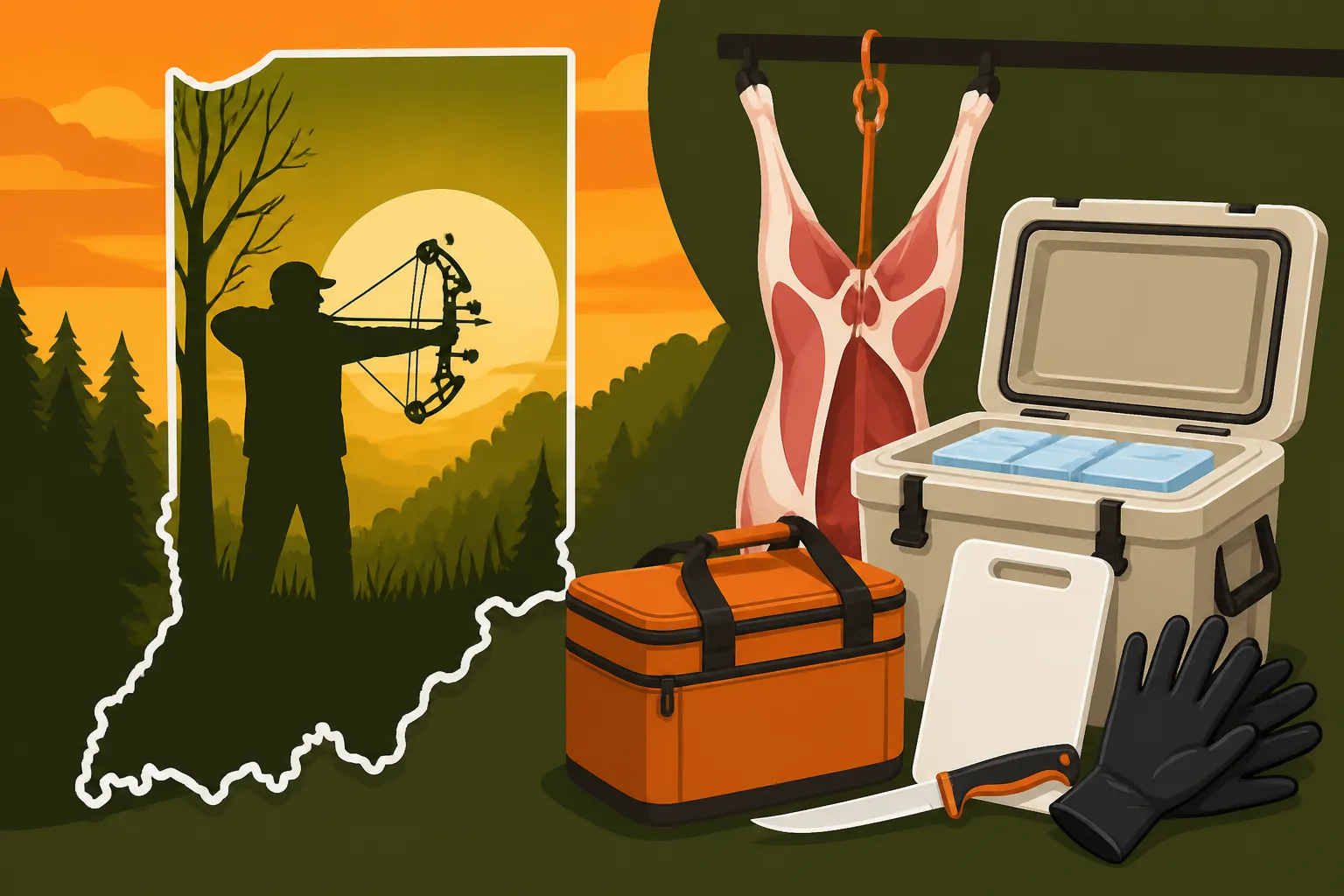
During the warm temperatures of Indiana's early archery season, or even a mild firearms opener, a large, well-insulated cooler filled with ice is your best friend. After field dressing, it's often wise to quarter your deer and get those quarters into game bags and then directly onto ice. This rapid cooling halts bacterial growth and begins the aging process correctly. Don't just toss the meat in; arrange it so air can circulate and the ice makes good contact. Drain off melted water regularly, as standing water can degrade meat quality.
Many hunters will bring multiple coolers: one for the quarters, another for backstraps and other loose cuts, and maybe even a smaller one for liver and heart. Having plenty of ice, or even frozen jugs of water that melt slower, can make all the difference in preserving your meat, especially if you have a long drive home or won't be able to process it immediately. Think ahead – have your coolers prepped and ready before you ever leave for the hunt, knowing that a successful outing means prompt and effective cooling.
Venting and Air Circulation for Cold Weather
When the mercury drops during Hunting the Rut in Early November or deep into Muzzleloader Deer Hunting in Indiana, the need for ice becomes less critical, but proper cooling is still vital. Cold air is your natural refrigeration unit. After field dressing, the key is to allow the carcass to cool as much as possible, as quickly as possible, while protecting it from scavengers and dirt. This means getting it out of direct sunlight and allowing air to circulate around it.
If you're able to hang the animal whole (perhaps from a gambrel at a deer camp or even a sturdy tree limb), spread the body cavity open with a clean stick to maximize airflow. If you're leaving it on the ground, try to prop it up on logs or rocks to get air underneath. Never pile multiple carcasses together immediately after harvest, as this traps body heat. If snow is on the ground, you can use it to your advantage, even packing snow into the body cavity of a field-dressed animal to aid in rapid cooling, as long as the snow is clean. The goal is to dissipate that internal body heat as fast as possible to prevent souring.
Portable Shade and Tarps
Sometimes, despite your best planning, you find yourself with an animal down during a sunny, mild day, and a long haul out. In these situations, protecting the carcass from direct sunlight and heat becomes a priority. A simple tarp can provide much-needed shade, helping to keep the meat cooler while you work on extraction or wait for assistance. Drape it over the animal, but ensure there's still plenty of airflow underneath and around it to prevent heat from getting trapped.
A reflective emergency blanket can also work in a pinch, reflecting the sun's rays away from the meat. These items are lightweight and packable, making them easy to carry in your hunting pack. While not a substitute for proper cooling methods like ice or cold air, they offer a crucial layer of protection against solar radiation, which can quickly warm a carcass and accelerate spoilage. This is especially true for exposed meat after you've quartered an animal, even when it's in game bags. Every degree you can keep the meat cooler in those initial hours adds to its quality.
At Camp or Home: Initial Processing Tools
Once you've successfully retrieved your harvest from the field, the work isn't over. Whether you take your animal to a professional butcher or opt for the satisfaction (and savings) of processing it yourself, having the right tools for initial breakdown at camp or in your home is crucial. This is where you transform the field-dressed animal into manageable cuts ready for the freezer.
Bone Saws and Butchering Knives
For deer and other larger game, a good bone saw is indispensable, especially if you plan to break down the carcass into smaller, more manageable pieces or if you're taking your own steaks and roasts from bone-in sections. Hand saws designed for butchering typically have aggressive teeth and a sturdy frame, making quick work of ribs, pelvis, and leg bones. They save your knives from dulling on bone and make cleaner cuts.
Alongside your field dressing knives, a set of dedicated butchering knives will make processing at home much more efficient. This usually includes a boning knife (flexible, thin blade for separating meat from bone), a breaking knife (a larger, curved blade for primal cuts), and a slicing knife (long, straight blade for cutting steaks). Keeping these knives razor-sharp is vital for clean, safe cuts. Many hunters use electric sharpeners or a wet stone to maintain their edge. A good set of butchering knives will significantly improve the quality and presentation of your cuts compared to struggling with inadequate tools.
Cutting Boards and Work Surfaces
Hygiene remains paramount during the butchering process. You need a large, clean, and stable work surface that can be easily sanitized. Commercial-grade cutting boards made of heavy-duty plastic or composite materials are ideal. They are non-porous, preventing bacteria from harboring, and can withstand repeated cleaning with hot, soapy water or even a diluted bleach solution. Avoid porous wooden cutting boards for raw meat if you can, as they are harder to keep truly sanitary.
If you're processing a whole deer, you'll want a surface large enough to accommodate quarters or half-carcasses. A dedicated stainless steel table or a sturdy workbench covered with a clean plastic sheet can also serve as an excellent workstation. The key is to have enough space to work comfortably and safely, preventing cross-contamination and keeping the meat clean. For hunters in Hunting Northern Indiana Farmland Deer or Hunting the Wabash River Valley, having a clean, designated space in a garage or shed can make the entire process much more enjoyable and effective.
Vacuum Sealers for Long-Term Storage
Once your meat is cut and trimmed, proper packaging is the final step before freezing. While freezer paper and heavy-duty freezer bags can work, a vacuum sealer is truly the gold standard for long-term meat preservation. Vacuum sealing removes all the air from the package, preventing freezer burn, extending shelf life significantly, and preserving the flavor and texture of your venison, wild turkey, or other game.
A good quality vacuum sealer, along with rolls of sturdy, freezer-safe bags, is an investment that quickly pays for itself in preserved meat quality. Imagine pulling out a pack of venison backstraps from a deer harvested during Hunting the Indiana Rut in Early November a year later, and it tastes just as fresh as the day you sealed it. This isn't just about preventing waste; it's about honoring the animal and the effort you put into the hunt by ensuring the meat remains delicious for months or even years.
Carcass Handling and Transport Regulations in Indiana
Understanding Indiana's specific regulations for handling and transporting harvested game is just as important as having the right gear. Ignorance of the law is no excuse, and improper handling can lead to fines, loss of your harvest, or even losing your hunting privileges. These rules are in place for wildlife management and disease prevention, especially concerning Chronic Wasting Disease (CWD).
Reporting Requirements and Tagging
In Indiana, after you've successfully harvested a deer or turkey, you are required to register your harvest through the Indiana DNR's online check-in system or the Go Outdoors Indiana mobile app. This must be done within a specific timeframe, usually 48 hours, but it's always best to do it as soon as possible after recovery. Before moving the animal, you must attach your valid deer or turkey license (or confirmation number if hunting under a special permit) to the carcass. This tag must remain attached until processing begins.
Failure to properly tag and report your harvest can result in serious penalties. It's not just about compliance; the data collected from these reports is vital for the Indiana DNR to monitor herd health, population numbers, and make informed management decisions. So, always carry your license, a pen, and ideally a permanent marker, and know how to use the Go Outdoors Indiana app, which can even work offline in some areas, to report your deer quickly and efficiently. Make sure you understand Indiana Deer Reporting Requirements to avoid any issues.
CWD Considerations and Carcass Movement
Chronic Wasting Disease (CWD) is a serious concern for deer populations, and Indiana has specific regulations to prevent its spread. If you harvest a deer in one of Indiana's CWD-positive counties, or even a surrounding county under enhanced surveillance, there are strict rules about how you can transport the carcass or parts of the carcass. Generally, you cannot transport whole carcasses or certain high-risk parts (like brain, spinal cord, lymph nodes) out of a CWD-positive area, unless you're taking it directly to a licensed taxidermist or processor within the same area.
It's crucial to be aware of Indiana's Chronic Wasting Disease Positive Area and Indiana Carcass Movement Restrictions if you hunt in those regions. This might mean processing your deer more thoroughly in the field, only transporting boned-out meat, cleaned skull plates, or capes for taxidermy out of the CWD area. Always check the latest DNR regulations before hunting in a CWD-affected zone to ensure you're compliant and doing your part to protect Indiana's deer herd. Finding a CWD sampling station if required or desired is also part of responsible hunting.
Transporting Your Harvest Legally
Beyond CWD concerns, general rules apply to transporting harvested game. The carcass or parts must be legally tagged and visible. While some states require the tag to remain visible throughout transport, Indiana generally requires it to be attached until processing begins. It’s always a good practice to transport your deer in a manner that's respectful and doesn't cause alarm to other motorists. This often means covering the animal with a tarp or placing it in the bed of a truck, rather than having it openly displayed.
If you're transporting quarters or boned-out meat, ensure they are in clean game bags or coolers to prevent contamination and keep your vehicle clean. Remember, you're not just transporting game; you're also transporting proof of your legal harvest. Having all your paperwork in order – your license, tags, and harvest report confirmation – is essential. This careful consideration extends to all game, whether you've successfully engaged in Squirrel and Small Game Hunting in Indiana or brought down a large whitetail.
Beyond the Basics: Enhancing Your Meat Care System
For many hunters, meat care is an evolving process. As you gain experience, you'll likely want to refine your system, adding tools and techniques that make the process smoother, cleaner, and more efficient. These advanced considerations can really elevate your post-harvest game.
Mobile Storage Solutions Truck Beds, Cargo Carriers
For serious hunters or those who travel long distances, optimizing your vehicle for game transport is a smart move. A pickup truck bed with a sturdy liner is ideal, but even SUVs and cars can be adapted. Consider a durable, easily washable liner for your truck bed that protects against blood and grime. Some hunters even install custom-made platforms or bed slides that make loading and unloading heavy game much easier.
If you drive an SUV or sedan, a hitch-mounted cargo carrier is an excellent solution. These platforms attach to your vehicle's hitch receiver and allow you to transport field-dressed game outside the passenger compartment, preventing messes and odors inside your vehicle. Look for carriers with a sturdy mesh bottom that allows for drainage and tie-down points to secure your harvest safely. Pair this with a large cooler or game bags, and you've got a highly efficient, clean transport system, perfect after a successful hunt far from home. These systems can be particularly useful when returning from public land hunting in areas like Hoosier National Forest Hunting where you might be quite a drive from your processing station.
Game Hoists and Processing Tables
At home or at a hunting camp, a game hoist and a dedicated processing table can turn butchering from a back-breaking chore into a streamlined operation. A gambrel and hoist system allows you to hang the animal off the ground, making skinning, evisceration, and quartering much easier on your back. Whether it's a simple pulley system in your garage, a portable tripod hoist for camp, or a more elaborate electric hoist, getting the animal off the ground improves hygiene and ergonomics significantly.
A sturdy, easy-to-clean processing table provides a dedicated workspace for breaking down quarters into individual cuts. As mentioned, stainless steel tables are excellent, but even a robust folding plastic table can work. The key is a cleanable surface that is at a comfortable working height. This setup allows you to move from breaking down the larger cuts to finer trimming and packaging without bending over or constantly searching for a clean surface.
Specialized Cleaning Supplies
After the meat is safely stored, the cleanup begins. Having specialized cleaning supplies on hand makes this often-dreaded task much more manageable. High-pressure spray nozzles for hoses are excellent for rinsing off blood and hair from sleds, carts, and work surfaces. Scrub brushes with stiff bristles help tackle stubborn grime.
For sanitation, consider a dedicated cleaning solution beyond just soap and water. Products designed for food service sanitation, or even a diluted bleach solution (one part bleach to ten parts water), are effective at killing bacteria and odors on all your non-porous gear. Remember to thoroughly rinse everything with clean water after using any chemical cleaners. Having a dedicated set of buckets for cleaning and soaking bloody items also helps keep the mess contained. A little investment in good cleaning tools means your gear stays ready for the next hunt and prevents any lingering odors or unsanitary conditions. Proper clean-up is an often-overlooked, but crucial, part of the entire meat care process, ensuring longevity for your gear and maximum hygiene for future harvests.
Disclaimer
This article is for general informational purposes only and does not constitute professional advice. Laws, prices and regulations vary by location and change over time. Consult a qualified professional for guidance on your specific situation.