Packs for a Day on Public Land
Hunting Indiana's public lands is an incredible privilege, but it often comes with a unique set of challenges. Unlike a quick hop onto a private woodlot, public ground often means extensive hikes, diverse terrain, and the need to be self-sufficient for an entire day away from your vehicle. Many hunters find themselves in a constant battle: do I bring everything I might need and risk being bogged down, or do I go minimalist and worry about what I've left behind? This guide aims to help you strike that perfect balance, ensuring you have the right pack and the essential gear for a comfortable, effective, and safe day afield on Indiana's public lands, from the dense timber of the Hoosier National Forest to the open fields of a Fish and Wildlife Area.
Understanding the Public Land Hunter's Needs
The moment you step onto public land in Indiana, whether it's the sprawling Hoosier National Forest Hunting or a smaller state forest, you're embracing a different kind of hunting challenge. You're likely walking further, navigating unfamiliar terrain, and relying solely on what you can carry. This isn't your backyard stand hunt where a quick run to the truck is an option. This is self-reliance, and your pack is your mobile base camp.
The "Goldilocks" Principle: Not Too Much, Not Too Little
Finding the right balance for your day pack is an art form. It’s that "Goldilocks" principle: not too much, not too little, but just right. Overpacking for a day hunt on public land is a common pitfall. You might think bringing every gadget and extra layer is smart, but within an hour of hiking in the morning gloom, that extra weight becomes a burden. It saps your energy, makes you louder as you push through brush, and can even throw off your balance when navigating steep ravines or slick creek crossings common in southern Indiana. Fatigue is a hunter's worst enemy, leading to mistakes, missed opportunities, and an overall less enjoyable experience.
On the flip side, underpacking can be far more serious. Imagine you're deep in a state forest, miles from the nearest trail, and a sudden cold front blows through with an unexpected drizzle. Without adequate rain gear or an extra layer, hypothermia isn't just a possibility; it's a real danger. Or consider a minor injury – a sprained ankle on a rocky slope, a deep cut from a thorny vine. A basic first-aid kit can be the difference between a minor inconvenience and a serious emergency, especially when cell service is spotty, as it often is in many public land areas.
The key is to adapt your loadout to the specific Indiana environment you're entering and the type of hunt you're pursuing. A bowhunter spending the day still-hunting through a river bottom for Hunting Indiana's Long Archery Season will have different needs than someone sitting a ground blind on a Hunting a Standing Soybean Field edge in late firearms season. Think about the weather forecast, the distance you plan to cover, and the game you're after.
Key Considerations for Day Packs
When you're shopping for a pack, or even just evaluating the one you currently own, keep a few crucial factors in mind that are especially relevant for the rigors of Indiana public land hunting. These aren't just about aesthetics; they're about performance and longevity.
First and foremost is durability. Public land is rough on gear. You’ll be scraping against briars, dropping your pack on damp ground, and stuffing it full of everything from calls to extra ammunition. A flimsy pack with weak zippers or thin fabric will quickly give out, leaving you frustrated and potentially with gear scattered across the forest floor. Look for heavy-duty materials like Cordura or robust nylon, reinforced stitching, and high-quality YKK zippers. These features might cost a little more upfront, but they'll save you money and headaches in the long run.
Next is comfort. You're going to be wearing this pack for hours, potentially covering many miles. A comfortable pack disappears on your back, allowing you to focus on the hunt. Key comfort features include a well-padded hip belt that can transfer weight from your shoulders to your hips, contoured and breathable shoulder straps, and a back panel that allows for some airflow to prevent excessive sweating. Adjustable straps are also crucial for getting a custom fit, especially if you're layering up or down throughout the season.
Organization is another critical aspect. When that buck steps out, or that gobbler answers, you don't want to be fumbling around, digging through a cavernous main compartment to find your rangefinder or a grunt tube. Multiple external pockets, internal dividers, and even specialized pouches for calls or a hydration bladder can make a huge difference in your efficiency. Quick access means less movement, less noise, and ultimately, better chances of success.
Finally, consider the capacity in terms of cubic inches. For a day hunt, you generally don't need a massive expedition pack. Most hunters find that packs in the 1500 to 3000 cubic inch range are perfectly adequate. This allows enough space for essentials, a few extra layers, food, and water without being overly bulky. If you’re consistently finding your pack bursting at the seams for a day hunt, it’s a good sign you might be carrying too much non-essential gear.
Types of Packs for Indiana Public Land
The world of hunting packs is vast, but for a typical day on Indiana public land, a few main categories stand out. Choosing the right one depends largely on the length and intensity of your hunt, and what game you're pursuing.
Lumbar Packs and Fanny Packs
For the minimalist hunter or those making a quick, low-impact foray, lumbar packs (often called fanny packs, though many modern versions are far more substantial) can be a fantastic option. These packs sit on your lower back, providing easy access to contents without having to take the pack off. They excel in situations where you need to move quickly and quietly.
The pros of a good lumbar pack are their minimalist design, lightweight nature, and exceptional ease of access. When Hunting Indiana's Long Archery Season, especially during the warmer early days, a lumbar pack can hold your water, a few calls, a snack, and a rangefinder without adding bulk to your upper body or interfering with drawing your bow. They're great for a morning Squirrel Hunting Indiana Bottomland Hardwoods hunt where you might only need a few shells and a water bottle. Many have external water bottle pockets, making hydration simple.
However, they do have cons. Their capacity is naturally limited, meaning they're not ideal if you need to carry heavy rain gear, multiple layers for a late-season sit, or much in the way of food for a truly all-day affair. The weight distribution can also become awkward if you try to stuff too much in them, leading to sagging and discomfort around your hips. If overloaded, they can bounce and chafe, especially during longer walks or when navigating uneven terrain like the southern Indiana hills when Reading a Ridge for Hoosier Forest Deer. They're best suited for lighter loads and shorter excursions where you're not planning to pack out anything larger than small game.
Small Daypacks (1500-2500 cubic inches)
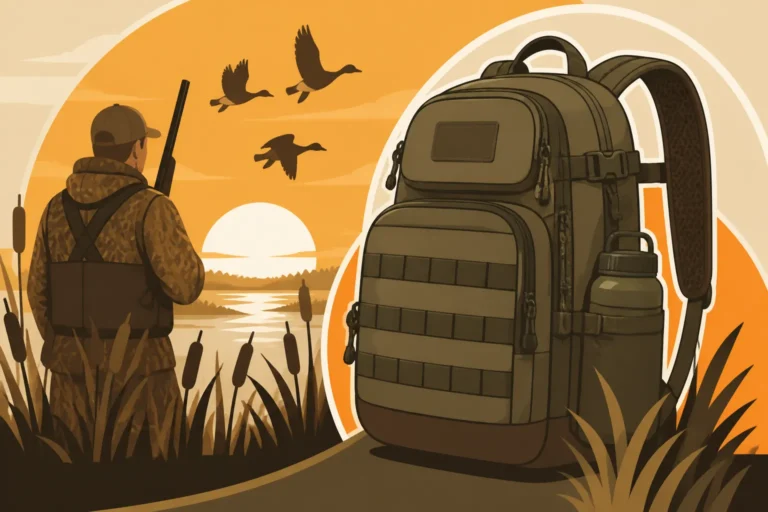
This is arguably the sweet spot for the vast majority of Indiana public land hunters. A small daypack offers a versatile balance of capacity and portability, making it suitable for a wide range of hunting scenarios. Think of it as your do-everything, go-anywhere pack.
The pros are numerous. These packs can comfortably hold all your absolute essentials: water, food, a comprehensive first-aid kit, extra layers, calls, a headlamp, and navigation tools. Many come equipped with a dedicated hydration bladder sleeve, which is a game-changer for staying hydrated on the move without having to stop and fish out a bottle. Their size generally allows for easy maneuverability through dense cover, which is critical when Still-Hunting Southern Indiana Ridges or pushing through thickets. They distribute weight more effectively across your shoulders and hips than a lumbar pack, making longer walks much more comfortable.
However, they can feel bulky in dense cover if overloaded. While generally trim, if you try to cram too much gear into one, it can become wide, catching on branches and making noise. It's a fine line between adequate gear and excessive clutter. These packs are ideal for an all-day sit in a Treestand Setups in Hoosier National Forest, a full morning of Hunting the Indiana Rut in Early November, or a run-and-gun turkey hunt in the spring. They hit that balance of being able to carry what you need without becoming a burden. Many hunters find their "go-to" pack fits perfectly into this size category, offering reliability and functionality without being excessive.
Mid-Sized Daypacks (2500-3500 cubic inches)
When your day hunt stretches into late season, or you're planning a full day of diverse activity, a mid-sized daypack might be the answer. These packs offer considerably more volume than their smaller counterparts, making them useful for specific situations on public land.
Their primary pro is ample space. You can easily fit heavier, bulkier rain gear, multiple insulating layers (which are vital for staying warm during Layering for an Indiana Deer Stand in December), a larger first-aid kit, and enough food and water for even the longest days. If you're planning to harvest small game and want to carry them out comfortably, or if you anticipate boning out a deer and making a first trip, this extra capacity is beneficial. They're also useful if you're carrying specialized equipment, such as photography gear or heavier optics for long-range glassing.
The cons, however, revolve around their increased size and weight. A mid-sized pack, even when lightly loaded, is inherently heavier than a smaller daypack. When fully loaded, it can feel cumbersome, potentially limiting your agility in thick brush or when climbing into a stand. Noise can also be a greater issue, as there’s more fabric and more potential for gear to shift and rub. For a standard walk-in, sit, and walk-out deer hunt, this size might be overkill unless the weather dictates a significant amount of extra clothing. Generally, these packs are best reserved for those colder, longer days afield or when you have a specific need for extra volume that a smaller daypack simply cannot accommodate.
Specialized Packs (Frame Packs, Haulers – for day use)
While generally considered overkill for a typical "day on public land" hunt before a kill, it's worth briefly touching on specialized packs like internal or external frame packs, sometimes referred to as "hauler" packs. These are designed primarily for carrying very heavy, awkward loads over long distances, often associated with multi-day backcountry trips or packing out large game.
The main pro of such a pack, even if used for a day, is its superior ability to distribute and manage heavy loads. If you happen to be one of the lucky few who drops a deer miles deep in the Public Hunting Land in Indiana and plans to bone it out for a single, heavy trip out, a frame pack shines. The rigid frame helps to transfer the weight directly to your hips, making a substantial load feel more manageable than it would in a soft-sided daypack.
However, for simply getting to and from your stand or hunting spot, they have significant cons. They are inherently heavier and bulkier than standard daypacks, making them noisy and cumbersome in dense Indiana timber. Their larger profile can catch on branches, and the extra weight can quickly lead to fatigue during your initial hike in. Unless your day hunt strategy explicitly involves packing in a very large, heavy item (which is rare), or you are specifically combining your daypack with a load-hauling frame for potential meat retrieval, these types of packs are generally unnecessary and often counterproductive for the average public land day hunter. Focus on a comfortable daypack first; if you're fortunate enough to need a hauler, you might just be making a second trip anyway.
What to Pack for an Indiana Day Hunt
Knowing which pack to carry is only half the battle; knowing what to put inside it is just as crucial. Every item in your pack should serve a purpose, especially when you're hiking miles on public land.
The Absolute Essentials (Every Hunt, Every Time)
There are some items that simply never leave your pack, regardless of the season, game, or weather forecast. These are your non-negotiables for safety and success on Indiana's public lands.
Water is paramount. Dehydration can sneak up on you, even on cooler days, especially if you're covering significant ground. Always carry more water than you think you’ll need. A hydration bladder in your pack is an excellent option for hands-free sipping, but also carry a backup bottle. If you're hitting early-season archery, ample water is non-negotiable.
A first-aid kit is another must-have. Minor cuts, blisters, sprains, or even just a headache can turn an otherwise great hunt into misery. Your kit doesn't need to be massive, but it should include bandages, antiseptic wipes, pain relievers, moleksin for blisters, and any personal medications you might need. A small roll of medical tape and gauze can go a long way in an emergency.
A good knife or multi-tool is incredibly versatile. From field dressing small game to cutting cordage for a blind, you'll find countless uses. Make sure it's sharp and easily accessible.
Never, ever get caught in the dark without a headlamp. Even if you plan to be back at your vehicle well before sunset, things can go wrong. A forgotten landmark, a blood trail that extends longer than expected, or an unexpected delay can easily put you in the dark. A headlamp with fresh batteries (and a spare set) is a non-negotiable safety item. This is especially true when planning your exit after a successful harvest, when Headlamps for Walking Out After Dark become indispensable.
Navigation tools are critical on unfamiliar public ground. A GPS unit or a smartphone with reliable mapping apps like OnX or the Scouting With the Indiana DNR App is essential. Don't rely solely on cell service, as it can be spotty in many remote areas of Indiana. Know how to use your chosen navigation method, and consider carrying a physical map and compass as a backup, along with the knowledge of how to use them.
Finally, ensure you have your hunter safety essentials: your current Indiana hunting license and valid tags for the game you're pursuing. Make sure you understand Indiana Hunting Licenses and What They Cost and have proof on you. During firearms seasons, remember Indiana's How Much Blaze Orange Indiana Requires requirements and ensure you have enough visible blaze orange on your person.
Situation-Specific Gear
While the essentials are always with you, other items will fluctuate based on the type of hunt, season, and specific location.
If you're after deer or turkey, game calls are often crucial. Deer hunters might carry a grunt tube, doe bleat, or rattling antlers. Turkey hunters will have slate calls, box calls, mouth calls, and perhaps a gobble tube. Pack the calls relevant to your target species and time of year.
Snacks are important for maintaining energy levels, especially on long sits or extended walks. Energy bars, jerky, nuts, or fruit can make a big difference in keeping you alert and focused.
Indiana weather is notoriously unpredictable. Always check the forecast, but err on the side of caution. Lightweight, packable rain gear can save a hunt from being washed out or prevent a dangerous chill. Even if it's not raining, a waterproof outer shell can act as a windbreaker.
For cold weather, extra layers are a must. The ability to add or shed clothing is key to staying comfortable and regulating your body temperature. Pack a warm hat, gloves, and an insulating mid-layer you can easily pull on or off. Consider wool or synthetic materials that insulate even when wet.
Scent control items, like scent-free wipes or a small bottle of scent eliminator spray, are important for deer hunters trying to minimize their human odor.
If you anticipate success, carrying game bags and a dedicated field dressing kit (beyond your general-purpose knife) is smart. This might include latex gloves, a sharp boning knife, and game bags to keep meat clean if you're Field Dressing a Deer in Cold Weather or need to quarter it out. For larger game, like deer, this becomes essential.
Lastly, rangefinders and binoculars are often critical. A rangefinder is invaluable for accurate shot placement with a bow or rifle, especially in varied terrain or across open fields. Binoculars allow you to scout ahead, identify game, and pick apart cover without making excessive movement. Look for Binocular Power for Timber Hunting appropriate for the dense cover you'll often encounter.
Leveraging the Right Pack Features
A well-designed pack isn't just a sack for your stuff; it's a tool with features that can make your hunt more efficient and comfortable. Pay attention to these details when selecting your public land companion.
External pockets are your best friend for quick access. Think water bottle pockets, hip belt pockets for a rangefinder or small call, and front pockets for a headlamp or gloves. Being able to grab an item without taking off your pack or rustling through the main compartment saves time and minimizes movement, crucial during key moments in the field.
Compression straps are often overlooked but incredibly useful. These straps allow you to cinch down the load, preventing your gear from shifting and making noise. They can also be used to attach extra layers, a rolled-up jacket, or even a harvested turkey to the outside of your pack, freeing up internal space and keeping the load stable.
A hydration sleeve and exit port for a drinking tube simplify hydration immensely. Instead of stopping, removing your pack, and fumbling for a water bottle, you can take sips on the go, staying hydrated without disrupting your movement or focus.
A good frame or suspension system is crucial for comfort, especially if your pack gets heavy. This system helps distribute weight properly, usually transferring most of it to your hips, which are much better equipped to carry loads than your shoulders. Even in a daypack, a well-engineered suspension can make a world of difference during a long trek.
Finally, consider the quietness of the fabric. This is particularly important for bowhunters or still-hunters. Noisy fabrics that rustle and crinkle with every movement can alert game. Look for brushed fabrics, quiet wool blends, or tightly woven nylons that minimize sound. When researching packs, resources like GoHunt often provide reviews and insights into how quiet different materials and designs perform in the field, which can be invaluable for making an informed decision.
Optimizing Your Pack for Comfort and Efficiency
Having the right pack and the right gear is a fantastic start, but how you load and carry that pack can dramatically impact your comfort and effectiveness in the field. It's not just about what's inside; it's about how it's organized and how the pack fits you.
Packing Strategies
A well-packed bag feels lighter and more stable. There's a method to the madness that makes a real difference when you're covering miles on public land.
Always place heavy items close to your back and centered. This keeps the weight from pulling you backward or to one side, which can strain your back and shoulders. Think of your water bladder, extra ammunition, or heavier food items. Keeping these close to your body’s center of gravity makes the pack feel more integrated and less like a separate load. For example, if you're carrying a small folding saw for Hunting a Clear-Cut Regrowth Edge, put it in the main compartment, against your back, not in an external pocket where it can swing.
Frequently accessed items belong in external pockets or easily reachable top compartments. This includes your rangefinder, calls, GPS/phone, a snack, and your headlamp. You don't want to be taking your pack off and rummaging every time you need to check a distance or make a quick call. This saves time, movement, and minimizes noise.
Soft goods, like extra clothing layers or rain gear, can be placed at the bottom of the main compartment. These items act as a cushion and don't typically need to be accessed quickly unless the weather takes a sudden turn. Keeping them at the bottom helps maintain the pack's shape and keeps the load compact.
Finally, distribute weight evenly. Try to balance the load between the left and right sides of your pack. An unbalanced pack will pull on one shoulder or hip, leading to discomfort and potentially throwing off your balance, especially when traversing uneven ground or climbing over downed logs. Take a moment to adjust items inside your pack before heading out, ensuring everything feels secure and balanced.
Adjusting Your Pack
Even the best pack in the world won't be comfortable if it's not adjusted correctly to your body. Think of it like a finely tuned instrument; a few tweaks can make all the difference.
The hip belt is perhaps the most crucial adjustment. It should be snug and rest on your hip bones, not your waist. The goal is for the hip belt to carry most of the pack's weight—typically 60-80%—transferring it from your shoulders to your stronger leg muscles. If your shoulders are aching, your hip belt isn't doing its job.
Your shoulder straps should be snug against your shoulders, but not cinched down so tightly that they’re digging in. They help stabilize the load and keep the pack close to your body, but they shouldn't be the primary weight-bearing component. If they're too loose, the pack will sway and bounce as you move.
Load lifters are straps located at the top of the shoulder straps, extending to the upper part of the pack body. When tightened, they pull the top of the pack closer to your body, distributing weight more evenly and preventing the pack from leaning back. This improves your balance and comfort, especially when climbing or navigating steep terrain common in areas like Brown County Ridgelines.
The sternum strap connects the two shoulder straps across your chest. Its purpose is to prevent the shoulder straps from splaying outwards and slipping off your shoulders, especially when you're moving vigorously. Adjust it so it's comfortable and doesn't restrict your breathing.
Maintaining Your Pack
A well-maintained pack will serve you faithfully for many seasons. Neglecting it, however, can lead to premature wear and failure.
Cleaning your pack regularly is important. After a long day of public land hunting, your pack will likely have accumulated dirt, mud, and potentially blood. Wipe down the exterior with a damp cloth and mild soap. If there's blood, clean it quickly with cold water before it sets. Allow your pack to air dry completely before storing it to prevent mildew and odors. Avoid machine washing, as it can damage the fabric and frame.
Repairs should be addressed promptly. A small rip or a sticky zipper can quickly escalate into a larger problem if ignored. Learn some basic field repair techniques (duct tape is a hunter's best friend!), and invest in a needle and thread for more permanent fixes. Check buckles and straps for wear and tear, and replace them if they're cracking or compromised.
Finally, proper storage prolongs the life of your pack. Store it in a cool, dry place away from direct sunlight, which can degrade fabric over time. Hanging it up or keeping it in a breathable container will prevent odors and keep critters from nesting in it. A little care goes a long way in ensuring your pack is ready for your next adventure on Indiana's public lands.
| Pack Type | Capacity (Approx.) | Pros | Cons | Ideal Indiana Scenario |
|---|---|---|---|---|
| Lumbar/Fanny Pack | 200-800 cu in | Lightweight, easy access, minimal interference | Limited capacity, can sag if overloaded, less comfortable for heavy items | Quick scouting trips, Squirrel Hunting Indiana Bottomland Hardwoods, early season bow hunts |
| Small Daypack | 1500-2500 cu in | Versatile, good balance of capacity & portability, hydration compatible | Can feel bulky in dense cover if overstuffed | All-day deer hunting in Hoosier National Forest Hunting, Hunting the Indiana Rut in Early November, spring turkey |
| Mid-Sized Daypack | 2500-3500 cu in | Ample space for layers, food, small game, specialized gear | Heavier, potentially more cumbersome in thick brush, can be overkill | Late-season hunts with heavy clothing, longer treks into remote Public Hunting Land in Indiana |
| Specialized Hauler | 4000+ cu in | Superior for heavy, awkward loads; excellent for meat packing out | Very heavy, bulky, noisy for typical day hunting before a kill | Primarily for packing out boned game, not ideal for daily carry into the woods |
Disclaimer
This article is for general informational purposes only and does not constitute professional advice. Laws, prices and regulations vary by location and change over time. Consult a qualified professional for guidance on your specific situation.