Pheasant Hunting a Fencerow Edge
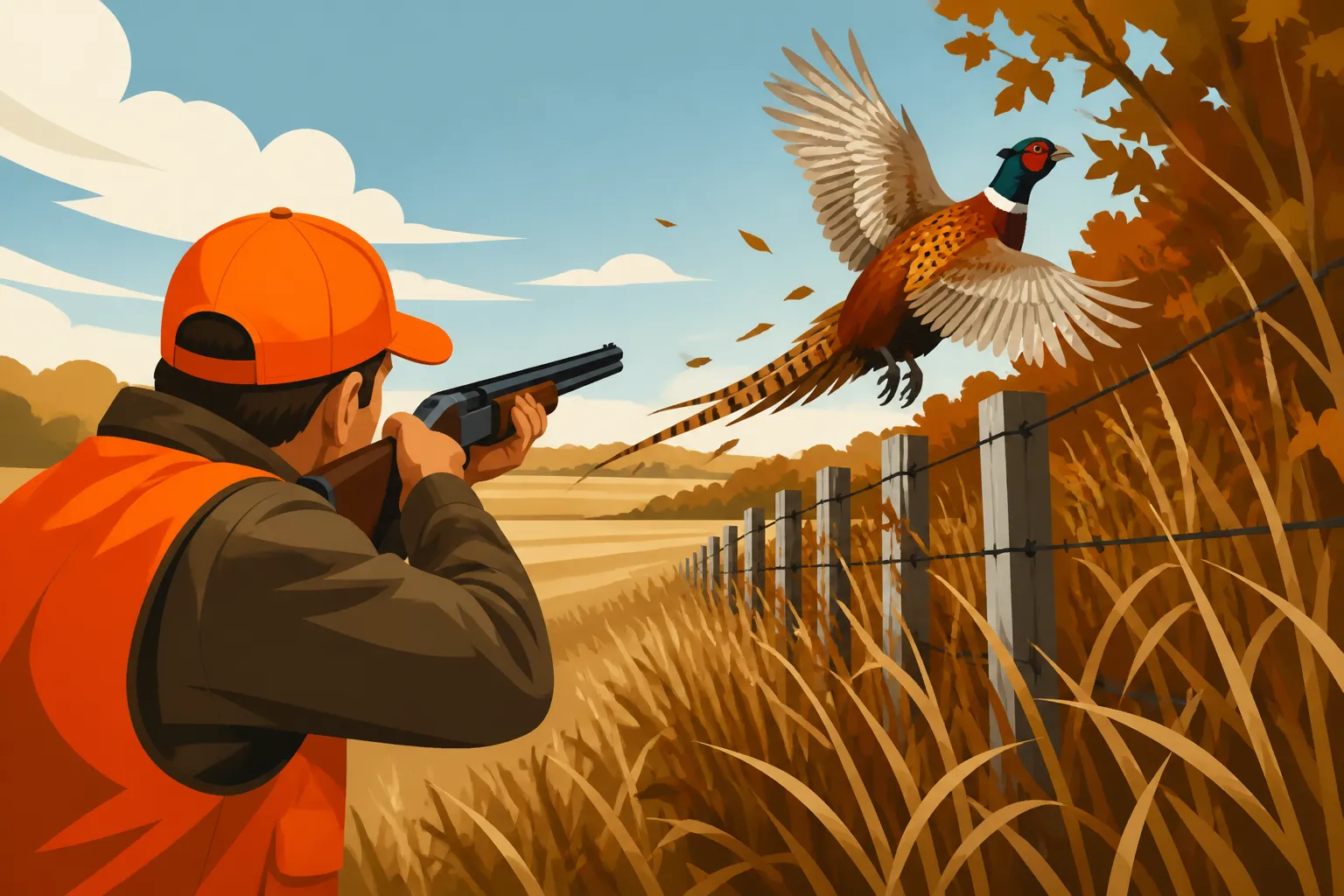
There's nothing quite like the explosive flush of a wild pheasant, sending your heart into your throat and your shotgun swinging. But let's be real, finding these elusive birds in Indiana, especially outside of heavily stocked areas, can feel like chasing a ghost. Many hunters overlook the humble fencerow, those scraggly lines of brush and trees that crisscross our farmlands, but these often-forgotten strips of cover are absolute magnets for pheasants, offering prime opportunities for a successful hunt if you know how to approach them. This guide will help you unlock the secrets to effectively hunting these linear havens.
Understanding Indiana Fencerow Dynamics for Pheasants
Fencerows aren't just property dividers; they're vital lifelines for pheasants, particularly in the agricultural heartland of Indiana where large tracts of native grassland habitat are increasingly rare. Recognizing their importance and how pheasants utilize them is the first step to successful fencerow hunting.
Why Fencerows are Pheasant Magnets
In a landscape dominated by vast fields of corn and soybeans, fencerows stand out as critical refuges. They offer a unique blend of dense cover, travel corridors, and even supplemental food sources that pheasants simply can't resist. Think about it: a pheasant needs places to hide from predators like hawks and coyotes, especially when crops are down. A thick fencerow, with its brambles, multiflora rose, and patches of tall weeds, provides exactly that kind of security. While many hunters focus on classic Pheasant Hunting Indiana Grassland, those linear strips of cover often hold more birds than you'd expect, acting as miniature wildlife corridors.
Beyond just cover, fencerows serve as natural travel routes. Pheasants, being runners first and flyers second, will use these protected lanes to move between feeding areas and roosting sites without exposing themselves in open fields. They also offer crucial thermal protection from harsh winter winds and bitter cold, or even intense summer sun. When heavy snow blankets the fields, the dense undergrowth of a fencerow can still offer pockets of accessible grit and residual weed seeds, making them critical survival zones.
Identifying Productive Fencerow Characteristics
Not all fencerows are created equal, and knowing what to look for can save you a lot of wasted boot leather. The most productive fencerows are those that offer a high degree of cover density, particularly near reliable food sources. Look for fencerows that are wide, with a good mix of woody shrubs, thorny bushes, and thick grassy edges. Old, neglected fencerows that have grown into mini-thickets are often goldmines.
The proximity of a fencerow to agricultural fields is also a huge factor. A fencerow bordering a picked cornfield or a standing soybean field is far more likely to hold birds than one running through a pasture. Pheasants will feed in these fields, especially during morning and evening, then retreat to the safety of the fencerow during the day. Water sources, even small drainage ditches or depressions that hold moisture, can also make a fencerow more appealing. The ideal fencerow isn't just a line; it's a diverse habitat strip that meets multiple needs of the pheasant throughout the day and the season.
Strategic Scouting and Approach for Fencerow Hunting
Pheasants are smart birds, and fencerows, while offering cover, can also be tricky to hunt due to their linear nature. A well-thought-out scouting plan and a strategic approach are key to flushing birds within shooting range.
Pre-Season Scouting and Permission
Before you even think about putting boots on the ground, securing Asking an Indiana Farmer for Permission is paramount. Most fencerows are on private property, and respect for landowners is non-negotiable. Approach farmers well before the season, explain your intentions, and offer to share some of your harvest. Many landowners appreciate responsible hunters who can help manage game or simply enjoy the outdoors.
During your pre-season scouting, whether it's on public land or secured private ground, pay close attention to the fencerows. Look for obvious signs of pheasant activity: droppings, dusting bowls, and most importantly, tracks in muddy areas or snow. Even if there's no snow, a thorough walk-through can reveal disturbed vegetation or small feathers caught in thorns. Using mapping tools like GoHunt can be incredibly useful here. You can identify promising fencerows, understand Finding Indiana Property Lines with precision, and plan your approach routes without ever stepping foot on the ground initially. This digital reconnaissance allows you to pinpoint the densest sections of cover and potential escape routes. Understanding Indiana Pheasant Season and Stocking schedules can also inform your scouting, as freshly released birds might behave differently than established wild populations.
Reading the Landscape and Planning Your Push
Once you have your permission and have identified a promising fencerow, it’s time to plan your actual hunt. Pheasants typically prefer to run rather than fly when pressured, and a fencerow gives them a perfect linear escape route. This means you need a strategy to cut off their escape or force them to flush. Consider the wind direction; pheasants prefer to flush into the wind, as it aids their takeoff. If possible, try to push them in a direction that allows them to flush into the wind, or at least across it, rather than with it.
Also, examine the topography around the fencerow. Does it run along a ditch or a slight rise? Are there thicker patches of cover at one end or break-outs into other fields? These details will dictate how you, or your hunting partners and dog, move through the area. A long, straight fencerow might require different tactics than one with bends or intersections. Using a mapping application like GoHunt can help you visualize these details from an aerial perspective, highlighting choke points, dense cover, and potential ambush spots.
Effective Hunting Tactics and Dog Work Along the Edge
Hunting fencerows effectively requires a methodical approach and a good understanding of pheasant behavior. Whether you're hunting solo or with a group, and especially if you have a dog, tailoring your tactics to the specific fencerow is crucial.
Single Hunter Tactics
Hunting a fencerow alone can be incredibly rewarding, but it demands patience and a keen eye. The key is to move slowly and deliberately. Resist the urge to rush. Pheasants will often hunker down tightly, letting you walk right past them if you're moving too quickly. Pause frequently, especially near thick clumps of cover, and vary your pace. These momentary stops can unnerve a hiding bird, causing it to flush unexpectedly. Don't be afraid to kick at thick brush or stomp your feet to encourage a flush.
When walking, try to maintain a consistent distance from the edge of the fencerow. You want to be close enough to cover the escape routes but far enough back to allow for a full shotgun swing. Pay attention to small pockets of cover just outside the main fencerow, like a brush pile or a patch of weeds in the field itself; pheasants often use these as secondary escape cover. Always be ready for a flush, both in front of you and behind, as a bird might circle back if it feels too much pressure.
Group Hunting Strategies for Fencerows
Hunting fencerows with a small group of 2-4 hunters can be incredibly effective, allowing you to cover more ground and block off escape routes. The most common strategy involves assigning "blockers" and "pushers." The pushers will walk the length of the fencerow, much like a solo hunter, but maintaining a line. The blockers will position themselves at the end of the fencerow or at strategic breaks in the cover, ready to intercept birds that run out.
Communication is vital in group hunts. Use hand signals or low voices to coordinate your movements. Ensure everyone knows their assigned shooting lanes to prevent accidents. If the fencerow connects to another patch of cover, such as a woodlot or another fencerow, you might place a blocker there too. The goal is to funnel the pheasants and force them to flush within the designated shooting zones, ensuring safety is always the top priority, especially when traversing uneven ground or dealing with Indiana Trespass and Permission Law by knowing your boundaries.
Working With a Bird Dog
For many, pheasant hunting isn't complete without a good bird dog. For those with a canine companion, Running Pointing Dogs on Indiana Pheasants adds an incredible dimension to the hunt. A well-trained flushing dog, like a Springer Spaniel or Labrador Retriever, is invaluable for covering dense fencerows. They can penetrate thick cover that you might struggle with, forcing birds into the air. Keep your flushing dog close, working the cover thoroughly. Their scenting ability is far superior to ours, allowing them to track running birds and pinpoint tight sitters.
If you have a pointing dog, such as a German Shorthaired Pointer or English Setter, the hunt becomes a fascinating interplay. The dog will lock up on point, indicating a bird is present. It’s then up to you to move in, flush the bird, and make the shot. This requires trust in your dog and patience. Always keep your dog within sight or sound, especially in thick cover. An e-collar can be a useful tool for communication and control, ensuring your dog stays focused and safe. Remember, a dog’s primary role is to find birds and, once shot, retrieve them, minimizing lost game.
Gear and Safety Considerations for Fencerow Hunting
Pheasant hunting in Indiana's fencerows isn't just about strategy; it's also about having the right gear and, more importantly, prioritizing safety. The dense, often thorny cover of fencerows demands specific considerations for your firearm, clothing, and overall awareness.
Shotgun and Ammunition Selection
When it comes to shotguns for pheasant hunting in fencerows, versatility is key. While Shotgun Gauge Choice often comes down to personal preference, 12-gauge and 20-gauge shotguns are the most popular for pheasants. A 12-gauge offers a bit more payload and reach, which can be useful for those fast-flushing birds. A 20-gauge, being lighter and handier, is excellent for quick swings in tight cover.
The Choke Choice for Fast Flushes is equally important. In the thick, close-quarters environment of a fencerow, a more open choke like Improved Cylinder or Light Modified is often ideal. This allows for a wider shot pattern at close range, increasing your chances of hitting a bird that flushes just feet away. As for Shot Size for Pheasant and Rabbit, 4, 5, or 6 shot are common choices for pheasants, providing a good balance of pellet count and penetration. Always use non-toxic shot if you're hunting on federal lands or in areas where lead shot is prohibited.
Here's a quick reference for common choke types and their fencerow suitability:
| Choke Type | Pattern Density (25 yds) | Ideal Fencerow Use | Notes |
|---|---|---|---|
| Cylinder | Very Open | Extremely close flushing birds, very dense cover | Minimal range, large pattern spread. |
| Skeet | Very Open | Similar to Cylinder, slightly tighter | Good for unexpected close flushes. |
| Improved Cylinder | Open | Most versatile for fencerows, good at 15-30 yards | Excellent for typical fencerow shots. |
| Light Modified | Moderately Open | Slightly tighter than IC, good for 20-35 yards | Good compromise for slightly longer shots or less dense cover. |
| Modified | Medium | Longer fencerows, birds holding tight, minimal running | Can be too tight for very close shots. |
| Full | Tight | Not recommended for fencerows | Too tight for close shots, risk of excessive pellet concentration. |
Essential Clothing and Footwear
Fencerow hunting is not a fashion show; it's a rough and tumble affair. You'll be pushing through briars, thorns, and thick brush, so durable clothing is a must. Invest in good quality Brush Pants for Indiana Fencerows or chaps made from tough materials like canvas or synthetic blends to protect your legs from cuts and scratches. A briar-proof hunting jacket is also highly recommended. Layering is key, as you'll be exerting yourself, but the early season mornings can still be chilly.
Your footwear needs to be equally robust. Good quality, waterproof Boots for Walking Indiana Farm Country with excellent ankle support are non-negotiable. You'll be traversing uneven terrain, wet grass, and potentially muddy areas. If you're hunting with a dog, consider Bird Dog Boots and Cut Pads to protect their paws from thorns and sharp stubble. And, of course, blaze orange is a legal and crucial safety requirement in Indiana during certain seasons, ensuring you are visible to other hunters and landowners. Check Indiana Pheasant Permit Requirement and seasonal regulations for specifics.
Safety First
Hunting is inherently an activity that demands a high level of safety awareness, and fencerow hunting is no exception. Always treat every firearm as if it's loaded. Keep the muzzle pointed in a safe direction, and your finger off the trigger until you're ready to shoot. In thick cover, be extra mindful of your hunting partners, dogs, and potential obstacles. Know your shooting lanes and what's beyond your target. Never shoot at sound or movement; positively identify your target before taking a shot.
When hunting private land, make sure you understand Finding Indiana Property Lines with precision, especially if using a mapping app like GoHunt. This helps you avoid inadvertently trespassing onto neighboring properties. Always inform someone of your hunting plans, including your location and expected return time. Carry a first-aid kit, a whistle, and a fully charged cell phone. Even in familiar territory, it's easy to get disoriented in dense cover. A little preparation goes a long way in ensuring a safe and enjoyable day afield. For those looking to do some pre-season scouting on public lands, remember to consult guides like Scouting Indiana Public Land Before Season to ensure you're aware of all regulations.
Disclaimer
The information provided in this guide is for general informational purposes only and does not constitute legal advice. Hunting regulations, seasons, and licensing requirements can change. Always consult the most current Indiana Department of Natural Resources (DNR) regulations and local ordinances before engaging in any hunting activities. Adhere to all safety guidelines and ethical hunting practices.