Indiana Archery Season Dates
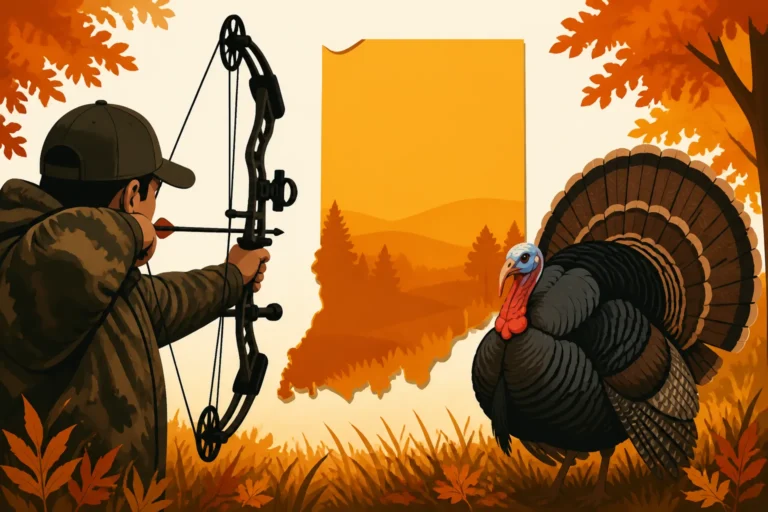
Navigating Indiana's deer hunting seasons can sometimes feel like trying to decipher an ancient scroll, especially with all the overlapping dates and equipment regulations. For archery hunters, understanding exactly when you can hit the woods with your bow or crossbow is absolutely crucial, not just for planning your hunts, but for staying on the right side of the law. This guide is here to untangle all the specifics of Indiana's archery season dates, helping you plan your perfect hunt from early fall through the chilly depths of January.
Understanding Indiana's Archery Deer Season
Indiana offers a fantastic, incredibly generous archery deer season that stretches for months, providing ample opportunity for hunters who prefer the challenge of stick and string. This extended window is a huge advantage, allowing bowhunters to experience everything from warm early-season action to the peak of the rut and the deep cold of the late season. It's a testament to the DNR's commitment to managing our deer population while providing diverse hunting experiences.
The Extended Window: Why It Matters
The length of Indiana's archery season is truly one of its defining features, setting it apart from many other states. Typically kicking off in early October and running all the way through the first Sunday in January, this extensive period means bowhunters aren't confined to just a few precious weeks. This flexibility is a game-changer. Imagine being able to scout a fresh rub line in September, fine-tune your setup in early October, hunt the heart of the rut in November, and still have opportunities to fill a tag on a late-season food source well into the new year.
This extended window isn't just about more time in the woods; it’s about adapting to the deer's natural patterns throughout different stages of fall and winter. Early season presents deer still on relatively consistent summer patterns, often around agricultural fields or consistent water sources. By late October and early November, you're looking for signs of the pre-rut and the full-blown breeding frenzy. Then, as December fades into January, the focus shifts dramatically to primary food sources as deer seek to pack on calories in the colder weather. Understanding these shifts and having the time to hunt them all is invaluable. It also means if life throws you a curveball, you have plenty of chances to reschedule your hunts without feeling completely rushed.
Archery-Only Versus Overlap Periods
While the archery season is long, it's important to remember that not all of it is "archery-only." In fact, a significant portion of the archery season overlaps with other major deer hunting seasons, most notably the firearms season and the muzzleloader season. Knowing these overlap periods is absolutely critical for both safety and strategy.
The season typically starts as an archery-only period, usually the first two weeks of October. During this time, the woods are exclusively for bowhunters, offering a unique, quieter experience. You don't have to worry about the louder presence of firearms hunters, and you can truly focus on the subtle movements and sounds of deer without added pressure from other weapon types. This is often when you can catch bucks still somewhat in their bachelor groups, or targeting specific food sources before the intense rut kicks in.
However, once the firearms season opens in mid-November, and later, the muzzleloader season in December, archery hunters share the woods with those using other weapon types. This requires a shift in mindset and strategy. During these overlap periods, safety becomes paramount. You'll need to adhere to Indiana Blaze Orange Requirements even if you're only carrying a bow or crossbow. The presence of firearms hunters can also change deer behavior. Deer might become more nocturnal, move into thicker cover, or shift their bedding areas. A good platform like GoHunt can help you analyze public land access and potential pressure points, allowing you to identify less-pressured pockets during these overlap times. Being aware of these overlaps means you can adjust your stand locations, entry and exit routes, and even the times of day you hunt to minimize disturbance and maximize your chances.
Key Archery Season Dates for Indiana Hunters
Knowing the exact dates for Indiana's archery season is the cornerstone of any successful bowhunting plan. While the general window is long, specific opening and closing days dictate when you can legally be in the woods with your archery equipment. These dates are consistent year-to-year, making planning straightforward once you know the pattern.
Opening Day Excitement
The energy around Indiana's archery season opening day is palpable. It usually falls on the first Saturday of October. For many, it's the culmination of months of practice, scouting, and anticipation. This early October period offers unique opportunities before deer have felt significant hunting pressure. Deer are typically still on fairly predictable summer patterns, often moving between bedding areas and food sources like agricultural fields, acorns, or persimmons.
On opening day, the weather can still be quite warm, so scent control and hydration are paramount. Deer haven't been spooked by countless hunters yet, so you might find them moving more freely during daylight hours. This is an excellent time to capitalize on pre-scouted locations where you've observed consistent deer movement. For example, a stand set up along a natural funnel leading to a freshly dropped white oak crop could be deadly. However, don't underestimate the impact of your presence. Deer are hyper-aware, and the slightest mistake with scent or noise can quickly educate them. Many hunters focus on finding secluded pockets of timber, small overlooked woodlots, or edges of agricultural fields that offer good cover for both the hunter and the deer. If you’re looking for specific opening day information, check out "When Indiana's Archery Season Opens".
Mid-Season Opportunities
The archery season truly hits its stride in mid-to-late October and November. This is often considered the prime time for many bowhunters, as it encompasses the pre-rut and the peak of the whitetail rut. During this period, deer behavior becomes increasingly erratic and exciting. Bucks that were once nocturnal may start cruising during the day, covering ground in search of does. Scrapes and rub lines become more active, signaling increased buck activity.
Mid-season presents incredible opportunities for hunters willing to put in the time. Bucks are more vulnerable as their focus shifts from food to breeding. This is when tactics like rattling, grunting, and even using doe estrus scents can be highly effective. Finding a ridge-top saddle where bucks are naturally funneling, or a timbered fence line that connects two bedding areas, can be incredibly productive. You’ll be sharing the woods with early firearms hunters during part of this period, so being extra cautious with safety and deer movement patterns is crucial. Using mapping tools like GoHunt to understand terrain and potential deer travel corridors becomes even more valuable as deer start to move more widely. For specific rut tactics with archery gear, consider reading "Hunting the Rut in Early November".
Late Season Archery Into January
The archery season extends through December and into the first Sunday of January, offering a unique and often challenging, yet rewarding, late-season hunt. By this point, most other deer seasons have closed, and the woods quiet down considerably. Deer have also been heavily pressured, and weather conditions can be harsh, with cold temperatures and often snow.
However, the late season provides excellent opportunities for disciplined hunters. Deer's primary focus shifts almost entirely back to food. Finding remaining dependable food sources, like standing corn, winter wheat, brassicas, or even persistent oak trees with lingering acorns, is key. Deer will often congregate in these areas, especially during the coldest parts of the day, trying to replenish lost calories. This also makes them more predictable in terms of their feeding patterns. Thick thermal cover, often found in cedar thickets, pine plantations, or dense river bottom tangles, will be where deer bed during the day, moving to food at last light and first light. Patience is critical, as deer movement can be slower and more cautious. Bundle up, pack good hand warmers, and focus on sitting those prime food sources during bitter cold snaps. For detailed strategies on this period, check out "How Indiana's Archery Season Runs Into January".
| Key Indiana Archery Deer Season Dates (Typical) |
|---|
| Season Segment |
| Archery Season Opener |
| Mid-Season (Pre-Rut/Rut) |
| Firearms Season Overlap |
| Muzzleloader Season Overlap |
| Late Season Archery Close |
Navigating Archery Season Rules and Regulations
Beyond just knowing the dates, understanding the specific rules and regulations governing Indiana's archery season is paramount. This ensures a safe, legal, and ethical hunting experience for everyone. Ignorance of the law is never an excuse, so taking the time to review the DNR regulations is a critical step before heading afield.
License and Tag Requirements
Before you even think about stringing your bow, you need to ensure you have the proper licenses and tags. In Indiana, resident hunters typically need a Resident Hunting License, often purchased as part of the convenient "Indiana Resident Deer Bundle Cost". Non-residents will need a Nonresident Hunting License and an Indiana Nonresident Deer Archery license. These can be purchased online through the Go Outdoors Indiana portal, at authorized retailers, or sometimes even by phone. Always carry proof of your license while hunting, whether it's a physical copy or stored digitally on your phone via the official Indiana DNR app.
Each deer harvested requires a valid deer tag. Indiana's archery season allows for the harvest of antlered bucks and antlerless deer, depending on the specific tag you possess. Understanding the bag limits is crucial; generally, you can take one antlered deer statewide, but antlerless quotas vary significantly by county and whether you're hunting in a Deer Reduction Zone. Always double-check the current year's hunting guide for the most up-to-date information on tag types, bag limits, and reporting requirements for your specific hunting area. Remember, once you harvest a deer, it must be legally checked in, typically through the Indiana DNR online system or app, within 48 hours.
Legal Archery Equipment: Bows and Crossbows
Indiana has specific regulations regarding what constitutes legal archery equipment for deer hunting. Both traditional bows (longbows, recurves) and compound bows are legal, but they must have a minimum draw weight of 35 pounds. This ensures enough kinetic energy to ethically harvest a deer. Arrows must be tipped with broadheads that have at least two cutting edges, with a minimum cutting diameter of 7/8 inch. Mechanical broadheads are generally legal as long as they meet these cutting diameter requirements when deployed.
Crossbows are also legal during the entire archery season for all hunters, not just those with special permits. This is a big win for many hunters, offering flexibility and accessibility. However, crossbows also have their own set of rules. For instance, they must have a minimum draw weight of 120 pounds and feature a working safety. Bolts must be tipped with broadheads meeting the same cutting diameter and edge requirements as traditional arrows. You cannot use a crossbow that is self-cocking or designed to be shot from the shoulder without being held. For a deep dive into crossbow specifics, check out "Crossbow Rules During Indiana Archery Season". Always ensure your equipment is in good working order and that you practice regularly to ensure ethical shot placement.
Blaze Orange Requirements During Archery Season
This is a point of frequent confusion for many archery hunters, so let's clear it up. While the initial part of the archery season in early October is typically blaze orange-free, once other firearm seasons open and overlap, all hunters in the field, regardless of their weapon choice, are required to wear blaze orange.
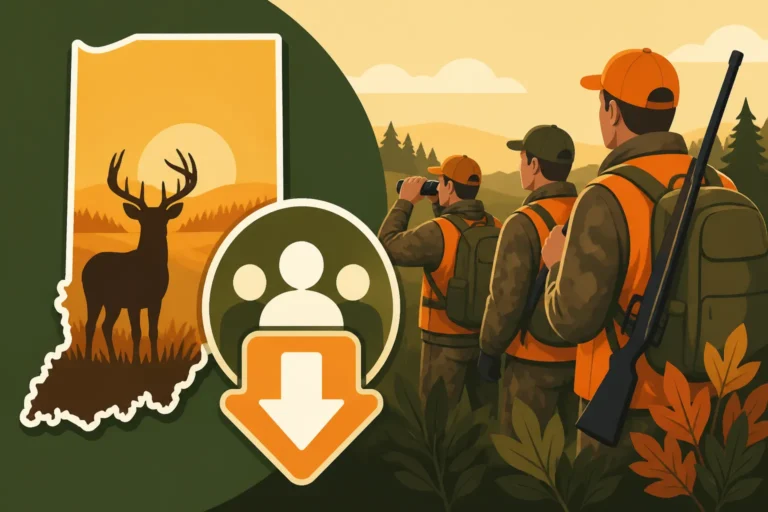
Specifically, during the statewide firearms season (mid-November to early December) and the muzzleloader season (early to mid-December), archery hunters must wear a solid outer garment of hunter orange, blaze orange, or fluorescent pink. This includes a hat, vest, jacket, or coveralls that are clearly visible from all directions. This rule is in place for safety, to make all hunters easily identifiable to one another. Many dedicated bowhunters will invest in a lightweight blaze orange vest that can be packed easily and donned when needed. It's a small inconvenience for a significant safety benefit, especially when you're deep in the Hoosier National Forest where visibility can be limited. Never forget this rule, as violations can lead to fines and potentially spoil a hunt.
Special Archery Opportunities and Considerations
Indiana’s archery season, due to its length and flexibility, offers several unique opportunities and requires specific considerations for hunters looking to make the most of their time in the woods. These aren't just extra challenges; they're chances to hone your skills and contribute to wildlife management efforts.
Youth Archery Season
Indiana proudly supports its younger hunters, and the Youth Deer Season is a prime example of this commitment. This special weekend, usually in late September, just before the main archery opener, allows licensed youth hunters (under 18) to hunt deer with bows, crossbows, or firearms. For archery-inclined youth, this is an incredible head start. It provides an opportunity to get into the woods without the pressure of the general season crowds and before deer have been heavily disturbed.
Youth hunters must be accompanied by an adult, who must also be licensed and comply with blaze orange requirements, even though the youth season typically precedes the general firearms season and its mandatory blaze orange rule. This mentorship is vital, teaching not just hunting skills but also ethics, safety, and wildlife conservation. For a young archer, harvesting their first deer during this special weekend can be an unforgettable experience, fostering a lifelong love for hunting. It's a fantastic way to introduce the next generation to the joys and responsibilities of the outdoors. You can find more details about this specific weekend by looking up "Hunting the Indiana Youth Deer Weekend".
Hunting in Deer Reduction Zones with Archery Gear
Deer Reduction Zones are specific areas, often near urban centers or agricultural regions, where the Indiana DNR has determined that deer populations are too high and are causing significant damage. To manage these populations, special extended seasons and increased bag limits are implemented, and archery hunters play a crucial role.
In these zones, the archery season can start as early as September 15th and run into January, significantly longer than the statewide season. Additionally, hunters in Reduction Zones are often allowed to harvest multiple antlerless deer, sometimes with no bag limit, provided they have the correct tags. This makes archery a highly effective tool for landowners and public land managers trying to mitigate deer damage. Hunting these zones often means adapting to unique challenges, such as hunting closer to human activity, in smaller woodlots, or adjacent to residential areas. Stealth, shot placement, and understanding local ordinances (like those for "Indiana Suburban Archery-Only Zones") become even more critical. Using tools like GoHunt can help identify these zones and the specific regulations for each, ensuring you’re hunting legally and effectively in these high-density areas. It’s a chance to fill your freezer while contributing directly to local wildlife management.
CWD Zone Considerations for Archery Hunters
Chronic Wasting Disease (CWD) is a serious concern for Indiana's deer herd, and the DNR has established CWD Positive Areas, primarily in the northeastern part of the state, in counties like Noble and LaGrange. For archery hunters operating within these zones, there are additional rules and recommendations designed to monitor and slow the spread of this fatal neurological disease.
If you harvest a deer within the CWD Positive Area, mandatory testing may be required, or at minimum, highly encouraged. The DNR provides free testing opportunities and specific drop-off locations for harvested deer heads. There are also strict carcass movement restrictions; essentially, you cannot take certain parts of a deer (like the brain, spinal cord, or lymph nodes) out of the CWD Positive Area, unless you’re bringing them directly to a processor or taxidermist within the zone, or only transporting deboned meat, antlers, or hides. This helps prevent the inadvertent spread of the disease to other parts of the state. As an archery hunter, being informed about "Indiana's Chronic Wasting Disease Positive Area" and its associated regulations is a responsible part of hunting. It protects our deer herd and ensures the long-term health of our hunting traditions.
Maximizing Your Archery Season Success
The length and diversity of Indiana's archery season mean there's no single "best" way to hunt. Success often comes down to adaptability, diligent scouting, and understanding how deer behavior changes throughout the fall and early winter. Being prepared for different conditions and deer patterns will significantly increase your odds.
Early Season Scouting and Stand Placement
The groundwork for early season archery success is laid long before opening day. Summer scouting is critical for understanding deer movement before pressure starts. Look for consistent food sources like newly dropped acorns, persimmon groves, or heavily utilized soybean and corn fields. Trail cameras are invaluable during this time, helping you identify travel corridors, specific deer, and their routines. Platforms like GoHunt can help you visualize "Reading Aerial Photos for Southern Indiana Deer" to pinpoint these areas.
Stand placement in the early season should focus on these predictable patterns. Consider prevailing wind direction for each setup, ensuring your scent is carried away from known travel routes. Access and exit routes are also crucial; deer are less pressured now, but they will quickly adjust to human disturbance. A classic early season setup might be an ambush point between a bedding area in a thicket and a prime food source, catching deer as they transition at first or last light. Remember, deer are still relatively unpressured, but also less focused on breeding, so their movements are tied more directly to food and cover. For general public land scouting tips, review "Scouting Indiana Public Land Before Season".
Rut Hunting with Archery Equipment
When the calendar flips to late October and November, everything changes. The rut is arguably the most exciting time for bowhunters, as bucks become more vulnerable due to their breeding instincts. This is when patience and aggressive tactics can really pay off. Focus on areas where does congregate, such as doe bedding areas or late-season food plots. Bucks will be cruising these areas, checking for receptive does.
Calling strategies become highly effective during the rut. Grunt tubes can lure curious bucks, while rattling antlers can simulate a buck fight, drawing in dominant males. Setting up on a ridge-top saddle or a funnel connecting two larger woodlots can be incredibly productive, as bucks will use these natural travel corridors while scent-checking for does. Remember, deer are moving more, but they’re also more on edge due to the increased activity. Staying hidden, using good scent control, and making minimal movement are paramount. You might be sitting all day, so a comfortable Treestand Setups in Hoosier National Forest or ground blind is essential.
Late Season Archery Food Sources
As the season winds down into December and January, deer behavior shifts again. The rut is over, and deer are focused purely on survival, primarily seeking calories. The most successful late-season archery hunters are those who can locate and effectively hunt the most reliable food sources available. This often means switching from broad timber searches to targeting specific fields or groves.
Standing corn and unharvested soybean fields are magnets for deer in the late season, offering both food and thermal cover. Winter wheat, brassicas, or other planted food plots can also be hotspots. Even neglected apple orchards or persistent oak stands that still hold acorns can draw deer. Look for fresh tracks in snow or mud around these food sources. Deer will typically bed in the thickest cover they can find during the day – think cedar thickets, pine plantations, or dense swamp bottoms – and move to food at last light and first light. Positioning your stand or blind on the downwind edge of these food sources, catching deer as they enter or exit, is a classic late-season tactic. Bundle up, as temperatures can drop well below freezing. This period, while cold, can be incredibly rewarding for filling those last tags. For more on this, check out "Late-Season Food Sources for Indiana Whitetails".
Disclaimer
The information provided in this guide is for general informational purposes only and is subject to change. Hunting regulations, season dates, and license requirements are set by the Indiana Department of Natural Resources (DNR) and can be modified annually. It is the responsibility of every hunter to consult the most current Indiana Hunting & Trapping Guide and all applicable state laws and local ordinances before engaging in any hunting activities. Always prioritize safety, ethical hunting practices, and compliance with all regulations.