Minimum Age for Unsupervised Indiana Hunting
It's a question that echoes through many hunting families across Indiana: "When can my son or daughter finally head out into the woods on their own, truly unsupervised?" The desire for independence in young hunters is strong, and as parents and mentors, we want to foster that passion while ensuring they're safe, responsible, and most importantly, legal. Navigating the specific age requirements and certifications for solo hunting in the Hoosier State can feel a little murky, but don't worry—this guide is here to clear up all the confusion and lay out exactly what's needed for a young hunter to legally hit the timber or field edge by themselves.
Understanding Indiana's Youth Hunting Regulations
Indiana, like many states, has a deeply ingrained tradition of hunting, and fostering the next generation of ethical, skilled hunters is paramount. That's why the regulations around youth hunting are designed to ensure safety and proper training, gradually introducing young folks to the responsibilities of the field. It’s not just about age; it’s about preparation, knowledge, and demonstrating a readiness for the immense trust placed in a hunter.
The Fundamental Rule: Mentored Hunting is Key
Before a young person can even dream of heading out solo, Indiana emphasizes a foundational period of mentored hunting. This isn't just a suggestion; it's a legal requirement that serves as the bedrock of youth hunting participation. From the moment a child expresses interest, they can participate in what's known as the Mentored Youth Hunting Program. This program allows individuals of any age, including those under 12, to hunt specific game animals as long as they are accompanied by a licensed adult mentor.
The beauty of this system is that it allows kids to get hands-on experience in the field long before they're old enough to legally hunt alone or even carry their own license. Imagine a five-year-old tagging along with grandpa during squirrel season, learning to identify tracks, understand wind direction, or simply soaking in the quiet reverence of the woods. This is where the seed of a lifelong passion is often planted. The mentor, who must be at least 18 years old and possess a valid hunting license, is always within an arm's reach, directly supervising and responsible for the young hunter's actions. This early exposure, without the pressure of needing a license or hunter education certificate, is crucial for building confidence and understanding the basics of safety and ethics. For more details on the program, check out Indiana Mentored Youth Hunting Rules.
Age 12 and Up: The Path to Solo Hunting
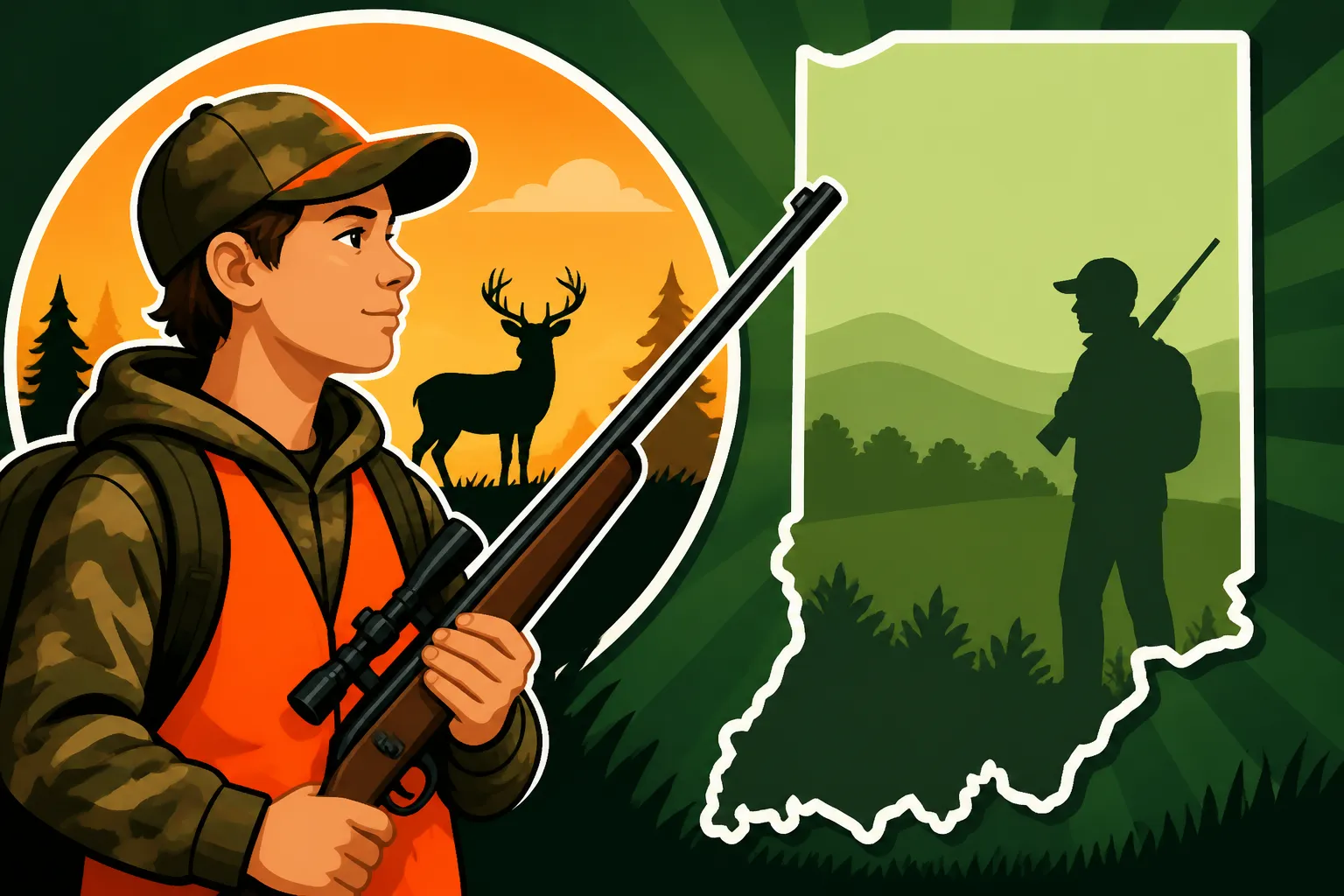
The critical age for unsupervised hunting in Indiana truly begins at 12 years old. This isn't just an arbitrary number; it's the point at which the state deems a young individual mature enough, with the proper training, to handle the serious responsibilities of hunting on their own. However, simply turning 12 isn't enough to instantly grant solo hunting privileges. It's a combination of age, education, and legal documentation that paves the way.
Once a young hunter turns 12, they become eligible to purchase their own hunting licenses and, crucially, to hunt without the immediate, direct supervision of a licensed adult mentor. This is a significant milestone, representing a shift from being a mentee to an independent participant. This newfound freedom comes with the expectation of demonstrating mature judgment, adhering strictly to all hunting regulations, and prioritizing safety above all else. It's a moment of pride for both the young hunter and their mentors, signifying a successful transition into responsible hunting. For those looking ahead, understanding the specific dates for youth-oriented hunts, like the Indiana youth deer weekend, can be a great way to mark progress in their hunting journey.
Hunter Education Certification
Perhaps the most critical piece of the puzzle for any hunter aspiring to go solo in Indiana, regardless of age, is obtaining a Hunter Education Certificate. For anyone born after December 31, 1986, this certificate is mandatory before they can purchase a hunting license in Indiana. For our young hunters aiming for unsupervised status, it’s not just a recommendation; it's an absolute requirement. This course is far more than just a formality; it's a comprehensive training program designed to instill a deep understanding of firearm safety, wildlife identification, conservation principles, ethical hunting practices, and basic survival skills.
The Hunter Education course covers a vast array of topics, from how to safely handle a firearm or bow, to understanding shot placement, field dressing techniques, and the importance of blaze orange. It also delves into Indiana-specific regulations, ensuring young hunters are fully aware of bag limits, season dates, and public land rules. Most importantly, it hammers home the ethical responsibilities that come with taking a life, teaching respect for the animal and the environment. This certification is proof that a hunter has undergone formal training and demonstrated a fundamental knowledge of safe and responsible hunting. Without this piece of paper, a 12-year-old simply cannot legally hunt alone, even if they have the experience. You can find out more about the requirements at Indiana Hunter Education Requirements.
What "Unsupervised" Really Means in Indiana
The term "unsupervised" might conjure up images of a completely isolated child wandering the woods, but in the context of Indiana hunting law, it has specific legal and practical implications. It's about empowering young hunters with independence while still acknowledging the importance of a broader support system and their developing judgment.
Defining "Mentor" and "Supervision"
Under Indiana law, during the mentored youth phase, a "mentor" is a licensed hunter at least 18 years old, and "supervision" means being in "normal voice contact" and "direct physical control" if a firearm is being used, or at least "in the immediate vicinity" for archery. This means the mentor is directly overseeing every action, ready to intervene if needed.
When a 12-year-old, having completed hunter education, moves to "unsupervised" hunting, this direct, immediate physical and verbal control requirement is lifted. They are no longer required to be within arm's reach of an adult mentor. They can truly make their own decisions in the field regarding movement, stand placement, shot selection, and recovery. This legal shift is monumental. It signifies the state's trust in the young hunter's ability to apply their learned knowledge independently. However, it doesn't mean they're entirely on their own in a practical sense; it simply means the legal obligation for immediate adult proximity is gone. Even as they mature, practicing with a seasoned hunter can still be invaluable, especially when learning advanced tactics like Rattling and Grunting in Indiana.
The Importance of Independent Decision-Making
The transition to unsupervised hunting is as much about developing independent decision-making skills as it is about legal compliance. A young hunter venturing out solo must be capable of assessing situations, understanding the consequences of their actions, and making sound judgments without an adult immediately there to guide them. This includes everything from choosing a safe shot angle, to properly field dressing game, navigating unfamiliar terrain, and knowing when to call it a day if conditions become unsafe.
Think about a young hunter scouting a new piece of public land. When hunting unsupervised, they're responsible for reading aerial maps, interpreting deer sign, and choosing an appropriate tree for a stand or a good spot for a ground blind. If they encounter another hunter, they need to know how to react courteously and safely. If they harvest an animal, they're responsible for proper tracking, recovery, and processing. These aren't skills that magically appear at age 12; they are honed through years of mentored experience, observation, and gradually being given more responsibility in the field under a mentor's watchful eye. It’s a natural progression, allowing them to truly take ownership of their hunting experience. Tools like the GoHunt app can be incredibly useful here, allowing young hunters to independently scout and plan their hunts, marking waypoints, and understanding property boundaries.
Legal Requirements vs. Practical Readiness
While Indiana law sets the minimum age at 12 with hunter education, true practical readiness often extends beyond these bare minimums. Just because a hunter can legally hunt unsupervised doesn't always mean they should. Parents and mentors play a crucial role in assessing a young hunter's emotional maturity, physical stamina, and overall judgment. Is the 12-year-old truly comfortable and confident navigating alone in varied terrain? Do they have a solid understanding of local weather patterns and how to react to sudden changes? Can they remain calm and make good decisions under pressure, such as when presented with a challenging shot or tracking a wounded animal?
It's vital for families to have honest conversations about these aspects. Many young hunters, even after obtaining their certificate, might benefit from a few more seasons of "soft supervision," where the mentor might be further away, allowing more independence but still within a reasonable distance for emergencies or advice. The goal is not just legal compliance, but fostering a competent, safe, and truly independent hunter. This kind of nuanced approach helps ensure they’re not just following rules, but embodying the spirit of responsible hunting. Planning hunts with resources like GoHunt can aid in this, allowing them to map out their strategy and share it with a parent or mentor, even if they're physically alone in the woods.
Navigating the Journey to Independent Hunting
The path to independent hunting is a journey, not a single leap. It involves education, hands-on experience, and a gradual increase in responsibility. For parents and young hunters alike, understanding this progression can make the process smoother and more rewarding.
Getting Started with Hunter Education
The first, non-negotiable step toward unsupervised hunting in Indiana is completing the hunter education course. As mentioned, this is mandatory for anyone born after December 31, 1986, to purchase a hunting license. Indiana offers several options for hunter education:
- Traditional Classroom Courses: These are typically multi-day courses taught by certified instructors, offering direct interaction, practical demonstrations, and often a field day component for hands-on experience with firearms or archery equipment. Many young hunters find this format beneficial for the personal instruction and peer interaction.
- Online Courses with Field Day: This hybrid option allows students to complete the bulk of the coursework online at their own pace, followed by a mandatory in-person field day. The field day typically includes a review, a practical firearms handling portion, and a live-fire exercise. This can be a good option for busy families.
- All-Online Course (for adults 18+): While not directly applicable to the young hunter's initial certification, it's worth noting for adults who might also need certification.
Regardless of the format chosen, the course culminates in a comprehensive exam. Passing this exam earns the student their official Hunter Education Certificate. It’s a significant achievement and a tangible step towards independence. Young hunters should take this course seriously, as the knowledge gained is literally life-saving, not just for them but for others in the field.
Building Experience Through Mentorship
Even after completing hunter education and turning 12, the value of continued mentorship cannot be overstated. The certificate proves theoretical knowledge, but real-world experience is gained under the guidance of seasoned hunters. This means continuing to hunt with mentors, even if the strict legal "supervision" isn't required.
Consider these scenarios:
- Learning specific species tactics: A hunter might be certified, but they'll gain invaluable knowledge about Spring Turkey Hunting in Indiana or Hunting Indiana's Long Archery Season by observing an experienced hunter. How to read terrain, call game, set up decoys, or approach a stand quietly – these are nuances learned by doing alongside someone who knows.
- Mastering challenging environments: Hunting Southern Indiana Hill Country or the dense cover of Hoosier National Forest Hunting presents unique challenges. A mentor can teach about reading wind and thermals, choosing entry and exit routes, and finding bedding areas that are easily missed by an inexperienced eye.
- Handling unexpected situations: What happens if a shot isn't ideal, or an animal tracks further than expected? A mentor provides crucial support in these stressful moments, teaching resilience, ethical tracking, and decision-making under pressure.
This ongoing mentorship refines skills, builds confidence, and reinforces ethical behavior. It's an apprenticeship that helps solidify the foundations laid by hunter education, transforming a certified individual into a truly proficient and responsible hunter.
Practical Considerations for Young Solo Hunters
When that day finally arrives, and a young hunter is ready to go out alone, several practical considerations come into play to ensure their safety and success.
- Communication Plan: Even when legally unsupervised, it’s critical to have a clear communication plan with parents or guardians. This includes informing someone about their exact hunting location, expected return time, and carrying a fully charged cell phone or satellite communication device (especially in areas with poor cell service, like parts of the Hoosier National Forest). Tools like GoHunt allow users to share their location and track their movements, which can be an excellent safety feature.
- Emergency Preparedness: A young solo hunter needs to carry a small emergency kit including a first-aid kit, a whistle, a flashlight or headlamp (even for daytime hunts), a map and compass (or a reliable GPS unit/phone app like GPS Units Versus Phone Apps), and enough water and snacks. Knowing basic first aid and survival skills is paramount.
- Weather Awareness: Indiana weather can be notoriously unpredictable. Young hunters must know how to check forecasts, dress appropriately in layers (especially for Clothing for an Indiana Late Season), and recognize when conditions are becoming too dangerous (e.g., severe thunderstorms, rapidly dropping temperatures).
- Respect for Land and Others: This means knowing property boundaries, especially when hunting near private land, being courteous to other hunters, and leaving no trace behind. Understanding and respecting Indiana Trespass and Permission Law is fundamental.
These practical steps, combined with the legal requirements, paint a picture of a truly ready and responsible independent hunter.
Beyond Age: Other Critical Requirements for Young Hunters
While reaching the age of 12 and completing hunter education are the primary hurdles for unsupervised hunting, there are several other critical requirements and considerations that apply to all hunters in Indiana, including our newly independent youth.
Licensing and Permits
Once a young hunter turns 12 and has their Hunter Education Certificate, they are eligible to purchase an Indiana hunting license. This isn't automatic; they still need to go through the process of acquiring the necessary tags.
- Base Hunting License: This is the foundation for almost all hunting activities in Indiana.
- Deer Tags: Depending on the season and their intentions (e.g., antlered deer, antlerless deer), they will need to purchase specific deer tags. Many young hunters might start with filling an antlerless tag in a Deer Reduction Zone to gain experience.
- Turkey Tags: If they plan to hunt turkey, they'll need a specific turkey license. Read more about Indiana Spring Turkey Season Rules and Indiana Youth Turkey License Rules.
- Game Bird Habitat Stamp: Required for hunting migratory game birds and upland game birds (like pheasants).
- Federal Duck Stamp: For waterfowl hunting.
It's crucial for them to understand which licenses and stamps are required for the specific game they intend to pursue and to carry proof of these licenses while afield. The Go Outdoors Indiana platform, often accessed through an app or website, makes purchasing and carrying digital licenses much easier. For more information on different options, see Indiana Resident License Options.
Blaze Orange and Safety Gear
Indiana has strict requirements for blaze orange clothing during firearms seasons. This is not optional and is designed to maximize safety by making hunters highly visible to one another.
- Requirement: During any firearms deer season, hunters must wear at least 500 square inches of solid outer blaze orange (or blaze pink) above the waist, including a head covering.
- Archery Exceptions: While not always required during archery-only seasons, wearing blaze orange or pink is always a good idea, especially when sharing public land with other users or in areas where early archery season overlaps with other hunting activities (like squirrel hunting).
- Other Safety Gear: Beyond blaze orange, carrying a high-quality field dressing knife (and knowing how to use it safely, perhaps after reviewing Field Dressing a Deer in Cold Weather), a sturdy pack, and a well-stocked first-aid kit (especially important for First Aid Kits for Remote Forest Ground) are all essential for any solo hunter.
These measures aren't about hindering the hunting experience; they are about ensuring every hunter, especially those new to independence, comes home safely.
Specific Season and Game Rules
Finally, achieving unsupervised hunting status does not exempt a young hunter from any other Indiana hunting regulations. They must still adhere to:
- Season Dates: Knowing precisely when specific hunting seasons open and close for various game animals.
- Bag Limits: Understanding how many animals of each species they can harvest.
- Legal Equipment: Ensuring their firearms, bows, or muzzleloaders meet all legal specifications for the game they are pursuing. For example, understanding Crossbow Rules During Indiana Archery Season or what rifles are now legal with Hunting Indiana Now That Rifles Are Legal Statewide.
- Reporting Requirements: Properly checking and reporting harvested game to the Indiana Department of Natural Resources (DNR) as required.
- Public Land Specifics: Rules for specific public lands like State Forests or Fish and Wildlife Areas, which might have additional sign-in procedures, equipment restrictions, or managed hunt requirements. Scouting Indiana Public Land Before Season becomes even more critical for a solo hunter to understand these nuances.
The journey to unsupervised hunting in Indiana is a testament to growth, responsibility, and passion. By understanding and respecting these rules, young Hoosier hunters can confidently and safely embrace the tradition of hunting for years to come.
Summary of Indiana Youth Hunting Requirements
Here's a quick overview of the key requirements for young hunters in Indiana, particularly regarding unsupervised hunting:
| Age/Status | Hunter Education | Hunting License | Supervision Required? | Notes |
|---|---|---|---|---|
| Any Age | Not required | Not required | YES (by licensed 18+ mentor) | Mentored Youth Hunter – must stay within sight/voice of mentor. |
| 12-17 | REQUIRED | REQUIRED | NO (if Hunter Ed certified) | Can hunt independently after passing Hunter Education. |
| 18+ | REQUIRED (if born after 12/31/1986) | REQUIRED | NO | Full adult hunting privileges. |
This table provides a general overview. Always consult the most current Indiana DNR hunting regulations for complete and up-to-date information.
Disclaimer
Please remember that hunting regulations can change. While I strive to provide accurate and up-to-date information, it is always your responsibility to consult the official Indiana Department of Natural Resources (DNR) hunting regulations annually before heading afield. This guide is for informational purposes only and should not be considered legal advice.