Indiana Woodcock Season Dates
Trying to keep track of migratory bird seasons in Indiana can feel like a real puzzle, can't it? One year the dates shift a little, another year you’re wondering if you even need a federal stamp for those quirky timberdoodles. It’s enough to make your head spin, especially when you’re just trying to figure out when you can actually get out there and chase woodcock. This guide is going to walk you through exactly when Indiana's woodcock season opens and closes, what licenses you’ll need, and how to make the most of those brief windows.
Decoding Indiana's Woodcock Season Dates
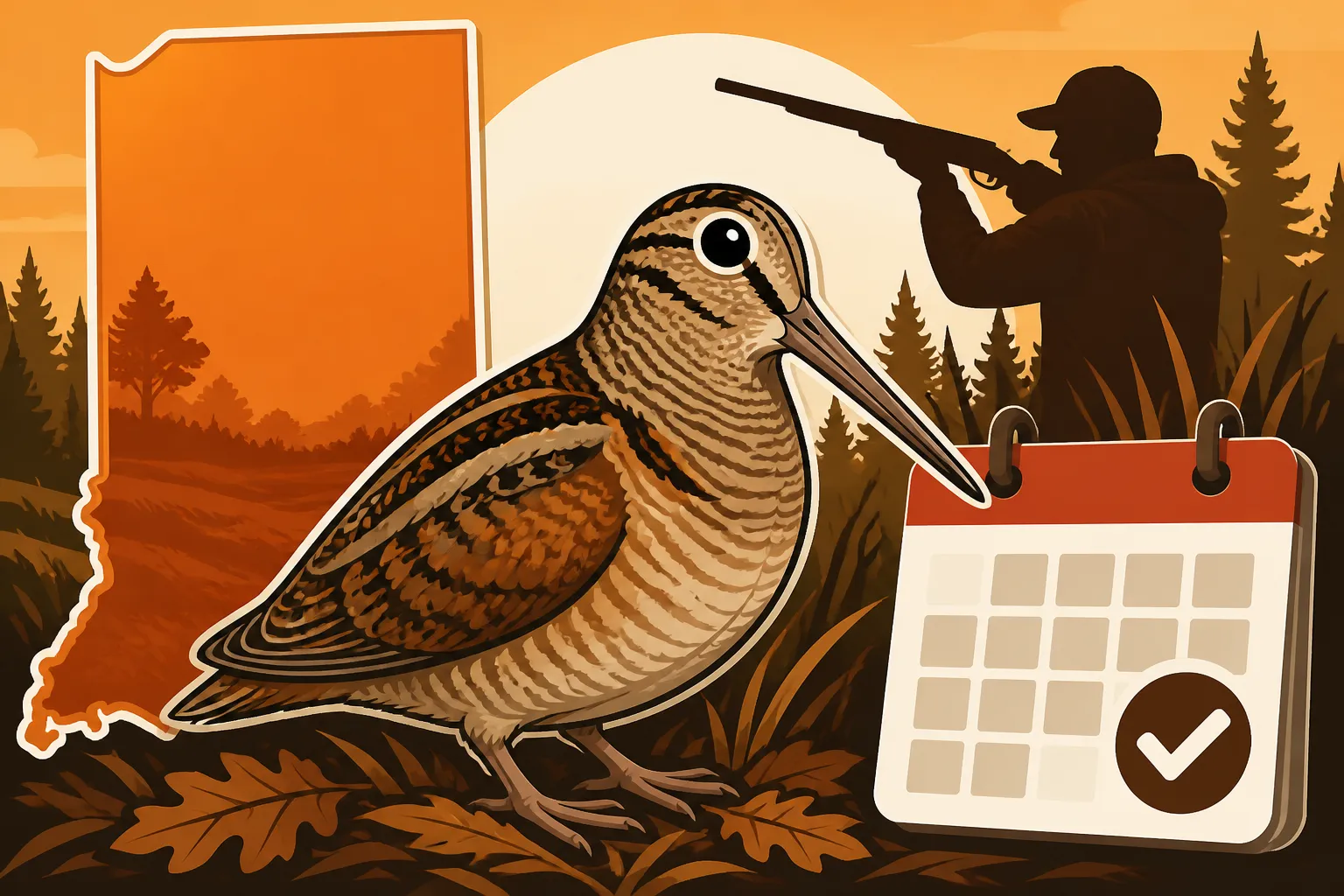
The American Woodcock, affectionately known as timberdoodles, are fascinating migratory birds, and their season in Indiana is set annually based on federal guidelines. This means the exact dates can shift slightly year to year, which is often the source of confusion for hunters. Unlike our resident game species, woodcock are regulated by the U.S. Fish and Wildlife Service, with states then setting their specific seasons within those federal frameworks.
Generally speaking, you can expect Indiana's woodcock season to kick off in mid-October and run into late November or early December. This window is carefully chosen to coincide with the peak of their southward migration through our state. The Indiana Department of Natural Resources (DNR) publishes the official dates well in advance, usually by late summer or early fall. It's always a good idea to double-check the current year's migratory bird regulations every season. I know it's a pain to constantly be checking, but a quick visit to the Indiana DNR website or a glance at the printed guide can save you a lot of headache and potential legal trouble. The daily bag limit for woodcock is typically three birds, with a possession limit of nine, so make sure you're always aware of these numbers.
Annual Fluctuations and DNR Communication
It's really common for hunters to get frustrated when season dates aren't perfectly consistent. We're used to deer season being pretty much the same year in and year out, but migratory birds are a different beast. These slight annual shifts for woodcock are a direct result of biological surveys and population assessments conducted by federal agencies, aimed at ensuring sustainable hunting opportunities. The DNR then takes that federal framework and tailors it to Indiana's specific migration patterns.
For instance, one year the season might open on October 15th and close on November 29th, and the next it could be October 17th to December 1st. These small changes, while seemingly minor, are crucial for managing the resource. The best way to stay informed is to keep an eye on the official DNR publications. I always grab the new hunting and trapping guide as soon as it hits the shelves at my local bait shop or sporting goods store. You can also find all the up-to-date information on the Indiana DNR's website. They often have a dedicated page for migratory bird seasons, which is super helpful.
Early Versus Late Season Hunting Opportunities
The woodcock season's relatively short duration, usually around 45 days, means you have to be strategic about when you head out. Early in the season, typically mid-October, you might encounter more "resident" birds, though even these are often just early arrivals. These birds haven't been pressured much yet, and cover is still relatively thick. They might hold tighter, offering good opportunities for dogs and close-range shots.
As the season progresses into November, that's when you really hit the sweet spot for peak migration. This is when the majority of birds are moving through Indiana on their way south. A good cold front can really push birds into the state, turning a slow day into an incredible one overnight. However, by late November and early December, especially after a few hard freezes, many birds will have moved further south. The cover will also be much thinner, which can be a double-edged sword: easier for your dog to work, but also easier for birds to flush wild. I've had some fantastic hunts on blustery November days after a good rain, when the ground is soft, and birds are congregated in remaining moist cover.
Understanding Woodcock Migration Through Indiana
Understanding when woodcock migrate through Indiana isn't just trivia; it's absolutely crucial for successful hunting. These birds are true globetrotters, making significant journeys from their northern breeding grounds down to their wintering areas in the southern U.S. and even Mexico. Indiana sits right in the path of a major migratory corridor, which is why we get a solid, albeit short, season.
The timing of these migrations is heavily influenced by weather patterns and food availability. As colder temperatures push south from Canada and the northern states, the ground begins to freeze, making it harder for woodcock to probe for their primary food source: earthworms. This dwindling food supply acts as a natural trigger, sending them winging their way south, and right through Indiana. Knowing this helps you predict peak movement.
Peak Migration Windows
For Indiana, the sweet spot for woodcock migration typically falls from late October through mid-November. This is when you'll see the highest concentrations of birds. However, it's not a uniform wave. Often, the migration comes in "flights," with birds moving through in surges driven by weather. A strong cold front pushing down from the north, especially one that brings freezing temperatures, can dump a fresh batch of woodcock into our coverts seemingly overnight.
I’ve had days where I hunted the same patch of woods on a Tuesday and found only a few birds, then went back on Friday after a significant temperature drop and found birds everywhere. It's truly incredible to witness. Keeping an eye on weather forecasts, particularly tracking those northern cold fronts, can give you a real edge. This knowledge is key to understanding When Woodcock Migrate Through Indiana.
Weather Impacts on Flight
Weather is the ultimate determinant of woodcock movement. While a general timeline exists, deviations are common. Mild falls can mean birds linger longer up north or move south slower, spreading out their passage through Indiana. Conversely, an early, harsh winter up north can push birds south much earlier and more rapidly, potentially shortening our prime hunting window.
Soft, damp ground is ideal for woodcock, as it makes probing for earthworms easy. A period of heavy rain followed by moderate temperatures can make woodcock habitat particularly attractive. On the other hand, a prolonged drought that hardens the soil, or an early deep freeze, can make finding food difficult, forcing birds to move quickly. That's why I'm always looking for those damp, timbered bottoms after a good rain. It’s a good idea to monitor local conditions and not just rely on a calendar.
Essential Gear and Licensing for Indiana Woodcock
Before you even think about hitting the coverts for woodcock, you need to make sure your gear is in order and, most importantly, that all your licenses and stamps are current. Missing a single requirement can turn a fun day afield into a serious problem, and nobody wants that. Woodcock hunting, while similar to other upland bird hunting, has its own nuances when it comes to legalities.
Federal and State Licensing Requirements
This is where it can get a little tricky, so pay close attention. To hunt woodcock in Indiana, you'll need a few things:
- Indiana Hunting License: This is your base requirement. Whether you're a resident or non-resident, you'll need the appropriate license. For Indiana residents, the Indiana Resident License Options include various bundles that can cover multiple game types, including small game.
- HIP (Harvest Information Program) Certification: This is absolutely mandatory for all migratory bird hunters, including those pursuing woodcock. It's free and simply involves answering a few questions about your hunting success from the previous year. You can usually get your HIP certification when you purchase your hunting license online or at a license vendor. Without it, you cannot legally hunt woodcock. It's a federal requirement, so don't skip it! This is a critical point to remember, as outlined in Indiana HIP Certification for Bird Hunters.
- Federal Migratory Bird Hunting and Conservation Stamp (Duck Stamp): Here's the good news: you do NOT need a Federal Duck Stamp to hunt woodcock. This stamp is only required for waterfowl (ducks, geese, and brant). However, if you plan to hunt ducks or geese on the same trip, you will need it. Always check the specific regulations if you're mixing species.
Recommended Shotguns and Loads
For woodcock, you generally don't need heavy firepower. These birds are relatively small, and shots are almost always at close range in thick cover. Speed and maneuverability are your friends.
- Shotgun Gauge: A 20-gauge or 28-gauge shotgun is often considered ideal. They're lighter to carry through dense woods and provide plenty of knockdown power for woodcock. A 12-gauge is certainly fine, but you might find it a bit cumbersome in tight spots.
- Choke: An open choke like Skeet, Cylinder, or Improved Cylinder is perfect. You want a wide pattern to connect with these fast-flushing, erratic flyers in thick timber. Woodcock tend to hold tight and flush vertically, so quick, close shots are the norm.
- Shot Size: Small shot, such as 7 ½ or 8, is more than sufficient. You want a dense pattern of small pellets rather than fewer, larger pellets for these delicate birds. The goal is to avoid destroying too much meat while still ensuring a clean kill.
I personally love my lightweight 20-gauge double for timberdoodles. It swings fast, and an Improved Cylinder choke works wonders in the brush. Just be mindful of Upland Guns for Fencerow Cover and choose something appropriate for the dense habitats woodcock favor. When considering Shot Size for Pheasant and Rabbit, remember that woodcock are smaller, so sticking to finer shot makes sense.
| Requirement | Woodcock Hunting | Waterfowl Hunting | Small Game (e.g., Squirrel, Rabbit) |
|---|---|---|---|
| Indiana Hunting License | Required | Required | Required |
| HIP Certification | Required | Required | Not Required |
| Federal Duck Stamp | Not Required | Required | Not Required |
| Blaze Orange | Recommended | Not Required | Required (during deer firearms) |
Note: While blaze orange isn't legally required for woodcock hunting, it is highly recommended for safety, especially on public lands where other hunters may be pursuing deer or other small game.
Where to Find Woodcock in Indiana
Alright, you've got your licenses, your gun is patterned, and you know the dates. Now for the million-dollar question: where do you actually find these elusive little birds in Indiana? Woodcock aren't like pheasants in wide-open fields or ducks on large marshes. They're birds of specific, often overlooked, coverts. You need to think about moist, early successional habitats.
Woodcock absolutely love young, regenerating forests, brushy creek bottoms, and moist thickets. They thrive in areas with damp, soft soil where they can easily probe for earthworms, which make up the bulk of their diet. Think about areas along small streams, drainage ditches, and the edges of swamps or wet woods. Places where the ground stays a little soggy, even when other areas dry out, are prime real estate.
Preferred Cover Types
When scouting for woodcock, look for specific types of cover. These birds aren't fans of mature, open timber. They prefer areas that are dense enough to offer protection but still allow for undergrowth and moist soil.
- Young Forest & Clear-cuts: Areas that have been recently logged or clear-cut and are now growing back with dense saplings and brush (like aspen, dogwood, or willow) are fantastic. These young trees create a thick canopy but still allow sunlight to reach the forest floor, promoting invertebrate life.
- Wet Thickets & Swamp Edges: The margins of swamps, marshy areas, and wet thickets where alders, willows, and dogwoods grow densely are classic woodcock haunts. The moist soil here is an earthworm buffet.
- Brushy Creek Bottoms & Drainages: Any low-lying area with a small creek or drainage ditch that's choked with brush and young trees is worth investigating. These linear features often concentrate birds during migration.
- Abandoned Farmland Edges: Sometimes you'll find them along the brushy edges of old, overgrown fields, particularly where they transition into younger timber or moist bottomlands.
I've had a lot of success walking the brushy edges of the Hoosier National Forest, particularly where it borders smaller streams or where a timber harvest has created new growth. Scouting these areas, even without a dog, can show you signs like their distinct "splats" (droppings) on the ground, indicating birds have been present. This kind of hands-on scouting, along with using mapping apps like GoHunt to identify potential habitat, is key to success.
Scouting for Woodcock Sign
You don't always need a dog to find woodcock, though a good bird dog is undeniably the most effective tool. You can scout effectively by looking for their distinctive "sign."
- Woodcock Splats: These are probably the most obvious indicators. Woodcock droppings are fairly large, white, and chalky, often with a dark center. They’re quite distinct and easy to spot on the brown leaf litter, especially after a fresh rain. If you find a few splats in an area, you know birds are using it.
- Probe Marks: Look for small, pencil-sized holes in the soft, damp ground. These are where woodcock have been probing with their long bills for earthworms. If you see numerous probe marks, you're in a good spot.
- Roosting Areas: Woodcock often roost in more open areas, like sparse grass fields adjacent to their feeding coverts, but they feed and hold in denser spots during the day. Sometimes you can find evidence of their nighttime activities in these open areas near good cover.
Remember that woodcock are incredibly camouflaged, and they'll often hold incredibly tight, especially early in the season. You can literally almost step on them before they flush. This is why a slow, methodical walk-through of good cover, ideally with a dog, is the most effective hunting method. They don't run much; they'd rather hide and flush. Thinking about Hunting Indiana's Place on the Woodcock Flight is all about anticipating these birds' habits during their journey.
Tips for a Successful Indiana Woodcock Hunt
So you've got the dates, the gear, and an idea of where to go. Now, let's talk about some practical tips to make your woodcock hunt in Indiana a success. These birds offer a unique challenge and a rewarding experience, but they demand a specific approach.
Hunting with a Dog
If you're serious about woodcock hunting, a good bird dog is almost indispensable. Woodcock hold extremely tight, and their camouflage is phenomenal. A dog with a good nose, like a Brittany, English Setter, or German Shorthaired Pointer, will find birds you would walk right past. They'll also retrieve downed birds from the thickest cover, which can save you a lot of heartache and lost game.
When hunting with a dog, focus on working the dog thoroughly through prime habitat. Let them follow their nose and trust their instincts. Woodcock flushes are often explosive and close, so be ready to mount your gun quickly. A bell on your dog's collar can help you keep track of them in dense cover, and you'll often hear a change in the bell's rhythm when they go on point. Remember to adhere to regulations if you're hunting with dogs on public land, especially if other seasons, like deer, are open.
Walking Up Birds Without a Dog
Don't have a bird dog? No problem! You can absolutely find woodcock by walking them up, though it will require more effort and a slower pace.
- Slow and Deliberate: Walk very slowly and methodically. Stop often for several seconds, then move again. This stop-and-go cadence often makes tight-sitting birds nervous enough to flush. Think of it like a very slow version of a deer drive.
- Focus on the Edges: Instead of crashing through the center of a thicket, work the edges and transitions. Woodcock often utilize these areas, and it can give you a bit more open space for a shot when they flush.
- Listen for the Whistle: When a woodcock flushes, it makes a distinctive whistling sound with its wings. Learn to recognize this sound, as it will often alert you to a bird you didn't see. Then, quickly locate the bird and get your shot off.
- Follow Up: If you flush a bird but don't get a shot, or miss, mark where it flew. Woodcock often don't fly far, typically 50-100 yards, before re-landing. You can sometimes get a second opportunity. Just make sure to wait a few minutes before moving in on the spot to let the bird settle.
Safety Considerations
Hunting woodcock, especially in dense cover, demands a keen awareness of safety.
- Blaze Orange: While not legally required for woodcock, wearing blaze orange or blaze pink is a very smart move, particularly if you're on public land like a state forest or fish and wildlife area during overlapping deer or small game seasons. It makes you visible to other hunters and can prevent accidents.
- Identify Your Target: In thick cover, always, always, always be 100% sure of your target and what's beyond it before you shoot. Woodcock can appear and disappear quickly, but a responsible hunter only shoots when conditions are safe.
- Know Your Hunting Partners: If hunting with others, know their positions at all times. Communicate clearly. This is especially true if you are doing a small Deer Drives With Three or Four Hunters or just walking in a line for small game.
- Hydration and Terrain: Woodcock coverts can be challenging terrain—muddy, brushy, and uneven. Wear appropriate footwear, bring water, and be mindful of your footing. A twisted ankle in a remote area is no fun.
Hunting woodcock in Indiana is a fantastic way to experience bird hunting. It's challenging, rewarding, and takes you to some beautiful, wild corners of the state. With the right preparation and a bit of luck, you'll be enjoying these unique migratory birds for years to come. Remember to check out comprehensive guides like Squirrel and Small Game Hunting in Indiana for broader advice, as many small game tactics can cross over.
Disclaimer
Please note that hunting regulations, season dates, and licensing requirements can change. This guide is intended for informational purposes only. Always consult the most current Indiana Department of Natural Resources (DNR) hunting and trapping regulations before heading afield. It is the hunter's responsibility to know and follow all applicable laws.