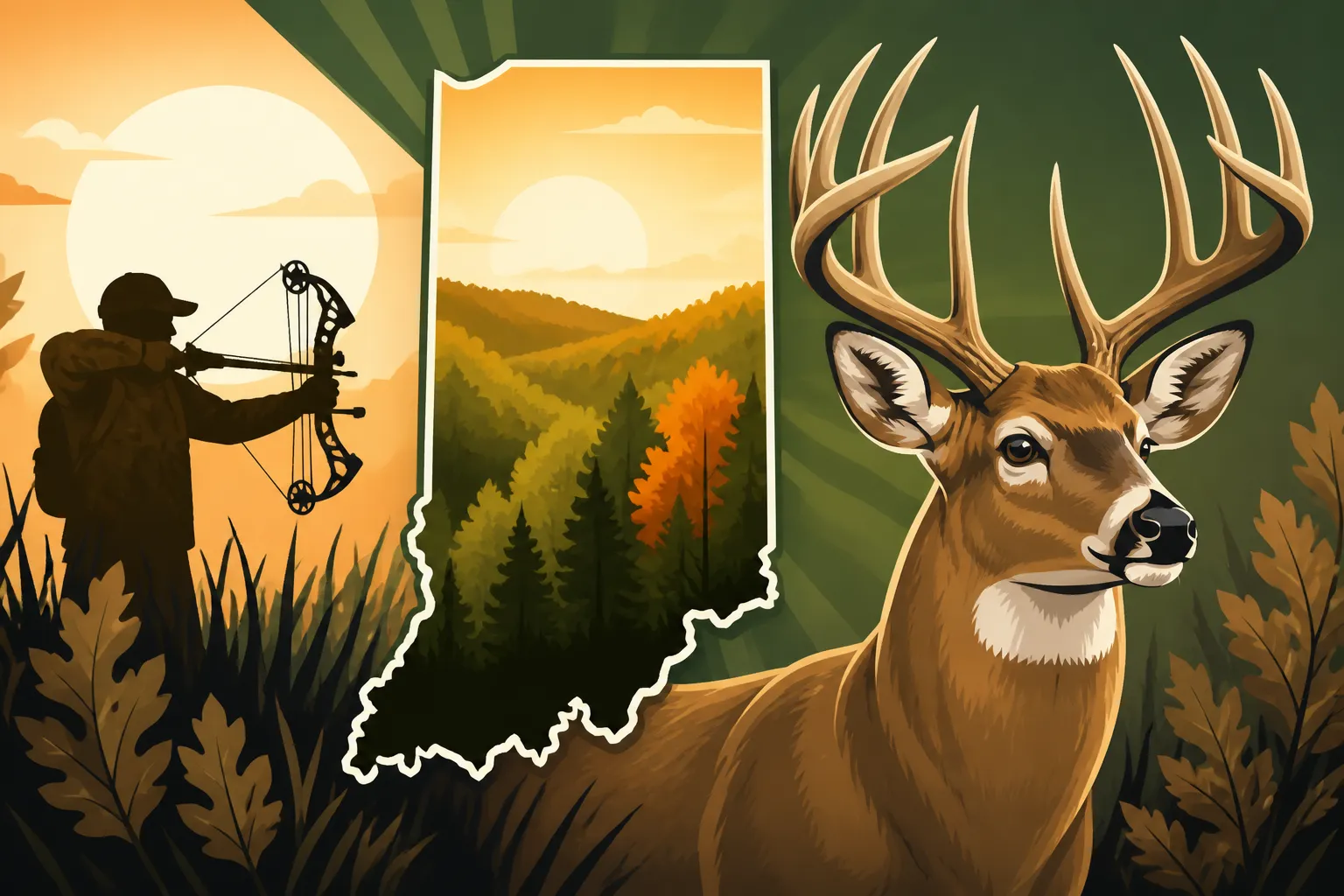
Why Southern Indiana Grows Big Bucks
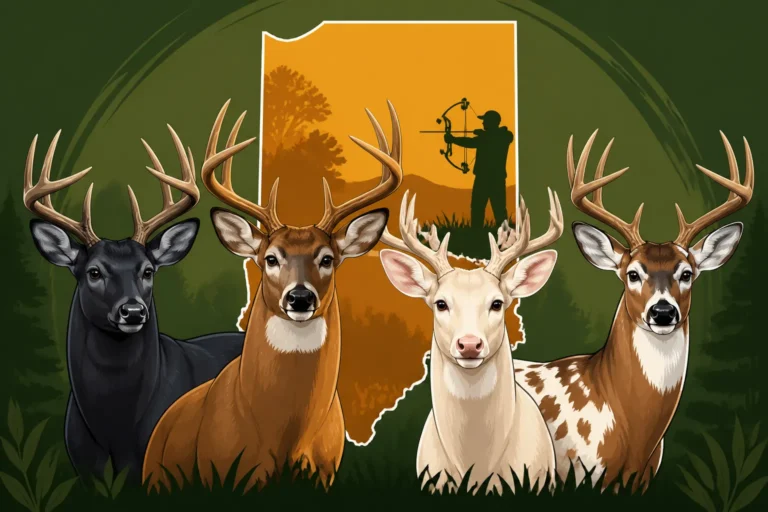
It's a question every deer hunter in Indiana has pondered, especially if you've spent season after season watching those smaller, younger bucks cruise through your northern Indiana woodlots or farmland edges. You see the pictures online, you hear the whispers at the sporting goods store, and you know the truth: Southern Indiana just seems to pump out bigger bucks. But why? Is it magic? Is it just luck? The frustration of consistent effort yielding modest results can be real, but understanding the unique advantages of Southern Indiana's landscape and management can change your whole approach to chasing trophy whitetails. This guide will dive deep into the specific reasons behind Southern Indiana's reputation as a big buck factory.
The Lay of the Land: Topography and Habitat Advantage
One of the most defining characteristics of Southern Indiana, and perhaps the primary reason for its big buck potential, is its diverse and often challenging topography. This isn't the flat, grid-patterned agriculture you find further north; it's a world of rolling hills, deep ravines, and extensive timber.
Rugged Terrain and Remote Sanctuaries
Imagine standing on a ridge in the Hoosier National Forest, looking out over an endless sea of trees, punctuated by steep slopes and hidden valleys. This isn't just pretty scenery; it's a deer hunter's paradise for growing mature bucks. The rugged terrain acts as a natural defense system for deer. It's difficult to access, physically demanding to hunt, and provides an incredible amount of dense cover where bucks can simply disappear. When hunting pressure mounts in the easily accessible areas, those wily older bucks retreat deeper into these remote sanctuaries. They'll often bed on steep slopes where they can see and smell danger from below, or tuck into thick creek bottoms that are a nightmare for hunters to navigate. This difficulty factor naturally reduces the overall hunting pressure in many spots, allowing more bucks to survive multiple seasons, which is absolutely crucial for antler growth. If you’ve ever tried dragging a deer out of one of these steep ravines, you know exactly what I’m talking about – it’s a workout, and it deters casual hunters.
Diverse Food Sources and Mast Crops
Southern Indiana's forested landscape is a veritable buffet for deer, particularly when it comes to hard mast. While corn and soybeans certainly offer high-energy carbs, the native hardwood forests provide a more balanced and consistent diet that is absolutely vital for antler development. White oaks and red oaks blanket the hillsides, dropping their nutrient-rich acorns in the fall. These aren't just a treat; they're a primary food source, packed with fat and protein. Beyond acorns, you'll find stands of persimmon trees, wild grapes, various browse species, and even scattered patches of agricultural crops in the valleys and smaller clearings. This diversity means deer aren't reliant on a single food source, making them more resilient to fluctuations in crop yields or weather patterns. A steady supply of high-quality forage throughout the year directly translates into healthier deer with the nutritional building blocks to grow impressive racks. The consistent availability of these natural food sources contributes significantly to Why Southern Indiana Grows Older Bucks.
Water Availability and Cover
The intricate network of creeks, streams, and natural springs winding through Southern Indiana's hills provides a constant and reliable water source for deer. This might seem like a minor point, but in drier periods, easy access to water can be a critical factor in deer health and movement patterns. Moreover, these water features often create corridors of lush vegetation and dense thickets along their banks, offering perfect bedding and travel cover. Deer can move through these riparian zones undetected, traveling between bedding areas on ridges and feeding spots in bottoms. The combination of water, dense cover, and varied food sources creates ideal habitat for deer to thrive and evade hunters, completing the picture of why the landscape itself is such a game-changer for producing large, mature bucks. Understanding these patterns is key to Reading a Ridge for Hoosier Forest Deer.
Age Structure: The Secret to Antler Growth
You can have the best genetics and nutrition in the world, but if a buck doesn't live long enough, he'll never reach his full antler potential. Southern Indiana excels at allowing bucks to mature, which is arguably the biggest contributor to its reputation for big racks.
Lower Hunting Pressure in Remote Areas
Let's face it, hunting the flat, open farmlands of Northern Indiana can be a different ballgame. Deer are often more visible, and access can be easier. In Southern Indiana, especially within vast tracts like the Hoosier National Forest, the sheer difficulty of the terrain naturally disperses hunters. While some popular spots still get hit hard, the truly dedicated hunters who are willing to put in the miles and climb the hills are the ones who find the untouched pockets. Many hunters simply won't venture deep into the rugged country, preferring easier walks to their stands. This self-selection process, combined with the immense amount of cover, means that a significant portion of the buck population faces less consistent pressure over their lifespan. Less pressure translates directly to a higher likelihood of bucks surviving past their first or second year, giving them the chance to express their genetic potential. This is a crucial element that differentiates Southern Hills Versus Northern Farmland Deer.
Consistent Antlerless Harvests and Population Management
Indiana's deer management strategies, coupled with hunter cooperation, play a vital role in maintaining a healthy age structure. By encouraging the harvest of antlerless deer, especially in areas with robust populations, the Indiana DNR helps to keep the overall deer herd in balance with the available habitat. When doe numbers are managed effectively, it reduces competition for food resources, ensuring that the remaining deer, including young bucks, have access to adequate nutrition. Furthermore, a balanced buck-to-doe ratio means less stress on the does during the rut and stronger, more competitive rutting behavior among the bucks. This can lead to healthier fawns and a generally more robust herd. Hunters in Southern Indiana, often driven by the pursuit of quality deer, tend to be more keenly aware of population dynamics and are often willing to take antlerless deer to help the herd, contributing to the conditions that produce those coveted mature bucks.
Mature Buck Behavior and Survival
As bucks age, they become incredibly adept at avoiding detection. They learn to identify human scent, recognize patterns of movement, and exploit the terrain to their advantage. A 4.5-year-old buck isn't going to make the same mistakes a 1.5-year-old buck does. In Southern Indiana's complex landscape, these mature bucks become ghosts. They often become more nocturnal, moving primarily under the cover of darkness, or utilizing dense thickets during daylight hours where they feel completely secure. They know every escape route, every thermal current, and every hidden draw. This learned survival behavior, combined with the lower hunter density in many remote areas, allows them to navigate multiple hunting seasons. For us hunters, it means we have to be smarter, more patient, and more strategic. They don't just "get big"; they survive long enough to get big, thanks to their instincts and the forgiving landscape. This is where strategic tools like the GoHunt app can really come into play, helping you identify those less-pressured areas and potential bedding zones that older bucks favor.
Genetics and Nutrition: Building Bone
While age is paramount, the underlying factors of genetics and nutrition are the raw materials from which those impressive antlers are built. Southern Indiana offers a potent combination that often tips the scales in favor of larger racks.
Rich Diet from Varied Forage
We talked about the diverse food sources earlier, but it's worth emphasizing the sheer nutritional value they provide. Beyond acorns, Southern Indiana's forests and fields offer a mix of high-protein browse like honeysuckle, greenbrier, and various forbs, particularly in areas with timber stand improvements or recent clear-cuts. As deer age, their bodies prioritize growth and maintenance. If their diet is consistently rich in protein, calcium, phosphorus, and other essential minerals, their bodies can allocate more resources to antler development. It's not just about getting enough calories; it's about getting the right kind of calories. The natural variety in Southern Indiana's habitat provides a balanced and consistent intake of these crucial nutrients year-round. Think of it like a bodybuilder; they need specific protein and mineral intake to build muscle. Bucks need similar inputs to grow bone.
Limited Agricultural Impact Compared to North
Compared to the vast monocultures of corn and soybeans that dominate much of Northern Indiana, Southern Indiana's agricultural footprint is more fragmented and integrated into the forest landscape. While deer certainly utilize agricultural fields where they exist – and these can be fantastic hunting spots – they aren't solely reliant on them. This means less potential for boom-and-bust nutritional cycles tied to specific crop harvests or market prices. The deer herd in the south benefits from a more stable and diverse natural diet, supplemented by agriculture, rather than being entirely dependent on it. This leads to more consistent health and antler growth across the herd. It’s a subtle but significant difference that impacts the overall quality of the deer herd. While you might find huge bucks in the north tied to specific farm fields, the southern landscape consistently supports a broader base of quality deer.
Genetic Potential for Larger Racks
While it's often debated how much genetics truly influence antler size versus age and nutrition, it's undeniable that a healthy, well-managed deer herd, given the chance to mature and fed a robust diet, will naturally express its genetic potential. Over generations, the bucks in Southern Indiana have thrived under these conditions, leading to a strong genetic pool for large antlers. It's not that Southern Indiana deer are inherently "better" genetically than northern deer, but rather that the environment in Southern Indiana allows that genetic potential to be fully realized more often. You're simply seeing more bucks reach the age and nutritional status where their genetic code for larger racks can truly shine. When you combine age, consistent top-tier nutrition, and a robust gene pool, you get those jaw-dropping Boone and Crockett scores that Southern Indiana is known for. Many of the Best Indiana Counties for Big Bucks are found in this region for exactly these reasons.
Hunter Tactics and Mindset
Hunting Southern Indiana for big bucks isn't just about showing up; it requires a specific skillset, a different mindset, and a willingness to adapt to its unique challenges.
Adapting to Hill Country Hunting
Forget about simply sitting on a field edge and waiting for deer to pop out; Southern Indiana demands a more dynamic and nuanced approach. Understanding topography is paramount. Bucks will often travel ridge tops, use saddles as natural funnels, and bed on leeward slopes where they have a distinct advantage. Learning to interpret contour lines on a map, or using an app like GoHunt to visualize the terrain, becomes as important as tracking fresh sign. Still-hunting the timber, moving slowly and deliberately with the wind in your face, can be incredibly effective when you learn to read the subtle changes in elevation and cover. Placing a treestand or ground blind requires a deep understanding of thermal currents, which will carry your scent up or down a hillside depending on the time of day and temperature inversions. It's a steep learning curve, but mastering tactics like Still-Hunting Southern Indiana Ridges or sophisticated Treestand Setups in Hoosier National Forest can unlock incredible opportunities.
The Importance of Scouting and Patience
If you want to consistently connect with mature bucks in Southern Indiana, year-round scouting isn't an option; it's a necessity. Pre-season reconnaissance, looking for old rubs, scrapes, bedding areas, and travel corridors, helps you build a mental map of buck movement. Using tools like GoHunt's satellite imagery and public land overlays can help you identify remote pockets, overlooked funnels, and potential sanctuaries where big bucks might feel safe. Even during the season, constant scouting by reading tracks, droppings, and fresh sign is key to adapting to changing deer patterns. Beyond scouting, patience is your greatest virtue. These bucks didn't get big by being careless. You might sit for hours, or even days, without seeing a shooter. The willingness to grind it out, to put in the time on stand, and to wait for the perfect opportunity is what separates successful big buck hunters from the rest. This unwavering commitment to thorough preparation is highlighted in guides like Scouting Indiana Public Land Before Season.
Public Land Challenges and Rewards
Much of Southern Indiana's prime big buck country lies within public lands, particularly the vast expanses of the Hoosier National Forest and various State Forests. Hunting public land always presents challenges – increased pressure, limited stand placement rules, and the need to share the woods. However, these challenges are often the very reason big bucks survive. The effort required to get deep into public land, away from roads and easy access points, is a natural filter. Those willing to hike several miles, cross creeks, and navigate thick brush are often rewarded with access to areas that see minimal human disturbance. It's in these remote, rugged pockets of the Hoosier National Forest Hunting where the truly massive bucks can establish their core ranges and live relatively unmolested. The reward for enduring the difficult entry and exit, the steep climbs, and the long hauls is often a truly exceptional deer that earned its size through pure survival. The GoHunt app can be invaluable here for pinpointing these remote public land parcels and understanding their access points.
Key Counties and Hotspots
While Southern Indiana as a whole offers great potential, certain areas consistently produce bigger deer due to a combination of habitat, land access, and localized management.
Hoosier National Forest Strongholds
When people talk about big bucks in Southern Indiana, the Hoosier National Forest is often the first place that comes to mind. Spanning over 200,000 acres across nine counties, it's a behemoth of public hunting opportunity. Counties like Brown, Monroe, Jackson, Lawrence, and Perry often rank high in deer harvest statistics and are well-known for producing mature deer. The sheer size of the forest means there are countless ridges, hollows, and dense thickets where bucks can hide and grow old. Areas within the Hoosier, particularly those furthest from main roads, serve as critical refuges. The diverse timber, from oak and hickory ridges to poplar and beech hollows, provides consistent food and cover. If you're looking for an honest challenge and the potential for a true trophy, dedicating time to understanding and hunting these expansive forest lands is a must. These are the lands where you'll find Where Hoosier National Forest Bucks Bed.
River Bottoms and Creek Drainages
The major river systems that cut through Southern Indiana, such as the White River, Patoka River, and Wabash River, create fertile bottomland habitats that are magnets for deer. These river bottoms are characterized by rich soils, diverse vegetation, and often agricultural fields interspersed with dense timber and swamps. The confluence of cover, food, and water creates ideal conditions for deer. Bucks will often use the thick cover along river and creek drainages as travel corridors, moving between bedding areas on higher ground and feeding areas in the bottoms or adjacent fields. These funnels can be incredibly productive during the rut, as bucks cruise these natural pathways looking for does. Understanding Hunting Indiana River Bottom Funnels can be a game-changer for those looking to capitalize on these unique ecosystems.
Less Pressured State Forests and FWAs
Beyond the Hoosier National Forest, Indiana's State Forests (like Yellowwood, Morgan-Monroe, Jackson-Washington, and Clark State Forests) and various Fish and Wildlife Areas (FWAs) also offer excellent opportunities, sometimes with slightly different hunting dynamics. While some FWAs can experience heavy pressure, others, particularly those with more rugged terrain or those less advertised, can hold some real sleeper bucks. Places like Sugar Ridge Fish and Wildlife Area, with its mix of reclaimed strip mine land, forests, and open fields, can provide diverse hunting scenarios. The key is often to seek out the less accessible corners of these properties. Don't overlook the potential of these areas, especially if you're willing to put in the effort to explore beyond the obvious entry points. They contribute significantly to the overall Public Hunting Land in Indiana available to Hoosier hunters.
Here's a quick comparison of general hunting characteristics that favor big bucks in Southern Indiana versus the more typical Northern Indiana farmland:
| Characteristic | Southern Indiana (Hill Country) | Northern Indiana (Farmland) | Contribution to Big Bucks |
|---|---|---|---|
| Topography | Rugged hills, deep ravines, extensive unbroken timber | Flat to gently rolling, dominated by agricultural fields, fragmented woodlots | Provides natural sanctuaries, reduces hunting pressure, allows bucks to age. |
| Primary Food Source | Diverse natural mast (acorns, persimmons), varied browse, some agriculture | High-energy agricultural crops (corn, soybeans), limited natural mast | Balanced nutrition for consistent antler growth, resilience to crop fluctuations. |
| Hunting Pressure | Often lower in remote areas due to difficult access and terrain | Generally higher due to easier access and visible deer | Less disturbance allows bucks to live longer and exhibit more natural daytime movement. |
| Cover | Vast, dense forests, thick creek bottoms, varied understory | Fragmented woodlots, fencerows, standing crops, less continuous cover | Excellent hiding spots for mature bucks, crucial for survival and evading hunters. |
| Deer Age Structure | Tendency for higher percentage of older bucks due to survival factors | Often skews younger due to higher pressure and more accessible habitat | Older bucks have more time to grow larger antlers; age is the #1 factor. |
| Hunter Tactics | Still-hunting, ridge running, thermal hunting, deep woods scouting | Field edge hunting, stand placement on travel corridors between cover/food | Rewards patience, detailed scouting, and adapting to natural deer behavior. |
Disclaimer
Hunting is an activity that carries inherent risks. Always prioritize safety, understand and follow all Indiana hunting regulations, and ensure you have the necessary licenses and permits. Consult the Indiana Department of Natural Resources (DNR) for the most up-to-date rules and season dates. This information is for educational purposes only and should not replace professional guidance or official regulations.