Donating Venison in Indiana
There's nothing quite like the satisfaction of a successful deer season, whether you filled your tags in the rolling hills of Southern Indiana or the rich farmlands up north. But once the harvest is done, the freezer starts to fill, and you might find yourself with more delicious venison than your family can reasonably consume. It's a great problem to have, but it can also feel like a waste if that meat just sits there. This guide is all about turning that abundance into a blessing for others by showing you how to donate venison in Indiana, making sure every ounce of that hard-earned protein goes to good use.
Why Donate Your Hard-Earned Venison in Indiana?
For many of us who hunt in Indiana, the act of harvesting an animal carries with it a deep sense of responsibility. We put in the time scouting, preparing, and executing the hunt, and when it’s successful, we want to honor that animal by utilizing every bit we can. Sometimes, our freezers are simply overflowing, or perhaps we just want to share the bounty. Donating venison is an incredible way to extend that responsibility beyond our immediate families, providing healthy, lean protein to those who truly need it in our communities. It's a quiet act of generosity that speaks volumes about the hunting community.
Addressing Food Insecurity in the Hoosier State
It's a tough reality, but many Hoosier families face food insecurity daily. They struggle to put nutritious meals on the table, and often, fresh meat is one of the most expensive and difficult items for food banks and pantries to acquire. This is where your venison becomes a game-changer. Wild game is incredibly lean, packed with protein, and free from many of the additives found in commercially processed meats. When you donate venison, you're not just giving food; you're providing high-quality nutrition that can make a real difference in someone's diet and overall well-being. It’s a direct way to combat hunger right here in our state, turning your successful hunt into a lifeline for others.
Think about it: a single deer can provide a substantial amount of meat, often fifty pounds or more of pure protein. Imagine the impact that can have when distributed among families who might otherwise rely on less nutritious options. This isn't just about charity; it's about community support, leveraging the natural resources of our state to uplift our neighbors. Many local food banks, especially in rural areas, are always looking for ways to provide fresh, healthy options, and properly processed venison fits that bill perfectly.
Maximizing the Harvest and Respecting the Animal
Every hunter understands the deep respect we have for the game we pursue. It’s not just about the chase; it’s about the life taken and the commitment to honor that life by making full use of the animal. Leaving meat to waste, whether it's in the field or in an over-full freezer, goes against the very core of our ethical hunting principles. Donating venison is a powerful extension of that respect, ensuring that the animal's sacrifice nourishes people rather than going unused.
This ethical consideration is a huge driving force for many hunters. We've spent countless hours in the woods, learned the habits of White-Tailed Deer Across Indiana, and developed the skills to harvest them responsibly. To then ensure that the meat from that harvest feeds a community is the ultimate expression of our dedication to conservation and ethical hunting practices. It closes the loop on the entire hunting experience, turning a personal endeavor into a public good.
Supporting Local Communities and the Hunting Tradition
The hunting community often faces scrutiny, and sometimes, public perception can be skewed. Participating in venison donation programs is a fantastic way to showcase the positive impact hunters have on our communities and the environment. It highlights our commitment to responsible wildlife management and our generosity. When local food pantries receive high-quality venison, it's a testament to the fact that hunters are not just takers, but active contributors to the well-being of the state.
This act of giving back strengthens the hunting tradition by demonstrating its value beyond personal recreation. It fosters goodwill, educates the public about the benefits of wild game, and can even encourage greater support for hunting and conservation efforts. By donating, you're not just sharing meat; you're sharing the story of the hunt and the spirit of community that lies at its heart. It’s a subtle yet powerful form of advocacy for our lifestyle.
Navigating Indiana's Venison Donation Programs
Donating venison isn't as simple as dropping off a raw carcass at the nearest soup kitchen – and for good reason! There are health and safety regulations, not to mention the practicalities of processing. Thankfully, Indiana has established programs and networks that make the process straightforward, ensuring the meat is handled properly and gets to where it’s needed most. Understanding these avenues is the first step to making your generous contribution.
The Farmers and Hunters Feeding the Hungry (FHFH) Program
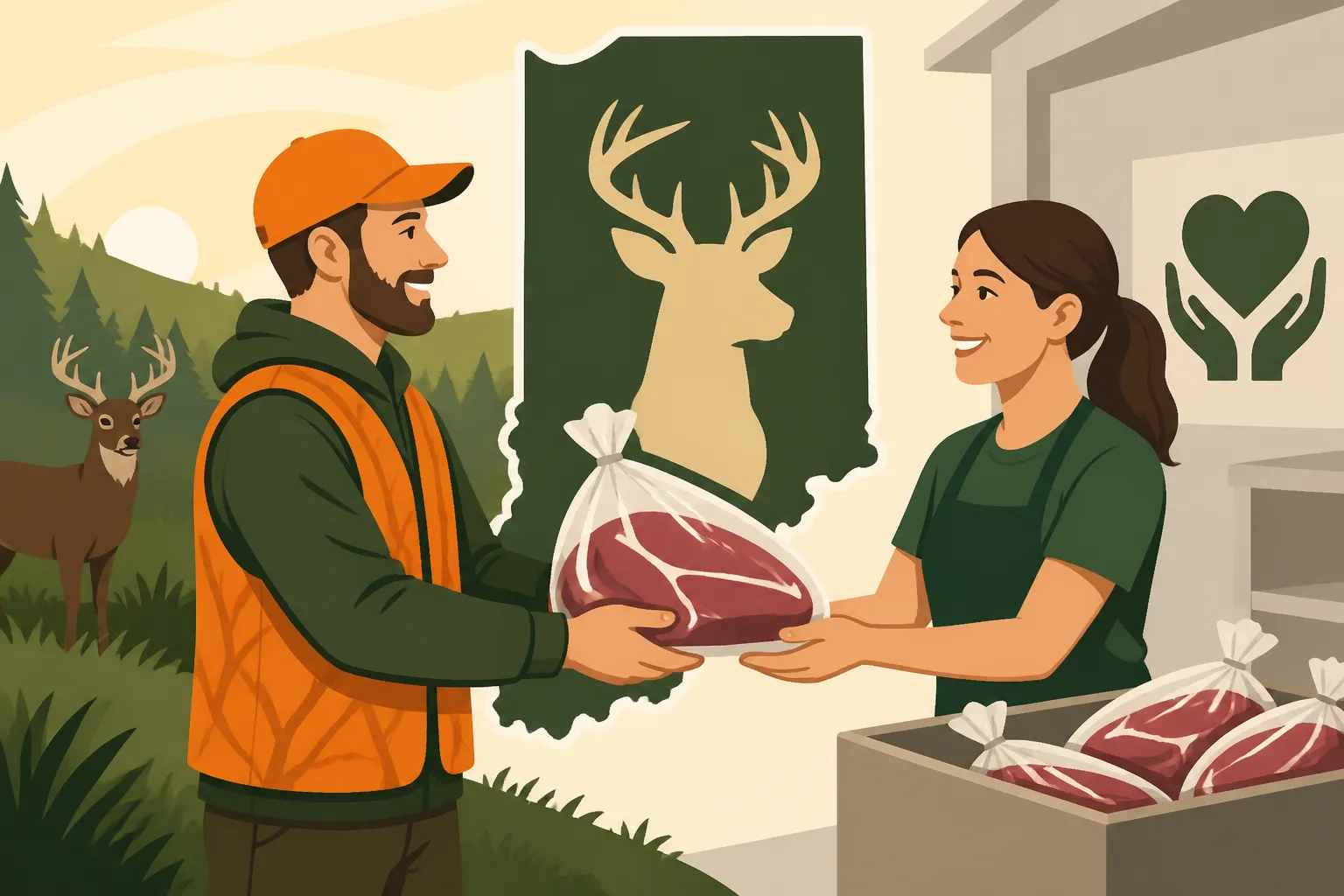
One of the most widely recognized and effective programs is Farmers and Hunters Feeding the Hungry (FHFH). This national organization has a strong presence in Indiana, connecting hunters with approved meat processors who then prepare the venison for distribution to local food banks, soup kitchens, and other charitable organizations. It's a fantastic system that streamlines the entire process, ensuring safety and efficiency.
Here’s how it generally works: after harvesting your deer, you take it to an FHFH-approved processor. These processors are experienced in handling wild game and are equipped to turn a whole deer into ready-to-distribute ground venison, often packaged in convenient one- or two-pound packs. A key benefit of FHFH is that they often cover or subsidize the processing costs, meaning hunters can donate their deer without incurring a significant out-of-pocket expense, though sometimes a small contribution is still requested. This system removes a major barrier for many hunters who would love to donate but might hesitate due to processing fees. It's a seamless way to contribute, making sure your deer goes from the field to a family's table with minimal hassle. You can often find participating processors on the FHFH website or by contacting your local DNR office.
Connecting Directly with Local Food Pantries
While FHFH is a fantastic resource, some hunters prefer or find it necessary to connect directly with local food pantries or charities. This can certainly be done, but it requires a bit more legwork and prior arrangement. Most food pantries cannot accept whole, unprocessed deer due to health regulations and a lack of facilities for processing. Therefore, if you plan to donate directly, the venison will almost certainly need to be professionally processed and packaged beforehand.
If you choose this route, it's absolutely crucial to contact the food pantry or charitable organization before you even head to the field, or at least before you harvest a deer with the intention of donating it. Ask about their specific requirements: do they need it ground? What kind of packaging? Do they have any storage limitations? Some smaller, local pantries might be thrilled to receive packaged, frozen venison, but they need to know it's coming and that it meets all health guidelines. This direct connection can be incredibly rewarding, allowing you to see the immediate impact of your generosity, but remember, communication and proper processing are key.
Understanding Approved Processors and Their Role
The cornerstone of any successful venison donation program is the approved meat processor. These aren't just any butcher shops; they are facilities that adhere to strict health and safety standards, often with specific experience in handling wild game. For your donated venison to be accepted by food banks and charities, it must come from an approved source, processed under sanitary conditions. This ensures that the meat is safe for consumption and complies with all state and federal food handling regulations.
When you take your deer to an approved processor, they’ll inspect the carcass, often requiring that it be properly field dressed and kept cool. They'll then skin, butcher, and typically grind the venison, packaging it in a way that makes it easy for food pantries to distribute and families to use. Their expertise is invaluable in transforming your harvest into a safe, consumable product. Always verify that a processor is part of an approved donation program, like FHFH, or is otherwise certified to handle meat for charitable distribution. Don’t hesitate to ask them about their experience with Handling Venison From a CWD Positive Area if you are hunting in one of those zones.
Practical Steps for Donating Your Deer in Indiana
So, you’ve decided to turn your successful hunt into a meal for those in need. That’s fantastic! Now let’s talk about the practical steps to make sure your donation is as effective and impactful as possible. It starts long before the deer is even down and continues all the way to the processor. Paying attention to these details ensures the meat remains in top condition and can be safely accepted by donation programs.
Before the Hunt: Planning for Your Donation
Believe it or not, successful venison donation starts before you even pull the trigger or release an arrow. The quality of the meat depends heavily on how the animal is handled immediately after the harvest. If you know you want to donate, plan for it. This means being ready to field dress your deer quickly and efficiently. Field Dressing a Deer in Cold Weather is one thing, but if you're hunting during the early archery season when temperatures can still be warm, you'll need to work fast to cool the carcass down.
Having a plan for refrigeration or transport immediately after the shot is crucial. Consider bringing Coolers and Game Bags for Early Archery to the field, especially if you’re a long walk from your vehicle or if it’s a warm day. The goal is to get that body temperature down as fast as possible to prevent spoilage and ensure the meat is of the highest quality for donation. Also, remember to fulfill all your legal obligations, such as Indiana Deer Reporting Requirements, before taking your deer to a processor. Using a platform like GoHunt to mark potential processor locations on your map or scout optimal travel routes can be a huge time-saver here, helping you plan the logistics of getting your deer from the woods to the donation point efficiently.
After the Harvest: Getting Your Deer to a Processor
Once your deer is on the ground and field-dressed, the clock starts ticking, especially in warmer weather. Getting your deer to an approved processor promptly is paramount. Transport the animal in a way that keeps it clean and cool. Avoid throwing it on the hood of a hot truck or dragging it for miles through mud and debris, as this can contaminate the meat. If possible, transport it inside a cooler, on ice, or at least in the coolest part of your vehicle.
When you arrive at the processor, be prepared to provide all necessary information, including your hunting license and deer tag. Most donation programs will require you to complete some paperwork that formally designates your deer for donation. The processor will inspect the carcass to ensure it's in suitable condition for processing. Their standards are high, and for good reason—they're responsible for the safety of the food going to vulnerable populations.
What to Expect at the Processor
When you drop off your deer at an approved processor for donation, the experience is generally straightforward. The staff will take your deer, verify your tag, and have you fill out any required forms for the donation program, such as FHFH. They'll conduct a visual inspection of the carcass to ensure it's clean, properly field-dressed, and shows no signs of spoilage or disease that would render the meat unsuitable. This is a critical step to maintain food safety standards.
Regarding costs, while programs like FHFH strive to cover or subsidize processing fees, it's always a good idea to confirm this with the specific processor beforehand. Sometimes, a hunter might be asked to pay a small portion of the processing fee as their contribution to the program. Many hunters are happy to do this, viewing it as a small investment to ensure their venison feeds others. The processor will then handle the entire butchering process, usually grinding the meat and packaging it, ready for the food bank or pantry to pick up.
The GoHunt Difference and Other Resources
In the world of hunting, having good information and tools can make all the difference, even when it comes to something as vital as venison donation. While platforms like GoHunt aren't direct donation programs, they can be incredibly useful for planning your entire season, including preparing for potential donations. Imagine using GoHunt's mapping features to identify approved processors within your hunting area or along your travel route. You could mark these locations as waypoints, ensuring you know exactly where to go after a successful harvest, minimizing travel time and keeping the meat fresh.
Beyond mapping, a strong hunting community often shares information about local programs, participating processors, and even current needs of food pantries. Tools like GoHunt facilitate this kind of community knowledge sharing. While Scouting Indiana Public Land Before Season with GoHunt, you might also be looking up contact information for local FHFH chapters or regional food banks. It's about integrating the intent to donate into your overall hunting strategy, using all available resources to make the process as smooth and effective as possible. Remember, hunting in Hunting a Deer Reduction Zone can sometimes yield multiple deer, increasing your donation potential, so planning with such tools becomes even more valuable.
Here's a quick overview of key venison donation points in Indiana:
| Program/Method | Key Steps | Considerations | Contact/Resource |
|---|---|---|---|
| Farmers and Hunters Feeding the Hungry | Harvest deer, take to approved processor, complete FHFH paperwork. | Processing costs often covered or subsidized. Ensures professional handling and distribution. | FHFH website, Indiana DNR, participating processors |
| Direct Local Food Pantry Donation | Harvest, process deer professionally, contact pantry before drop-off. | Requires pre-processed, packaged, and often frozen venison. Must meet pantry's specific safety/packaging requirements. Hunter covers processing. | Local food pantry websites, community directories |
| General Processor Donation | Harvest, take to any USDA-inspected processor for personal processing. | Hunter covers all processing costs. You then personally deliver packaged meat to an accepting charity. | Local meat processors, Indiana DNR for regulations |
Addressing Common Concerns and Misconceptions
Donating venison is a truly noble gesture, but like anything, there are common questions and sometimes a few misconceptions that can arise. It's important to clear these up so you can donate with confidence, knowing you're making a valuable and safe contribution. Let's dig into some of the typical concerns that hunters have when considering venison donation.
Costs Associated with Donation
One of the most frequent questions I hear from fellow hunters is, "Does it cost me anything to donate my deer?" And it's a fair question! After all, we already invest quite a bit of time and money into licenses, gear, and travel. While programs like Farmers and Hunters Feeding the Hungry (FHFH) work hard to cover the processing fees through donations and grants, it's not always a guarantee that every single dollar will be covered. Sometimes, a participating processor might ask for a small co-pay or contribution from the hunter to help offset their costs.
It's crucial to clarify this with the specific processor you plan to use before you drop off your deer. Think of any potential out-of-pocket cost as a small investment in a significant charitable act. Many hunters are more than willing to pay a processing fee, knowing that their deer will feed numerous families in need. It's an extension of their commitment to conservation and community, turning a successful hunt into a truly impactful gesture. Don't let a potential small fee deter you from making a huge difference.
Handling Chronic Wasting Disease CWD and Other Health Concerns
Safety is paramount, especially when donating food. The presence of Chronic Wasting Disease (CWD) in certain areas of Indiana, like the Indiana's Chronic Wasting Disease Positive Area in the northeast, naturally raises questions and concerns for hunters. Rest assured, venison donation programs and processors take CWD very seriously. If you harvest a deer in an area known for CWD, or if your deer shows any signs of illness, it is absolutely vital to communicate this to the processor.
In CWD-positive areas, mandatory testing might be required, and some processors may have specific protocols for handling deer from these zones. The Indiana DNR provides resources and guidelines on Handling Venison From a CWD Positive Area, which you should review. Generally, food banks and charities will not accept venison from CWD-positive deer. It's also important to be aware of other potential health issues, like EHD (Epizootic Hemorrhagic Disease), which can lead to EHD Die-Offs in Indiana Deer. If you suspect your deer is sick or abnormal in any way, err on the side of caution and do not donate it. Your honesty and diligence ensure the safety and integrity of the donated food supply.
The Importance of Timeliness and Proper Care
I cannot stress this enough: the quality of your donated venison hinges on how quickly and carefully you handle the animal after the shot. This means prompt field dressing, getting the carcass cooled down as rapidly as possible, and transporting it cleanly to the processor. If a deer is left un-field-dressed for too long, or if it's transported improperly in warm weather, the meat can spoil or become contaminated.
A processor has the right, and the responsibility, to refuse any carcass that appears to be spoiled or improperly handled. Their goal is to provide safe, wholesome food. So, while your intention to donate is admirable, the execution of proper game care is what makes that donation possible. Treat that deer as if you were preparing it for your own family, because ultimately, it will be feeding other families who deserve the very best quality protein. Your efforts in the field directly translate to the usability and safety of your generous gift.
Disclaimer
This article is for general informational purposes only and does not constitute professional advice. Laws, prices and regulations vary by location and change over time. Consult a qualified professional for guidance on your specific situation.