Indiana Wildlife Rehabilitation for Injured Game
It’s a tough sight, isn't it? You’re out enjoying Indiana’s incredible outdoors, maybe scouting a new woodlot or checking a trail camera, and suddenly you come across a deer with a broken leg, a bird tangled in fishing line, or a young animal that seems abandoned and in distress. Your first instinct is often to help, to intervene, but then that wave of uncertainty hits: what do you actually do? What are the rules? And who even handles this kind of thing? This guide is here to walk you through the proper channels and best practices for dealing with injured game and other wildlife in Indiana, so you can act responsibly and effectively.
The Initial Discovery: What to Do (and Not Do!) When You Find Injured Wildlife
Finding an injured animal can pull at your heartstrings, especially if it’s a species you're passionate about, like a whitetail deer or a wild turkey. But unlike a domestic pet, wild animals have very specific needs and, crucially, specific legal protections that dictate how we can and cannot interact with them. It’s a delicate balance between compassion and compliance, and sometimes, doing nothing is actually the most helpful, and legal, course of action.
Assessing the Situation Safely for You and the Animal
Your personal safety, and the safety of anyone with you, must always be your top priority. An injured wild animal, even one that appears docile or weak, can be unpredictable and dangerous. They are often scared, in pain, and will react defensively if approached. A kick from a deer or a bite from a raccoon can cause serious injury, and some animals carry diseases that can be transmitted to humans. So, the first step is always to observe from a distance. Use binoculars or a camera zoom to get a better look without putting yourself in harm’s way.
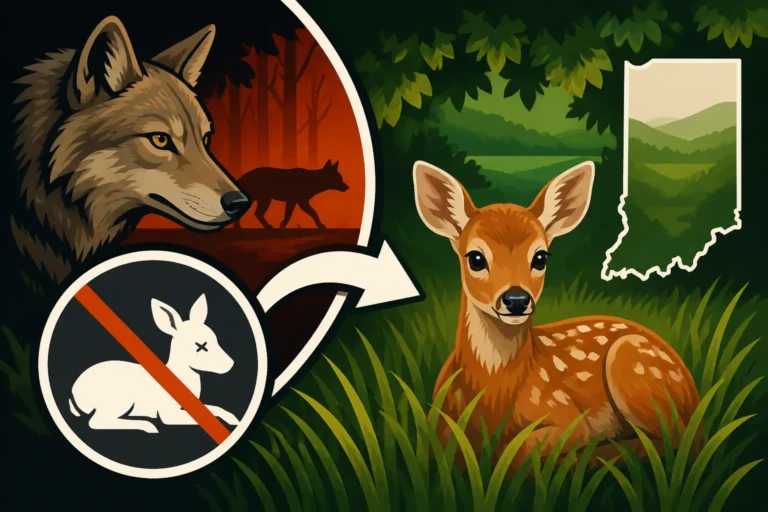
Consider the environment too. Are you near a busy road? Is the animal in a precarious position where it could fall or be further injured? Does it appear to be in immediate danger from predators, or from human activity like mowing or construction? These factors can sometimes sway whether intervention is absolutely necessary. For example, a fawn lying alone in tall grass might appear abandoned, but its mother is almost certainly nearby, having left it hidden while she forages. Approaching it or trying to move it could actually do more harm than good, as human scent can deter the mother. The same goes for many fledgling birds that seem to be struggling on the ground; often, their parents are still feeding them and teaching them to fly. If you're out exploring a new area, perhaps using your Scouting Indiana Public Land Before Season knowledge, keep your eyes open but your distance clear.
When to Intervene and When to Leave Well Enough Alone
Knowing when to act is probably the hardest part, because our instincts often scream "help!" when our knowledge should whisper "wait." A general rule of thumb for wildlife in Indiana is this: if an animal shows no visible signs of injury (like a broken limb, deep wound, or severe bleeding) and is simply young or moving slowly, observe it for an extended period. Hours, even a full day, can reveal if a parent returns or if the animal moves off on its own.
Clear signs that intervention might be necessary include:
- Obvious Injury: A visible broken bone, severe bleeding, or an animal dragging a limb.
- Entanglement: Caught in fencing, netting, fishing line, or trash. This is a common and truly dangerous situation for wildlife.
- Orphaned (Confirmed): If you've observed for many hours (or even days) and there is no parent, or if the parent is known to be dead. This is different from a fawn simply lying still or a bird learning to fly.
- Direct Threat: The animal is in the middle of a busy road, trapped in a hazardous man-made structure, or being actively attacked by a domestic animal (though intervening in a fight can be extremely dangerous).
Remember that simply seeing an animal alone, even a very young one, doesn't automatically mean it's orphaned. Mother deer, for instance, often leave their fawns bedded down for hours while they forage. This natural behavior helps keep the fawn safe from predators. If you see a fawn curled up and perfectly still, it's likely doing exactly what it's supposed to do. For a broader understanding of how deer behave, consider reviewing White-Tailed Deer Across Indiana.
The Legalities of Handling Wild Animals in Indiana
Here's where it gets really important: in Indiana, it is generally illegal for an unlicensed individual to possess native wildlife. This isn't because the state wants to be difficult; it's for the protection of both the animals and the public. Wild animals require very specific diets, habitats, and medical care that most people simply cannot provide. Improper care can lead to further injury, chronic health issues, or an animal becoming "habituated" to humans, making it impossible to return to the wild. Furthermore, handling wildlife without proper training can expose you to zoonotic diseases (diseases transferable from animals to humans).
This means that while your heart is in the right place, picking up an injured rabbit or a fledgling hawk and taking it home is against the law. Even transporting it directly to a vet or another facility without prior authorization can sometimes be an issue. The system is designed to channel these situations through trained, licensed professionals who understand the legal requirements, the animal's needs, and the potential risks. Just like how GoHunt helps you understand regulations for your hunt, it's vital to grasp the legal aspects of wildlife intervention. The goal is always to get the animal into the hands of someone who has the permits and expertise to give it the best chance of survival and a successful return to its natural habitat.
Connecting with Indiana's Wildlife Rehabilitation Network
Once you've assessed the situation from a safe distance and determined that intervention is likely necessary, the next step is to reach out to the proper authorities. This is crucial because they are the gatekeepers to Indiana's network of dedicated, licensed wildlife rehabilitators. These folks are true heroes, often working on shoestring budgets and dedicating countless hours to saving our state's injured and orphaned critters.
Who to Call First: The Indiana DNR and Local Authorities
The Indiana Department of Natural Resources (DNR) is your primary point of contact for injured wildlife. They have the authority, the resources, and the network of licensed rehabilitators. You can typically find their contact information on the official Indiana DNR website. Look for a "wildlife" or "conservation officers" section. It's often helpful to have the exact location where you found the animal, including specific landmarks or GPS coordinates if possible. While you might use your GoHunt app to scout for healthy deer, consider it a tool to help pinpoint your exact location should you ever need to report an injured animal to the DNR. This precision helps them direct resources efficiently.
When you call the DNR, be prepared to provide:
- Your contact information.
- The exact location of the animal.
- The species of animal (if you can identify it).
- A description of the injury or problem (e.g., "broken wing," "hit by car," "entangled in fence").
- The animal's current behavior (e.g., "trying to move," "lying still," "aggressive").
In situations where an animal poses an immediate public safety threat (e.g., a deer hit by a car in the middle of a highway) or if it's after hours and you can't reach the DNR, local law enforcement (sheriff's department, state police) or local animal control may be able to assist. They can often secure the scene or contact the appropriate DNR personnel. However, for actual wildlife rehabilitation, the DNR will be your ultimate connection. You can also refer to resources like Reporting a Poacher in Indiana if you suspect illegal activity led to the animal's injury, as that would certainly warrant a call to the DNR's law enforcement division.
Finding a Licensed Wildlife Rehabilitator in Your Area
The DNR maintains a list of licensed wildlife rehabilitators throughout Indiana. These individuals and facilities have gone through specific training and inspections to ensure they meet state and federal standards for animal care. It’s absolutely vital that you only work with licensed rehabilitators. Anyone operating without a license is doing so illegally and likely without the proper knowledge or facilities, which can be detrimental to the animal.
You can often find this list on the DNR's website, usually under their "Wildlife" or "Nuisance Wildlife" sections. The list will typically include contact information and the types of animals each rehabilitator is equipped to handle. Some specialize in birds, others in mammals, and some may only take certain sizes or species. Due to the dedication required and the limited number of these specialists, many are volunteers who run their operations out of their homes or small facilities, relying heavily on donations. Be patient, as they are often very busy. Remember that getting your Indiana Hunting Licenses and What They Cost and supporting the DNR helps fund some of these broader conservation efforts that benefit wildlife.
Preparing for the Hand-Off: What Information to Provide
When you successfully connect with a licensed rehabilitator or the DNR, the more detailed information you can provide, the better. Think of it like being a good scout, meticulously noting every detail you'd use for Reading Aerial Photos for Southern Indiana Deer.
Here's a checklist of helpful information:
- Exact Location: Street address, nearest cross streets, GPS coordinates, or clear directions. If you're on public land, mention which specific property it is (e.g., Hoosier National Forest, a particular Fish & Wildlife Area).
- Time Found: This helps determine how long the animal has been in distress.
- Species: Be as specific as possible. Is it a whitetail fawn or an adult deer? A turkey poult or a mature hen? A red-tailed hawk or a great horned owl?
- Type of Injury/Problem: "Broken leg," "wing drooping," "hit by car," "caught in fence," "mother deceased."
- Observed Behavior: Is the animal trying to move? Is it lethargic? Is it aggressive when approached (from a distance, of course)? Is it vocalizing?
- Your Actions: Have you touched it? Offered food or water? This information helps the rehabilitator understand the animal's stress levels and potential for habituation. Generally, do not feed or water an injured animal unless specifically instructed to do so by a rehabilitator. Improper food or water can actually worsen its condition.
Providing clear, concise information allows the rehabilitator to quickly assess the situation, prepare for the animal's arrival, and decide on the best course of action.
| Scenario | When to Contact DNR/Rehabilitator | When to Observe/Leave Alone |
|---|---|---|
| Deer | Obvious broken leg, open wound, hit by car, entangled, mother confirmed dead. | Fawn alone and quiet (mother likely nearby), healthy adult acting normally. |
| Rabbit | Obvious injury, entangled, caught by cat/dog (even if no visible injury). | Healthy nest with mother seen nearby, young rabbit able to hop away. |
| Bird (Fledgling) | Clear injury, eyes closed, lethargic, cold, parent confirmed dead. | Feathered bird on ground trying to fly (parents usually watching). |
| Bird (Nestling) | Found on ground (no feathers), nest destroyed, parent confirmed dead. | If nest is intact and can be safely returned to, parents will resume care. |
| Raccoon/Fox/Coyote | Obvious injury, disoriented, aggressive toward humans (unprovoked), in home. | Healthy adult foraging, young animals with parents, seen at a distance. |
| Duck/Goose | Tangled in fishing line, obvious injury, unable to fly/swim. | Healthy ducklings with mother, adult birds resting on shore. |
| Squirrel | Obvious injury, entangled, caught by cat/dog. | Healthy squirrel foraging, young squirrels with mother. |
| Any Animal – Disoriented | Stumbling, walking in circles, showing neurological signs. | None – always contact for potential illness/injury. |
| Any Animal – Human Contact | If it has been handled excessively or kept as a "pet." | Animal observed from a distance, no human intervention. |
What Happens Next: The Rehabilitation Process and Release
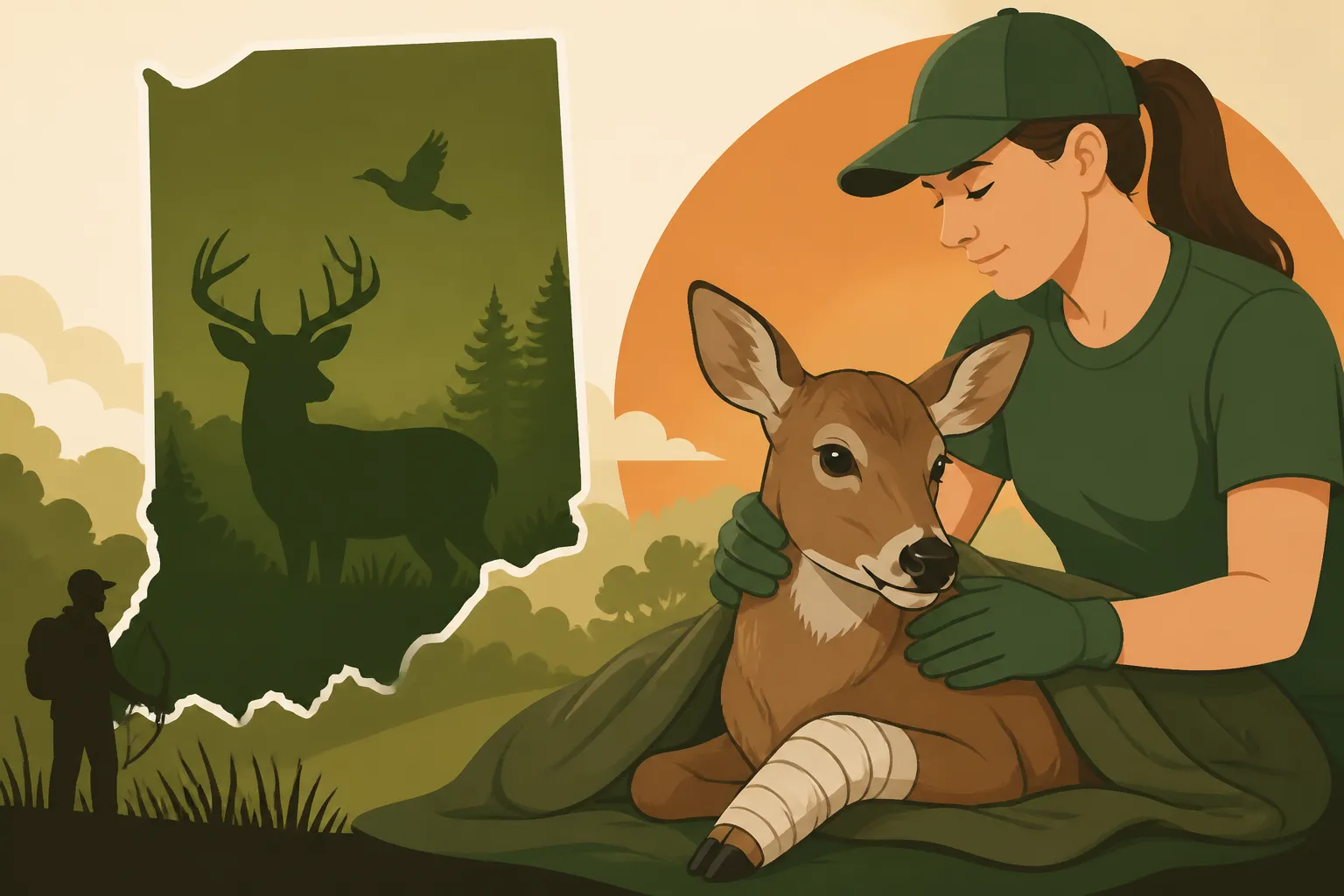
Once an injured or orphaned animal is in the hands of a licensed rehabilitator, a complex and often challenging journey begins. This isn't just about patching them up; it's about giving them a second chance at living a wild, natural life. It takes immense dedication, specialized knowledge, and often, significant financial resources.
The Goals of Wildlife Rehabilitation
The primary, overarching goal of wildlife rehabilitation is always the same: to treat the animal's injuries or illnesses, restore it to full health, and then release it back into its natural habitat, fully capable of surviving on its own. It is not about turning wild animals into pets, nor is it about keeping them in captivity indefinitely. A truly successful rehabilitation means the animal leaves their care wilder than when it arrived.
This means rehabilitators focus intensely on:
- Minimizing Human Contact: Hand-reared babies are often raised with minimal interaction, using special feeding techniques or even puppets to avoid imprinting. This helps prevent habituation, which would doom the animal in the wild.
- Nutritional Support: Providing species-appropriate diets that promote healing and growth, without introducing foods that would make them reliant on human sources.
- Physical Therapy: For injuries like broken wings or legs, therapy might involve specific exercises or controlled environments to rebuild strength and mobility.
- Re-wilding: As the animal heals, it's often moved to outdoor enclosures that mimic its natural environment, allowing it to develop muscles, forage for food, and interact with other members of its species, if possible. This stage helps them regain natural instincts.
Every step is designed to maintain the animal's wildness and prepare it for the ultimate freedom of release.
Challenges and Realities of Wildlife Care
The path to rehabilitation is rarely smooth. Rehabilitators face an array of challenges, from the sheer volume of animals that come through their doors, to the complex medical needs of each individual.
- Stress: Wild animals are not meant to be handled or confined. Capture and captivity cause immense stress, which can sometimes be more detrimental than the original injury. Rehabilitators employ techniques to minimize this stress, like providing quiet, dark spaces.
- Specialized Needs: A fawn requires a specific milk formula, not cow's milk. A raptor needs a very different diet than a songbird. Identifying and providing these specialized needs is time-consuming and expensive.
- Financial Burden: Most rehabilitators are non-profit and rely heavily on donations and their own pockets. Veterinary care, specialized food, enclosures, and medicines are costly.
- Limited Capacity: There are only so many licensed rehabilitators, and they often operate near or at full capacity. This can lead to difficult decisions about which animals can be taken in.
- The Unavoidable: Despite heroic efforts, not every animal can be saved. Sometimes injuries are too severe, or illnesses too advanced. In these cases, a rehabilitator makes the compassionate, but agonizing, decision to humanely euthanize an animal to prevent prolonged suffering. This is a difficult but necessary part of wildlife care. For context, the DNR also monitors various wildlife diseases like EHD or CWD in Indiana Wildlife Disease Monitoring.
The Path to Release and Its Importance
When an animal is deemed healthy enough, strong enough, and wild enough, the rehabilitator will plan its release. This isn't just a matter of opening a cage. It's a carefully considered process:
- Location: The release site is chosen to be appropriate for the species, ideally within its original home range if known, and with adequate food, water, and shelter. It should also be away from human disturbance. For example, a rehabilitated squirrel might be released into a healthy Indiana hickory grove, while a deer might go back to familiar Southern Indiana Hill Country or Hunting Northern Indiana Farmland areas.
- Soft Release: For some animals, particularly hand-reared youngsters, a "soft release" might be used. This involves a gradual transition, where the animal is housed in an outdoor enclosure at the release site and fed for a period, allowing it to acclimate to the wild environment before gaining full freedom.
- Timing: The season and weather are important considerations. Releasing an animal during a harsh winter or a period of food scarcity might hinder its chances of survival.
- Monitoring: While not always feasible, some animals might be briefly monitored post-release to ensure they are adapting.
The ultimate success of wildlife rehabilitation isn't just about saving an individual animal; it's about contributing to the health and resilience of Indiana's wild populations. Each successful release is a small victory for conservation.
Preventing Wildlife Injuries: A Hunter's Role
As hunters, we spend more time in the woods and fields than most, giving us a unique perspective and responsibility toward wildlife. Our actions, both directly and indirectly, can play a significant role in preventing injuries and supporting the overall health of game species and other wildlife in Indiana. It’s about being a steward of the land and its creatures.
Ethical Hunting Practices and Avoiding Wounded Game
One of the most direct ways hunters can prevent wildlife injuries is through ethical and responsible hunting practices. No hunter wants to wound an animal and lose it, leaving it to suffer. This isn't just about adherence to regulations like those found in Indiana's Firearms Deer Season or Bowhunting Indiana's Long Archery Season; it's about a deeper respect for the game we pursue.
Key practices include:
- Knowing Your Limits: Only take shots you are confident you can make. This applies to distance, animal movement, and shot angle. Pushing these limits often leads to wounded animals.
- Proper Shot Placement: Aim for vital organs to ensure a quick, humane kill. Practice regularly with your chosen firearm or bow to ensure accuracy. Whether you're considering Rifle Setups for Indiana Deer Hunting or looking at Bow and Crossbow Setups for Indiana, consistent practice is paramount.
- Using Appropriate Gear: Ensure your weapon is properly sighted in and your ammunition or broadheads are suitable for the game you're pursuing.
- Patient Tracking: If you do wound an animal, dedicate yourself to tracking and recovering it. Give it time if necessary, but follow up thoroughly. A good blood trail might lead to a quick recovery, but sometimes it requires a long, arduous effort.
- Adhering to Seasons and Bag Limits: Responsible hunters follow all regulations to ensure sustainable populations, which helps prevent issues that could lead to widespread injury or starvation due to overpopulation or irresponsible hunting. You can learn more about these in Indiana Deer Season Structure Explained.
By upholding these standards, hunters directly contribute to the welfare of individual animals and the overall health of the herd.
Responsible Land Stewardship
Our interactions with the land itself also impact wildlife. As hunters, we are often ambassadors for the wild spaces we visit, whether public or private.
- Remove Trash: Take out everything you pack in, and more. Fishing line, plastic bags, broken glass, and other debris can injure or entangle wildlife. Leaving a clean camp is a fundamental part of Indiana Deer Camp Traditions.
- Secure Attractants: If you're on private land or near a cabin, ensure garbage cans are secure. Unsecured food waste can attract nuisance animals who then become prone to injury from cars or conflict with humans.
- Prevent Entanglement Hazards: Be mindful of old fencing, netting, or any other materials that could trap animals. If you own land or have permission to manage it, proactively remove these hazards.
- Habitat Management: For those with private land access, creating and maintaining good habitat can reduce stress on wildlife. Things like ensuring diverse forage, adequate cover, and water sources can improve overall animal health, making them less susceptible to injury or disease. You might even find yourself scouting for deer sign and inadvertently discovering an area that could benefit from some cleanup. Scouting Indiana Public Land Before Season involves looking for these details.
Whether you're exploring new areas found through GoHunt or simply enjoying a walk, remaining vigilant about preventing hazards is key. These small actions collectively make a big difference in the lives of wild animals.
Supporting Conservation Efforts
Finally, one of the most impactful ways hunters support wildlife rehabilitation and conservation in general is through their financial contributions.
- Purchasing Licenses and Stamps: Every time you buy an Indiana hunting license, a deer tag, or a federal duck stamp, a portion of that money goes directly to the DNR to fund wildlife management programs. These programs include habitat restoration, disease monitoring (like for Indiana's Chronic Wasting Disease Positive Area), wildlife research, and enforcement efforts—all of which benefit wildlife.
- Conservation Organizations: Many reputable conservation organizations, like Ducks Unlimited, National Wild Turkey Federation, or Rocky Mountain Elk Foundation, invest heavily in habitat projects and wildlife health initiatives that indirectly reduce injuries and improve overall animal welfare.
- Volunteerism: If you're passionate about wildlife and have spare time, consider volunteering with a licensed rehabilitator or a local conservation group. Your time can be just as valuable as financial donations.
By being responsible hunters and engaged conservationists, we play a crucial role in safeguarding Indiana's incredible wildlife heritage, ensuring that injured animals get the care they need, and ideally, preventing many injuries from happening in the first place.
Disclaimer
This article is for general informational purposes only and does not constitute professional advice. Laws, prices and regulations vary by location and change over time. Consult a qualified professional for guidance on your specific situation.