Indiana Wildlife Area Deer Check Station Data
It's frustrating when you're trying to figure out where to hunt deer in Indiana, and you stumble across all this data from Fish and Wildlife Areas (FWAs), but you're not quite sure what to make of it. Is it even relevant to your hunt? Does it truly reflect what's going on with the deer herd across the state, or is it just a niche report for specific areas? This guide will cut through the confusion, explaining exactly what Indiana Wildlife Area deer check station data means, how it's collected, and most importantly, how you can use it to better plan your next Hoosier hunt.
What Exactly is Indiana Wildlife Area Deer Check Station Data?
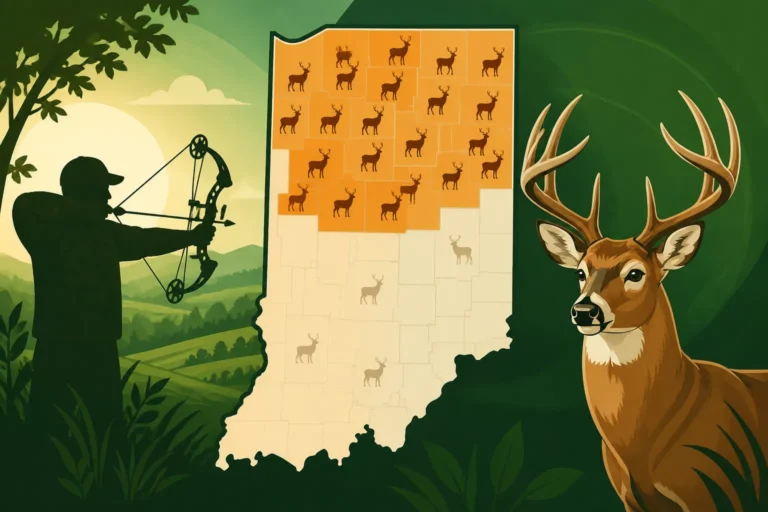
When you hear "deer check station data" concerning Indiana's Fish and Wildlife Areas, it's not just some obscure collection of numbers. This is a critical snapshot of deer harvest and herd health within these specific public lands. Imagine hundreds, sometimes thousands, of hunters descending on places like Willow Slough or Atterbury each year. Every successful harvest on these specific managed properties contributes to this dataset, providing a unique window into the local deer population dynamics.
The Data Collection Process on FWAs
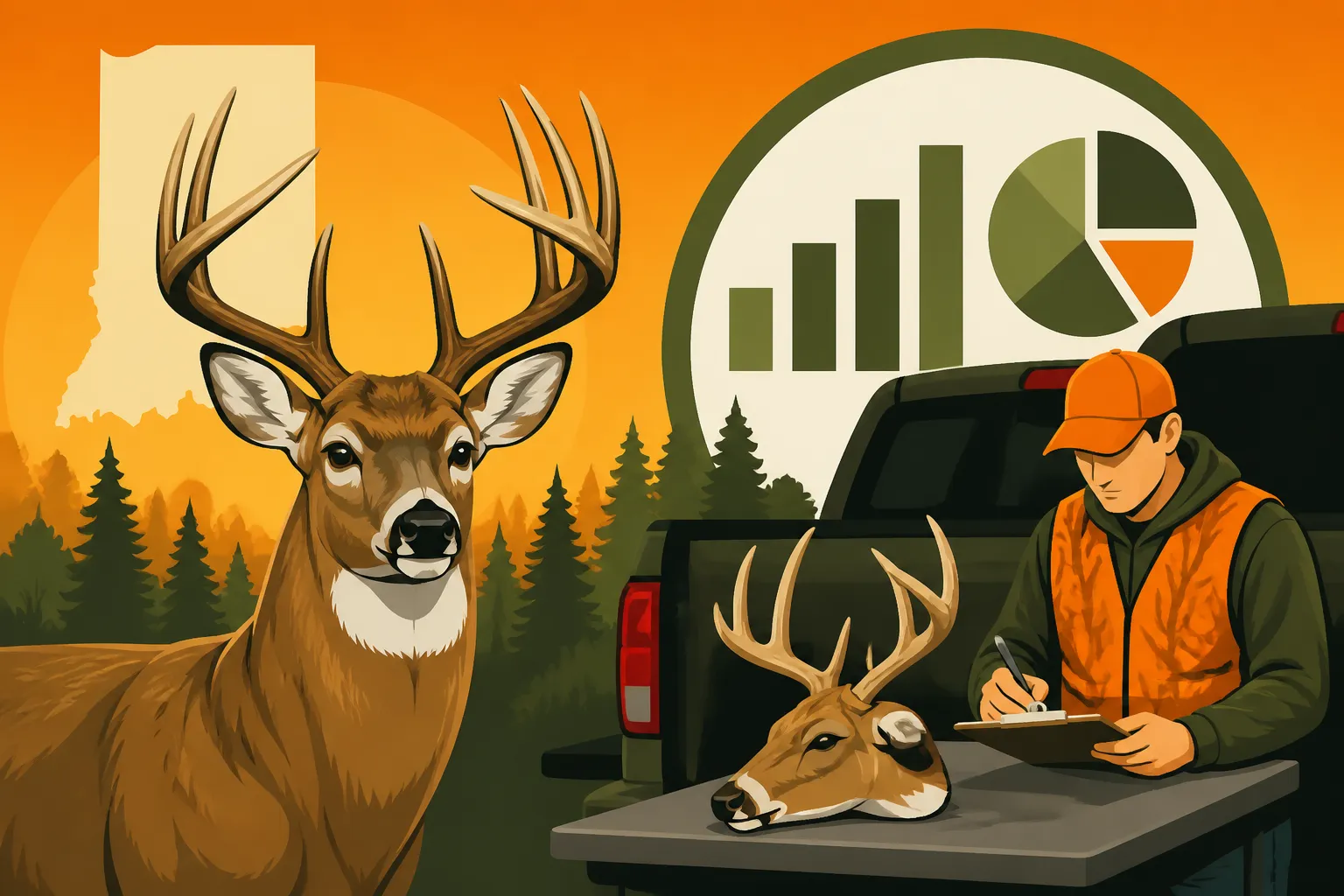
Unlike deer harvested on private land where reporting is often done online or via an app, many FWA hunts have a more hands-on approach. Hunters participating in managed hunts, quota hunts, or even general season hunts on these specific properties are typically required to check their deer in person at designated stations. This isn't just a formality; it's a direct data gathering opportunity for the Indiana Department of Natural Resources (DNR).
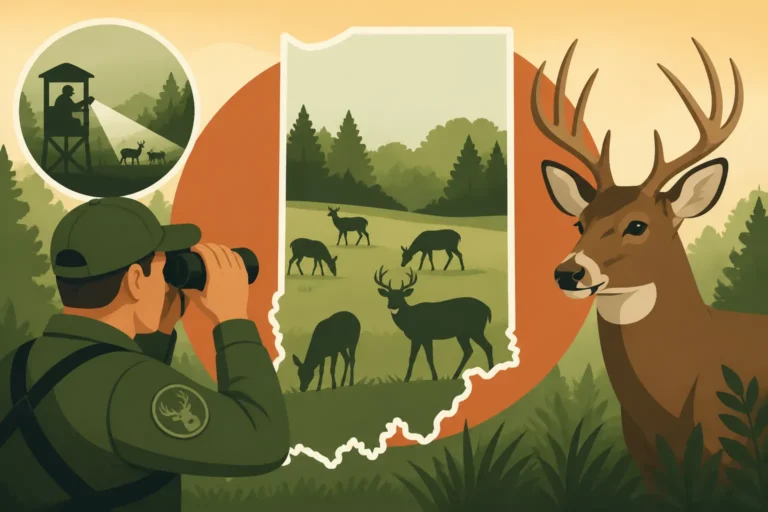
At these check stations, DNR staff or volunteers gather a wealth of information. They'll record the date of harvest, the specific area within the FWA where the deer was taken, and the hunter's permit information. But they go deeper: they'll often collect the sex of the deer, age it by tooth wear, measure antler points and spread (for bucks), and sometimes even take a weight. This meticulous process provides detailed, on-the-ground data points that simply aren't captured with the general online reporting system. Think of it as a detailed health report for the deer in that particular FWA. It’s an invaluable service, even if it adds a few extra steps to your successful hunt.
Why This Data Matters to the DNR and You
For the DNR, this data is gold. It allows them to fine-tune management strategies for individual FWAs, which often have unique habitat conditions, hunting pressure, and population goals. They can see if antlerless harvest goals are being met, if buck age structure is healthy, or if there are any emerging health concerns within a specific FWA deer herd. It helps them make informed decisions about future hunt quotas, season lengths, and habitat improvements.
For us, the hunters, this data offers practical insights. Are you planning on applying for a quota hunt at Glendale FWA? Looking at past check station data can tell you the success rates for that specific FWA, whether it's known for mature bucks or primarily antlerless harvest, and even the busiest hunting periods. It helps you understand what to expect and whether your hunting goals align with what that particular FWA typically offers. It’s like getting a scouting report straight from the source. You can also compare this FWA-specific data to broader trends you might see in the Indiana Annual Deer Harvest reports, giving you a fuller picture.
Interpreting the Numbers: What Does It Really Tell You?
Just looking at raw numbers, like "500 deer harvested," doesn't tell the whole story. To truly leverage FWA check station data, you need to dig a little deeper and understand the context. These numbers aren't always a direct mirror of what's happening on your cousin's back forty in rural Indiana. They reflect the unique environment and management strategies of specific wildlife areas.
Beyond Just Harvest Totals
The total number of deer harvested is a starting point, but it's crucial to look beyond that singular figure. Think about the following:
- Buck-to-Doe Ratio: If an FWA consistently shows a high percentage of antlerless deer harvested compared to bucks, it often indicates a focused effort on population control, especially if it's a deer reduction zone. Conversely, a good proportion of mature bucks suggests a healthy age structure and potentially more opportunities for trophy hunters.
- Age Structure: The age of harvested bucks can be particularly telling. If most bucks are young (1.5 years old), it suggests high hunting pressure and that bucks aren't living long enough to reach their full potential. If there's a good mix of 2.5, 3.5, and even older bucks, that's a sign of quality deer management and potentially a better place to target mature animals.
- Antler Quality: While not always explicitly reported in raw data, FWA summaries might highlight average antler points or spreads. This correlates with age and nutrition, giving you another clue about the health and potential of the deer in that area.
- Success Rates: This is a big one for many hunters. What percentage of hunters who participated actually harvested a deer? A higher success rate might indicate a denser deer population or more accessible hunting conditions, while a lower one could mean more challenging hunting, higher pressure, or a more selective herd.
It's also important to remember that these areas are often intensely managed. The data from Tri-County Fish and Wildlife Area or Atterbury Fish and Wildlife Area might look very different from statewide averages because they're designed to serve specific public hunting purposes, which could include offering high-volume antlerless opportunities or specific youth hunts.
Limitations and Caveats
Here's the honest truth: FWA check station data is incredibly valuable for that specific FWA, but it's not always universally applicable to all Indiana hunting.
- Hunting Pressure: Many FWAs, especially those near larger population centers, experience immense hunting pressure. This pressure can significantly impact deer behavior and harvest patterns. Deer on heavily hunted public land are often more nocturnal and wary than those on vast private tracts with minimal pressure. So, don't assume the same tactics will work everywhere. You might need different strategies if you're Hunting Pressure on Indiana Public Land versus a quiet private woodlot.
- Managed Hunts: A large portion of FWA deer harvest comes from managed hunts, including quota hunts or special archery seasons. These hunts often have specific rules, such as antlerless-only days or limited participant numbers, which can skew the data compared to general season hunting elsewhere. The results reflect the success of that specific managed hunt structure, not necessarily the overall deer population density.
- Habitat Differences: Each FWA has unique habitat. A marshy FWA will have different deer dynamics than a predominantly timbered one. The data reflects deer interacting with those specific habitat types, not a generic "Indiana deer." For instance, deer in the hills of Hoosier National Forest Hunting will behave differently and present different hunting challenges than those in flat, agricultural Hunting Northern Indiana Farmland.
Therefore, while you should absolutely use this data to inform your FWA hunt plans, be cautious about extrapolating it directly to all other hunting scenarios in Indiana. It’s a piece of the puzzle, not the whole picture.
How to Use FWA Check Station Data to Your Advantage
Now that we understand what this data is and its limitations, let's talk about how to actually put it to work for your next hunting adventure. This isn't just information for the DNR; it's a tool for smarter, more successful hunting.
Scouting and Strategy
Good scouting starts long before you ever step foot in the woods, and FWA check station data can be a fantastic "virtual scouting" tool.
- Identify Hot Spots Within FWAs: Some FWAs are massive, covering thousands of acres. By looking at historical harvest data, you might notice certain sections or units within an FWA consistently produce more deer, or more quality deer. This doesn't mean you ignore other areas, but it can help you prioritize your initial boots-on-the-ground scouting efforts. If Unit C at a particular FWA always has a higher percentage of 3.5-year-old bucks, that's where you might want to spend more time Scouting Indiana Public Land Before Season.
- Understand Timing: Does a specific FWA see its highest harvest numbers during the first week of archery season, or do things really pick up during the managed firearms hunts in November? This can help you decide when to apply for permits or when to dedicate your time to hunting a particular area. If you're planning for Hunting Indiana's Long Archery Season, knowing which FWAs have better early-season success might influence your choice.
- Gauge Hunting Pressure Impact: If you see high harvest numbers but consistently young buck age structures, it might indicate very heavy pressure. This tells you that you'll likely need to hunt smarter, perhaps by going deeper into overlooked areas, focusing on midday movement, or altering your entry and exit routes to avoid disturbing deer. Or, it might tell you to adjust your expectations for shooting a mature buck in that specific FWA.
Remember, deer on public land are often educated. Knowing what past pressure has done to them, gleaned from this data, can give you a significant edge.
Planning Your Hunt
This data isn't just for looking back; it's for planning forward. Whether you're applying for a specific draw or just showing up for a general hunting opportunity, the check station data can guide your decisions.
- Quota Hunt Applications: If you're considering applying for one of Indiana's popular FWA quota hunts, review the success rates from previous years. Some hunts have incredibly low success rates, meaning you might be better off saving your energy for another opportunity unless you're exceptionally dedicated or just enjoy the experience. Others might consistently offer higher chances of success, making them a better bet. You can use tools like GoHunt to sift through historical data for specific FWAs, making it easier to compare and strategize your applications.
- Targeting Species: Some FWAs might be renowned for deer, while others have specific managed turkey hunts that show up in broader FWA reporting. If you're after a particular species, the harvest data can confirm if that FWA is a good choice. While the focus here is deer, understanding the broader picture of FWA management can be beneficial.
- License and Permit Strategy: Understanding the typical harvest at different FWAs, especially concerning antlerless tags, can inform your Indiana Hunting Licenses and What They Cost strategy. If an FWA consistently needs more antlerless harvest, it might be a good place to fill those bonus tags.
- Gear Considerations: If the data suggests deep timber hunting, you might pack different gear than if you were expecting more open field edges. This can influence everything from your choice of optics to your pack size.
Here's a simplified look at how FWA data might present itself and what you could infer:
| FWA Name | Year | Total Harvest | Bucks Harvested | Does Harvested | Average Buck Age | Hunter Success Rate | Key Takeaway (Hypothetical) |
|---|---|---|---|---|---|---|---|
| Atterbury FWA | 2022 | 185 | 60 | 125 | 2.5 years | 18% | Good antlerless opps; bucks are younger, high pressure likely. |
| Glendale FWA | 2022 | 110 | 45 | 65 | 3.5 years | 22% | Balanced harvest, good buck age structure, decent success. |
| Willow Slough | 2022 | 75 | 20 | 55 | 2.0 years | 12% | Lower success, very high antlerless focus, young bucks. |
This kind of table, when you can find it for your target FWA, allows for quick comparisons and strategic thinking.
Where to Find This Valuable Data
Knowing this data exists is one thing; knowing where to consistently find it can sometimes feel like hunting for a needle in a haystack. But with a little persistence, you can unearth a treasure trove of information that will sharpen your FWA hunting strategy.
Official DNR Sources
The primary source for all Indiana hunting data, including FWA specific harvest numbers, will always be the Indiana DNR.
- Indiana DNR Website: The official DNR website is your first stop. Look for sections related to "Wildlife Areas," "Hunting & Trapping," or "Deer Management." They often publish annual harvest summaries or specific reports for individual FWAs, especially for their managed hunts. These reports might be under a dedicated "reports and statistics" section. Sometimes it's buried in a PDF, but it's usually there if you dig a bit.
- Annual Harvest Reports: The DNR typically releases comprehensive annual harvest reports. While these usually cover statewide data in great detail, they often include specific breakdowns for public lands like FWAs or State Forests. Keep an eye out for these around late spring or early summer after the deer season has concluded. These often compile data for all species, so you might even pick up information relevant to Squirrel and Small Game Hunting in Indiana or Spring Turkey Hunting in Indiana.
- FWA Specific Pages: Many of the larger Indiana Fish and Wildlife Areas have their own dedicated pages on the DNR website. These pages are invaluable for specifics like hunting dates, rules, and sometimes, direct links to their past harvest results. Always check the page for the specific FWA you're interested in, such as Winamac Fish and Wildlife Area or J.E. Roush Fish and Wildlife Area.
Unofficial Resources and Community Insights
Beyond the official channels, the hunting community itself can be a great resource, especially for discussions and interpretations of this data.
- Online Hunting Forums and Groups: There are numerous Indiana-specific hunting forums and social media groups where hunters discuss FWA experiences, share insights, and sometimes even post links to or discussions about harvest data. While you need to vet information from these sources carefully, they can offer anecdotal evidence and help you connect with other hunters who have experience in the FWAs you're targeting.
- Mapping Applications and Data Aggregators: Some advanced mapping applications or hunting platforms might integrate or link to public land harvest data. While I can't speak to specific current integrations, services that aim to provide comprehensive hunting information often try to consolidate public data. Always check their specific data sources to ensure accuracy. This is where a tool like GoHunt might come in handy for streamlining the search for and analysis of this data, potentially saving you a lot of time sifting through various DNR pages.
- Local Bait Shops and Sporting Goods Stores: Don't underestimate the power of local knowledge! The folks who work at bait shops and sporting goods stores near FWAs often have their ear to the ground. While they might not provide hard data, they can offer insights into recent trends, successful areas, and general hunting conditions, which can complement the official numbers.
By combining the precise figures from official DNR reports with the practical wisdom of the hunting community, you can build a robust understanding of Indiana Wildlife Area deer check station data and truly make it work for you. Utilizing this information will help you be more effective whether you're targeting Hunting a Deer Reduction Zone or trying to get your first deer on public land.
Disclaimer
This article is for general informational purposes only and does not constitute professional advice. Laws, prices and regulations vary by location and change over time. Consult a qualified professional for guidance on your specific situation.