Indiana Deer Weight Averages by Region
Many Hoosier hunters, especially those new to different parts of our beautiful state, often wonder if the deer they see in the northern cornfields truly weigh more than the ones roaming the southern hills. It's a common question, and yes, there are noticeable differences. This guide will dive deep into the fascinating world of Indiana deer weight averages, breaking down what influences these figures across our varied landscapes and what it means for you, the hunter.
The Tale of Two Indianas: Regional Weight Differences
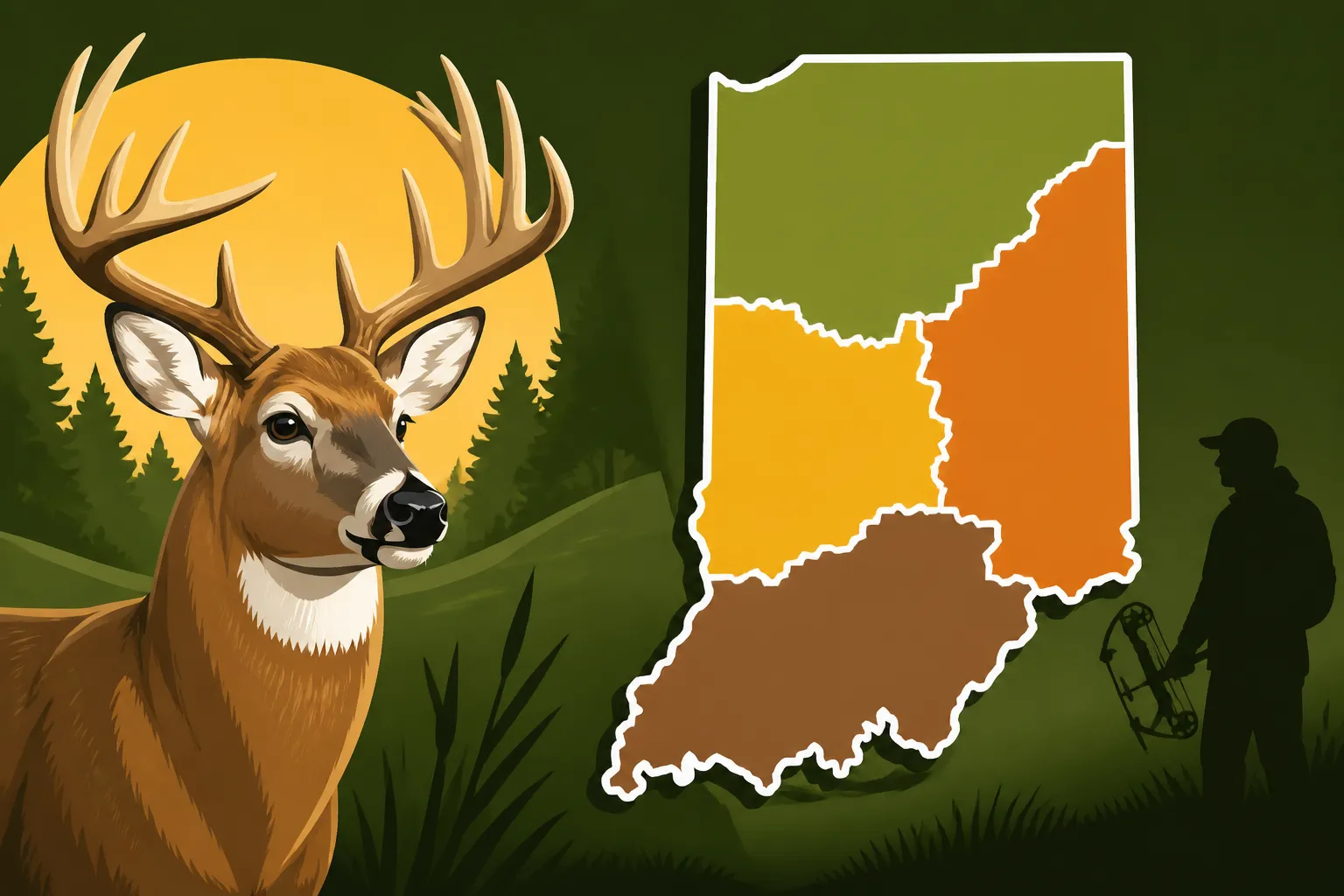
Indiana is a diverse state, from the flat, fertile farmlands of the north to the rugged, forested hills of the south. These geographical differences aren't just pretty scenery; they directly impact the diet, health, and ultimately, the average weight of the white-tailed deer herds in each region. It’s like comparing a bodybuilder to a marathon runner—both are robust, but built for different environments.
Northern Farmland Deer: The Corn-Fed Giants
Up in the northern and central parts of Indiana, you're looking at a landscape dominated by agriculture. Miles of corn and soybean fields provide an almost endless buffet for deer, especially during the fall and early winter. This abundance of high-protein, high-calorie food source has a profound effect on deer body mass. Think about it: a deer in a soybean field is basically eating a protein shake all day, every day.
Because of this incredible nutrition, deer in these regions often exhibit higher average live weights, particularly the bucks. They can pack on significant muscle and fat, leading to impressive field-dressed weights. While deer densities can be high, and hunting pressure sometimes intense, the sheer quality of the forage allows individual deer to reach their genetic potential more consistently. This means you might encounter younger bucks that still carry more weight than an older buck from a more nutritionally sparse area. When you're Hunting Northern Indiana Farmland Deer, you're often targeting deer that have lived a life of relative luxury, nutritionally speaking. It's not uncommon to hear tales of massive-bodied bucks being taken from these agricultural strongholds.
Southern Hill Country Deer: Lean and Hardy Navigators
Venture south of Indianapolis, and the landscape shifts dramatically. Rolling hills, dense forests, and less widespread agriculture define this region. Here, deer rely more heavily on natural browse, acorns, and other mast crops found in the woods. While there are still agricultural pockets, they aren't as prevalent or as concentrated as in the north. This dietary difference means that deer in the southern hill country, particularly areas like the Hoosier National Forest, often have a leaner build.
These deer are survivors, navigating tougher terrain and relying on what nature provides. They might be older, having eluded hunters for more seasons, but their average weight might be slightly lower than their northern counterparts due to a less calorie-dense diet. It’s not that they’re unhealthy; they’re just built differently. An old monarch buck from Brown County might have a smaller frame but a lifetime of wisdom. Hunters who spend their time Still-Hunting Southern Indiana Ridges know that these deer are often hard-earned, and their leanness reflects their active lives in rugged country. The meat, many argue, is often leaner and exceptionally flavorful due to their natural diet.
What Factors Influence Deer Weight?
Beyond the broad strokes of regional geography, several specific factors play a crucial role in determining how much an individual deer weighs. Understanding these can help you better assess the deer you encounter and appreciate the complexities of our wild herds.
Age, Genetics, and Sex
These are perhaps the most straightforward factors. Simply put, older deer generally weigh more than younger deer. Just like humans, deer grow throughout their lives, adding mass each year until they reach maturity. A 1.5-year-old buck is still growing, while a 4.5-year-old buck is likely near its peak weight. Doe weight also increases with age, though their peak is typically reached earlier than bucks.
Genetics, though harder to observe directly, are also at play. Some deer simply have the genetic predisposition to grow larger than others, even with the same diet. This is why you'll occasionally hear of an exceptionally large deer for its age or region; it won the genetic lottery. Sex is another obvious one; mature bucks are almost always heavier than mature does, especially during and after the rut when they've packed on muscle and fat. However, a large, older doe can sometimes rival a young buck in terms of weight, especially if she's carrying fawns.
Nutrition and Habitat Quality
This is arguably the most significant factor after age. The quality and abundance of food sources directly impact a deer's ability to gain weight and express its genetic potential. In areas with rich agricultural crops like corn and soybeans, deer have access to high-energy, high-protein diets year-round. This leads to faster growth rates and heavier average weights. Consider a deer living on the edge of a massive cornfield compared to one deep within a state forest where acorns are the primary mast crop.
A good mast crop year, particularly for acorns in the south, can significantly boost deer health and weight going into winter. Conversely, Hunting After a Poor Acorn Year can mean deer are going into winter with less fat reserves, impacting their survival and subsequent body weight. Habitat quality isn't just about food; it's also about cover, water, and low stress. Areas with ample cover and less disturbance allow deer to feed and rest undisturbed, conserving energy that would otherwise be spent on evasion, further contributing to higher weights. Hunters using mapping tools like GoHunt often prioritize scouting areas with diverse food sources and thick cover.
Population Density and Disease
An overcrowded deer population can lead to smaller deer, even in areas with decent nutrition. When there are too many deer competing for the same limited food resources, each individual deer gets less, resulting in stunted growth and lower body weights. This is why wildlife managers often implement special antlerless harvest opportunities, like those in Hunting a Deer Reduction Zone, to keep populations in balance with the habitat.
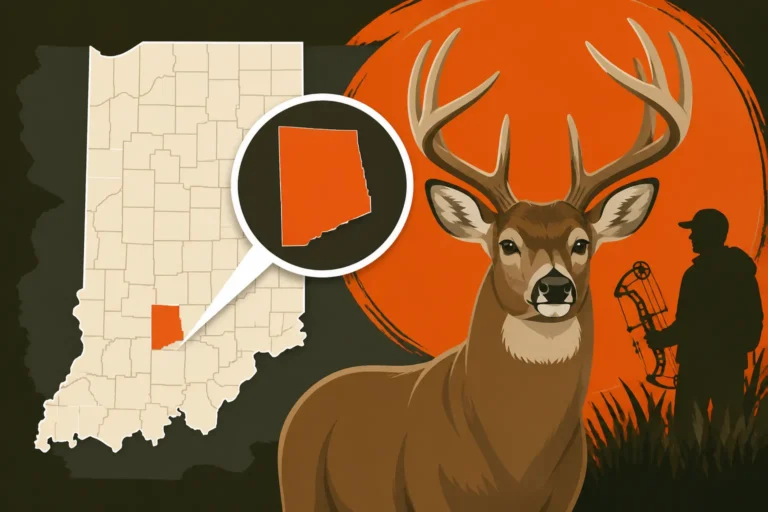
Disease can also take a heavy toll. Chronic Wasting Disease in Indiana Deer, for instance, has been detected in parts of the state, notably in Noble County and surrounding areas. This fatal neurological disease can cause significant weight loss and debilitation in infected deer. Even sub-lethal conditions or parasites can reduce a deer's overall health and prevent it from reaching its full weight potential. Understanding the health of the local herd, often gleaned from DNR reports or local hunter observations, can give you insights into the deer's potential size. The Indiana CWD Prevalence in the Positive Area is a critical piece of information for hunters in those regions.
Practical Implications for Hunters
Knowing the average deer weights by region and the factors that influence them isn't just for curiosity; it has real, practical implications for your hunting strategy, preparation, and even post-harvest activities.
Estimating Meat Yield and Processing
For most hunters, venison is a primary motivator. A heavier live weight naturally translates to more meat for the freezer. While exact yield varies based on factors like bullet placement, field dressing efficiency, and butchering style, generally, you can expect around 30-40% of the live weight to be usable boneless meat. This means a 180-pound northern buck could yield significantly more venison than a 130-pound southern buck, even if both are mature.
When you're out there, having an idea of typical regional weights helps you manage expectations for your harvest. If you drop a mature buck in a prime corn-belt county, be prepared for a substantial animal to handle. This also influences your processing plans; a larger deer might take more time to butcher or require more cooler space. Butchering a Deer at Camp becomes a bigger project when the deer is pushing 200 pounds!
Tracking and Recovery Challenges
Heavier deer, especially bucks, often have more robust skeletal structures and can sometimes carry a hit further than a smaller, lighter deer. While shot placement is always paramount, understanding the sheer mass you're dealing with can inform your approach to tracking. A deer that weighs 200 pounds creates a different blood trail and leaves different sign than one half its size.
Furthermore, getting a heavier deer out of the woods presents a greater physical challenge. In the rolling hills of Southern Indiana, even a modest-sized buck can be a struggle to drag out. If you're successful in the northern farmlands, where deer might be considerably heavier, you need to be prepared with the right equipment and a recovery plan. This could mean having a sturdy deer cart, a Deer Sleds for Snow Country for winter hunts, or enough friends to help with the extraction. Checking terrain features on apps like GoHunt before the hunt can help you plan your retrieval routes.
Gear and Strategy Adjustments
Your gear choices, from rifles to stands, can subtly be influenced by the anticipated size of the deer. While any legal firearm will take an Indiana deer, knowing you're potentially dealing with a heavier-bodied animal might influence cartridge choice for some, ensuring enough kinetic energy transfer for a clean, quick harvest. Sighting In a Centerfire Rifle for Indiana Woods at various ranges is always smart, but understanding the typical body size in your hunting area can help you visualize shot placement better.
Moreover, if you're hunting particularly large deer, thinking about recovery means planning your entry and exit routes carefully. Heavy deer can be tough to drag through thick underbrush or across steep ravines. Scouting Indiana Public Land Before Season becomes even more critical, often using aerial maps and topo features on GoHunt to identify easier extraction paths. Similarly, when setting up a treestand, considering the angle for a shot on a potentially wider-bodied animal can be beneficial.
Here's a quick comparison of general regional deer characteristics in Indiana:
| Feature | Northern Farmland Region | Southern Hill Country Region |
|---|---|---|
| Primary Food Sources | Corn, soybeans, alfalfa, lush pasture, some natural browse | Acorns, various natural browse, forest understory plants |
| Average Buck Live Weight | Often 160-200+ lbs (mature) | Often 130-170 lbs (mature) |
| Average Doe Live Weight | Often 100-140+ lbs (mature) | Often 90-120 lbs (mature) |
| Typical Age Structure | Can be younger due to higher harvest rates, but great nutrition allows younger bucks to grow quickly | Can have older age classes due to tougher terrain, more pressure avoidance |
| General Body Condition | Typically robust, often with significant fat reserves going into winter | Leaner, more muscular build, lower fat reserves usually |
| Recovery Challenge | Weight and distance across flat fields | Steep terrain, thick cover, sometimes moderate weight |
Ultimately, no matter where you hunt in Indiana, a successful harvest is a rewarding experience. Understanding these regional differences in deer weight only adds another layer to our appreciation for the diverse wildlife we have in the Hoosier State. It's a testament to how adaptable and resilient white-tailed deer are, thriving in such varied environments across our home.
Disclaimer
This article is for general informational purposes only and does not constitute professional advice. Laws, prices and regulations vary by location and change over time. Consult a qualified professional for guidance on your specific situation.