Getting Private Land Permission in Indiana
Ah, the quest for private land permission in Indiana. It's a tale as old as time for hunters in the Hoosier state, and let's be honest, it often feels like trying to find a needle in a haystack – or perhaps, a monster buck in a soybean field with a "No Trespassing" sign looming large. Public land can be a fantastic resource, but the crowds, the pressure, and the sheer challenge of consistently finding undisturbed game can wear on even the most dedicated hunter. This comprehensive guide is all about demystifying the process of securing private land access, helping you navigate the legalities, master the art of the ask, and build relationships that could lead to incredible hunting opportunities for years to come.
The Allure of Private Land Hunting in Indiana
Let's face it, there's a certain romanticism to hunting private land. It's not just about bigger bucks or more turkeys; it's about the potential for a more intimate, less pressured experience. When you've spent countless hours in the woods, bumping into other hunters every time you find a fresh set of tracks, the thought of having a piece of ground all to yourself is incredibly appealing.
Escaping the Crowds and Pressure
If you've ever tried to hunt public land during the Indiana Firearms Season Dates or even the early archery opener, you know the drill. Trucks lined up along the road, blaze orange dots visible through the timber, and the constant worry that someone else is working the same funnel or food source you've painstakingly scouted. This constant pressure doesn't just impact your hunting enjoyment; it changes deer movement, makes turkeys more cagey, and generally ratchets up the difficulty. On private land, you can often escape this. You know who's on the property (or, ideally, that no one else is), and you can hunt with a level of peace and strategic control that's hard to replicate on state or federal ground. It's the difference between a crowded public park and your own secluded backyard.
Imagine the frustration of meticulously Scouting Indiana Public Land Before Season, marking a promising rub line, only to arrive on opening day and find another hunter's stand already hanging exactly where you planned to be. That kind of disappointment is a common driver for hunters to seek private alternatives. The ability to dictate who hunts where, and when, is a huge draw for private land, allowing for more consistent, less interrupted hunting experiences.
Quality Over Quantity for Game Opportunities
While Indiana has a robust deer herd, and public land certainly holds its share of trophies, private land often offers the best opportunities for quality animals. This isn't always because the genetics are better, but often because private land, particularly well-managed parcels, provides consistent food sources, sanctuary, and reduced hunting pressure. Deer, turkeys, and other game animals will often gravitate towards properties where they feel safe and have reliable access to nutrition. Farmers, for instance, often deal with crop damage from deer, which can make them more amenable to granting hunting access to reduce herd numbers. This creates a win-win: the hunter gets access to unpressured game, and the landowner gets help managing wildlife that might otherwise be a nuisance.
Consider a mature buck that has learned to avoid public land during daylight hours. He might spend his days bedded deep in a private woodlot, only venturing out after dark on neighboring public parcels. Gaining access to that private sanctuary can put you in a prime position to intercept him. It's about finding those places where deer feel secure enough to live out their lives and express their full potential, rather than constantly being pushed and harried.
Customizing Your Experience and Habitat
One of the biggest advantages of private land is the ability to truly customize your hunting experience. On public ground, you're often limited in what you can do – no food plots, strict rules on stand placement, and sometimes even trail camera restrictions. On private land, with the landowner's permission, you might be able to plant a small food plot, clear shooting lanes, or even engage in habitat improvement projects that benefit both the game and the land. This level of involvement deepens your connection to the property and directly impacts your hunting success.
Think about being able to strategically place a ground blind or hang a stand exactly where you want it, rather than being confined to the few spots that meet public land regulations. Or, imagine working with a landowner to establish a small clover plot in a hidden corner, knowing that the deer will be using it unmolested. This active participation in shaping the hunting environment can be incredibly rewarding and directly contributes to creating those "honey hole" spots we all dream about. It's about more than just pulling a trigger; it's about stewardship and active management.
Navigating Indiana's Trespass and Permission Laws
Before you even think about knocking on a door, it's absolutely crucial to understand the legal framework surrounding private land access in Indiana. Ignorance of the law is never an excuse, and a misstep here can quickly sour any potential relationship or, worse, land you in legal trouble. Indiana's laws are generally clear, but they do require your attention to detail.
Understanding Express vs. Implied Permission
In Indiana, it's generally understood that you need permission to be on private land for hunting or any other purpose. This permission can be "express" or "implied," but it's important to understand the difference and why "express" is always the safest bet.
- Express Permission: This is direct, clear, and unmistakable permission from the landowner (or someone legally authorized to act on their behalf). It can be verbal, but ideally, it's written. An example would be the landowner explicitly saying, "Yes, you can hunt my back forty this deer season," or even better, signing a simple permission slip. This leaves no room for doubt or misinterpretation.
- Implied Permission: This is where things get murky. Implied permission might arise from a long-standing pattern of behavior (e.g., you've always hunted a certain property, and the owner has never objected, or even waved to you). However, this is extremely risky for hunters. A landowner's tolerance for you being on their land without explicit permission can change instantly, and what you perceive as implied permission, a court might see as clear trespassing. Never rely on implied permission for hunting.
To avoid any confusion or legal issues, always seek out Do You Need Written Permission in Indiana? before setting foot on private ground. This simple step can save a world of trouble and builds a solid foundation of trust with the landowner.
The Importance of Written Permission
While verbal permission is legally binding in Indiana, written permission is your best friend. It eliminates any "he said, she said" scenarios, provides clear boundaries, specifies dates, and protects both you and the landowner. A simple signed note, an email exchange, or a formal permission form can make all the difference. This documentation clarifies the scope of your permission: what game you can hunt, what weapons you can use, specific areas of the property you can access, and any other conditions the landowner might have. Without it, misunderstandings are inevitable, and disputes can escalate quickly.
Imagine a scenario where a landowner passes away, and their heirs are suddenly in charge of the property. If your permission was only verbal, the new owners might have no knowledge of your arrangement and could view you as a trespasser. A written document, however, serves as proof and helps maintain continuity. Always assume that conditions might change, and a written record is your safeguard. It demonstrates your professionalism and respect for the landowner's property rights.
Retrieving Game from Private Land
This is a common, often contentious, issue that every hunter needs to understand. What happens if you shoot a deer on public land, and it crosses onto private property where you don't have permission? Or vice-versa? In Indiana, the general rule is that while you own the game you legally harvest, you do not have the right to trespass on private land to retrieve it without permission. This can be incredibly frustrating after a long blood trail, but the law is clear: you must obtain permission from the landowner before entering their property, even if it's just to retrieve your animal.
Approaching a landowner under these stressful circumstances – after you've shot an animal that has run onto their land – requires immense tact and respect. It's not the ideal "first impression." This is another reason why building relationships before the season, even if it's just getting permission to retrieve game, can be invaluable. If you find yourself in this situation, approach the landowner calmly, explain what happened, and respectfully ask for permission to retrieve your game. Offer to show them the animal, explain your intentions, and assure them you'll leave no trace. Be prepared for a "no" answer, as frustrating as it might be. This is a critical aspect of Indiana Trespass and Permission Law.
The Art of the Ask: Approaching Landowners
So, you've identified a promising piece of private ground. Now comes the hard part: making the approach. This isn't just about asking for access; it's about making a positive first impression, demonstrating respect, and starting a conversation that could lead to a lasting hunting opportunity. This step often feels daunting, but with the right preparation and mindset, you can significantly increase your chances of success.
Researching the Property and Owner
Before you even think about knocking on a door or making a call, do your homework. Nothing makes a better impression than demonstrating you've taken the time to understand the property and, if possible, the owner's situation. Start by using digital mapping tools like onX Hunt. This incredible app can show you property lines, landowner names, and even contact information in many cases. Knowing the owner's name when you introduce yourself is a huge step up from "Hey, owner of this place." You can also often discern if it's an active farm, a timber parcel, or a residential property, which can inform your approach.
Beyond digital maps, look for clues on the property itself. Are there "No Trespassing" signs already posted? If so, your approach needs to be even more humble and respectful. Are there signs of livestock, crops, or recent timber work? Understanding what the land is used for can help you tailor your pitch. Knowing the property's primary use can also help you anticipate potential concerns the landowner might have about hunters. For example, a crop farmer will likely be concerned about crop damage, whereas a timber owner might be concerned about road damage or fire risk. This research is a critical first step in Knocking on Doors in Indiana Farm Country.
First Impressions Matter: Being Respectful and Professional
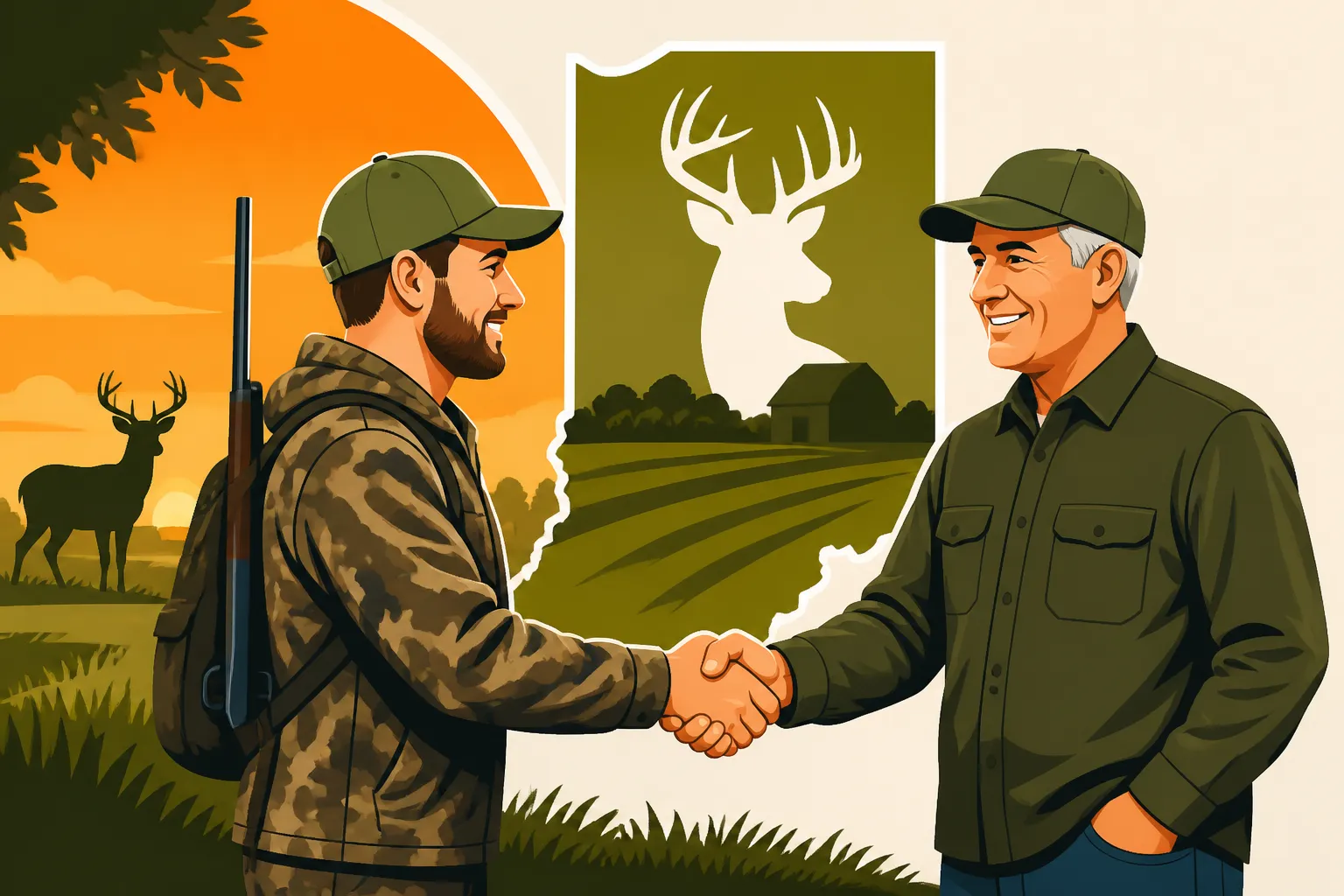
When you finally make contact, whether in person or over the phone, your first impression is everything. Dress neatly and conservatively – leave the camo at home for this initial meeting. Be polite, articulate, and confident, but not arrogant. Introduce yourself clearly, state your purpose, and immediately convey your respect for their property and their time. Offer a firm handshake if meeting in person, make eye contact, and be a good listener. Landowners are often bombarded with requests, so differentiate yourself by being genuinely respectful and professional.
Avoid showing up unannounced at odd hours. Weekends or evenings when folks are typically home and not busy with farm work are usually best, but be prepared for them to be busy. If they are, simply offer to come back at a more convenient time. Remember, you are a guest in their space, and your demeanor speaks volumes about the kind of hunter you are. Being clean-cut and courteous can go a long way in swaying an opinion in your favor.
What to Say and What Not to Say: Crafting Your Pitch
Your "pitch" shouldn't be a sales presentation; it should be an honest, respectful request that highlights potential benefits to the landowner and minimizes perceived risks. Start by clearly stating who you are and why you're there. "Hello, Mr./Ms. [Landowner Name], my name is [Your Name], and I live nearby. I've noticed you have a lovely piece of property here, and I was wondering if you ever allow respectful hunters to access it for deer season."
What to Emphasize:
- Safety: Highlight your commitment to safety, knowing property lines, and always hunting ethically.
- Respect: Assure them you will treat their land as if it were your own, leaving no trash, closing gates, and avoiding any damage.
- Deer Management: Frame your request around helping them manage their deer population, especially if you know they have crop damage or a high deer density.
- Limited Impact: Explain you're looking for personal hunting access, not bringing a party of hunters.
- Offering Help: Suggest ways you can help them beyond hunting (more on this later).
What to Avoid:
- Entitlement: Never act like they owe you access or that you have a right to hunt their land.
- Demands or Assumptions: Don't assume they will say yes, or that you can dictate terms.
- Bragging: Avoid talking about your trophy kills or your hunting prowess; focus on respect and responsibility.
- Pressuring: If they say no, accept it gracefully and thank them for their time. You might leave the door open for a future request.
- Specific harvest numbers: Don't promise to kill X number of deer. Focus on the effort to help.
Focus on building rapport and trust, not just getting a "yes." Sometimes the initial answer is no, but a polite, professional interaction can still lead to an opportunity down the road.
Building Trust and Long-Term Relationships
Getting permission once is great, but getting it year after year, or even building a relationship where you become a trusted steward of their land, is the ultimate goal. This requires a commitment to going above and beyond and proving yourself to be reliable, trustworthy, and genuinely helpful. This isn't just about hunting; it's about being a good neighbor.
Starting Small: Asking for Shed Hunting or Scouting
Sometimes, a direct request for full hunting access right off the bat can be too much for a landowner who doesn't know you. A fantastic strategy is to "start small." Instead of asking to hunt deer during peak season, ask for permission to scout their property in the off-season, or to look for shed antlers in late winter or early spring. This is a much lower-stakes request. It allows the landowner to see how you behave on their property, observe your respect for their land, and get to know you without the added pressure of live hunting.
During these initial scouting trips, be meticulous. Leave no trace, close every gate, report any issues you see (like downed fences or suspicious activity), and stick strictly to the terms of your permission. This builds a foundation of trust. If you prove yourself responsible during these "trial" periods, the landowner will be much more likely to grant you full hunting access later. It’s an excellent way to demonstrate your character and commitment before asking for more significant privileges.
Offering to Help: Farm Work, Property Maintenance
This is where you really start to shine as a potential asset to a landowner. Many rural landowners, especially older farmers, have a never-ending list of chores and tasks. Offering your time and labor, without expecting anything in return, can be an incredible way to earn goodwill and, eventually, hunting permission. This isn't about paying for access with cash; it's about paying with sweat equity and genuine helpfulness.
Think about what a landowner might need:
- Fence Mending: Fences are always breaking, especially with livestock.
- Brush Clearing: Cutting back overgrown fencerows or trails.
- Firewood Cutting: If they burn wood, a helping hand can be invaluable.
- Moving Firewood: Stacking it, splitting it, anything to make their life easier.
- Minor Repairs: Fixing a gate, a leaky spigot, or anything within your skill set.
- Farm Help: During planting or harvest, a few hours of labor can be a huge relief.
- Yard Work: Mowing, raking leaves, or other general yard maintenance.
When you offer help, be specific about what you can do and follow through. Don't promise more than you can deliver. A few hours of honest work can speak volumes about your character and your commitment to their property. This turns you from a "hunter" into a "friend" or a "helpful neighbor." This approach is particularly effective for Hunting Small Private Tracts in Indiana where landowners might just need a little extra help.
Consistency and Reliability: Being a Good Neighbor
Once you gain access, consistency and reliability are paramount to maintaining it. Don't just show up to hunt and disappear. Check in periodically, even if you're not hunting. Send a text, make a quick call, or stop by just to say hello and see if they need anything. If you agree to terms, stick to them. If you say you'll close a gate, close it every single time. If you say you'll only hunt a certain section, don't stray.
- Communicate Changes: If your plans change, or if you can't make it when you said you would, let them know.
- Report Problems: If you see anything unusual or problematic on their property (a downed tree, suspicious vehicle, sick animal), report it to them immediately. This shows you're looking out for their interests.
- Share Success: If you harvest an animal, let them know and thank them again. Offering to share some venison can also be a wonderful gesture of appreciation.
Being a consistent, reliable, and thoughtful presence on their land builds deep trust. They know they can count on you, and that peace of mind is invaluable to a landowner. This kind of relationship can often lead to long-term access, and even referrals to other landowners in the area.
Leveraging Technology to Identify Opportunities
In the digital age, finding private land and its owners has become significantly easier than just a few decades ago. While the personal touch remains crucial, technology can be your best friend in the initial phases of identifying potential hunting spots and the people to talk to. Gone are the days of only driving around and guessing.
Digital Mapping Tools: onX Hunt and Similar Apps
This is perhaps the single greatest technological leap for private land hunters. Apps like onX Hunt are indispensable. They overlay property lines, landowner names, and often even mailing addresses right onto a detailed topographic or aerial map on your phone or computer. You can literally be looking at a satellite image of a prime woodlot and instantly see who owns it. This takes all the guesswork out of finding the right person to ask. You can mark potential access points, identify natural funnels, and plan your approach before you ever leave your couch.
Beyond just property lines, these apps offer a wealth of information:
- Public vs. Private Overlay: Clearly delineates public hunting land from private.
- Topographic Maps: Show elevation changes, perfect for Wind and Thermals on a Southern Indiana Ridge scouting.
- Satellite Imagery: High-resolution views to identify cover, food sources, and travel corridors.
- Waypoints and Tracking: Mark stand locations, deer sign, and your own routes.
Before onX Hunt and similar tools, you'd have to visit a county recorder's office or pore over plat maps. Now, all that information is at your fingertips. It empowers you to be incredibly targeted in your approach, focusing your efforts on parcels that genuinely look promising for your hunting goals.
County GIS and Assessor Sites: Public Records
If you don't have a subscription to a dedicated hunting app, or if you need to double-check information, county GIS (Geographic Information System) and assessor's office websites are fantastic free resources. These public databases contain detailed property information, including owner names, legal descriptions, and sometimes even assessed values. You can typically search by address, parcel number, or even by zooming in on a map. While not as user-friendly as a hunting-specific app, they provide the underlying data.
Using these sites, you can:
- Verify Landowner Names: Essential for a respectful, personalized approach.
- Confirm Property Boundaries: Get precise legal descriptions.
- Look Up Contact Information: Sometimes phone numbers or mailing addresses are available (though often just the mailing address for tax purposes).
- Identify Adjoining Landowners: Useful if you gain permission to one parcel and want to expand your options.
It might take a little digging, but the information is there for the taking. This kind of due diligence shows you're serious and thorough, which can only help your case when you finally make contact with a landowner. For Reading Aerial Photos for Southern Indiana Deer or Reading a Ridge for Hoosier Forest Deer, these maps provide essential context.
Online Forums and Local Groups: Community Insights
While you'll never get permission directly from an online forum, these communities can be valuable sources of general information, local insights, and networking opportunities. Hunting forums specific to Indiana, or local Facebook groups for hunters in a particular county, can offer tips on what works in your area, common landowner concerns, or even leads on properties where deer reduction is welcome. Be careful about asking for specific property locations, as that's often frowned upon, but general advice is golden.
These platforms can also connect you with other hunters who might have experience Hunting a Deer Reduction Zone or who have successfully secured private land. They can offer advice on how they approached landowners, what they offered in return, and what pitfalls to avoid. You might even find opportunities to join a small hunting lease group or connect with someone looking for a hunting partner on a property they already have access to. While it's not a direct route to permission, it's a way to gather knowledge and build a network that can indirectly lead to opportunities. Some advanced platforms, like GoHunt, while primarily focused on western big game, also provide tools and communities that offer a broader perspective on hunting strategy and resource management, which can indirectly inform your approach to local opportunities.
Creating a Mutual Benefit for Landowners
The most successful private land permissions are not one-sided arrangements. They are partnerships where both the hunter and the landowner benefit. Your goal is to show the landowner that allowing you to hunt isn't just a favor to you, but a tangible benefit to them and their property. This shifts the dynamic from "asking for something" to "offering a solution."
Addressing Landowner Concerns: Crop Damage, Deer Management
Many landowners, especially farmers, have very real concerns about deer and other wildlife. Deer can cause significant crop damage, impacting their livelihood. Turkeys can sometimes depredate crops or feed in planted fields. If you approach a farmer, proactively addressing these issues can be a powerful opening. Offer to help manage their deer population, focusing on antlerless harvest if that's their primary concern. Explain how responsible hunting can alleviate their financial losses and maintain a healthier herd for everyone.
- Crop Protection: Discuss how strategic hunting can push deer away from vulnerable crops or reduce the number of deer feeding on them.
- Deer Reduction Tags: Offer to specifically focus on filling antlerless tags, especially if the property is in a Finding a Deer Reduction Zone Near You. This shows you're not just after a trophy, but genuinely want to help with population control.
- Transparency: Be open about your hunting goals and how they align with the landowner's needs. If they primarily want antlerless deer removed, make that your priority.
By positioning yourself as a solution to their problems, rather than just another person wanting to shoot a deer, you make your request far more compelling. This is about understanding their needs and showing how you can meet them.
Offering Services Beyond Hunting: Labor Exchange
We touched on this earlier, but it bears repeating: offering services is a cornerstone of a good private land relationship. Beyond immediate hunting access, demonstrating your willingness to help around the property creates immense value. This isn't just about initial gestures; it's about ongoing support. The value of reliable help for an aging farmer or a busy landowner cannot be overstated.
Consider offering:
- Security Checks: Offer to periodically drive through their property, especially when they're away, to report any suspicious activity or issues.
- Minor Maintenance: If you're handy, offer to fix things like gates, fences, or small structures.
- Spring Cleanup: Help with clearing winter debris, raking, or general yard work.
- Timber Stand Improvement: If you have the skills, help with cutting undesirable trees or clearing trails (with explicit permission and guidance).
This labor exchange transforms your relationship from a simple transaction to a mutually beneficial partnership. They gain an extra set of hands and eyes on their property, and you gain a trusted hunting spot. It's a testament to the fact that you value their land and their generosity.
Respecting the Land: Leave It Better Than You Found It
This should be a no-brainer, but it's astonishing how often hunters fail at this basic principle. When you are granted access, you are a steward of that land. Your actions directly reflect on the landowner and their decision to trust you. Always, always, always leave the property in better condition than you found it.
- No Litter: Pack out everything you pack in, and if you see any trash that isn't yours, pick it up.
- Gate Protocol: If a gate is closed, close it. If it's open, leave it open (unless otherwise instructed). Never assume.
- Trail Integrity: Stay on designated trails or access routes. Avoid creating new paths unless explicitly allowed.
- No Damage: Be mindful of crops, fences, and natural features. Don't cut trees, break branches, or drive off-road without permission.
- Clean Harvests: If you harvest an animal, field dress it discreetly and handle the remains respectfully. Consider a Field Dressing a Deer in Cold Weather strategy that minimizes mess.
A landowner who sees you consistently respecting their property will trust you implicitly. Conversely, even a single piece of litter or a forgotten gate can quickly erode that trust and cost you your permission. This is about demonstrating your character every single time you're on their property.
Sustaining Your Private Land Access
Getting permission is a huge victory, but keeping it year after year requires ongoing effort. Relationships, like hunting seasons, are dynamic. You can't just show up, hunt, and disappear until next year. Consistent communication, small gestures of appreciation, and a proactive approach to maintaining the relationship are vital.
Regular Communication and Updates
Don't let weeks or months go by without touching base. A simple text message during the off-season, an email checking in, or a quick phone call can do wonders. Ask how things are going on the farm, if they've seen much deer activity, or if they need any help with upcoming chores. Share interesting observations from your hunting, like "Saw a nice 8-point on the north end this morning, moving towards the river." This keeps you top-of-mind and shows you're still invested in their property, even when you're not actively hunting.
If you have specific questions or concerns, communicate them clearly and respectfully. For example, "I was thinking of hanging a trail camera in the back woodlot, would that be okay?" This proactive communication prevents misunderstandings and shows you respect their ownership. Remember, the relationship isn't just transactional; it's personal. Keeping the lines of communication open and friendly is a hallmark of any good relationship.
Gifting and Appreciation: Small Gestures
While you shouldn't feel obligated to constantly buy gifts, small, thoughtful gestures of appreciation can go a long way. This isn't about buying access, but about expressing genuine gratitude for their generosity. It could be a gift basket during the holidays, a gift certificate to a local restaurant, or even a nice cut of venison from an animal you harvested on their land.
The key is thoughtfulness. If you notice they enjoy a specific type of coffee or have a favorite local bakery, a gift tailored to their preferences will be more impactful than a generic store-bought item. A simple, heartfelt "Thank You" card can be surprisingly effective. These gestures reinforce the positive relationship and remind them that their generosity is truly appreciated. It also helps them see you as a considerate individual, not just a hunter looking for a place to chase game.
Avoiding Assumptions: Permission Is Not Permanent
Never, ever assume that because you had permission last year, you automatically have it this year. Always reconfirm your access before each hunting season, and ideally, before each visit. Circumstances change. Landowners sell property, they might have family members who want to hunt, or their opinions might shift. A quick phone call or in-person conversation to re-establish the terms for the upcoming season is always necessary. "Mr./Ms. Smith, I just wanted to reach out and see if it would still be okay for me to hunt your property for deer this fall, under the same terms as last year?"
This simple act demonstrates respect and prevents awkward situations. It also provides an opportunity for the landowner to update you on any new rules or changes to the property. Maintaining this dialogue ensures that your hunting experience remains positive and in line with their wishes. Remember, permission is a privilege, not a right, and it must be earned and re-earned through consistent good behavior and respectful interaction.
Common Pitfalls and How to Avoid Them
Even with the best intentions, it's easy to make mistakes that can jeopardize your private land access. Understanding these common pitfalls and actively working to avoid them is just as important as knowing how to get permission in the first place. A single misstep can undo years of relationship building.
Overstaying Your Welcome or Overhunting
One of the quickest ways to lose permission is to become a burden or to overhunt a property. A landowner might appreciate help with deer management, but they likely don't want you on their property every single day, or to feel like their land is being treated like a public hunting preserve. Be mindful of the frequency of your visits, especially outside of hunting season. During the season, try to space out your hunts to minimize pressure, both on the deer and on the landowner's peace of mind.
- Moderation is Key: If you're granted exclusive access, don't abuse it by hunting every morning and evening. This can drive deer off the property and make the landowner feel like you're taking advantage.
- Respect Their Privacy: Understand that the property is their home or livelihood. Don't show up unannounced when they have family visiting or are busy with other activities.
- Understand Their Goals: If they want two antlerless deer removed, don't shoot three without asking. Stick to the agreed-upon harvest limits.
This requires a delicate balance. You want to hunt effectively, but you also need to respect the property's primary purpose and the landowner's lifestyle. It's about Finding Ground That Sees Fewer Hunters by being that fewer hunter yourself.
Ignoring Rules or Causing Damage
This seems obvious, but it's a critical point. Every landowner will likely have specific rules, whether they're stated explicitly or implied by the way they manage their property. These could be about where you can park, what gates to close, which areas are off-limits, or even specific times of day you can access the property. Disregarding even a small rule can shatter trust.
- Ask Clarifying Questions: If you're unsure about a rule, ask! It's better to clarify than to make a mistake.
- Document Rules: If there are several rules, politely ask if you can jot them down so you remember.
- Report Accidents Immediately: If you accidentally cause any damage (e.g., break a fence post, get a vehicle stuck), report it to the landowner immediately, apologize sincerely, and offer to fix it or pay for repairs. Hiding a mistake is far worse than admitting it.
- Safety First: Adhere strictly to all safety protocols, especially regarding firearms and vehicle use. Accidental discharge or reckless driving will absolutely terminate your access.
Remember, the landowner is entrusting you with their valuable property. Any act that suggests carelessness or disrespect is a breach of that trust and almost guarantees you won't be back.
The "Friend of a Friend" Trap: Always Get Direct Permission
This is a classic pitfall. You get permission from a landowner, and then a friend asks if they can come hunt with you. You might think, "Oh, it's fine, I have permission," and bring them along without talking to the landowner first. Never do this. Permission is almost always granted to an individual, not to a group unless explicitly stated. Bringing additional hunters, even close friends or family, without the landowner's direct, express permission is a significant breach of trust.
- Clarity from the Start: When you initially ask for permission, if you intend to bring anyone else, ask specifically: "Would it be okay if my son/daughter/friend joined me sometimes?" Be upfront.
- No Surprises: Even if you think it's okay, always check first. A simple text or call can prevent a huge misunderstanding. The landowner might be fine with it, but they want to know who is on their property.
- Liability Concerns: Landowners have liability concerns, and they need to know who is on their property and if they're covered. Introducing additional people without their knowledge puts them in a difficult position.
Respecting this boundary is crucial. It shows the landowner that you respect their property, their privacy, and their right to know who is accessing their land. Violating this can cost you your own access, and damage the relationship for anyone else who might seek permission from that landowner in the future.
Here's a quick checklist to help you stay on track:
| Action Item | Why It's Important |
|---|---|
| Research Landowner & Property | Shows respect, informs your approach, identifies potential concerns. |
| Obtain Written Permission | Legal protection for both parties, clarifies terms, prevents disputes. |
| Dress & Act Professionally | Creates a positive first impression, conveys trustworthiness. |
| Offer Specific Help (e.g., fence repair) | Builds goodwill, adds value to the landowner, earns long-term trust. |
| Communicate Regularly | Maintains relationship, prevents misunderstandings, shows ongoing investment. |
| Leave No Trace / Leave it Better | Demonstrates respect for property, builds confidence in your stewardship. |
| Respect All Rules & Boundaries | Critical for trust, avoids damage, prevents loss of access. |
| Never Assume Permission is Permanent | Avoids awkward situations, allows for re-evaluation of terms, shows continued respect. |
| Avoid Bringing Unapproved Guests | Respects landowner's privacy and liability concerns, maintains individual trust. |
| Express Sincere Gratitude | Reinforces positive relationship, encourages continued generosity. |
Getting private land permission in Indiana is undeniably challenging, but it's a hugely rewarding endeavor that can lead to incredible hunting experiences and even lasting friendships. It requires patience, persistence, respect, and a genuine willingness to be a good steward of the land. By focusing on building trust, offering value, and always acting professionally, you significantly increase your chances of unlocking those coveted private land opportunities that can truly elevate your Indiana hunting adventures.
Disclaimer
This article is for general informational purposes only and does not constitute professional advice. Laws, prices and regulations vary by location and change over time. Consult a qualified professional for guidance on your specific situation.