Headlamps for Walking Out After Dark
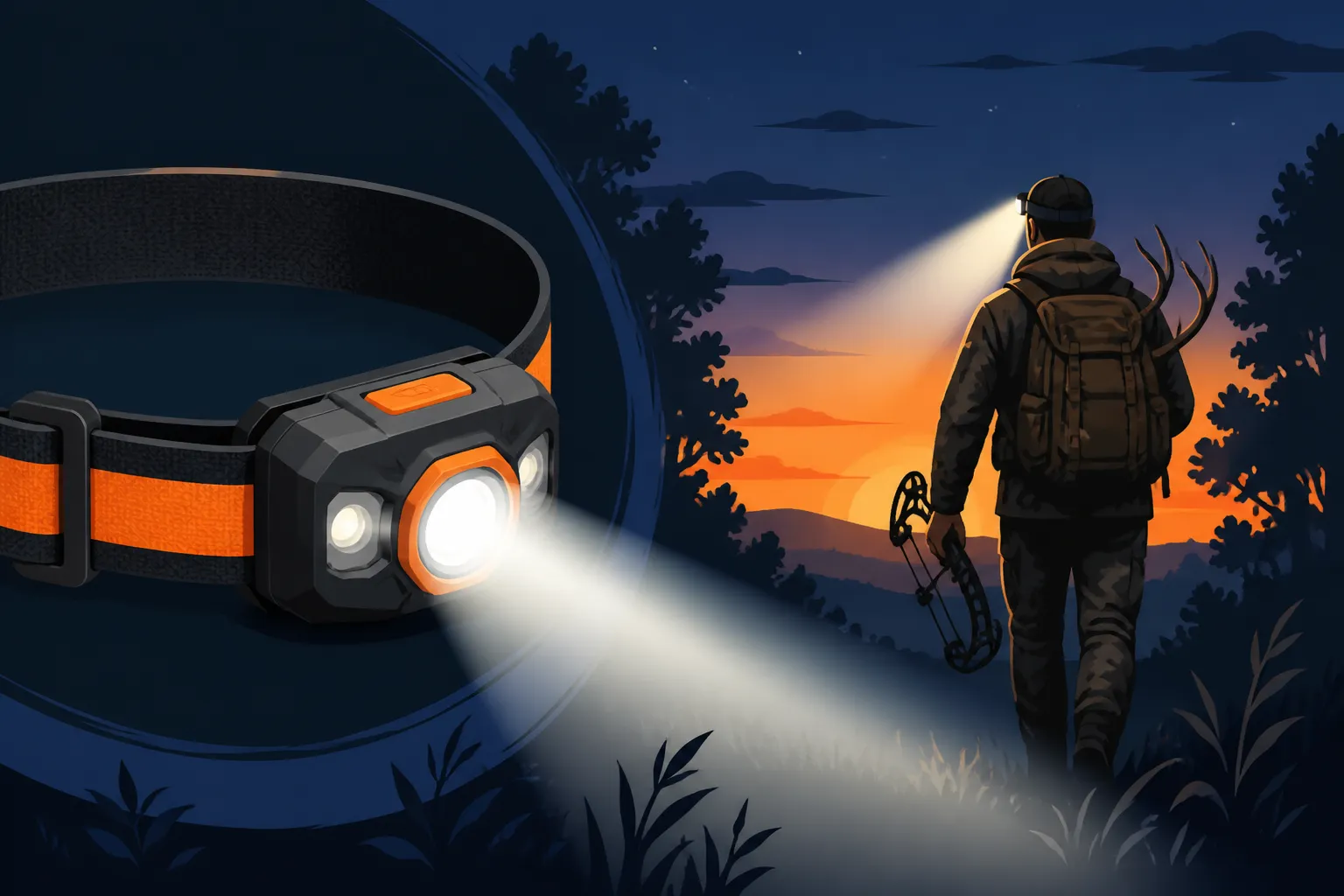
There’s nothing quite like the feeling of watching the last sliver of daylight disappear behind the western horizon, knowing you’ve just spent a day out in the Indiana woods. But that peaceful transition can quickly turn into a headache, or even a hazard, if you’re not prepared for the walk back to the truck. Navigating uneven terrain, fallen timber, or even just finding your way through a dense thicket after dark is a challenge many of us face, especially during those long archery or late firearms season sits. This guide will walk you through everything you need to know about choosing and using headlamps to ensure your exit from the woods is as safe and stress-free as your entry.
Why a Reliable Headlamp is Absolutely Non-Negotiable for Indiana Hunters
Let's be honest, we've all been there: that moment you realize you pushed it just a little too far, and now you're facing a pitch-black walk back. It's not just about inconvenience; it's about safety. Hunting deep in the Hoosier National Forest, traversing the thick river bottoms of the Wabash, or even just moving through a familiar woodlot near a farmland field edge, the darkness can transform the landscape into an obstacle course. A reliable headlamp isn't a luxury; it's a fundamental piece of safety equipment.
The Dangers of Walking Out in the Dark Without Proper Illumination
Imagine trying to navigate a steep, rocky ridge in Brown County or a slippery creek crossing in the White River bottoms in complete darkness. You might be carrying your bow, a firearm, or even packing out game, and your hands are full. The smallest root, rock, or puddle can send you sprawling, leading to injuries that range from a twisted ankle to something much worse. Beyond physical injury, there's the risk of getting disoriented. Even on familiar ground, the woods look entirely different without the sun, and trails can disappear into the shadows. Without a clear path forward, it's easy to waste precious energy and time trying to find your way.
Think about the mental toll, too. The stress of being lost or facing a potential injury in the dark, especially when you're tired after a long hunt, can make a bad situation even worse. Knowing you have a strong, dependable beam cutting through the gloom instills confidence and allows you to focus on the task at hand, whether that's simply walking or potentially Blood Trailing After Dark in Indiana.
Beyond Just Walking: Other Uses for Your Headlamp
Your headlamp isn't just for getting out of the woods. It's an indispensable tool that will see a ton of use throughout your hunting season. When you’re setting up your treestand before dawn during Bowhunting Indiana's Long Archery Season, a headlamp frees up both hands to secure straps and attach your climbing sticks. Trying to untangle gear or even find a dropped arrow in low light without a headlamp is a frustrating exercise in futility.
Field dressing a deer, which often happens right at dusk or well after dark, absolutely demands hands-free lighting. Imagine fumbling with a flashlight tucked under your armpit while trying to perform delicate work with a sharp knife. That’s a recipe for disaster. From gutting to skinning back at camp, your headlamp becomes your best friend. Even something as simple as checking your phone for a map on the GoHunt app or sorting through your Packs for a Hoosier Forest Day Hunt at the truck becomes effortless with hands-free light. It truly enhances your overall efficiency and safety in the field.
Essential Features to Look for in a Quality Hunting Headlamp
So, you're convinced a headlamp is key. But walking into any outdoor store or browsing online will reveal a dizzying array of options. How do you choose the right one for Indiana hunting? It comes down to understanding a few core features and matching them to your needs in the diverse Hoosier landscape.
Brightness and Beam Patterns: Lumens, Flood, and Spot
When we talk about headlamp brightness, we're usually talking about lumens. More lumens generally mean a brighter light. For general walking out of the woods, something in the 200-300 lumen range is often sufficient. However, if you anticipate tracking game, especially when Tracking a Deer in Fresh Indiana Snow, or need to quickly scan a larger area, a headlamp with a "boost" or higher setting up to 500-800 lumens can be incredibly helpful. Don't fall into the trap of thinking "more is always better" for lumens; extremely bright settings drain batteries much faster.
Beyond pure brightness, consider the beam pattern. Most quality headlamps offer at least two types:
- Flood (or Wide) Beam: This spreads light over a broader area, making it ideal for close-up tasks like setting up a blind, cooking at camp, or navigating a short distance where you need to see your immediate surroundings.
- Spot (or Focused) Beam: This creates a narrow, concentrated beam that reaches further. It's perfect for scanning ahead on a trail, looking for reflection from deer eyes, or searching for landmarks across a field. Many headlamps allow you to adjust the focus or switch between these modes, offering versatility for different situations.
A good headlamp for hunting will provide a balance, often with a dim flood setting for close work and a powerful spot beam for distance.
Battery Life and Power Source: Rechargeable vs. Disposable
Battery life is paramount. There's nothing worse than your headlamp dying halfway through your walk out. Pay close attention to the manufacturer's stated runtimes for different brightness settings. Real-world conditions, especially cold Indiana winter nights, can reduce battery performance.
- Disposable Batteries (AA/AAA): These are readily available and easy to swap out in the field. The downside is the cost over time and environmental impact. Always carry spare batteries!
- Rechargeable Batteries (Li-ion): Many modern headlamps use integrated rechargeable lithium-ion batteries, often charged via USB. These are convenient and cost-effective in the long run. The key is to always charge them fully before heading out and consider carrying a small power bank for recharges if you're on a multi-day trip or using the light extensively.
For hunters, a headlamp with a long run-time on a medium setting (which you'll use most often for walking) is ideal. I often look for models with an external battery pack if I'm hunting in extreme cold, as keeping the battery pack inside my jacket can help preserve its charge.
Red Light and Other Color Options: Stealth and Night Vision Preservation
This is a feature that truly separates a hunting headlamp from a general-purpose one. Red light is invaluable for several reasons:
- Stealth: Deer and other game perceive red light differently than white light, making it less alarming. It also minimizes your visible footprint to other hunters.
- Night Vision Preservation: White light causes your pupils to constrict, effectively ruining your natural night vision. Switching to a low-intensity red light allows you to see close-up (e.g., checking a map, looking in your pack) without losing your ability to see in the ambient darkness around you. This is huge for maintaining awareness.
Some headlamps also offer green or blue light options, with proponents suggesting they highlight blood trails better. While useful, red light is the primary colored beam you'll want for general hunting use. Look for a headlamp that has a dedicated red light mode that can be activated without cycling through the bright white light first.
Durability, Water Resistance, and Comfort
Hunting gear takes a beating, and headlamps are no exception. They'll be dropped, exposed to rain, snow, and mud.
- Durability: Look for robust construction, often with a high-impact plastic or aluminum housing. Read reviews for common failure points.
- Water Resistance: An IPX rating is what you're looking for here. IPX4 is typically sufficient for rain and splashes, but IPX7 means it can be submerged for a short period, which is great insurance against accidental drops in a creek or marsh. Indiana weather can be unpredictable, so good water resistance is key.
- Comfort: You'll be wearing this on your head, potentially for hours. A wide, adjustable strap that doesn't slip is important. Some models have an overhead strap for added stability, especially useful if you're jogging or wearing a heavier pack. The lamp unit itself should be lightweight enough not to cause discomfort or bounce excessively.
A headlamp from a reputable brand that specializes in outdoor gear, perhaps even one recommended by fellow hunters on forums like the GoHunt community, will typically feature these qualities.
Practical Tips for Using Your Headlamp Effectively in the Field
Having a great headlamp is one thing; knowing how to use it optimally in the field is another. From conserving battery life to interacting with wildlife, a few simple practices can make all the difference when you're navigating those tricky Indiana woods after legal shooting hours.
Conserving Battery Life on Extended Hunts
You want your headlamp to be there when you truly need it, not just for the first five minutes of your walk out. The number one rule for battery conservation is simple: use the lowest effective setting. Most of your walking will likely require a medium-low white light, not the full "turbo boost" mode. Only crank up the lumens when you genuinely need to scan further or are actively tracking game.
Another critical tip, especially during late-season Cold-Weather Sitting Strategy in Indiana when temperatures plummet, is to keep spare batteries (if using disposables) or your rechargeable headlamp itself close to your body. Inside a jacket pocket or even a chest rig will keep the batteries warmer, which can significantly extend their life. Cold drains batteries faster, so insulating them is a smart move. When you're not using the light, turn it off completely. Don't just let it dangle on a low setting. Every minute counts.
Using Red Light for Stealth and Night Vision
The red light feature isn't just a gimmick; it's a hunter's best friend. As mentioned earlier, red light preserves your night vision. This means you can look at your map on the GoHunt app, check your gear, or even field dress a small game animal without temporarily blinding yourself to the surrounding darkness. When you switch back to looking into the woods, your eyes are already adapted.
Crucially, red light is less disruptive to wildlife. If you're heading to your stand before legal light or leaving after dark, using red light minimizes your intrusion. While deer certainly know something is there, the harsh beam of white light can be far more alarming. Practice using your red light for specific tasks, keeping the white light reserved for when you absolutely need maximum visibility, such as if you're Hunting a Deer Reduction Zone and absolutely need to ensure your shot placement is ethical in dim conditions, or are doing something like Field Dressing a Deer in Cold Weather.
Combining Headlamp Use with Navigational Tools
Even the brightest headlamp won't tell you which way is north. That's where your maps come in, whether it's a paper map and compass or a robust GPS app like GoHunt on your phone. Many hunters, myself included, use the GoHunt app extensively for Scouting Indiana Public Land Before Season and for actual navigation during the hunt.
Here's where the headlamp shines: it allows you to easily reference your map without holding a separate light. Use your red light to check your location on GoHunt, confirm your planned exit route, and ensure you're heading in the right direction. Before you even head out, mark your stand location and your vehicle on your map. This way, if you find yourself disoriented after a long sit or a complicated track, you can quickly get back on track using your headlamp to guide your navigation with your mapped route. This combination is particularly vital when you're Reading Aerial Photos for Southern Indiana Deer and identifying subtle terrain features that can look completely different in the dark.
Safety Considerations and Best Practices
Always carry at least one backup light source. A small, powerful flashlight in your pack is a good failsafe. What if your headlamp dies or gets damaged? Having a secondary option, even a small keychain light, can save you from a truly dark situation. Also, let someone know your hunting plan, including where you'll be and when you expect to be back. If something goes wrong, they'll know where to start looking.
When walking out, take your time. There's no rush. Use your headlamp to thoroughly scan the ground directly in front of you for obstacles. Look for trip hazards, slippery leaves, or uneven ground. On public lands, especially during busy seasons like Opening Weekend Tactics for Firearms Season, be mindful of other hunters. Your headlamp makes you visible, but also use it judiciously. If you hear movement, quickly switch to red light or turn it off entirely to avoid alarming game or giving away your position to another hunter who might still be sitting.
When you're walking out with a group, perhaps after a Deer Drives With Three or Four Hunters, it's good practice for the lead person to use a stronger white beam to illuminate the path, while others might use lower settings or red lights to follow without creating excessive light pollution that can wash out details or strain eyes.
Headlamp Maintenance and Storage for Year-Round Reliability
A headlamp is an investment in your safety and success, and like any critical piece of gear, it needs proper care. Neglecting it between seasons is a surefire way to find yourself in the dark when you least expect it. A few simple habits will ensure your headlamp is always ready for action.
Post-Hunt Cleaning and Inspection
After every significant use, especially if it's been a wet or muddy day in the field, take a few minutes to clean your headlamp. Wipe down the body with a damp cloth to remove dirt, mud, blood, or anything else that might have accumulated. Pay close attention to the lens; a dirty lens drastically reduces light output. A soft cloth is usually all you need. If it's heavily soiled, a gentle lens cleaner can be used, but avoid harsh chemicals that might damage the plastic.
While cleaning, inspect the headlamp for any signs of wear and tear.
- Cracks or damage to the housing: Small cracks can compromise water resistance.
- Strap condition: Is it fraying? Is the adjustment mechanism still working?
- Battery compartment: Check for corrosion, especially if you use disposable batteries. If you find corrosion, clean it thoroughly with a cotton swab and a little vinegar or baking soda paste.
- Lens integrity: Look for scratches or hazing. Major scratches might mean it's time for a replacement.
Catching these issues early allows you to address them before they become critical failures in the field.
Battery Management for Longevity
Proper battery management is crucial for both the life of your headlamp and the batteries themselves.
- Disposable Batteries: Always remove disposable batteries from your headlamp during off-season storage. Batteries, even when off, can slowly drain and eventually leak, which can permanently damage your headlamp's electronics. Store them separately in a cool, dry place.
- Rechargeable Batteries: For integrated rechargeable models, avoid storing them completely drained or fully charged for long periods. Ideally, store them at around 50-70% charge if you won't be using them for several months. Before heading out for the season, give them a full charge. Modern Li-ion batteries are much more forgiving, but these habits still contribute to overall battery health.
A good practice is to periodically check your headlamp's charge (or swap fresh batteries) a few weeks before opening day of your preferred season, whether it's Indiana's Firearms Deer Season or Spring Turkey Hunting in Indiana, to ensure it’s ready.
Proper Storage Between Seasons
How you store your headlamp matters. Don't just toss it in your hunting bag with all your other gear.
- Protection: Store your headlamp in a small protective case or bag to prevent the lens from getting scratched and to keep it clean. This also prevents accidental activation, which would drain the battery. Many headlamps come with a small storage pouch, or you can use a small dry bag.
- Environment: Keep it in a cool, dry place away from direct sunlight and extreme temperatures. A drawer in your gear closet is perfect. Avoid leaving it in a hot garage or a vehicle for extended periods, as this can degrade battery performance and plastic components.
- Accessibility: Store it somewhere easily accessible. When the season rolls around, you don't want to be digging through piles of gear to find it. Having it ready to go means one less thing to worry about before that crucial pre-dawn drive to your hunting spot.
By making headlamp care a consistent part of your post-hunt routine, you'll ensure that this vital piece of gear is always ready to illuminate your path, keeping you safe and confident in the Indiana woods, no matter how late you stay out.
Disclaimer
This article is for general informational purposes only and does not constitute professional advice. Laws, prices and regulations vary by location and change over time. Consult a qualified professional for guidance on your specific situation.