Indiana Feral Hog Regulations
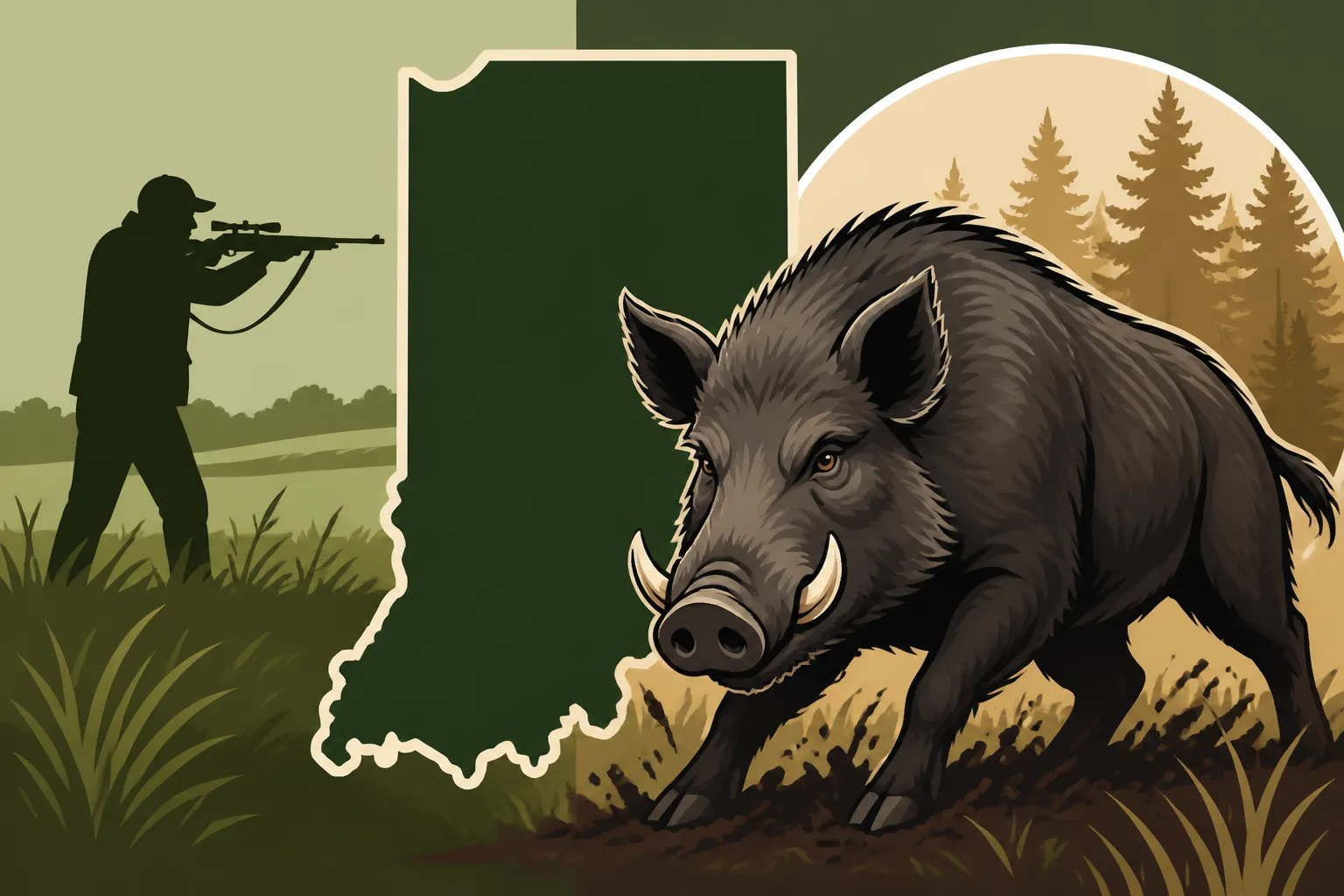
It’s a frustrating reality for many Hoosier landowners and conservationists: feral hogs are a destructive, invasive species causing significant damage to Indiana's natural resources and agricultural lands. These aren't your typical game animals; they're a true menace that requires a clear understanding of the state’s unique regulations to manage effectively. This guide will walk you through everything you need to know about legally hunting and trapping feral hogs in Indiana, from private land opportunities to public land restrictions.
Why Indiana Takes Feral Hogs So Seriously: The Environmental and Agricultural Threat
Feral hogs aren't just a nuisance; they're an ecological and economic disaster waiting to happen if left unchecked. Indiana has taken a strong stance against these animals, classifying them not as game but as an unprotected wild animal, primarily due to the immense harm they cause.
The Devastating Impact on Indiana's Ecosystems
Imagine pristine forests and tranquil wetlands ripped apart, not by a natural force, but by a creature digging for roots and grubs. That's the reality with feral hogs. Their rooting behavior is incredibly destructive, turning lush ground into a barren wasteland overnight. They'll churn up soil, destroy native plant communities, and contribute to erosion, fundamentally altering habitats that our native wildlife depend on. This kind of widespread habitat destruction impacts everything from delicate wildflowers to the very forage that supports our deer herd.
Beyond the rooting, feral hogs directly compete with native wildlife for food resources. They're omnivores with voracious appetites, consuming acorns, berries, insects, and even small animals, putting pressure on species like deer and turkeys. For instance, increased hog populations could significantly impact the food available for our healthy Indiana Deer Population Estimate, and their predation on nests can have a real effect on Indiana Wild Turkey Nesting Success. Their presence can also lead to water quality degradation as their wallowing and defecation pollute streams and ponds, impacting aquatic life and potable water sources.
A Nightmare for Hoosier Farmers
For Indiana's agricultural community, feral hogs represent a direct and significant threat to their livelihoods. These animals are notorious for crop destruction, trampling and consuming vast quantities of corn, soybeans, and other cash crops. A sounder of hogs can wipe out acres of a farmer's yield in a single night, leading to substantial economic losses. This isn't just about a few missing ears of corn; it's about entire fields being rendered useless, impacting a farmer's bottom line and future planning.
Beyond crop damage, feral hogs are incredibly destructive to farm infrastructure. They'll tear up fences, break irrigation lines, and create massive ruts in fields that can damage farm equipment. Repairing this damage is costly and time-consuming, adding another layer of burden to farmers already working hard to feed the state. Perhaps most concerning is their role in livestock disease transmission. Feral hogs can carry and spread a host of diseases, including brucellosis, pseudorabies, and leptospirosis, to domestic livestock. This poses a severe biosecurity risk, potentially leading to widespread outbreaks, herd depopulations, and devastating financial consequences for livestock producers.
Indiana's "Unprotected Wild Animal" Status: What It Means for Hunters
Indiana's approach to feral hogs is rooted in a clear understanding of their invasive nature. Unlike deer, turkey, or small game, these animals are not managed for sustainable harvest; they are targeted for eradication. This distinction shapes all the regulations surrounding them.
Defining Feral Hogs in Indiana Law
In Indiana, feral hogs are explicitly classified as an "unprotected wild animal." This is a critical legal designation because it removes them from the typical framework of game animals. What does this mean for you, the hunter or landowner? Essentially, it means that the standard seasons, bag limits, and reporting requirements that apply to species like deer and turkey simply do not apply to feral hogs. There's no open season; rather, it's a continuous, year-round pursuit. This is directly tied to Why Indiana Treats Hogs as Unprotected – they are considered an invasive pest to be eliminated, not a resource to be managed. This continuous season offers hunters an unparalleled advantage when it comes to control, allowing for immediate action upon sighting.
Because they are unprotected, there are no bag limits. You can harvest as many as you encounter, which is essential for effective population control. The goal isn't just to take a few; it's to eliminate entire sounders. Furthermore, unlike deer or turkey, there are no mandatory reporting requirements to the Indiana Department of Natural Resources (DNR) when you harvest a feral hog on private land. This streamlines the process for landowners and hunters, encouraging swift action without bureaucratic hurdles. This approach to Hunting Indiana's Year-Round Feral Hogs is designed to make it as easy as possible to remove them.
The Philosophy Behind Aggressive Control
Indiana's aggressive stance is driven by a stark reality: preventing feral hogs from establishing widespread, self-sustaining populations is far easier and more cost-effective than trying to control them once they've become entrenched. The state's philosophy is rooted in proactive prevention rather than reactive management. Once these animals establish themselves, their prolific breeding rates, adaptability, and intelligence make them incredibly difficult to eradicate. A sow can breed at six months old and have multiple litters of 4-12 piglets per year, rapidly overwhelming control efforts.
Indiana has keenly observed the struggles faced by other states, particularly in the South, where feral hog populations have exploded. States like Texas and Florida have grappled with massive populations for decades, incurring billions in damages and struggling to implement effective control measures. Indiana is determined to avoid such a scenario, prioritizing eradication to protect its agricultural economy and biodiversity. The DNR's ultimate goal is not population reduction, but complete elimination of feral hogs from the Hoosier landscape. Every hog removed is a step closer to this ambitious but necessary objective.
Hunting Feral Hogs on Private Land: Your Best Opportunity
When it comes to actively pursuing and removing feral hogs in Indiana, private land is where most of the action takes place. The regulations here are significantly more permissive, reflecting the state's desire to empower landowners in the fight against this invasive species.
The Freedom and Responsibility of Private Land Hunters
On private land, the rules for feral hogs are incredibly straightforward: there’s a continuous, year-round season with no bag limits. This means if you have permission to hunt a property, you can target hogs anytime, day or night, throughout the entire year. This freedom is essential because hog movements are unpredictable, and waiting for a specific season would render control efforts ineffective. However, with this freedom comes significant responsibility. Hunters are absolutely required to obtain clear, explicit permission from the landowner before stepping foot on their property. This isn't just common courtesy; it's a legal necessity. Failing to get proper permission can lead to trespass charges, which can derail your hunting privileges and strain relationships within the hunting community. For more detailed information on obtaining access, check out our guide on Getting Private Land Permission in Indiana, and be sure to understand the nuances of Indiana Trespass and Permission Law.
Many experienced hunters even opt for written permission, which can prevent misunderstandings down the road. Building a good relationship with a landowner is paramount. Offering to help with chores, sharing game meat, or simply being respectful and communicative can open doors to more hunting opportunities. Utilizing modern mapping tools can be a huge advantage here. Platforms like GoHunt provide detailed property intelligence, allowing you to clearly identify property lines, landowner names, and potential access points. This kind of information is invaluable not only for legal compliance but also for strategic planning, helping you visualize the terrain and potential hog travel corridors before you even set foot on the ground.
Legal Methods of Take on Private Property
When hunting feral hogs on private land, you have a wide array of legal methods at your disposal, giving you maximum flexibility to adapt to the situation. Unlike game animals with specific weapon restrictions, you can use any legal firearm, including centerfire rifles, shotguns, and handguns, as well as archery equipment such as bows and crossbows. This means you can confidently use your deer rifle, your turkey shotgun, or your archery setup without worrying about special hog-specific weapon restrictions.
Beyond traditional daytime hunting, Indiana's regulations for private land allow for night hunting with artificial lights. This is a game-changer because feral hogs are often most active under the cover of darkness. Using spotlights, thermal imaging, or night vision devices can dramatically increase your success rate. Our comprehensive guide on Night Hunting Hogs With Lights on Private Land delves deeper into the tactics and equipment for this effective method. Furthermore, vehicles can be used to pursue and take hogs on private land, which can be particularly useful in large agricultural fields or areas with extensive road systems. Trapping is also a highly effective and encouraged method for eradication, often proving more efficient than hunting for removing entire sounders. GoHunt maps can further enhance your strategic planning by helping you pinpoint the best locations for setting up ambushes or identifying prime areas for placing traps. By understanding terrain features, fence lines, and water sources, you can leverage GoHunt to make informed decisions about where hogs are most likely to travel and congregate, maximizing your efforts.
General License Requirements
While there's no specific "feral hog license" you need to purchase in Indiana, it's crucial to understand the broader context of hunting licensure. If you are actively hunting in Indiana, even for an unprotected species like a feral hog, it is generally recommended and often implicitly required that you possess a valid Indiana hunting license. This ensures you are legally present in the field with hunting equipment. For Indiana residents, this would typically mean a Resident Hunting License, often paired with a deer bundle if you also pursue whitetails.
Non-resident hunters have specific requirements. If you're coming into the state specifically to hunt hogs, you'll need to purchase a Non-resident Annual Hunting License. While you won't need specific tags for the hogs themselves, having a valid base license makes your presence in the field legal. Many non-residents also opt for the Indiana Nonresident Deer Bundle if they plan to combine hog hunting with deer opportunities, ensuring all bases are covered. Always double-check the latest regulations on the Indiana DNR website or the Go Outdoors Indiana portal to ensure you are fully compliant before heading afield.
Feral Hogs on Public Land: A Different Set of Rules
The relaxed regulations for feral hogs on private land take a sharp turn when you consider public hunting areas in Indiana. The rules on public ground are significantly more restrictive, reflecting a different management philosophy geared towards preventing the establishment of hog populations in shared natural spaces.
The Public Land Prohibitions and Why They Exist
Unlike private property, where landowners are encouraged to eliminate hogs by any legal means, general hunting of feral hogs is strictly prohibited on Indiana's public lands. This includes State Fish and Wildlife Areas, State Forests, and the Hoosier National Forest. The primary reason for this stringent prohibition is to prevent the intentional release or accidental spread of hogs onto public property. The DNR wants to avoid creating any incentive for individuals to introduce hogs onto public land, which would sabotage eradication efforts. If hunters were allowed to pursue hogs on public land, there's a concern that some might illegally move hogs to "seed" new hunting opportunities, inadvertently creating a much larger problem.
Furthermore, unregulated hunting for hogs on public land could lead to significant habitat disturbances, interfere with management plans for native game species, and pose public safety concerns in areas where multiple user groups converge. The DNR's strategy on public lands is focused on controlled, targeted eradication efforts, typically through trapping or specialized operations, rather than opening it up to general hunting pressure. This helps protect the integrity of these valuable shared natural resources and ensures that control efforts are coordinated and effective, minimizing negative impacts on other wildlife and habitats.
Reporting Sightings to the Indiana DNR
While you cannot hunt feral hogs on public land, your role as an observant outdoors person is still incredibly crucial. If you encounter or see signs of feral hogs on any public property in Indiana, it is vital to report your sighting to the Indiana DNR immediately. This isn't just helpful; it's a critical part of the state's surveillance and eradication strategy. The DNR relies heavily on citizen reporting to track hog movements, identify potential new populations, and deploy their control teams effectively.
When reporting a sighting, provide as much detail as possible. This includes the exact location (GPS coordinates are ideal, but a precise description of landmarks works), the date and time of the sighting, an estimate of the number of hogs seen (adults and piglets), and a description of any damage observed. You can report sightings directly to the Indiana DNR through their website or by contacting your local conservation officer. Knowing the public land boundaries using mapping tools like GoHunt can help you ensure you're accurately reporting a sighting on public land versus an adjacent private parcel, providing the DNR with precise information to act upon.
Limited Public Land Interventions
Because general hunting is prohibited, the presence of feral hogs on public lands triggers a different response mechanism from the Indiana DNR. Their approach is primarily centered on DNR-led control operations, with trapping being the most common and effective method. DNR wildlife biologists and technicians are trained in advanced trapping techniques designed to capture entire sounders, ensuring comprehensive removal rather than just scattering individuals. These operations are often carried out in conjunction with USDA Wildlife Services, pooling resources and expertise for maximum impact.
There are extremely limited exceptions for coordinated efforts, often in highly controlled circumstances. These are not open to the general public and typically involve specific personnel or contractors working under direct DNR supervision. The emphasis is always on strategic, scientifically-backed eradication rather than recreational hunting. The DNR's goal is to prevent any establishment of feral hog populations on Indiana's public lands, protecting these valuable natural assets for native wildlife and future generations of Hoosiers.
Legal Considerations and Best Practices for Hunters
Even with the relatively open regulations for private land hog hunting, there are critical legal and ethical considerations that every hunter needs to internalize. These practices ensure safety, maintain access, and contribute to responsible wildlife management.
Obtaining Landowner Permission
Let's be crystal clear: obtaining landowner permission is not just a polite request; it's a legal requirement and the cornerstone of ethical hunting on private property in Indiana. Hunting on someone else's land without express permission is trespassing, a criminal offense that can carry fines and penalties, and severely damage your reputation as a hunter. This is why resources like our guide on Getting Private Land Permission in Indiana are so vital. Always ask, even if you’ve hunted the property before, as circumstances can change.
For peace of mind and to avoid any misunderstandings, consider getting written permission. A simple written note outlining the dates, areas, and specific activities you're allowed to undertake can prevent disputes. It also demonstrates your professionalism and respect for the landowner's property. Building solid relationships with landowners goes a long way. This involves consistent communication, respecting their property as if it were your own, and perhaps even offering to share some of your harvest or help with chores. A good relationship ensures continued access and fosters a positive image for hunters in the community. Without permission, you risk not only legal trouble but also eroding the trust between landowners and the hunting community, making it harder for everyone to find good places to hunt.
Preventing the Spread of Feral Hogs
Feral hogs are insidious invaders, and hunters have a significant responsibility to ensure they aren't inadvertently contributing to their spread. Biosecurity is paramount. If you're hunting hogs, especially if you're traveling between different properties, thoroughly clean your gear and vehicles. Mud, soil, and even small plant fragments can harbor disease pathogens or even viable seeds of invasive plants that hogs can spread. Pay particular attention to tire treads, boots, and the undercarriage of your vehicle.
Proper carcass disposal is another critical aspect. Never discard hog carcasses in areas where scavengers can access them, or where pathogens could leach into water sources. The best practice is to bury carcasses deeply on the property where the hog was harvested, or transport them to a designated landfill. This prevents the spread of diseases and discourages other hogs from being attracted to the area. Always check local regulations, as disposal methods can vary. Hunters must be part of the solution, not an unwitting vector for further problems.
Public Safety and Ethical Hunting
Hunting, particularly for an animal like a feral hog which can be unpredictable and dangerous, demands a high degree of public safety awareness. Always be aware of your surroundings, especially if you're hunting at night or in areas near homes or public roads. Know your backstop, identify your target positively, and be absolutely certain of what lies beyond it. Using maps, including those from platforms like GoHunt, can help you identify occupied dwellings and other sensitive areas, ensuring your shots are always directed safely. For broader hunting safety, a refresher on Indiana Hunter Education Requirements is always a good idea.
Ethical hunting also dictates minimizing suffering. This means using appropriate caliber firearms or archery equipment and making well-placed shots to ensure a quick, humane kill. Feral hogs are tough animals, and a wounded hog can be dangerous, making a follow-up shot essential. Beyond the kill itself, consider your overall impact. Leave no trash, don't damage property, and always follow all local and state laws. Responsible, ethical behavior reflects positively on the entire hunting community and helps ensure that the privilege to hunt is maintained for future generations.
Mastering the Art of Feral Hog Trapping in Indiana
While hunting can remove individual hogs, trapping is often considered the most effective and efficient method for long-term eradication, especially when dealing with entire sounders. The Indiana DNR actively promotes trapping as a primary control strategy.
Why Trapping Outperforms Hunting for Eradication
Trapping holds a distinct advantage over hunting when the goal is eradication rather than just population control. The key lies in its ability to remove entire sounders (a group of hogs) at once. Hogs are social animals, and traditional hunting often scatters a sounder, making the remaining individuals wary and harder to pursue. These scattered survivors can quickly regroup and continue breeding. Trapping, however, often involves a pre-baiting period where hogs become accustomed to feeding within a specific area, allowing for the capture of many animals simultaneously. This comprehensive approach is detailed in our guide on Trapping Indiana Feral Hogs.
By removing multiple hogs, including sows and piglets, in a single event, trapping minimizes dispersal and prevents the re-infestation of an area. It also allows for the removal of the most prolific breeders, significantly disrupting the population's reproductive capacity. This systematic, whole-sounder removal strategy makes trapping an invaluable tool in Indiana's fight against feral hogs, offering tangible long-term control benefits that singular hunting efforts often cannot achieve.
Essential Trapping Equipment and Techniques
Effective feral hog trapping requires specialized equipment and a strategic approach. The most common and effective traps are large corral traps, typically constructed from heavy-duty hog panels forming a circular or square enclosure. These traps are usually equipped with a "rooter" gate or a drop gate mechanism that can be triggered remotely or by the hogs themselves. The size of the trap is crucial; it needs to be large enough to hold an entire sounder.
Baiting is perhaps the most critical component of a successful trapping operation. Fermented corn is a classic and highly effective bait, as the hogs are drawn to its strong smell and taste. Commercial attractants are also available and can be used to supplement corn. The technique often involves pre-baiting for several days or even weeks, leaving the gate open so the hogs become comfortable entering the trap to feed. Once they are consistently feeding inside the trap, the gate is set. Remote monitoring systems, often with trail cameras or cellular alerts, allow trappers to know when hogs are in the trap without disturbing the site. GoHunt's advanced mapping can be particularly useful here, helping trappers identify optimal, secluded locations for trap placement, considering hog travel routes, water sources, and cover, potentially even coordinating with neighboring landowners for broader coverage.
Legalities and Best Practices for Trapping
While trapping feral hogs is a highly encouraged eradication method in Indiana, it's essential to understand the legalities and best practices. While you don't need a specific "hog trapping license" beyond a general hunting license if you're dispatching them with a firearm, standard trapping regulations, especially concerning trap visitation and humane dispatch, should still be adhered to. The Indiana DNR offers guidance and best practices for trapping, often emphasizing humane methods and responsible trap placement.
Safety is paramount around traps. They are large, heavy, and can be dangerous if not handled correctly. Always use proper personal protective equipment, and ensure that non-target animals or humans cannot accidentally enter the trap. Regular monitoring of traps is crucial, not only for success but also to ensure that any captured animals are handled promptly and humanely. Dispatching trapped hogs should be done swiftly and efficiently, usually with a headshot from a firearm. Responsible trapping is a critical skill for any landowner or hunter serious about contributing to feral hog eradication efforts in Indiana.
Post-Harvest: Carcass Management and Disease Mitigation
Harvesting a feral hog is only half the battle. What you do with the carcass afterward is critically important, not just for biosecurity but for protecting human health and the environment. Feral hogs are known carriers of numerous diseases, some of which can be transmitted to humans.
Understanding the Health Risks
Feral hogs are often vectors for a range of zoonotic diseases, meaning they can be transmitted from animals to humans. Two of the most common and concerning are Brucellosis and Pseudorabies. Brucellosis can cause flu-like symptoms, fever, and chronic fatigue in humans, and can lead to severe complications. Pseudorabies, while usually mild in humans, can be deadly to dogs and other livestock. Other potential concerns include Leptospirosis, which can cause kidney damage, and Trichinellosis, a parasitic roundworm that can be transmitted if meat is undercooked.
It's important to distinguish these hog-specific diseases from Chronic Wasting Disease in Indiana Deer. CWD is a neurological disease affecting cervids (deer, elk, moose) and is not found in hogs. However, the presence of various diseases in hogs underscores the need for vigilance. Always wear gloves when field dressing and handling hog carcasses to prevent direct contact with blood and internal organs.
Safe Handling and Processing
When field dressing a feral hog, personal protection is key. Wear sturdy, cut-resistant gloves and eye protection to minimize your risk of exposure to blood, fluids, and potential pathogens. Handle internal organs carefully, and immediately dispose of them properly. If you notice any unusual lesions, abscesses, or abnormalities in the organs or meat, it's always best to err on the side of caution and dispose of the entire carcass, reporting the findings to the DNR.
When processing the meat, use dedicated knives and cutting boards that can be thoroughly sanitized afterward. Avoid cross-contamination with other foods. The most crucial step for ensuring safety when consuming feral hog meat is proper cooking. All wild hog meat should be cooked to an internal temperature of at least 160°F (71°C) to kill any potential bacteria or parasites, especially trichinella. Use a meat thermometer to verify internal temperatures, and always cook ground pork thoroughly.
Responsible Carcass Disposal
Improper disposal of feral hog carcasses can negate all your hard work and potentially contribute to the spread of disease or even attract more hogs. Never simply dump a carcass in the woods, along a roadside, or into a waterway. This can contaminate water sources, expose scavengers to diseases, and potentially expose domestic animals or pets.
The most recommended methods for carcass disposal are burying the animal deeply on the property where it was harvested or transporting it to a permitted landfill. If burying, ensure it's at least three feet deep to prevent scavenging and away from any water sources. Before transporting, ensure local regulations permit it and that the carcass is secured to prevent leakage. GoHunt's detailed mapping features can be incredibly helpful in identifying suitable, secluded burial locations on private land, ensuring they are away from sensitive areas and water bodies, aligning with responsible environmental practices.
The Future Landscape of Feral Hog Control in Indiana
The fight against feral hogs in Indiana is an ongoing battle, one that requires continuous effort, strategic partnerships, and the active participation of both state agencies and citizens. The DNR remains committed to protecting Indiana's natural and agricultural heritage from this destructive invader.
Ongoing Efforts by the Indiana DNR
The Indiana DNR is at the forefront of this battle, employing a multi-faceted approach to feral hog control. A significant part of their strategy involves ongoing surveillance and monitoring. This includes active scouting by wildlife biologists, deploying trail cameras, and conducting aerial surveys in areas with reported activity. They also rely heavily on public sightings, which is why accurate and timely reporting is so important. This allows the DNR to track movements, estimate populations, and identify new or emerging threats.
Beyond monitoring, the DNR focuses on education and outreach, working to inform landowners, hunters, and the general public about the threats posed by feral hogs and the importance of eradication efforts. They provide resources and guidance on effective control methods. Critical partnerships with organizations like USDA Wildlife Services enhance their capabilities, bringing additional expertise and resources to the fight. These collaborations are vital for coordinating efforts, sharing best practices, and developing new strategies to combat the spread of these invasive animals. If you want to learn more about the broader efforts, explore articles on Indiana Wildlife Disease Monitoring.
The Critical Role of Informed Hunters and Landowners
The success of Indiana's feral hog eradication program hinges significantly on the active and informed participation of its citizens, particularly hunters and landowners. Your vigilance and willingness to report sightings are absolutely critical. Every report, no matter how small, contributes to the DNR's intelligence gathering, helping them pinpoint problem areas and deploy resources effectively. If you see a hog or signs of hog activity, especially on public land, don't hesitate to report it to the DNR. This is especially true if you see any signs of disease, which you can report by reviewing guidelines like those in Reporting a Sick Animal in Indiana.
For landowners, proactive management on private holdings is essential. This means actively hunting and trapping hogs year-round, securing your property to prevent hog ingress, and being aware of any new signs of activity. Don't assume someone else will take care of the problem; take ownership of managing hogs on your land. Finally, staying up-to-date on regulations and recommended practices, often found through the Indiana DNR app or website, ensures that all efforts are legal, ethical, and effective. The collective action of informed Hoosiers is the most powerful tool in preventing feral hogs from establishing a permanent foothold in Indiana.
Indiana Feral Hog Hunting & Trapping Rules Summary
Here's a quick overview of the key regulations for feral hogs in Indiana:
| Feature | Private Land | Public Land |
|---|---|---|
| Status | Unprotected Wild Animal | Unprotected Wild Animal |
| Hunting Season | Year-round, continuous | Prohibited for general public (DNR-led control only) |
| Bag Limit | No limit | N/A |
| License Required | General Indiana hunting license (no specific hog tag) | N/A (general public cannot hunt) |
| Methods of Take | Any legal firearm, archery equipment, trapping, night hunting with lights | N/A (DNR uses trapping, specialized methods) |
| Permission | REQUIRED from landowner | N/A (hunting by general public not permitted) |
| Reporting Harvest | Not required | N/A |
| Reporting Sightings | Encouraged to DNR (especially new areas) | REQUIRED to DNR (crucial for control efforts) |
| Carcass Disposal | Bury deeply or transport to permitted landfill | N/A (DNR handles disposal of trapped hogs) |
| Goal | Eradication | Eradication |
Disclaimer
The information provided in this guide is for general informational purposes only and does not constitute legal advice. Hunting regulations can change, and it is the hunter's responsibility to consult the most current Indiana hunting regulations published by the Indiana Department of Natural Resources (DNR) before engaging in any hunting or trapping activities. Always hunt safely and ethically.