Indiana Coyote Range and Density
It can be incredibly frustrating to spend hours scouting prime deer or turkey habitat, only to find coyote scat or hear their eerie howls at dusk. Many Indiana hunters wonder just how many coyotes are out there and if they're impacting our cherished game species. This guide is dedicated to demystifying the widespread presence of coyotes across our Hoosier state, delving into their range, population density, and the behaviors that make them such resilient and ubiquitous predators.
The Ubiquitous Hoosier Predator: Coyote Range Across Indiana
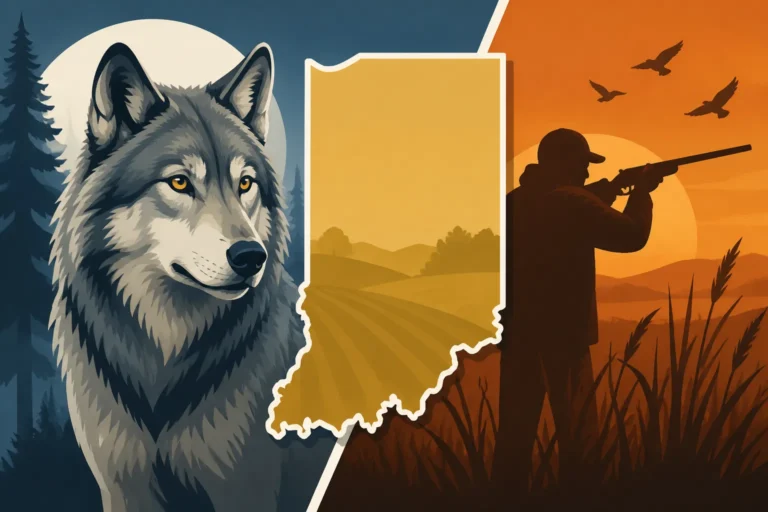
If you've spent any time outdoors in Indiana, whether it's in a dense forest, an open field, or even near the edge of a suburban development, chances are you've encountered signs of coyotes. These highly adaptable canids have truly made themselves at home across the entire state, and understanding where they live is the first step in understanding how to manage them or simply coexist. They aren't just limited to deep wilderness areas; they are literally everywhere.
From Farmland to Forest: Where Coyotes Call Home
Coyotes are perhaps the most successful wild canid in North America when it comes to adapting to diverse landscapes, and Indiana is no exception. From the sprawling corn and soybean fields of northern Indiana to the rugged, timbered hills of the south, coyotes have established strong populations. In the northern, flatter agricultural regions, they utilize woodlots, fencerows, and drainages as travel corridors and bedding areas. These pockets of cover provide refuge during the day and allow them to hunt the abundant rodents and deer that frequent agricultural lands. You might find them denning in old brush piles or even abandoned farm structures, proving their opportunistic nature.
Down in the rolling hills and dense forests of southern Indiana, like the vast expanses of the Hoosier National Forest, coyotes navigate the intricate terrain with ease. Here, their range is more intertwined with natural cover – thick timber, brushy clear-cuts, and rocky outcroppings provide ample denning sites and hunting grounds. They'll use ridge tops for travel and observation, descending into valleys and creek bottoms to hunt. Their ability to thrive in both human-dominated agricultural zones and more wild, forested environments truly speaks to their incredible resilience. It's not uncommon to find evidence of them in both settings on the same day if you’re traveling cross-state.
Adaptation Masters: Why Coyotes Thrive Everywhere
What makes coyotes such adaptation masters in a state like Indiana? A big part of it is their diet – they are true omnivores and opportunistic feeders. Unlike some more specialized predators, a coyote won't starve if its primary prey isn't abundant. They'll eat deer fawns, rabbits, squirrels, mice, voles, birds, insects, and even a significant amount of plant material like berries and fallen fruit, especially in the late summer and fall. This flexible diet means they can find sustenance almost anywhere, from a suburban park to the wildest corner of the state forest.
Their social structure also contributes to their widespread success. While they can be solitary, coyotes often live in family units or small packs, which allows for more effective hunting of larger prey like adult deer, especially in winter. They also learn quickly, adapting their hunting strategies to the available prey and the pressure from human activities. This intelligence, combined with their ability to travel long distances, means that even if a local population faces pressure, new coyotes can quickly move in from surrounding areas. They truly exemplify the phrase "survival of the fittest" in the Hoosier landscape, constantly finding ways to thrive where other species might struggle.
Understanding Indiana's Coyote Population Density
Talking about "coyote density" in Indiana can feel a bit like trying to count grains of sand on a beach – they're everywhere, but pinning down an exact number for a given area is notoriously difficult. However, we can certainly discuss the factors that influence these numbers and what general trends we observe across the state. It’s not just a guessing game; there are real ecological dynamics at play.
Factors Influencing Local Densities
Several key factors contribute to how dense a coyote population might be in a specific Indiana locale. First and foremost is prey availability. Areas with abundant deer, rabbits, and small rodents will naturally support more coyotes. Think about a rich river bottom with plenty of cover and food sources; that's prime coyote country. Secondly, habitat quality plays a huge role. Landscapes with a mosaic of dense cover (like briar thickets, marsh edges, or dense young timber) interspersed with open hunting grounds (fields, clearings) create ideal conditions. Coyotes need safe places to den, rest, and raise their young, as well as efficient hunting grounds. Areas with fragmented habitats, like suburbs with green spaces, can also surprisingly support high densities because of abundant rodent populations and less hunting pressure.
Another significant factor is human pressure. In areas with consistent hunting and trapping efforts, coyote populations might be kept at lower levels. However, coyotes are incredibly resilient, and often, when their numbers are reduced, they respond by increasing litter sizes, leading to a quick rebound. Conversely, areas with less hunting pressure, such as urban fringes or private lands where landowners don't allow hunting, can see a higher density of coyates. It's a constant push and pull between environmental factors and human activity, making their density a fluid rather than static number.
The Elusive "Numbers Game": Estimating Populations
Trying to put an exact number on Indiana's coyote population statewide is a challenge wildlife biologists face constantly. Unlike deer, where harvest reports and spotlight surveys provide reasonably accurate estimates of the Indiana Deer Herd Size, coyotes are much harder to count. They're secretive, often nocturnal, and their numbers fluctuate. State agencies often rely on various methods to estimate trends and relative densities rather than absolute figures. These methods can include furbearer harvest data, scent station surveys (where they track how many coyotes visit baited sites), and incidental sightings reported by hunters and the public.
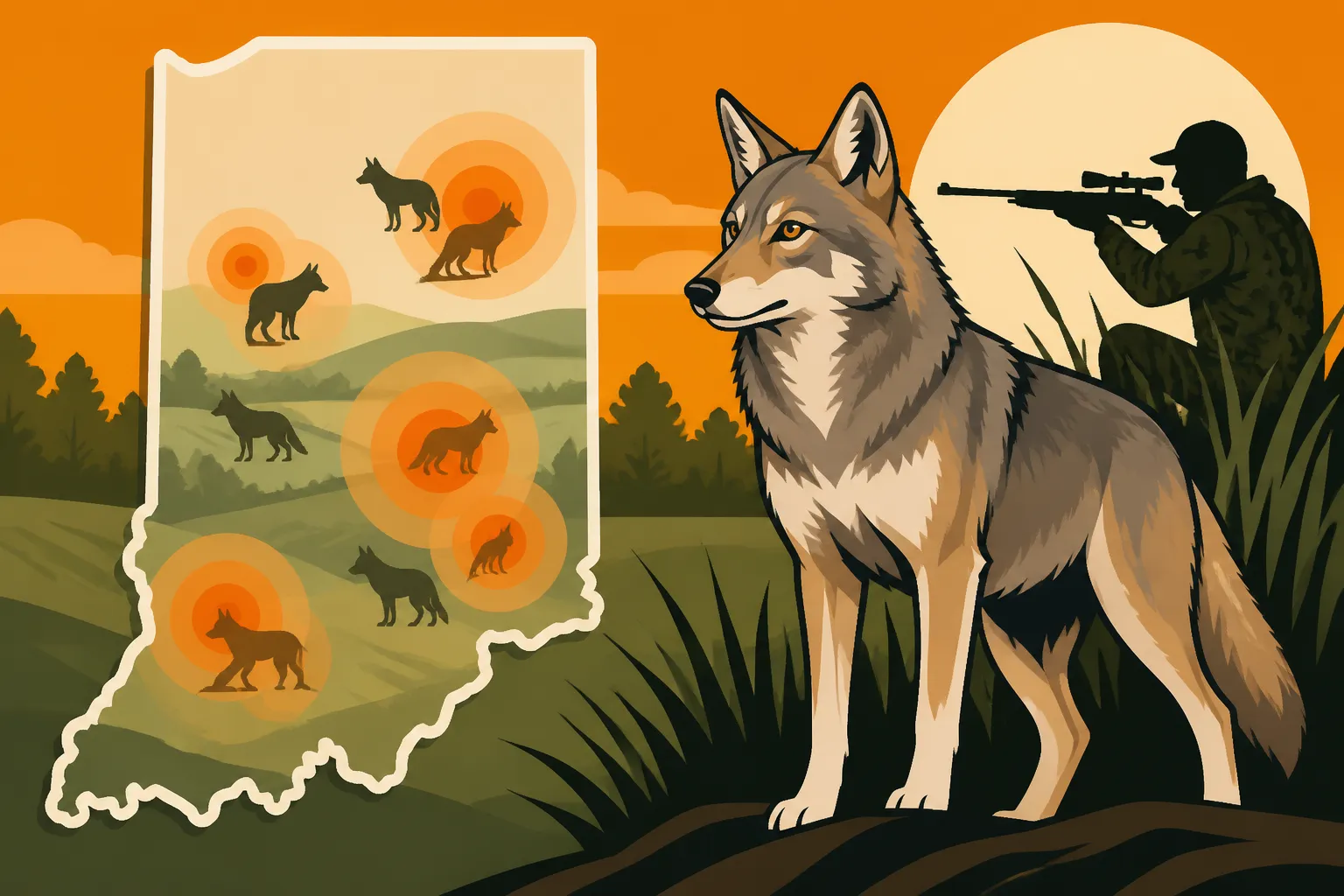
What these various indicators consistently show is that coyotes are widespread and abundant throughout Indiana. While you won't get a precise "X number of coyotes per square mile," you can safely assume that if suitable habitat and prey exist, coyotes are there. In parts of southern Indiana's hill country, where wild areas are larger, or in the patchwork of woodlots and fields in northern farming regions, their presence is almost guaranteed. If you're using a tool like the GoHunt app for scouting, you might notice patterns of coyote sign in areas that show good cover and water, which aligns with higher local densities. This understanding helps hunters and landowners assess the likelihood of encountering these cunning predators in their specific areas.
Coyote Behavior and Its Impact on Other Game Species
Coyotes aren't just an interesting part of Indiana's ecosystem; their presence and behavior have tangible impacts on other wildlife, particularly game animals that hunters pursue. Understanding these interactions is crucial for anyone interested in wildlife management or simply comprehending the natural world around us. It's a complex web where every player has a role.
Impact on Deer: Fawn Predation and Population Dynamics
One of the most significant concerns for deer hunters and wildlife managers regarding coyotes is their impact on deer populations, specifically through fawn predation. While adult, healthy deer are generally too fast and powerful for a lone coyote, vulnerable fawns are a different story. Research across various states, including those with similar habitats to Indiana, has shown that coyotes can be a primary cause of fawn mortality. This often occurs within the first few weeks of a fawn's life when they are most helpless, lying still to avoid detection.
While coyotes certainly contribute to fawn mortality, it's important to understand the broader context. A healthy, robust deer herd can often absorb some level of fawn predation without a drastic overall decline. However, in areas where deer populations are already stressed by factors like poor habitat, disease, or severe winters, significant fawn predation by coyotes can hinder population growth or even contribute to local declines. For hunters focusing on Hunting Southern Indiana Ridges or Hunting Northern Indiana Farmland Deer, knowing that coyotes are present means considering their impact on recruitment when assessing deer numbers. Their impact isn't always negative though, as they can also help keep deer populations healthy by culling weaker or diseased animals, playing a natural role in maintaining balance.
Pressure on Small Game and Upland Birds
Beyond deer, coyotes exert considerable pressure on smaller game species, including rabbits, squirrels, and various upland birds like wild turkeys and pheasants. Rabbits, being a primary food source for many predators, are consistently targeted by coyotes. If you're out Rabbit Hunting Indiana Fencerows and notice a strong coyote presence, it's a good bet they're also partaking in the local cottontail population. While it might seem like a direct competition, nature often finds a balance, and healthy rabbit populations can usually sustain some predation.
For turkeys, coyotes are known nest predators, capable of sniffing out and destroying turkey nests, which can significantly impact poult-to-hen ratios and overall turkey numbers, especially in regions like those where you might be Hunting Indiana's Fall Turkey Windows. They'll also prey on young poults and even adult turkeys, particularly during vulnerable times like roosting. Pheasants and other ground-nesting birds face similar threats. The good news is that healthy habitats with ample nesting cover can help buffer some of this predation, giving these birds a fighting chance. It's another layer of the intricate predator-prey relationship that shapes our Indiana landscapes.
Coexisting with Domestic Animals
Unfortunately, the opportunistic nature of coyotes means that their diet isn't always limited to wild game. In areas where rural and suburban development meets wild spaces, coyotes can sometimes prey on domestic animals. Small pets like cats and small dogs, if left unattended, can become targets. For farmers and rural residents, livestock, particularly young calves, sheep, and poultry, can also be vulnerable. This is where the tension between human activity and wildlife can become most pronounced.
Landowners experiencing issues with coyotes often seek solutions to protect their animals. This can range from securing enclosures and ensuring pets are not left out after dark to more active management like trapping or hunting. It’s important for anyone living in or recreating near coyote habitat to be aware of their presence and take precautions. Understanding their natural behavior – that they are driven by hunger and opportunity – can help in implementing strategies for peaceful coexistence and reducing conflicts. Local regulations for dealing with nuisance wildlife can be an important resource in these situations.
Scouting for Coyotes: Reading the Landscape
For hunters, trappers, or simply wildlife enthusiasts interested in understanding and locating coyotes, effective scouting is paramount. Just like you'd scout for deer or turkeys, learning to read the signs of coyotes on the landscape will give you a significant advantage. It's about paying attention to the subtle clues they leave behind, whether you’re on public ground or trying to get a read on a private tract.
Common Sign and Where to Find It
Coyotes leave behind a variety of clues, and once you know what to look for, you'll start seeing them everywhere. Tracks are a dead giveaway, often appearing similar to a dog's but typically more oval with toes closer together, and often in a straight line, indicating their efficient traveling gait. Look for tracks along old logging roads, sandy creek beds, field edges, and game trails. Scat is another common sign, often rope-like and containing hair, bone fragments, or berries, depending on their recent diet. They frequently deposit scat on elevated spots like rocks, stumps, or along trails, possibly as a territorial marker.
Another key sign is hair caught on fences, briars, or low branches, especially along popular travel routes. If you find a fresh kill site, particularly a partially eaten deer fawn or rabbit, and the carcass shows signs of tearing and gnawing typical of a canine, it's a strong indicator of coyote activity. Lastly, don't underestimate their vocalizations. Hearing howls, yips, and barks, especially at dawn or dusk, can pinpoint their general location. Being able to interpret these signs is like reading a secret language written on the forest floor, telling you exactly where these cunning predators have been and where they might be headed next. When Scouting Indiana Public Land Before Season, keep an eye out for these subtle indicators.
Utilizing Technology for Scouting
In today's world, technology has become an invaluable tool for scouting, and coyotes are no exception. GPS mapping apps, like the excellent GoHunt platform, can help you identify prime coyote habitat by highlighting features like dense cover, water sources, and pinch points that coyotes would naturally use for travel and hunting. You can mark sightings, tracks, and scat locations, building a detailed picture of their movement patterns over time. This is especially useful for identifying bottlenecks or funnels where you might consider setting up for Coyote Calling in Indiana Farm Country or placing traps.
Trail cameras, traditionally used for deer, are also incredibly effective for monitoring coyote activity. Place them on game trails, near potential den sites, or along fencerows where you've noticed sign. The timestamps on the photos will reveal their preferred travel times, which is critical if you're planning a hunt or need to understand their nocturnal habits for Night Hunting Rules for Indiana Coyotes. Some advanced cameras even offer cellular connectivity, allowing you to get real-time alerts, saving you countless trips to check cards. Using these tools allows for a much more efficient and informed scouting effort, turning guesswork into calculated strategy.
Hunting and Trapping as Management Tools
For many, managing coyote populations is not just about understanding them, but actively participating in their control. Whether for recreation, protecting livestock, or reducing predation on game, hunting and trapping are viable and often necessary tools. It's about employing smart strategies and understanding the methods that are most effective against these intelligent animals.
Effective Hunting Strategies for Coyotes
Hunting coyotes in Indiana can be a challenging but rewarding pursuit. The most common and often effective strategy involves calling. Using electronic callers with a variety of distress sounds (rabbit, fawn, bird) or coyote vocalizations (howls, barks) can draw coyotes in. It's crucial to set up downwind, conceal yourself well, and be ready for a quick shot, as coyotes often approach cautiously, circling to get a read on the situation. Early morning and late evening are prime times, but they can be called in midday, especially during the breeding season. Many hunters find success with specific tactics like Coyote Calling in Indiana Farm Country or Predator Calling Southern Indiana Ridgelines, adapting their approach to the specific terrain.
Another strategy, especially in areas with moderate snow cover, is tracking. Following fresh tracks can lead you to bedding areas or active hunting grounds. Still-hunting, moving slowly and deliberately through known coyote haunts, can also be effective, particularly in dense cover where calling might be difficult. During the winter months, when food sources are scarcer and coyotes are more active during daylight hours, these methods can yield results. Remember to always be aware of your surroundings, especially if you're on public land, and always prioritize safety.
Trapping: A Year-Round Option for Control
Trapping is another highly effective method for controlling coyote populations, and it offers the advantage of being a year-round activity in Indiana (though specific furbearer seasons apply to other species). Trapping requires specific knowledge, skill, and adherence to regulations, but it allows for consistent pressure on local coyote numbers. Common methods include foothold traps and snares, placed strategically along travel routes, pinch points, or near bait stations.
Successful trapping relies on understanding coyote behavior, including their natural curiosity and territorial instincts. Baits and lures play a critical role, drawing coyotes to the trap sets. It's a method that demands dedication, persistence, and attention to detail, as coyotes are notoriously wary. For those interested in this approach, resources on Trapping Indiana Furbearers can provide invaluable guidance, ensuring you're employing safe, legal, and humane practices. Trapping can be particularly useful for landowners experiencing depredation issues, offering a direct means of managing problem animals.
Ethical Considerations and Best Practices
Whether hunting or trapping coyotes, ethical considerations and best practices are paramount. It's important to be a responsible hunter or trapper, adhering to all state regulations concerning seasons, methods, and landowner permission. For example, understanding Indiana Coyote Hunting Season Rules is essential before heading afield. When hunting, strive for clean, humane kills, and retrieve any animals taken. When trapping, check traps regularly, use appropriate equipment, and ensure that non-target animals can be released unharmed.
Respect for the animal, even as a predator, is a core tenet of responsible wildlife management. Coyotes are incredibly intelligent and contribute to the ecosystem by culling weaker animals and controlling rodent populations. Our efforts to manage them should be thoughtful and informed, aiming for balance rather than eradication. By employing ethical practices, hunters and trappers play a vital role in maintaining healthy wildlife populations and respecting the land we share with these cunning predators.
Disclaimer
This article is for general informational purposes only and does not constitute professional advice. Laws, prices and regulations vary by location and change over time. Consult a qualified professional for guidance on your specific situation.