Indiana Deer Vehicle Collisions
If you've spent any time driving Indiana's roads, especially outside of our larger cities, you've likely had a heart-stopping moment involving a deer. Maybe it was a near miss, or perhaps, sadly, a direct collision. Deer vehicle collisions are a frustrating, often dangerous reality for Hoosier drivers, causing significant damage, injuries, and a deep sense of helplessness. This guide will walk you through understanding why these incidents are so prevalent, when and where they're most likely to occur, and practical steps you can take to protect yourself and what to do if the worst happens.
The Harsh Reality of Deer Vehicle Collisions in Indiana
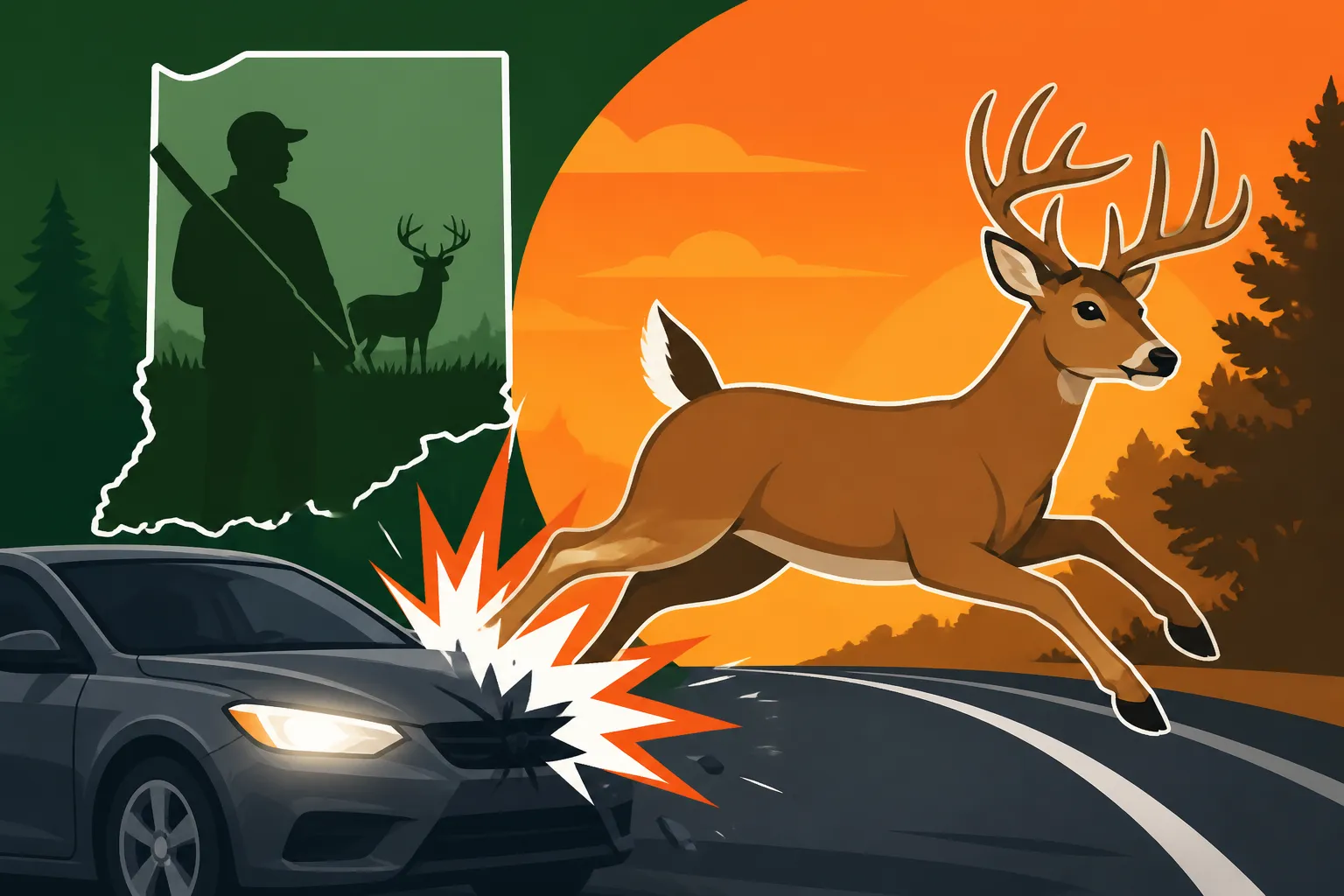
There's a unique kind of dread that sets in when you see a deer standing on the shoulder, or worse, leaping into your path on an Indiana road. It's not just a statistic; it's a real-world, often traumatic event for drivers across our state. Every year, thousands of Hoosiers deal with the aftermath, from crumpled fenders to totaled vehicles, and sometimes, far more serious consequences.
The Emotional and Financial Toll
Let's be real: hitting a deer is terrifying. That sudden impact, the crunch of metal, the realization of what just happened – it stays with you. Beyond the shock and the lingering anxiety, there's the immediate headache of what comes next. Filing insurance claims, arranging for repairs, dealing with deductibles, and sometimes being without a vehicle for days or weeks. For many, especially those living paycheck to paycheck, this unexpected expense can be a major setback. It's not just about replacing a headlight; it's about the disruption to your daily life, your commute, and your peace of mind. The financial impact can stretch into the thousands, and even if insurance covers most of it, the hassle factor is immense.
A Common Hoosier Occurrence
Deer are a beautiful and integral part of Indiana's wildlife, and their populations are thriving in many areas. While that's great for hunters and wildlife enthusiasts, it means more deer are crossing roads as they move between feeding, bedding, and watering areas. You don't have to be out in the deep woods of the Hoosier National Forest to encounter deer; they're just as likely to appear on a suburban street near Indianapolis or a two-lane highway carving through northern Indiana farmland. The sheer number of deer in the state means that encounters on our roadways are incredibly common, making it one of the most frequent types of wildlife-related incidents drivers face. If you haven't hit a deer yourself, you almost certainly know someone who has.
Understanding the "Why" Behind the Collisions
To effectively deal with the problem of deer vehicle collisions, it helps to understand the underlying causes. It's a complex interplay of wildlife behavior, habitat, human development, and even the changing seasons.
Deer Population Dynamics and Habitat
Indiana boasts a robust Indiana Deer Population Estimate, a testament to successful wildlife management and the resilience of these animals. Deer are incredibly adaptable creatures, thriving not only in expansive forests but also in fragmented woodlands, agricultural fields, and even urban green spaces. As their numbers have grown, so too has their need for space and resources. They're constantly on the move, searching for food, water, and mates. A mature buck might travel significant distances, and even a doe with fawns will lead her offspring across familiar territories that happen to intersect with our roadways.
These movements are heavily influenced by the available habitat. Deer often live in woodlots that are separated by farm fields or roads, forcing them to cross open areas to get from one bedding cover to another or to access new food sources. Farmers planting different crops, timber harvests creating new clearings, or even just the natural growth of cover can alter deer movement patterns year to year, making their appearances on roads sometimes unpredictable. Understanding the local Indiana Deer Herd Size can give you an idea of the general pressure in your area, but remember, deer are everywhere.
Human Expansion and Roadway Design
As Indiana continues to grow, our human footprint expands. New housing developments push further into rural areas, agricultural lands are converted, and more roads are built or expanded. This constant encroachment on deer habitat inevitably leads to increased interactions. What was once a deer trail through a quiet woodlot might now be a subdivision street or a bustling highway. Deer, being creatures of habit, often continue to use these traditional travel corridors, even when they've been paved over.
The design of our roads themselves can also contribute to the problem. Long, straight stretches through open fields can lull drivers into a false sense of security, making it harder to react when a deer suddenly bolts from a ditch. Blind corners, deep ditches that hide approaching deer, and insufficient fencing along highway corridors all exacerbate the issue. We're asking wildlife to navigate an increasingly complex and dangerous landscape, and collisions are an unfortunate byproduct.
Seasonal Behavior and the Rut
While deer are a year-round presence, certain times of the year see a dramatic spike in collisions. This isn't random; it's directly tied to deer biology and behavior. The absolute peak for deer vehicle collisions in Indiana coincides almost perfectly with When the Indiana Rut Peaks. As October turns to November, bucks are actively seeking does, often throwing caution to the wind. They're moving more, often at odd hours, and are less aware of their surroundings. Does, in turn, are trying to evade persistent bucks, and their movements become more erratic.
But the rut isn't the only time. Spring sees an increase as well, when does are pushing their yearlings away to prepare for new fawns, and those young deer are suddenly navigating the world on their own. Later in the year, as crops are harvested, deer lose critical cover and are forced to move more, often seeking new food sources in winter. This makes them more visible and more likely to cross roads, especially as they head toward Late-Season Food Sources for Indiana Whitetails. The weather also plays a role; cold fronts can get deer up and moving, as can sudden snowfalls.
Navigating Peak Times and High-Risk Zones
Knowing when and where deer are most active can be your best defense against a collision. While you can never eliminate the risk entirely, being aware significantly improves your chances of avoiding a mishap.
Daily and Seasonal Peaks
It’s not just the rut you need to worry about. Deer movement typically spikes during specific times of day, mirroring their natural crepuscular (dawn and dusk) habits. Think about your morning commute and your drive home after work – these are the absolute riskiest times.
| Time of Day | Seasonal Peak | Why |
|---|---|---|
| Dawn (5 AM – 8 AM) | Fall (October-December) | Deer moving from night feeding to daytime bedding areas; rut activity |
| Dusk (5 PM – 8 PM) | Fall (October-December) | Deer moving from bedding areas to night feeding areas; rut activity |
| Mid-day (Less common) | Rut (Early November) | Bucks actively chasing does, less predictable movement |
| Any time | Spring (May-June) | Young deer dispersing, mothers pushing yearlings away |
During the fall, especially in October and November, this risk is magnified due to the breeding season. Bucks are covering miles, often in pursuit of does, making them less attentive to vehicle traffic. Does are also on the move to find mates or avoid persistent bucks, often crossing roads quickly and unexpectedly. When you see one deer, always assume there are more nearby. Deer often travel in small groups, or a buck might be following a doe.
Identifying High-Risk Geographical Areas
While deer are spread across Indiana, certain areas see higher collision rates than others. Broadly, areas with a mix of dense woodland and agricultural fields, or those where suburban sprawl meets natural habitat, are hotspots. For example, the transitional zones between forested areas and cultivated land, especially near river bottoms like the Wabash River bottomland, often funnel deer movement. Similarly, areas adjacent to state forests, Fish and Wildlife Areas, or even larger regional parks act as magnets for deer populations, increasing the likelihood of them crossing nearby roads.
You can often spot these areas by looking for "Deer Crossing" signs, but don't rely solely on them; deer don't read signs! Pay attention to your surroundings:
- Wooded Edges: Where forests meet fields, deer frequently emerge.
- Creek and River Crossings: Deer use these corridors for travel and water.
- Ravines and Ditches: These can hide deer until they're right at the road's edge.
- Areas with Standing Crops: Cornfields, especially, offer excellent cover, and deer can burst out without warning. Check out how Entry Routes Through Standing Corn affect deer movement.
- Urban/Suburban Green Spaces: Parks, golf courses, and even large residential yards can hold surprising numbers of deer.
Using apps like GoHunt or other mapping tools to identify areas with dense cover, water sources, and agricultural fields can give you a better understanding of where deer might be concentrated, even if you're just driving through. This kind of scouting isn't just for hunters; it's valuable for drivers too.
How Weather Influences Deer Movement
Beyond the seasons and daily patterns, weather can also play a significant role in deer activity.
- Cold Fronts: A sudden drop in temperature, especially in the fall, can spur deer to move more, seeking out food sources to build up fat reserves for winter.
- Snowfall: Light snow can increase deer movement as they forage before deeper snow covers food. Heavy snow can push deer into more accessible areas, sometimes closer to roads.
- Rain: During and immediately after rain, deer movement can be reduced, but they might be on the move directly before a storm hits or once it breaks, making visibility tricky for drivers.
- Fog: Fog significantly reduces visibility for both drivers and deer, making collisions more likely if deer are on the move.
Always be extra vigilant when weather conditions are less than ideal, as deer may be moving unpredictably, and your ability to see and react is diminished.
Strategies for Prevention and Post-Collision Steps
While you can't control wild deer, you can control your driving habits and your response to a collision. Taking proactive steps can greatly reduce your risk, and knowing what to do if the worst happens will make a difficult situation more manageable.
Defensive Driving Tactics
The best defense against a deer vehicle collision is a proactive and attentive driving style. This isn't just about watching the road; it's about anticipating what might happen.
- Scan the Shoulders and Beyond: Don't just look at the asphalt immediately in front of you. Keep your eyes moving, scanning the ditches, tree lines, and fields ahead. Deer often stand just out of sight before darting out.
- Slow Down in High-Risk Areas and Times: This is perhaps the most crucial tip. Reducing your speed gives you more reaction time. If you're driving through a known deer crossing area at dawn or dusk, knock 5-10 mph off your speed limit. It might seem small, but it can make a world of difference.
- Use High Beams When Possible: At night, on unlit roads, high beams can illuminate deer further down the road, giving you precious extra seconds to react. Just remember to dim them for oncoming traffic.
- Look for Eye Shine: At night, a deer's eyes will reflect your headlights, often appearing as two bright spots. If you see them, slow down immediately.
- Brake, Don't Swerve: This is tough advice to follow in the moment, but it's critical. Swerving to avoid a deer can lead to a more severe accident, causing you to hit another vehicle, a tree, or overturn your car. It's almost always safer to brake firmly and stay in your lane, even if it means hitting the deer.
- Honk Your Horn: A sustained blast of your horn might startle a deer and cause it to move away, or at least hesitate, giving you a chance to pass safely.
- Assume More Than One: As mentioned, deer rarely travel alone. If you see one cross, expect others to follow.
- Consider Deer Whistles (with caution): While their effectiveness is debated, some drivers swear by deer whistles. They're inexpensive and certainly can't hurt. However, don't rely on them as your sole defense.
Being extra cautious during Indiana Deer Season Overlap With Small Game is also a good idea, as hunter activity might shift deer patterns, potentially pushing them into areas they wouldn't normally frequent.
What to Do Immediately After a Collision
Despite your best efforts, a collision might still happen. Knowing how to react in the immediate aftermath is crucial for your safety and for proper reporting.
- Pull Over Safely: If possible, steer your vehicle to the side of the road, engage your hazard lights, and turn off your engine. If your car is inoperable or poses a danger, get yourself and your passengers to a safe location away from traffic.
- Assess Yourself and Passengers: Check for injuries first. If anyone is injured, call 911 immediately.
- Do NOT Approach the Deer: A wounded deer can be unpredictable and dangerous. It's easy to get kicked or bitten. Even if it appears dead, keep your distance.
- Call the Police: Report the accident to local law enforcement (sheriff, state police, or city police). They can assist with traffic control, documentation, and determining if the animal needs to be dispatched or removed. This is important for insurance claims.
- Document the Scene: Take photos of your vehicle's damage, the location, and, if safe to do so, the deer. Note the exact time and location. This documentation will be invaluable for your insurance claim.
- Contact Your Insurance Company: Report the incident as soon as possible.
- Salvaging the Deer: In Indiana, if you hit and kill a deer, you are generally allowed to salvage the carcass for consumption, but you must contact law enforcement within 24 hours to obtain a salvage permit. This permit confirms that the deer was killed unintentionally and legally allows you to possess it. Keep this in mind if you're a hunter who enjoys venison! GoHunt and similar apps may have community features where you can see reported roadkills, but always confirm with law enforcement for official salvage.
Understanding Salvage and Reporting
The Indiana Department of Natural Resources (DNR) has clear guidelines regarding deer vehicle collisions. As mentioned, if you want to keep the deer you've hit, you must contact a law enforcement officer within 24 hours to obtain a "claim and possession permit." This permit is essential and prevents any legal issues down the road. The officer will typically document the incident and issue you the necessary paperwork.
Sometimes, the deer isn't dead, and it's suffering. In these cases, law enforcement or the DNR can humanely dispatch the animal. Never try to do this yourself unless you are a qualified professional or specifically instructed by an officer and it's safe to do so.
For hunters who regularly participate in events like Hunting Indiana Now That Rifles Are Legal Statewide or Bowhunting Indiana's Long Archery Season, you're likely familiar with proper deer handling. If you decide to salvage a road-killed deer, treat it with the same care and respect you would a harvested animal, ensuring it's processed quickly and safely for consumption. Remember to always report the incident and get your permit. This diligence helps the state monitor Indiana Deer Population Estimate and manage our wildlife effectively.
Ultimately, while deer vehicle collisions are an unavoidable part of driving in Indiana, being informed and prepared can significantly lessen their impact. Drive safely out there!
Disclaimer
This article is for general informational purposes only and does not constitute professional advice. Laws, prices and regulations vary by location and change over time. Consult a qualified professional for guidance on your specific situation.