Best-Eating Game in Indiana
Hunters often find themselves in spirited debates around the campfire or kitchen table, arguing about which game animal truly offers the finest dining experience. In Indiana, with its rich tapestry of forests, farmlands, and wetlands, we're blessed with an abundance of diverse game, each offering its own unique flavors and culinary challenges. It's not just about bagging an animal; it's about honoring that harvest by preparing it in a way that truly highlights its natural goodness. This guide aims to settle some of those friendly debates and provide insights into the best-eating game Indiana has to offer, from the big woods to the smallest fields.
The Prized White-Tailed Deer: Indiana Venison
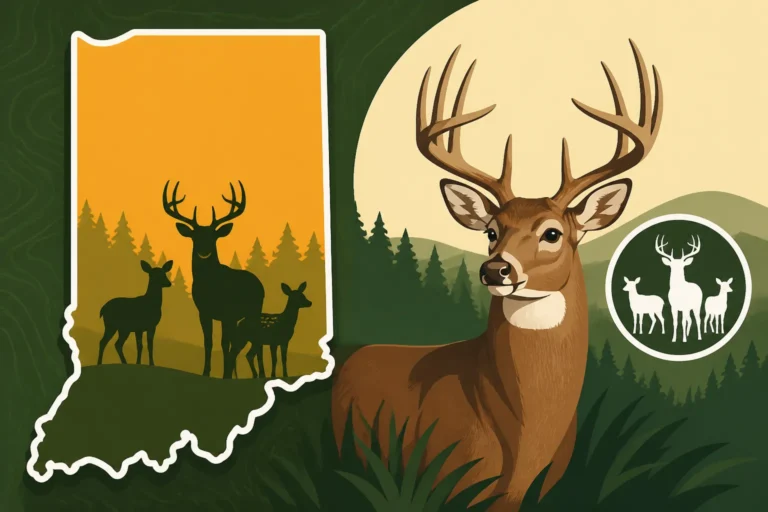
For many Hoosier hunters, the white-tailed deer stands as the ultimate prize, not just for the thrill of the hunt but for the lean, delicious venison it provides. There’s a reason deer season is so anticipated across the state – it’s a chance to fill the freezer with high-quality protein that tastes nothing like store-bought beef. The flavor can vary greatly depending on the deer's diet, age, and how it was handled immediately after the shot, but generally, Indiana venison is revered for its rich, earthy taste.
Flavor Profile and Texture
Indiana venison boasts a distinctly lean, savory flavor that can be described as robust and slightly gamey, though "gamey" often gets a bad rap. When properly handled, this "gamey" note is actually a desirable wild tang, not an unpleasant metallic or liver-like taste. The meat is very lean, significantly leaner than most cuts of beef, which means it has less intramuscular fat. This leanness contributes to its firm texture and makes it a healthy choice for many. You’ll find the tenderloins and backstraps to be exceptionally tender, while the hindquarter roasts and steaks are firmer but still incredibly palatable when cooked correctly.
The diet of an Indiana deer plays a huge role in its flavor. A deer harvested from a cornfield near Lafayette or a soybean field up near South Bend might have a slightly milder, sweeter flavor profile compared to one taken from the deep woods of the Hoosier National Forest Hunting that has been foraging on acorns and woody browse. Younger deer generally have a milder flavor and more tender meat than older bucks, especially those harvested during the peak of the rut, whose meat can sometimes carry stronger hormonal notes. Understanding these factors can help manage expectations and guide your cooking methods.
Optimal Processing and Aging
The journey from field to fork is critical for venison quality. A quick, ethical kill and immediate field dressing are paramount. Getting the internal organs out quickly allows the carcass to cool down rapidly, preventing bacteria growth and off-flavors. Many hunters swear by chilling the carcass thoroughly before processing, ideally for several days, a process often referred to as "aging." This natural enzymatic breakdown of muscle fibers significantly tenderizes the meat and can enhance its flavor. For those chilly late-season hunts during Muzzleloader Deer Hunting in Indiana or Hunting the Late-Season January Lull, this cooling process is much easier to manage.
Proper butchering is equally important. Removing all fat, silver skin, and connective tissue is essential, as these are the primary sources of any truly "gamey" or undesirable flavors. Unlike beef fat, deer fat tends to have a waxy consistency and a stronger flavor that doesn't render down pleasantly during cooking, so meticulous trimming is key. Many hunters choose to grind some of the tougher cuts, often mixing them with a small percentage of pork fat to add moisture and improve texture for burgers, chili, or sausage. Resources like those found on GoHunt can even help you find local processors if you're not keen on doing it all yourself.
Versatile Culinary Applications
Indiana venison is incredibly versatile in the kitchen. The prized backstraps and tenderloins are often seared quickly to a medium-rare, letting their natural flavor shine. Think of a pan-seared backstrap medallion with a simple herb butter sauce, or sliced thin for a delicious stir-fry. Tougher cuts, like those from the shoulders or hindquarters, benefit from slow cooking methods. These are perfect for hearty stews, chili, pot roasts, or pulled venison sandwiches. Ground venison is a staple for venison burgers, tacos, meatloaf, or even homemade venison sausage.
For a true taste of Indiana hunting heritage, try chicken-fried venison steak using tenderized cuts, or a rich venison chili on a cold winter night. Marinating can also be a game-changer, especially for tougher cuts or if you prefer a milder flavor. A simple marinade with olive oil, garlic, rosemary, and a touch of red wine vinegar can do wonders to tenderize and infuse flavor. Experimentation is key, and with a good freezer full of well-cared-for venison, you’ll have plenty of opportunities to find your favorite preparations. Butchering a Deer at Camp can be a great way to bond and prepare your meat properly.
Feathered Delights: Turkey and Waterfowl
Beyond deer, Indiana offers some fantastic feathered game that can be truly delectable on the dinner table. Wild turkey, with its lean and flavorful breast meat, is a celebrated meal, while various waterfowl, particularly ducks, provide a rich, dark meat experience unique among game birds.
Wild Turkey: Lean and Flavorful
Harvesting a wild turkey in Indiana, whether during the Spring Turkey Hunting in Indiana opener or the Hunting Indiana's Fall Turkey Windows, is an exhilarating experience, and the reward is fantastic table fare. Wild turkey meat is significantly leaner and has a more robust flavor than its domestic counterparts. The breast meat is often praised for its firm texture and deep, earthy taste, while the leg and thigh meat is darker, tougher, and incredibly flavorful, benefiting from slow cooking.
The breast meat, being so lean, needs careful cooking to prevent it from drying out. Many hunters choose to brine their turkey breasts to retain moisture and enhance flavor before roasting, grilling, or pan-searing. Cutting the breast into cutlets for quick pan-frying or breading for "turkey nuggets" are popular methods. The leg and thigh meat, which can be quite sinewy, is exceptional when braised slowly in liquid until it falls off the bone. This makes for incredible pulled turkey sandwiches, tacos, or a rich stew. Don't forget the heart and liver, which are often prized by adventurous eaters for their rich flavor. For a classic preparation, try a recipe like Cooking a Wild Turkey Breast.
Ducks and Geese: A Rich Experience
Indiana's position on the Mississippi Flyway means excellent waterfowl hunting, especially in areas like the Kankakee River Marshes. Ducks and geese offer a completely different flavor profile compared to upland birds or deer. The meat is universally dark, rich, and incredibly flavorful, often described as having notes similar to beef liver or a fine steak, especially with certain species like mallards or pintails. This richness comes from their diet and active lifestyle, which builds dark, iron-rich muscle.
The key to delicious duck and goose lies in not overcooking it and handling it correctly in the field. Plucking the birds instead of skinning (if you plan to roast them whole) allows the fat layer under the skin to render, basting the meat and adding flavor and moisture. Duck breasts are often seared skin-side down to crisp the skin and render the fat, then flipped and cooked quickly to a medium-rare or medium for optimal tenderness and flavor. Overcooked duck or goose can become tough and livery. The legs and thighs, like turkey, are best slow-cooked, braised in stews, or used for confit. Remember to check regulations on lead shot for waterfowl; Where Nontoxic Shot Is Required in Indiana is crucial information.
Here’s a quick comparison of popular Indiana game for the table:
| Game Species | General Flavor Profile | Best Cuts/Parts | Recommended Cooking Methods |
|---|---|---|---|
| White-Tailed Deer | Lean, robust, earthy, savory | Backstrap, Tenderloin, Roasts, Ground | Seared, grilled, roasted, stewed, ground for burgers/chili |
| Wild Turkey | Lean, earthy, firm | Breast, Thighs, Legs | Pan-seared, roasted, grilled (breast); Braised, stewed (legs/thighs) |
| Mallard Duck | Rich, dark, beefy, slightly sweet | Breast, Legs, Fat | Seared to medium-rare (breast); Confit, braised (legs) |
| Canada Goose | Rich, gamey, robust | Breast, Legs, Ground | Seared, roasted, stewed, ground for sausage/burgers |
| Fox/Gray Squirrel | Mild, nutty, lean | Entire carcass | Fried, stewed, braised, pot pie |
| Eastern Cottontail | Mild, tender, chicken-like | Entire carcass | Fried, stewed, roasted, braised |
Field Care for Waterfowl
Just like venison, proper field care makes all the difference for waterfowl. Immediately after the harvest, ducks and geese should be cooled as quickly as possible. If temperatures are warm, gutting them in the field can help cool them faster. However, many hunters prefer to pluck and process them whole at home, keeping them cool in a cooler with ice until then. The most important thing is to prevent the meat from getting warm, especially if you plan to keep the skin on. A little bit of extra effort in the field ensures that your hard-earned birds taste their very best on the plate.
Small Game, Big Flavor: Squirrels and Rabbits
While deer and turkey often grab the spotlight, Indiana's small game offers some truly classic and delicious hunting opportunities. Squirrels and rabbits might be smaller, but their meat is tender, mild, and wonderfully versatile, making them a staple in traditional Hoosier cooking.
Squirrel: A Southern Indiana Staple
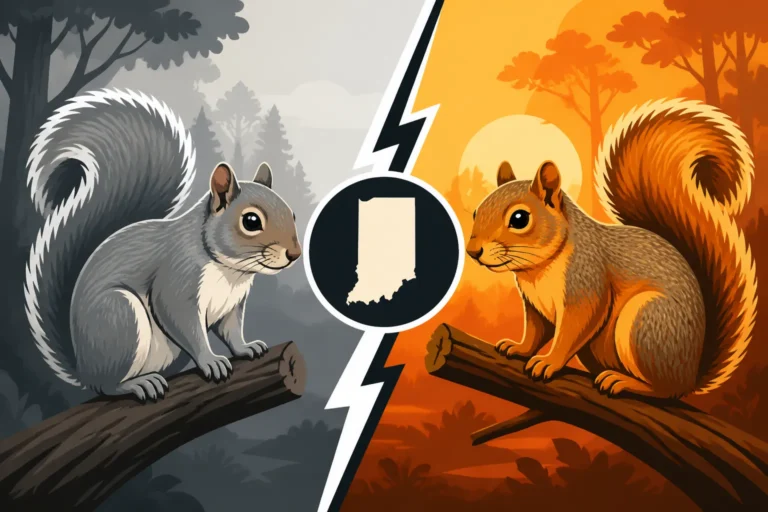
Squirrel hunting is a treasured tradition for many, especially in the hardwood forests of Southern Indiana where species like the fox and gray squirrel thrive. The meat is lean, mild, and often described as having a slightly nutty flavor, particularly from squirrels that have been feeding heavily on acorns and hickory nuts. It's truly a delight when prepared well, reminiscent of dark meat chicken but with its own unique wild character.
Squirrels are typically skinned and cleaned soon after harvest. Because of their small size, the entire carcass (minus the head and feet) is usually cooked. The meat benefits greatly from moist-heat cooking methods. Fried squirrel, often dredged in seasoned flour and pan-fried until golden brown, is a southern Indiana classic. Stewing squirrel with vegetables in a rich broth, or baking it into a hearty pot pie, brings out its tenderness and flavor perfectly. You can find excellent squirrel hunting in places like Yellowwood State Forest Hunting or Jackson-Washington State Forest Hunting. Using GoHunt to locate prime oak and hickory groves can really boost your success.
Rabbit: Tender and Mild
Eastern cottontail rabbits are another fantastic small game species found throughout Indiana, especially in brushy fencerows, thickets, and field edges. Rabbit meat is known for its delicate, mild flavor and very tender texture, often compared to chicken or even pork tenderloin. It's an incredibly versatile meat that cooks relatively quickly and takes well to a variety of seasonings.
Similar to squirrel, rabbits should be field-dressed promptly to ensure the best meat quality. The skin comes off quite easily, and the meat is ready for cooking. Fried rabbit is another popular choice, creating a wonderfully crispy exterior and moist interior. Braised rabbit, slowly cooked in wine or broth with herbs and vegetables, yields incredibly tender, fall-off-the-bone meat perfect for a rustic meal. You can also roast a whole rabbit or use the meat in stews and casseroles. When targeting rabbits, looking for thick cover like Rabbit Hunting Indiana Fencerows can be very productive.
Quick Care for Small Game
The most important aspect of preparing small game for the table is rapid cooling and cleaning. Because their body mass is smaller, they cool faster, but also spoil faster if left in warm conditions. Getting them cleaned, gutted, and on ice or into a cooler quickly is essential. Many small game hunters carry a small cooler in the truck, ready to accept their harvest. This rapid transition from warm field to cool conditions preserves the delicate flavors and ensures a safe, delicious meal.
Ethical Harvest and Care: Keys to Better Eating
No matter what game you pursue in Indiana, the quality of the meat on your plate starts long before it ever reaches the kitchen. Ethical harvesting practices and meticulous field care are the unsung heroes of delicious wild game. It’s a direct reflection of respect for the animal and the hunting tradition itself.
Shot Placement and Recovery
A clean, quick, and ethical kill is paramount not only from a humane standpoint but also for the quality of the meat. A poorly placed shot that results in a prolonged chase or an animal experiencing significant stress before expiring can negatively impact meat quality. The adrenaline and stress hormones released can taint the flavor and cause the meat to be tougher. This is why practicing your shooting, whether with a rifle during Hunting Indiana Now That Rifles Are Legal Statewide or with a bow in Bowhunting Indiana's Long Archery Season, is so vital.
Furthermore, quick recovery is crucial. An animal left in the field for too long, especially in warm weather, begins to spoil rapidly. Bacteria start to grow, and the meat can develop off-flavors. Learning Blood Trailing After Dark in Indiana and being diligent in finding your animal, even if it takes time, is a critical part of ensuring you bring home the best possible table fare.
Cooling and Transport
Once an animal is harvested and field-dressed, getting the body temperature down as quickly as possible is the next most important step. For deer, this means ensuring airflow around the carcass. In warmer early-season conditions, some hunters will even pack the body cavity with ice or hang the deer in a shaded, breezy area to aid cooling. For smaller game, placing them directly into a cooler of ice is often the best method.
Transporting your game home requires thought too. If you're driving a long distance, especially in warm weather, taking steps to keep the meat cool and clean is essential. This might mean using a deer bag, draping the carcass with a wet cloth, or ensuring the cooler is well-stocked with ice. Preventing the meat from sitting in pooled blood also helps avoid undesirable flavors.
Avoiding Off-Flavors
Several factors can contribute to "gamey" or off-flavors that are undesirable. As mentioned, poor field dressing, slow cooling, and stressed animals are major culprits. Another common issue can be a deer's diet during the rut; some bucks can have stronger flavors due to increased hormone levels. Trimming away all fat, silver skin, and connective tissue is the single best way to mitigate these stronger flavors in venison. For waterfowl, proper cooking (not overcooking) is key to avoiding a "livery" taste.
Ultimately, the "best-eating" game in Indiana is subjective and often depends on personal preference, culinary skill, and the care taken from the moment of harvest. However, by understanding the unique characteristics of each species and applying diligent field care and appropriate cooking methods, you can ensure that every meal from your Indiana hunt is a delicious and rewarding experience.
Disclaimer
This article is for general informational purposes only and does not constitute professional advice. Laws, prices and regulations vary by location and change over time. Consult a qualified professional for guidance on your specific situation.