Indiana Feral Hog Diet and Rooting Damage
Indiana's beautiful landscapes, from dense southern forests to fertile northern farmlands, face a persistent and often underestimated threat: the feral hog. These invasive animals aren't just an inconvenience; their relentless search for food leaves a trail of severe destruction, impacting everything from agricultural livelihoods to the delicate balance of native ecosystems. This guide delves deep into exactly what these opportunistic omnivores consume and the widespread devastation their feeding habits, particularly their rooting, inflict across the Hoosier state.
The Opportunistic Appetite of Indiana's Feral Hogs
Feral hogs are the ultimate survivors, adapting their diet to whatever is available in their environment. This adaptability is precisely what makes them such a formidable invasive species, allowing them to thrive in diverse Indiana habitats. They aren't picky eaters; if it's edible and accessible, they'll consume it. This broad dietary spectrum contributes directly to their ability to outcompete native wildlife and cause extensive damage.
The Plant-Based Buffet: Roots, Tubers, and Crops
A significant portion of a feral hog's diet comes from plant matter, and they'll go to great lengths, literally tearing up the ground, to get to it. They are natural rototillers, using their strong snouts to unearth a vast array of subterranean treats.
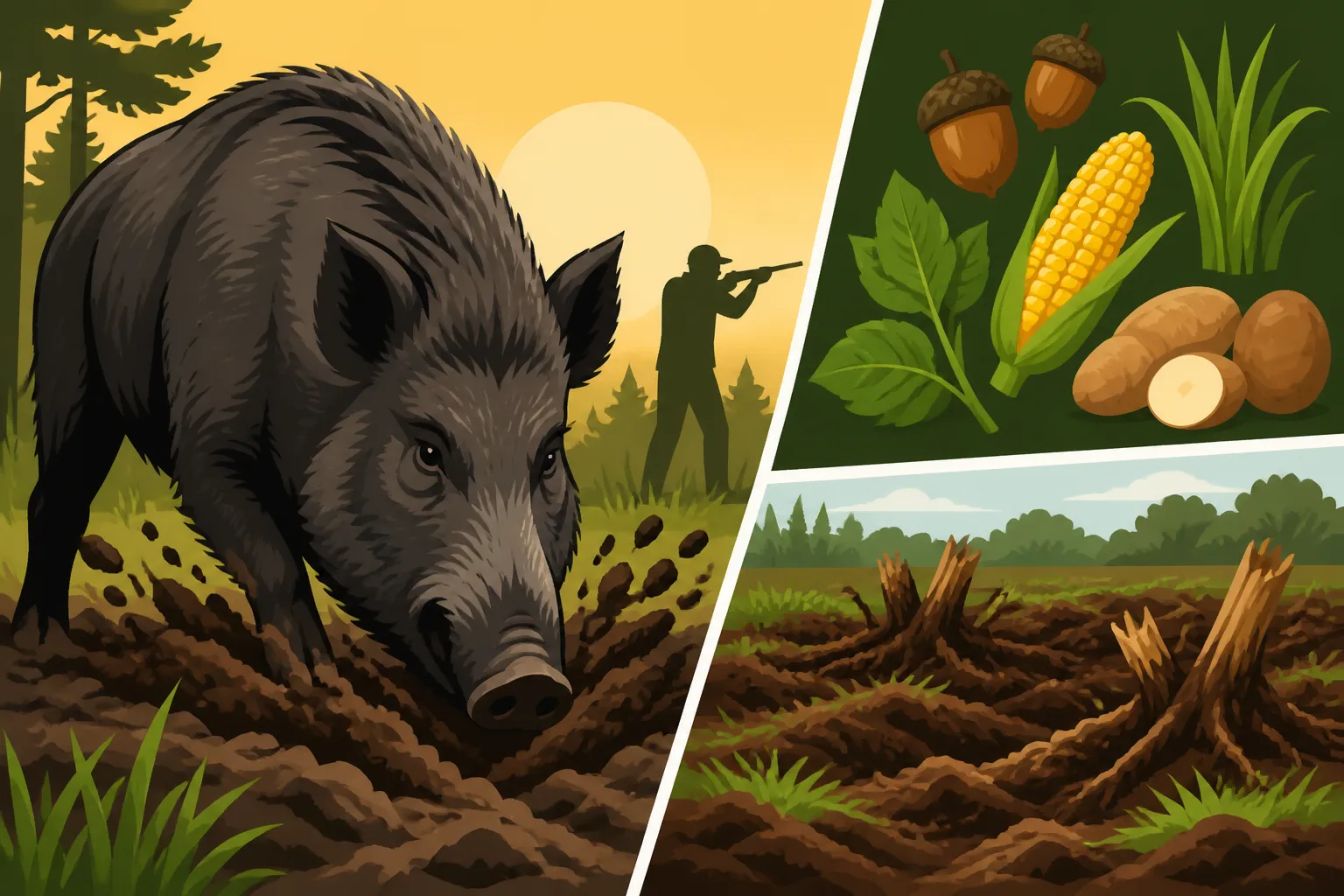
In wooded areas, especially the southern hill country, you'll find them relentlessly digging for acorns, hickory nuts, and various roots and tubers. These natural food sources are critical for many native species like deer, turkeys, and squirrels. When hogs move in, they quickly decimate these resources, creating intense competition. Imagine a prime oak stand, usually a beacon of life in the fall, suddenly looking like it's been tilled by a small tractor, with all the acorns gone. That's the work of a sounder of hogs. Their keen sense of smell allows them to locate these buried treasures with remarkable efficiency, often before other animals even realize they're there. This constant search for sustenance keeps them active day and night, especially during cooler temperatures.
Beyond the forest, Indiana's rich agricultural fields are a veritable grocery store for feral hogs. Corn and soybeans are particularly vulnerable, especially during key growth stages or right before harvest. Hogs will literally mow down rows of young corn, pulling up plants to get to the tender roots and stalks. As corn matures, they'll feast on the ears, leaving behind a destructive mess of half-eaten cobs and trampled stalks. Soybeans are also hit hard, with hogs rooting up plants to eat the protein-rich beans. It's not just staple crops either; specialty crops like potatoes, sweet corn, or melons in market gardens or smaller farms can be completely wiped out in a single night. This isn't just a nuisance; it's a direct financial blow to farmers who often depend on these crops for their livelihoods.
The specific plant foods hogs target can shift dramatically with the seasons. In spring, they might focus on lush, new green growth and young crop sprouts. Summer sees them foraging on berries, soft mast, and maturing row crops. Fall is all about the hard mast – acorns, hickory nuts, walnuts – and the bounty of ripening fields, while winter might drive them to dig deeper for roots, tubers, and overwintering insects when other foods are scarce. This seasonal adaptability means there's rarely a "safe" time for agricultural areas or native ecosystems when hogs are present. Their constant hunt for calories means they're always finding something to eat, whether it's underground, above ground, or from a farmer's carefully cultivated field.
Meat on the Menu: Invertebrates, Vertebrates, and Carrion
While plants make up a large part of their diet, feral hogs are true omnivores and will readily consume animal matter, from tiny insects to the unfortunate fawn that crosses their path. This carnivorous side further enhances their destructive potential, directly impacting native wildlife populations.
They are voracious consumers of invertebrates. You'll often see signs of them digging not just for roots, but for grubs, worms, and other insects buried in the soil. These protein-rich morsels are an easy target, and their presence in the diet adds to the hog's overall nutritional intake, allowing them to maintain good body condition and reproduce effectively. A hog will methodically "plow" through a field, not just for crop roots, but for the invertebrate feast beneath. This further disrupts soil structure and impacts other ground-dwelling creatures.
When the opportunity arises, feral hogs will predate on small vertebrates. This is a particularly concerning aspect of their diet for wildlife managers in Indiana. They are known to raid turkey nests, consuming eggs and even young poults. Ground-nesting birds, rabbits, and other small mammals are also vulnerable. Perhaps most devastatingly, they will actively hunt and consume deer fawns. A doe's natural camouflage and scent-hiding abilities are often no match for a hog's superior sense of smell and relentless pursuit. This predation can have a significant negative impact on local deer populations, especially in areas where hog numbers are high. Understanding the true extent of these impacts helps explain Why Indiana Has No Bear Season, as a key focus is protecting native species from potential threats.
Beyond active predation, hogs are also opportunistic scavengers. They will readily consume carrion, including roadkill, deer carcasses left by hunters, or animals that have died from natural causes. While scavenging can play a role in decomposition, for hogs, it's simply another easy meal that contributes to their impressive ability to gain weight and reproduce. This scavenging behavior also increases the risk of disease transmission, which we'll touch on later. Essentially, nothing goes to waste when feral hogs are around, making them incredibly efficient at exploiting every food resource available in a given landscape.
Water and Forage: The Hydration and Nutrient Drive
Like all living creatures, feral hogs require water, and their quest for hydration and specific nutrients influences their movements and the damage they cause. They are not content with just drinking; they love to wallow.
Hogs are drawn to wet areas like magnets. Creeks, ponds, swamps, and muddy low-lying spots are all prime locations for them. They need water not only to drink but also to cool themselves and to coat themselves in mud, which helps regulate their body temperature and offers protection from parasites and biting insects. These "wallows" are often large, muddy depressions, completely devoid of vegetation, and can be easily spotted along river bottoms or near permanent water sources. The constant churning of mud in these areas further degrades water quality and can spread diseases. You'll often find signs of hogs moving along stream banks and drainage ditches, constantly searching for new wallow locations or simply a drink. Knowing how to read these signs is crucial for hunters using tools like GoHunt to scout Hunting Indiana River Bottom Fnnels where hogs might congregate.
Beyond basic hydration, hogs also seek out specific nutrients, particularly minerals. They will often create "mineral licks" by rooting up soil that has a higher concentration of salts or other minerals. This behavior is similar to what deer do but on a much more destructive scale. They might also consume certain plants specifically for their mineral content. This drive for varied nutrients, coupled with their opportunistic nature, means they aren't confined to one type of habitat for long. They move freely between forests, fields, and wetlands, extracting whatever they need from each.
The intense pressure feral hogs put on available resources, both food and water, has a cascading effect on native wildlife. Their competition for mast, browse, and even water sources means less is available for deer, turkeys, and other game animals. This can lead to decreased body condition, reduced reproductive success, and increased stress for native populations. Understanding this dynamic is key to comprehending the overall ecological threat posed by these animals.
Understanding the Devastating Impact of Rooting Damage
When we talk about feral hogs, the image that most often comes to mind is their destructive rooting. This isn't just a casual digging; it's a powerful, methodical plowing of the earth with their tough snouts, driven by their insatiable appetite. The consequences of this rooting are widespread and costly, affecting agriculture, natural ecosystems, and even infrastructure.
Agricultural Crop Destruction and Economic Losses
For Indiana's farmers, feral hog rooting is a nightmare. A sounder of hogs can destroy acres of crops overnight, turning carefully cultivated fields into a chaotic mess of overturned soil and ruined plants.
Imagine a farmer waking up to find a perfectly uniform cornfield now looks like it's been rototilled in random patches, stalks broken, ears chewed. That's the reality of feral hog damage. Young plants are pulled up and eaten whole, while maturing crops are trampled, rooted through, and partially consumed. Soybeans, wheat, oats, potatoes, melons, and even hayfields can all fall victim. The damage isn't just about what they eat; it's about what they waste and trample in their pursuit of food. This translates directly into significant yield reduction, sometimes a complete loss for affected areas of a field. One farmer might lose a few hundred bushels, another might lose entire acres, wiping out thousands of dollars in potential income.
The financial burden on Indiana farmers can be crippling. Beyond the direct loss of crops, there are costs associated with repairing damage to fields, re-seeding, and implementing deterrents, which are often ineffective against determined hogs. Crop insurance may not always cover feral hog damage, or the deductible might be too high for smaller incidents. This economic strain can be particularly hard on small family farms already operating on tight margins. The cumulative effect across the state is a drain on the agricultural economy, forcing farmers to seek out mitigation strategies, including participating in controlled hunts or trapping programs. This is why it's so important for landowners to understand Indiana's Year-Round Hog Rule on Private Land, which allows for aggressive control measures.
Consider a hypothetical situation: a farmer with a few acres of specialty melons, a high-value crop. A sounder of hogs moves in, and in one night, they've rooted through a significant portion of the patch, eating some, trampling most, rendering the entire section unsellable. The labor, water, and fertilizer invested in that crop are completely lost. This isn't theoretical; it happens regularly where hog populations are established. The economic impact ripples beyond the farmer, affecting local suppliers and markets.
Ecological Havoc: Soil, Water, and Native Habitats
The rooting behavior of feral hogs isn't just bad for farms; it's an ecological catastrophe for natural landscapes, profoundly altering soil, water, and native plant communities.
When hogs root, they disturb the soil structure, tearing up the root systems of plants and exposing bare earth. This leads to increased soil erosion, especially on sloped terrain or near waterways. Rain quickly washes away loosened topsoil, carrying it into streams and rivers. This erosion can lead to gullies and degraded land, making it harder for native vegetation to re-establish. Furthermore, the constant trampling by heavy hogs compacts the soil in some areas, reducing water infiltration and making it difficult for seeds to germinate and for plant roots to penetrate. The long-term effects of this soil degradation can take years, even decades, to reverse.
The impact on water quality is equally severe. Rooting near stream banks and wetlands introduces sediment and nutrients into the water, increasing turbidity and potentially leading to algal blooms. This can harm aquatic life, from insects to fish. Additionally, feral hogs carry numerous diseases and pathogens, including E. coli. Their wallowing and defecation in or near water sources can contaminate water with these harmful bacteria, posing risks to both wildlife and humans, especially if those waterways are used for recreation or as a drinking source. Monitoring for this is part of broader Indiana Wildlife Disease Monitoring efforts.
Native plant communities are particularly vulnerable. Hogs will root up and consume the seeds, seedlings, and adult plants of many native species, including those that are rare or endangered. This selective foraging can lead to a shift in plant composition, favoring invasive weeds that are less palatable to hogs or better able to colonize disturbed ground. The loss of native vegetation, in turn, impacts the insects and animals that depend on those plants for food and shelter, leading to a cascade of negative effects throughout the ecosystem. Prime areas of Hoosier National Forest Hunting can show these impacts visibly.
Infrastructure and Landscape Ruin
Beyond crops and wildlands, feral hog rooting can cause surprising amounts of damage to built infrastructure and meticulously maintained landscapes. This often goes unnoticed until the damage is extensive.
Fences, whether for livestock or property boundaries, are no match for a determined hog. They will root underneath them, creating pathways for themselves and other animals. They can also push through weak spots, breaking posts and stretching wire, leading to significant repair costs. Roads and trails, particularly unpaved ones, can be undercut by rooting, creating potholes and uneven surfaces that become safety hazards. Levees and drainage ditches, critical for flood control and water management, can be compromised by extensive rooting, leading to breaches or reduced effectiveness. This type of damage can be especially problematic in agricultural lowlands and river bottoms where these structures are vital.
The aesthetic and functional value of parks, golf courses, and even residential lawns can be severely degraded by feral hog activity. Imagine the frustration of a homeowner who has carefully cultivated their yard, only to find it torn up by hogs searching for grubs overnight. Golf course superintendents spend considerable resources repairing divots and turf damage caused by hogs. While less critical than crop damage, these impacts highlight the pervasive nature of hog destruction, extending even into areas where human activity is prominent.
TABLE: Types of Feral Hog Damage
| Category | Specific Examples of Damage | Impact |
|---|---|---|
| Agricultural | Rooting up corn, soybeans, wheat, potatoes; trampling crops. | Significant economic losses for farmers, reduced yields. |
| Ecological | Soil erosion, compaction, habitat destruction. | Degradation of native plant communities, water quality issues, loss of biodiversity. |
| Wildlife | Predation on fawns, turkey nests; competition for mast. | Decline in native wildlife populations, disruption of food webs. |
| Infrastructure | Undermining fences, roads, levees; damaging turf. | Repair costs, safety hazards, reduced functionality of structures. |
| Disease | Contamination of water/soil; transmission to livestock/humans. | Public health risks, livestock losses, reduced market access. |
Beyond Rooting: A Wider Spectrum of Feral Hog Problems
While rooting damage is visually dramatic and economically devastating, it's crucial to understand that feral hogs pose an even broader threat. Their presence brings a host of other serious problems, from disease transmission to direct predation on native wildlife, further solidifying their status as one of Indiana's most destructive invasive species.
Disease Transmission and Health Risks
Feral hogs are notorious disease carriers, acting as reservoirs for numerous pathogens that can impact livestock, native wildlife, and even humans. This makes them a significant public health and agricultural concern.
One of the most concerning diseases carried by feral hogs is pseudorabies virus (PRV). While typically mild in hogs, it can be fatal to other mammals, particularly domestic livestock like cattle, sheep, goats, and especially dogs, which can contract "mad itch" from exposure. Another significant threat is swine brucellosis, which can cause abortions and infertility in domestic swine herds, leading to severe economic losses for farmers. Both of these diseases are highly contagious and can spread quickly through hog populations and then to other animals. Managing and controlling Feral Hogs Across Indiana is paramount to containing these risks.
Beyond these specific swine diseases, feral hogs can carry a host of other pathogens. They are known reservoirs for leptospirosis, E. coli, salmonella, and various parasites. These can contaminate water sources through their wallowing and defecation, posing a risk to anyone who uses those waterways for recreation or consumes contaminated produce. This isn't just a hypothetical concern; it's a real and present danger in areas with established hog populations. Farmers need to be particularly vigilant, and anyone enjoying Indiana's outdoors should be aware of the risks when interacting with water or soil where hogs might be present.
The disease transmission risk isn't limited to livestock and humans. Feral hogs can also spread diseases to native wildlife populations, potentially impacting the health and viability of deer, raccoons, and other species. For instance, a disease that causes reduced fawn survival or weakens deer could have long-term consequences for the overall deer herd. The sheer volume of hogs, their wide-ranging movements, and their tendency to gather in groups create ideal conditions for disease prevalence and spread, making constant vigilance and control efforts essential.
Predation on Native Wildlife
We touched on their meat-eating habits earlier, but it bears repeating: feral hogs are significant predators, and their impact on native Indiana wildlife is far-reaching and destructive.
Deer fawns are a prime target. In spring, when fawns are born, they are incredibly vulnerable, relying on camouflage and remaining still to avoid detection. However, a hog's keen sense of smell can easily locate these hidden fawns, leading to a high rate of predation. This directly contributes to reduced fawn recruitment, meaning fewer young deer survive to adulthood, which can negatively affect deer populations over time, especially in areas with already stressed herds. This predation pressure is a serious concern for biologists monitoring Indiana Deer Population Estimate.
Wild turkeys and other ground-nesting birds also suffer heavily from hog predation. Hogs are expert nest predators, rooting out and consuming eggs from turkey nests, quail nests, and the nests of many songbirds. They will also kill young poults and chicks. This can lead to decreased reproductive success for these bird populations, making it harder for them to recover or thrive. Imagine a hen turkey that has diligently incubated her clutch of eggs for weeks, only for a hog to destroy them all in a matter of minutes. This unchecked predation fundamentally disrupts the natural reproductive cycles of many native species.
The impact isn't just on fawns and birds. Small mammals, reptiles, and amphibians are also vulnerable. Hogs will root out and consume salamanders, snakes, and even turtle eggs. Their indiscriminate feeding habits and ability to disturb vast areas of habitat mean that a wide array of native species are directly or indirectly affected by their presence. This constant pressure from an invasive predator adds another layer of stress to ecosystems already facing challenges from habitat loss and fragmentation.
Competition for Resources
Feral hogs are not just destroyers and predators; they are also highly efficient competitors for vital resources, putting immense pressure on native wildlife populations.
One of the most significant areas of competition is for food, especially hard mast like acorns and hickory nuts. These are critical food sources for deer, turkeys, squirrels, and many other forest-dwelling animals, particularly during fall and winter. When hogs move into an area, they can quickly consume a huge percentage of the available mast crop, leaving little to nothing for native species. This direct competition can lead to malnutrition, reduced reproductive success, and increased susceptibility to disease for Indiana's deer and turkey populations. For hunters, this means potentially fewer, less healthy animals to pursue. Using tools like GoHunt to analyze mast crop availability can help hunters understand these pressures, but a rampant hog population will negate much of that scouting.
Hogs also compete for other forage and browse. They'll eat tender new shoots, roots, and grasses that would otherwise be available to deer, rabbits, and other herbivores. In agricultural areas, they compete with native grazers for any accessible crops or spilled grains. This intense competition for food resources is a major factor in the decline of native wildlife populations in areas where hogs are established. It's a battle for survival, and given their reproductive rate and aggressive feeding habits, feral hogs often win.
Beyond food, hogs also compete for space and shelter. Their wallowing can destroy critical wetland habitats, and their constant rooting can alter forest understories, making them less suitable for native species seeking cover or nesting sites. The cumulative effect of this competition, combined with their destructive rooting and predatory behavior, paints a grim picture for the long-term health of Indiana's ecosystems if feral hog populations are not aggressively managed. Understanding these interwoven impacts is essential for anyone interested in the future of White-Tailed Deer Across Indiana or Wild Turkeys in Indiana.
Identifying Feral Hog Damage and Mitigation Strategies
Recognizing the signs of feral hog presence and damage is the first step in effective management. Early detection can mean the difference between minor damage and a full-blown infestation that causes widespread devastation. Once identified, strategic and persistent mitigation efforts are crucial.
Spotting the Signs: Tracks, Wallows, and Rooting Patterns
Feral hogs leave very distinct signatures on the landscape, and learning to identify them is key to understanding their activity and planning control measures.
Their tracks are quite unique. Unlike deer, which have pointed, cloven hooves, hog tracks are typically wider and more rounded, and their dewclaws (the two smaller toes higher up on the leg) almost always register in soft ground, even for smaller hogs. Deer dewclaws usually only show up in very deep mud or snow. You'll often see the dewclaws as small, distinct marks behind and to the outside of the main hooves. A sounder (group of hogs) will leave multiple tracks of varying sizes, often crisscrossing an area. When you're Scouting Indiana Public Land Before Season with your GoHunt maps, keep an eye out for these tell-tale tracks in muddy creek bottoms or damp field edges.
Wallows are another unmistakable sign. These are muddy depressions, often near water sources, where hogs have rolled to cool themselves and coat their skin in mud. They are typically barren of vegetation, churned up, and can range from a few feet across to much larger areas. The edges might show dried mud where hogs have rubbed against trees or fence posts, leaving hair behind. Look for these wallows along creek banks in Hunting the Wabash River Valley or in low-lying areas of Indiana Fish and Wildlife Areas.
But perhaps the most obvious sign is their rooting pattern. Unlike the neat, shallow scrapes of a deer, hog rooting looks like a plow has gone through the area. They use their strong snouts to turn over large patches of soil, tearing up grass, leaves, and roots in search of food. This can range from small, isolated patches to acres of completely overturned earth, making a field or forest floor look like it's been rototilled. You might also find "rubs" on trees or posts where they've scratched themselves, or droppings that look similar to deer droppings but can vary greatly depending on their diet. Fresh droppings often contain undigested plant matter or even insect parts.
Control and Management Methods for Hogs
Given their destructive nature and rapid reproductive rates, aggressive control and management are essential to reduce feral hog populations and mitigate their damage. There's no single magic bullet; it often requires a multi-faceted approach.
Trapping is often considered the most effective method for removing entire sounders. Large, sturdy corral traps, often equipped with remote-controlled gates, are used to capture multiple hogs at once. Baiting these traps with corn for several days or weeks allows hogs to become comfortable entering the trap before it's sprung. This technique requires patience and careful monitoring, but it can significantly reduce local populations. Landowners interested in this might find resources on Trapping Indiana Feral Hogs helpful. It's a long-term commitment, as hogs are intelligent and can become trap-shy if not managed correctly.
Direct hunting can also play a role, particularly in conjunction with trapping. While it often doesn't control populations on its own due to their rapid breeding, it can help remove individual hogs or small groups. In Indiana, Night Hunting Hogs With Lights on Private Land is often allowed, which can be an effective tactic given the nocturnal nature of hogs. This requires specialized equipment and adherence to local regulations. Hunters need to remember that hogs are not native game animals and typically have no bag limits or closed seasons, reflecting their invasive status. This is tied to regulations like Indiana Feral Hog Regulations which classify them as unprotected.
Successful control often relies on coordinated efforts across properties. Hogs don't respect property lines, and efforts on one parcel can be undermined if neighboring properties aren't also engaged in control. Community-wide trapping programs, shared information on sightings, and collaboration among landowners and state agencies are far more effective than isolated attempts. Organizations and resources like GoHunt can provide mapping tools and information that aid in identifying problem areas and coordinating efforts across larger landscapes.
Repairing the Landscape and Preventing Future Damage
Once feral hogs have been removed or their populations significantly reduced, the work isn't over. Repairing the damaged landscape and implementing measures to prevent their return are critical for long-term recovery.
Reseeding and erosion control are often necessary in heavily rooted areas. Exposed soil, particularly on slopes, is highly susceptible to erosion, which can lead to further degradation of the land and water quality. Planting native grasses or cover crops can help stabilize the soil, prevent further washouts, and begin the process of ecological restoration. In agricultural fields, farmers will need to re-till and replant damaged sections, incurring additional costs and labor. This restorative work can be extensive, especially after severe rooting.
For infrastructure damage, immediate repairs are paramount. Broken fences need to be mended or replaced to prevent hogs from re-entering and to contain or protect livestock. Damaged roads and levees require professional assessment and repair to ensure safety and functionality. While hogs are incredibly destructive, maintaining robust fencing around high-value areas like small gardens or certain agricultural plots can act as a deterrent, though it's important to remember that a determined hog can often find a way through or under.
Ultimately, preventing future damage means maintaining ongoing vigilance and control programs. Feral hogs are prolific breeders, with sows capable of having multiple litters per year. Even if a sounder is completely removed, new hogs can migrate in from adjacent areas. Therefore, continuous monitoring, quick response to new sightings, and sustained trapping or hunting efforts are necessary. It's a battle that requires long-term commitment, but one that is essential for protecting Indiana's natural resources and agricultural heritage from this relentless invasive species.
Disclaimer
This article is for general informational purposes only and does not constitute professional advice. Laws, prices and regulations vary by location and change over time. Consult a qualified professional for guidance on your specific situation.