Hunting the Indiana Youth Weekend Dates
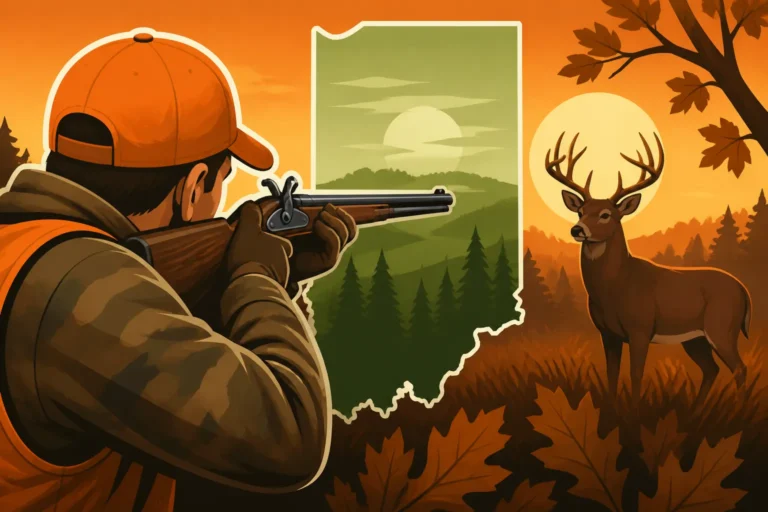
The excitement of taking a young hunter afield for their first deer hunt is truly special, but let's be honest, trying to keep track of all the rules and regulations for Indiana's Youth Deer Hunting Weekend can sometimes feel like trying to herd cats. It's a fantastic opportunity to introduce the next generation to our hunting traditions, offering them a dedicated window before the main firearms season kicks off. This guide is here to untangle the specifics of those crucial dates, along with all the key rules and tips to ensure a safe, successful, and memorable experience for everyone involved.
The Heart of Indiana's Youth Deer Hunting Weekend
The Indiana Youth Deer Hunting Weekend is more than just a date on the calendar; it's a carefully designed opportunity to foster a love for the outdoors and ethical hunting practices in young people. It’s often the very first taste of deer hunting for many, and the Indiana Department of Natural Resources (DNR) aims to make it as accessible and enjoyable as possible.
Why This Weekend Matters for Young Hunters
For many kids, the youth weekend is their first real chance to experience the thrill of the hunt without the added pressure or competition of the general firearms season. It’s a dedicated period that prioritizes their learning and enjoyment. Imagine a crisp autumn morning, the woods just starting to change colors, and a young hunter sitting patiently, eyes wide with anticipation. This focused weekend allows mentors to give undivided attention to teaching, safety, and the nuances of deer behavior, turning it into a rich educational experience. It’s about building confidence, understanding wildlife, and making memories that will last a lifetime, far beyond just pulling a trigger. It really sets the stage for a lifetime of pursuing game, helping them understand that hunting is about so much more than just the harvest.
General Overview of the Season's Structure
Indiana’s deer hunting framework is pretty comprehensive, but the youth season carves out a special niche. It typically falls in late September, offering a window when deer are often still on their summer patterns but cooler weather might be starting to make its appearance. This timing also means less pressure from other hunters compared to the bustling opening days of the regular firearms season. The design allows youth to use any legal deer hunting weapon, including firearms, archery equipment, or muzzleloaders, giving them flexibility in how they want to participate. This early start, often before the general archery season has even gotten into full swing for adult hunters, can present some unique opportunities for quieter woods and less wary deer.
Pinpointing the Official Youth Weekend Dates
Getting the dates right is absolutely paramount for any hunt, and the youth weekend is no exception. While there's a general timeframe, relying on outdated information can lead to disappointment or, worse, a violation.
Typical Timing and How to Verify Annual Dates
Historically, the Indiana Youth Deer Hunting Weekend typically occurs on the last full weekend of September. However, it is absolutely critical to verify the exact dates each year directly from the official Indiana DNR Hunting & Trapping Guide. Regulations can shift, and overlooking a small change could ruin your plans. You can usually find the most current guide on the DNR’s website. Many experienced hunters also use apps like GoHunt to stay on top of these annual date confirmations, as these platforms often integrate real-time regulation updates directly from state agencies.
To give you an idea, here’s a table outlining recent and anticipated dates for the Indiana Youth Deer Season. Remember, always check the current year’s DNR guide.
| Year | Typical Youth Season Dates (Always Verify) |
|---|---|
| 2023 | September 23-24 |
| 2024 | September 28-29 (Anticipated) |
| 2025 | September 27-28 (Anticipated) |
This early window provides a fantastic opportunity for young hunters before the full swing of Indiana's Firearms Deer Season or even the bulk of the Bowhunting Indiana's Long Archery Season starts for adults.
Understanding Licensing and Hunter Education for Youth
Before any young hunter can participate, they need to be properly licensed and, in most cases, have completed hunter education. Youth hunters 17 years of age or younger must possess a valid Indiana hunting license for deer. If they are a resident, options like the Indiana Resident License Options or specifically the Indiana Resident Deer Bundle Cost are available.
Additionally, most hunters born after December 31, 1986, must complete a state-approved Indiana Hunter Education Requirements course. However, there's a vital program to note: the Indiana Apprentice Hunter License. This license allows individuals (including youth) to hunt for one year without first completing hunter education, provided they are accompanied by a licensed adult mentor. This is a fantastic way to "try before you buy" into the full hunter education commitment, and it aligns perfectly with the spirit of the youth weekend. The youth hunter still needs a deer tag, but the apprentice license simplifies the entry process for that initial experience.
Essential Rules and Regulations for a Safe Hunt
Safety is always the number one priority, especially when introducing new hunters to the field. Indiana has clear guidelines to ensure the youth weekend is both educational and secure.
Mentor Requirements and Responsibilities
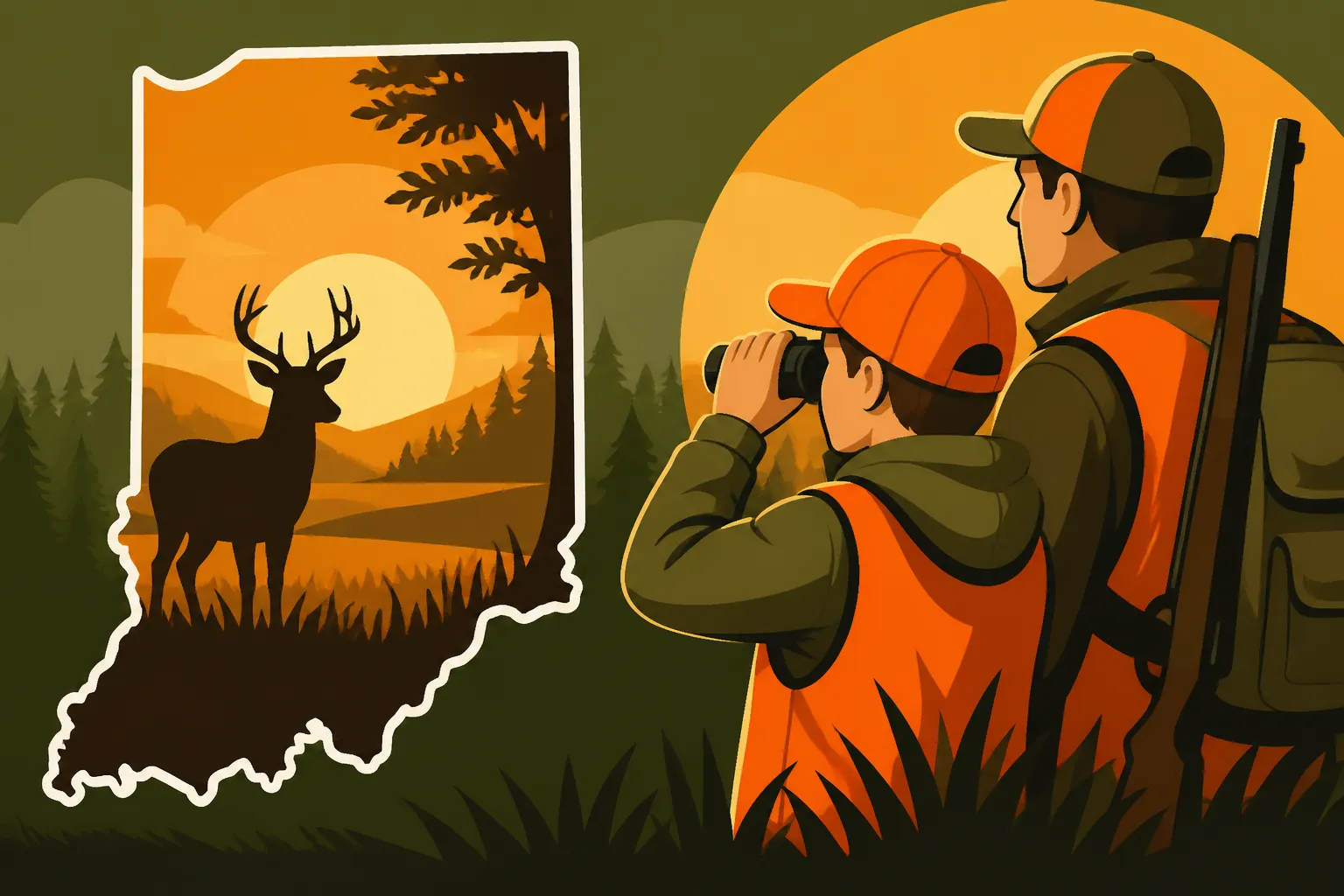
The presence of a qualified mentor is non-negotiable for youth hunters. An adult mentor, 18 years of age or older, must accompany the youth hunter. This mentor must hold a valid Indiana hunting license (unless exempt) and must stay within a certain proximity to the youth – typically close enough to maintain immediate control and supervision. Their role is critical: they are responsible for ensuring the youth understands and follows all safety rules, identifies game correctly, and handles the chosen weapon responsibly. It’s not just about being there; it’s about actively guiding, teaching, and supervising every step of the hunt. This mentorship ensures that crucial lessons about ethics, conservation, and safe firearm or archery handling are instilled from day one.
Legal Equipment and Bag Limits for Youth Hunters
During the Indiana Youth Deer Hunting Weekend, young hunters are permitted to use any legal equipment for deer hunting in Indiana. This includes shotguns, muzzleloaders, centerfire rifles (now that Why Straight-Wall Rifles Are No Longer Required is no longer a restriction statewide), handguns, bows, or crossbows. This flexibility allows mentors to choose the equipment that best suits the young hunter's skill level and comfort.
The bag limit for the youth season is generally one deer. This deer can be antlered or antlerless. However, the youth hunter must possess the appropriate tag for the deer they harvest. Many mentors encourage youth to focus on harvesting an antlerless deer first, both for meat and to help manage the local deer population, especially in areas like Hunting a Deer Reduction Zone. After a successful harvest, remember that Indiana Deer Reporting Requirements are mandatory, and it's a great opportunity for the youth to be directly involved in that process, usually through the DNR's online system or app.
Blaze Orange and Safety Considerations
Safety gear, particularly blaze orange, is absolutely mandatory during Indiana's firearms seasons, and this includes the youth firearms weekend. Youth hunters and their adult mentors must wear hunter orange. This typically means an outer garment of solid hunter orange, visible from 360 degrees, worn above the waist, such as a vest, jacket, or hat. You can learn more about the specifics of Indiana Blaze Orange Requirements to ensure you're compliant.
Beyond the orange, general hunting safety cannot be overstated. This means teaching and practicing the four primary rules of firearm safety: treat every firearm as if it's loaded, always point the muzzle in a safe direction, keep your finger off the trigger until ready to shoot, and be sure of your target and what’s beyond it. Discussions about proper treestand safety, if applicable (like for Treestand Setups in Hoosier National Forest), are also vital. The mentor should always carry a first-aid kit, a communication device, and be prepared for any scenario. This weekend is a prime opportunity to reinforce responsible hunting habits, ensuring the youth understands that safety is the most important part of the experience.
Maximizing the Youth Hunting Experience
A successful youth hunt isn't solely measured by a deer on the ground, but by the quality of the experience, the lessons learned, and the memories created.
Pre-Season Scouting and Preparation Tips
Preparation is key to a smooth and enjoyable youth hunt. Start well before the season by taking the young hunter scouting. This isn't just about finding deer sign; it's about teaching them to read the woods, identify tracks, rubs, and scrapes, and understand deer movement patterns. Even casual walks through potential hunting areas can be invaluable. Tools like the GoHunt app or other mapping software can help you identify potential access points, property boundaries if hunting private land, and prime habitat features like pinch points or food sources.
Consider Scouting Indiana Public Land Before Season or even exploring opportunities on Hunting Small Private Tracts in Indiana if you have access. Discuss potential stand locations or where you might set up a Using a Ground Blind on Indiana Public Land. Practice shooting extensively with the youth's chosen weapon to build confidence and ensure proficiency. A confident shooter is a safer and more effective hunter. Don't forget to practice getting dressed quietly, walking through the woods without making noise, and even calling game.
Field Tactics and Making Memories
On the day of the hunt, focus on the experience rather than just the outcome. Choose a comfortable spot, whether a ground blind or a well-placed stand. If using a ground blind, ensure it's brushed in well for concealment, especially on field edges. The late September timing often means you might be hunting near standing crops or early fall food sources. Keep an eye on the wind and thermals, especially when hunting ridgelines. Early season deer might be active during midday if temperatures are mild, so sitting patiently for extended periods can pay off.
Bring snacks, drinks, and engage the youth in quiet conversation about what you're seeing – the birds, other wildlife, tree identification. Teach them about Reading Indiana Mud for Fresh Deer Movement. If deer are sighted, guide them through the process of target identification, shot placement, and waiting for the right moment. Even if no deer are harvested, the time spent together, the stories shared, and the lessons learned are what truly make the youth weekend special. Remember, the goal is to make them want to come back next year.
Post-Harvest: Reporting and Meat Care
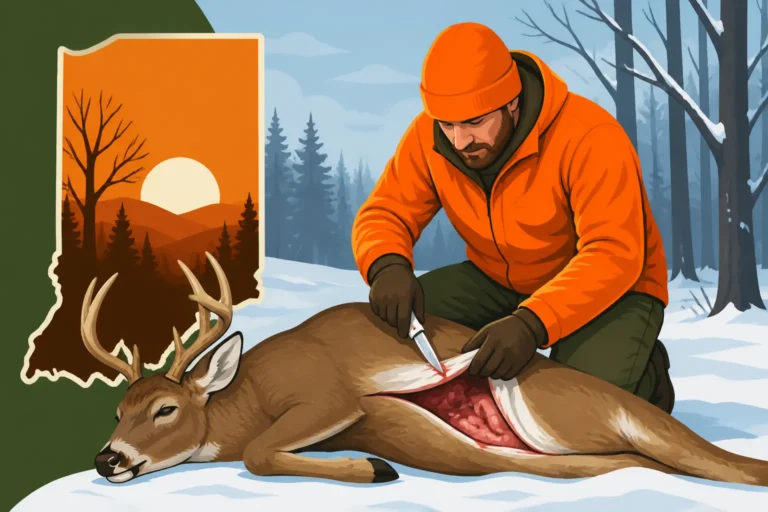
Should the young hunter be successful, the learning and experience continue. Involve them in the entire process of field dressing the deer, explaining each step and why it’s important. This is a crucial part of respecting the animal and understanding where their food comes from. Even if they're not ready to do the hands-on work, explaining it helps solidify the connection.
After field dressing, the next critical step is reporting the harvest to the Indiana DNR. This can typically be done online through the DNR website or their mobile app. It's a quick, easy process, and again, involve the youth so they understand their role in wildlife management. This data is vital for the DNR to monitor deer populations. Finally, ensure proper meat care, especially if temperatures are still warm in late September. Getting the deer cooled down quickly and processed properly ensures excellent venison for the table. This complete cycle, from scouting to harvest to table, reinforces the full scope of the hunting tradition.
Disclaimer
Please remember that hunting regulations can change. While this guide aims to be comprehensive and accurate, it is your responsibility to consult the official Indiana Department of Natural Resources (DNR) hunting and trapping regulations each year before heading afield to ensure compliance with all current laws.