Running a Trapline in Rural Indiana
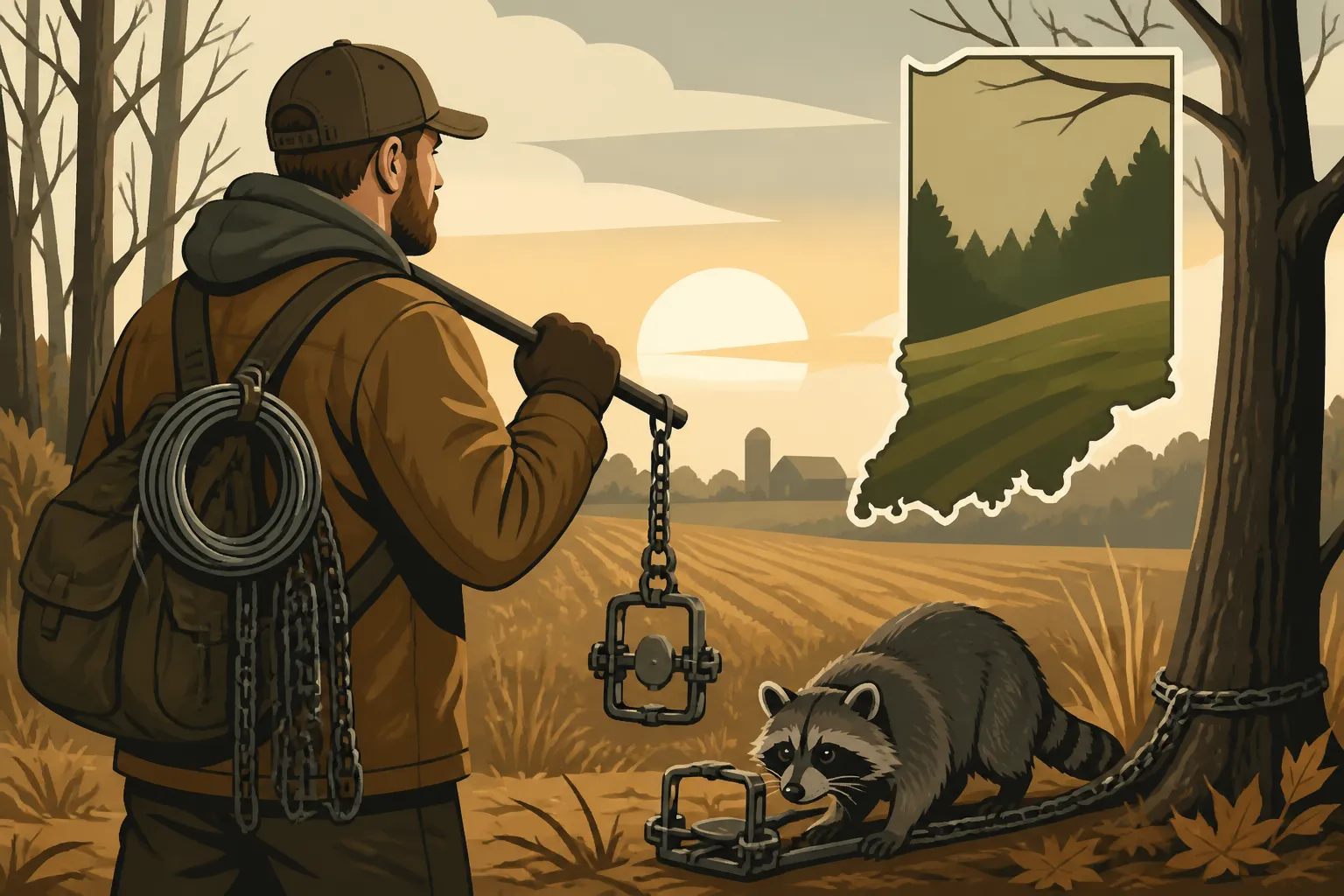
Stepping into the world of trapping in rural Indiana can feel a bit overwhelming, especially when you're trying to figure out all the regulations, best practices, and where to even start. It’s not just about setting a few traps; it’s a craft that demands knowledge, patience, and a deep respect for the land and its wildlife. This guide is here to cut through the confusion and help you establish a successful, ethical, and legal trapline in the Hoosier State.
Navigating Indiana Trapping Regulations and Licensing
Before you ever set a foot in the woods or handle a trap, understanding the legal landscape is absolutely crucial. Indiana has specific rules to ensure healthy furbearer populations and responsible trapping practices, and ignoring them can lead to serious penalties. It’s easy to get lost in the details, but a little homework upfront will save you a lot of headaches later.
Essential Licenses and Permits
The first step for any aspiring trapper in Indiana is acquiring the proper licensing. You can't just decide to run a trapline; you need to be officially permitted to do so. The good news is that the process is straightforward, but it’s important to know which licenses apply to your specific situation.
For most resident trappers, you’ll need a valid hunting and trapping license. This isn't just a formality; it's how the Indiana Department of Natural Resources (DNR) manages furbearer populations and collects vital harvest data. If you’re under 18, there are special considerations, including mentored youth hunting rules, but generally, the requirement to have a license is universal for those actively setting traps. It’s always wise to double-check the current year's regulations on the Indiana DNR website, as rules can occasionally be updated. Remember, having your license on you, whether a physical copy or through the Go Outdoors Indiana app on your phone, is non-negotiable when you’re out on the trapline. Don't be caught without it. For a deeper dive into the specific costs and options, you can check out the guide on Indiana Trapping License Requirements.
Understanding Season Dates and Species Regulations
Indiana’s trapping seasons are meticulously set to coincide with the prime fur quality and to ensure furbearer populations remain robust. It's not a free-for-all; each species has specific open and closed dates, and violating these can have significant consequences. For instance, the season for common furbearers like raccoons, opossums, and skunks typically opens around mid-October and runs through late January, but exact dates can shift slightly year to year. You'll want to pay close attention to the Indiana Raccoon Season Dates to ensure you're compliant.
More sensitive species, like river otters, have very specific regulations, often requiring a special permit or having very limited seasons or zones. While Indiana River Otter Recovery has been a success, their trapping is strictly managed. Fox and bobcat seasons are also managed with care, often having earlier closures or specific county restrictions. Knowing these dates like the back of your hand is paramount. Beyond season dates, there are also rules about trap types, trap tags (your name and address or DNR-issued ID must be on every trap), and how often you must check your traps – usually within a 24-hour period. These regulations are designed to minimize suffering for caught animals and prevent non-target captures from going unchecked.
Legal Traps and Setback Requirements
Not all traps are created equal in the eyes of Indiana law, nor should they be. There are specific types of traps that are legal for furbearers, and there are strict guidelines on where you can place them. For land sets, conibear traps (body-gripping traps) generally have size restrictions, especially when set on land, to prevent accidental captures of larger non-target animals like deer or domestic pets. Foothold traps also have limitations on jaw spread. Snare poles are typically used for specific purposes, like feral hogs, and have their own set of rules.
Then there are setback requirements – how far a trap must be from certain areas, like public roads or dwellings. These rules are in place to ensure public safety and minimize conflicts. For example, some traps might need to be set a certain distance from a public highway or trail, especially those that could pose a danger to passersby or pets. It's not just about what's legal, but what's ethical and safe. When considering your trapline, think about potential non-target encounters, especially if you’re operating near populated areas or public access points. Using resources like the GoHunt app can help you visualize property lines and public access areas, ensuring you're setting traps legally and safely away from unexpected foot traffic. Water sets typically have fewer restrictions on trap size, but you still need to be mindful of local ordinances and private property boundaries.
Scouting and Establishing Your Trapline
Running a successful trapline isn't just about throwing a few traps out; it’s a meticulous process that begins long before the season opens. It demands keen observation, an understanding of animal behavior, and a strategic approach to placing your sets. Rural Indiana offers a diverse landscape, from dense woods to open farmlands, each requiring a different scouting strategy.
Identifying Productive Habitat
The first key to a good trapline is finding where the animals actually live and travel. This isn’t guesswork; it’s about reading the landscape. Look for natural funnels, pinch points, and areas that provide food, water, and cover. For raccoons and muskrats, focus on riparian zones – creek beds, river bottoms, and the edges of ponds and wetlands. These areas provide consistent water sources and often have abundant food. Deer Creek Fish and Wildlife Area, for instance, offers diverse wetland habitats that can be prime for these furbearers, but always check their specific trapping rules.
For coyotes and foxes, you'll want to target field edges, fence lines, and timber cuts, especially those bordering open agricultural fields. These predators often use these linear features as travel corridors while hunting for small game. Look for sign: tracks in the mud or snow, scat, and disturbed areas. Areas where you find ample rabbit or squirrel populations, as detailed in Squirrel and Small Game Hunting in Indiana, are often good indicators of predator activity. Don't forget to scout for food sources like berry patches or cornfields, as these will draw various furbearers. The more time you spend scouting during the off-season, the better your chances when the season opens.
Reading Sign and Animal Movement
Once you've identified potential habitats, the next step is to get down and dirty, literally. You need to become an expert at reading animal sign. Fresh tracks are gold, telling you not only what animals are present but also how recently they've been there and which direction they're moving. Look for tracks along muddy banks, sandy trails, or even dusting over old leaves. Scat (animal droppings) can also tell you what an animal has been eating and indicate their presence.
Rub marks on logs or trees, often from muskrats or raccoons, can show common crossing points. For beaver, look for fresh cuttings or mud slides where they enter and exit the water. Pay attention to how animals are using the terrain. Are they following an old logging road? Are they cutting across a ridge saddle? These are all potential trap locations. A great resource for sharpening your observation skills, even if focused on deer, is Reading Indiana Mud for Fresh Deer Movement, as many principles apply to furbearers too. Take notes, mark potential trap locations on a map (GoHunt is excellent for this), and observe how these patterns change with weather or time of day.
Gaining Access: Public vs. Private Land
Access is often the biggest hurdle for trappers. Indiana offers a variety of public lands, including Fish & Wildlife Areas (FWAs), State Forests, and even parts of the Hoosier National Forest, which can provide excellent trapping opportunities. However, each public land type has its own specific rules and regulations regarding trapping. Some FWAs require special permits or have designated trapping zones, and some areas may be archery-only or have specific firearm restrictions during deer season that could impact your presence. Always consult the specific FWA or State Forest rules before setting traps. You can learn more about finding good public ground in Scouting Indiana Public Land Before Season.
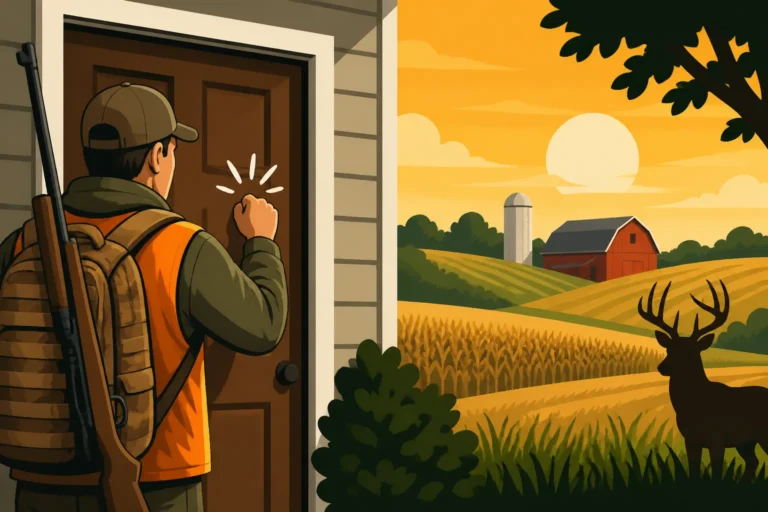
Private land, on the other hand, requires explicit permission from the landowner. This often means knocking on doors, being respectful, and building relationships. Many farmers welcome trappers, especially those who can help manage nuisance furbearers like coyotes or raccoons that might be preying on livestock or raiding crops. Always get permission in writing if possible, detailing the species you intend to trap and the duration of your access. Being a responsible trapper on private land means checking your traps regularly, being discreet, and leaving the property as you found it. Showing up with a GoHunt map highlighting their property and discussing your plans professionally can go a long way in securing permission.
Trapping Techniques and Equipment
Once you've done your homework and found your spots, it's time to talk about the tools of the trade. The effectiveness of your trapline hinges not just on where you set your traps, but how you set them and what equipment you choose. This is where experience really comes into play, but everyone starts somewhere.
Common Furbearers and Their Preferred Traps
Indiana boasts a healthy population of various furbearers, each requiring a slightly different approach. Knowing your target species' habits is paramount for selecting the right trap and set.
| Furbearer | Primary Habitat | Common Lures/Baits | Ideal Trap Type(s) | Notes |
|---|---|---|---|---|
| Raccoon | River bottoms, creeks, field edges, farmsteads | Sweet baits (marshmallows, corn, fruit), fish-based lures | Dog-proof traps, footholds (1.5-2 coilspring), conibears (220/160 in water) | Opportunistic omnivores, often follow water. |
| Muskrat | Marshes, ponds, slow-moving creeks, ditches | Vegetable baits (carrots, apples), muskrat lure | Conibears (110), bodygrip traps, small footholds | Aquatic, build dens in banks. |
| Mink | Stream banks, beaver ponds, marsh edges | Meat baits (fish, muskrat), mink lure | Conibears (110), small footholds (1.5 coilspring) | Elusive, follow watercourses, often use muskrat runs. |
| Opossum | Anywhere raccoons are, brushy areas, woods | Meat or sweet baits | Dog-proof traps, small footholds | Scavengers, slow-moving, often non-target catch. |
| Coyote | Field edges, open timber, agricultural lands | Gland lures, urine, curiosity lures, meat baits | Footholds (1.75-2 coilspring or larger), snares (check regulations) | Wary and intelligent, require careful sets. |
| Fox | Open fields, wood edges, brushy areas | Gland lures, urine, curiosity lures, small bird/mouse baits | Footholds (1.5-1.75 coilspring) | Similar to coyote, but often less wary, prefer smaller sets. |
| Beaver | Rivers, large creeks, ponds, flooded timber | Castor lure, aspen branches, fresh cuttings | Conibears (330), footholds (large), snares | Strong, destructive, require heavy-duty traps. |
The choice of trap depends heavily on the species and the specific location. For example, dog-proof (DP) traps are excellent for raccoons in areas where you want to avoid catching other animals like dogs, as they require the raccoon to reach into a narrow opening. For aquatic furbearers like muskrats and mink, body-grip traps (like the Conibear 110 or 160) are often preferred, especially when set in water, for a quick and humane dispatch. For coyotes and fox, carefully concealed foothold traps are standard. Each trap type requires practice to set safely and effectively.
Trap Preparation and Making Effective Sets
Trap preparation is critical for success. New traps should be cleaned to remove oil and treated (dyed and waxed, or painted) to protect them from rust and to make them less noticeable to wary animals. This "seasoning" also helps eliminate human odors. Handle traps with clean gloves throughout the setting process to minimize scent contamination. Many trappers use rubber gloves, not just for hygiene, but also to prevent leaving residual human scent that can deter cautious furbearers like coyotes or fox.
When it comes to making effective sets, concealment is often key. For foothold sets targeting canines, burying the trap so it's flush with the ground and camouflaging it with local soil and debris is essential. Use a pan cover to prevent dirt from getting under the pan and fouling the mechanism. Scent control is vital here; minimize walking around the set, and consider wearing rubber boots and using clean tools. For water sets, concealment is less about scent and more about blending the trap into the natural environment, often using underwater runways or submerged logs. Proper anchoring is also non-negotiable – a powerful animal can easily pull a trap free if it's not securely fastened to a stake, drag, or drown wire. For those looking to manage more invasive species, specific methods exist, as covered in Trapping Indiana Feral Hogs.
Bait, Lures, and Attractants
A well-placed trap is only half the battle; you need to entice the animal to investigate. This is where baits, lures, and attractants come in. Baits are typically food items – marshmallows or corn for raccoons, fish for mink, or meat scraps for coyotes. Lures are more concentrated scents designed to mimic an animal's natural odors (gland lures, urine) or to pique their curiosity (curiosity lures).
For raccoons, sweet baits or fish-based attractants work wonders. For muskrats, vegetable slices like carrots or apples can be effective. Canines like coyotes and foxes respond well to curiosity lures, urine, and gland lures, which imitate the scent of other coyotes or a breeding female. The key is to use lures appropriate for the target species and to use them sparingly, as too much can sometimes be a deterrent. Also, consider the weather; some lures dissipate quickly in rain or extreme cold. Using a combination of visual attractants, such as a feather or a piece of Mylar at a dirt hole set, along with scent, can significantly increase your success rate.
Ethical and Responsible Trapping Practices
Trapping is a privilege, not a right, and maintaining that privilege depends entirely on trappers adhering to the highest standards of ethics and responsibility. It’s about more than just following the law; it’s about respect for the animals, the environment, and the public perception of trapping.
Humane Trap Check Times and Animal Handling
One of the most critical aspects of ethical trapping in Indiana is the legal requirement to check your traps at least once every 24 hours. This isn't just a rule; it's a moral obligation. Frequent trap checks minimize the stress and suffering of caught animals, reduce the chance of non-target animals being held for too long, and decrease the risk of predation on a caught animal. Imagine catching an animal and leaving it exposed to the elements or predators for days – it’s inhumane and irresponsible.
When you approach a set with an animal in it, do so calmly and deliberately. The goal is to handle the animal humanely, whether that means dispatching it quickly and cleanly or, in the case of a non-target species, releasing it safely. For dispatch, methods should be swift and decisive to ensure minimal suffering. If you catch a non-target animal, like a domestic cat or dog (which can unfortunately happen), you must be prepared to release it unharmed. This often requires specialized tools and knowledge, so consider carrying a catch pole or heavy gloves. Being responsible in this moment reinforces the ethical standing of trapping.
Respecting Land and Other Users
Trappers share the outdoors with hikers, birdwatchers, hunters, and landowners. Your actions directly impact how the wider public views trapping. Respecting the land means leaving no trace – pick up your trash, dispose of carcasses properly, and don't leave old traps or equipment behind. When you pull your trapline at the end of the season, make sure the area looks like you were never there.
Furthermore, being mindful of other outdoor users is crucial. Don't set traps where they might pose a danger to pets or children, especially near trails or popular recreation spots. If you're on private land, maintain a good relationship with the landowner. Communicate regularly, respect their property, and offer them some of your catch if they're interested. This not only builds goodwill but also helps secure future access. A good trapper is a good ambassador for the sport, ensuring that opportunities like Indiana Fox and Bobcat Trapping Season remain available for future generations.
The Role of Conservation and Population Management
Trapping in Indiana is inherently linked to conservation and wildlife management. Furbearers play a vital role in ecosystems, but their populations can fluctuate. Trapping helps the DNR manage these populations, preventing overpopulation that can lead to disease outbreaks or excessive damage to habitats or agricultural crops. For instance, managing beaver populations through trapping can prevent flooding and timber damage. The success of programs like Indiana Muskrat and Mink Trapping Trends and the careful monitoring of Indiana Beaver Population and Damage rely on accurate reporting and ethical practices from trappers.
By following regulations, reporting your harvest (if required), and practicing ethical methods, trappers contribute directly to the health of Indiana's wildlife. This isn't just about harvesting fur; it's about being an active participant in maintaining ecological balance. When you choose to run a trapline in rural Indiana, you’re taking on a responsibility to uphold these principles, ensuring that this tradition can continue sustainably for years to come.
Disclaimer
The information provided in this guide is for general informational purposes only and is not intended as legal advice. Hunting and trapping regulations are subject to change, and it is the hunter's/trapper's responsibility to consult the most current Indiana Department of Natural Resources (DNR) rules and regulations before engaging in any hunting or trapping activities. Always prioritize safety, ethical practices, and compliance with all applicable laws.