Hunting Small Private Tracts in Indiana
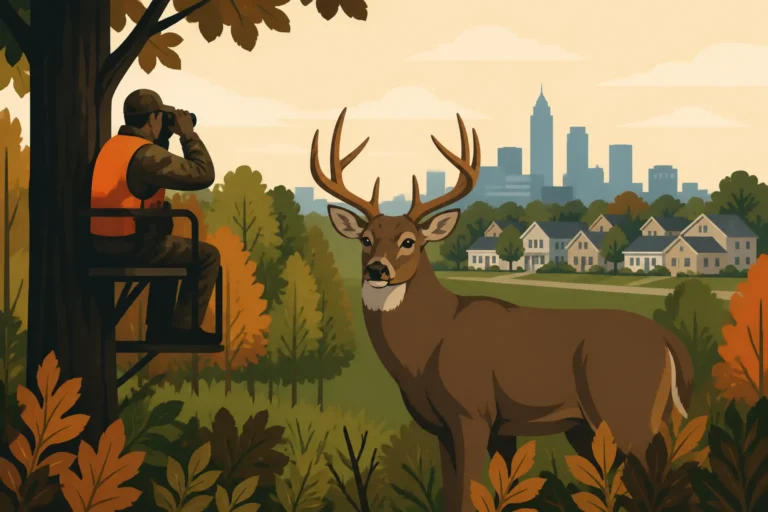
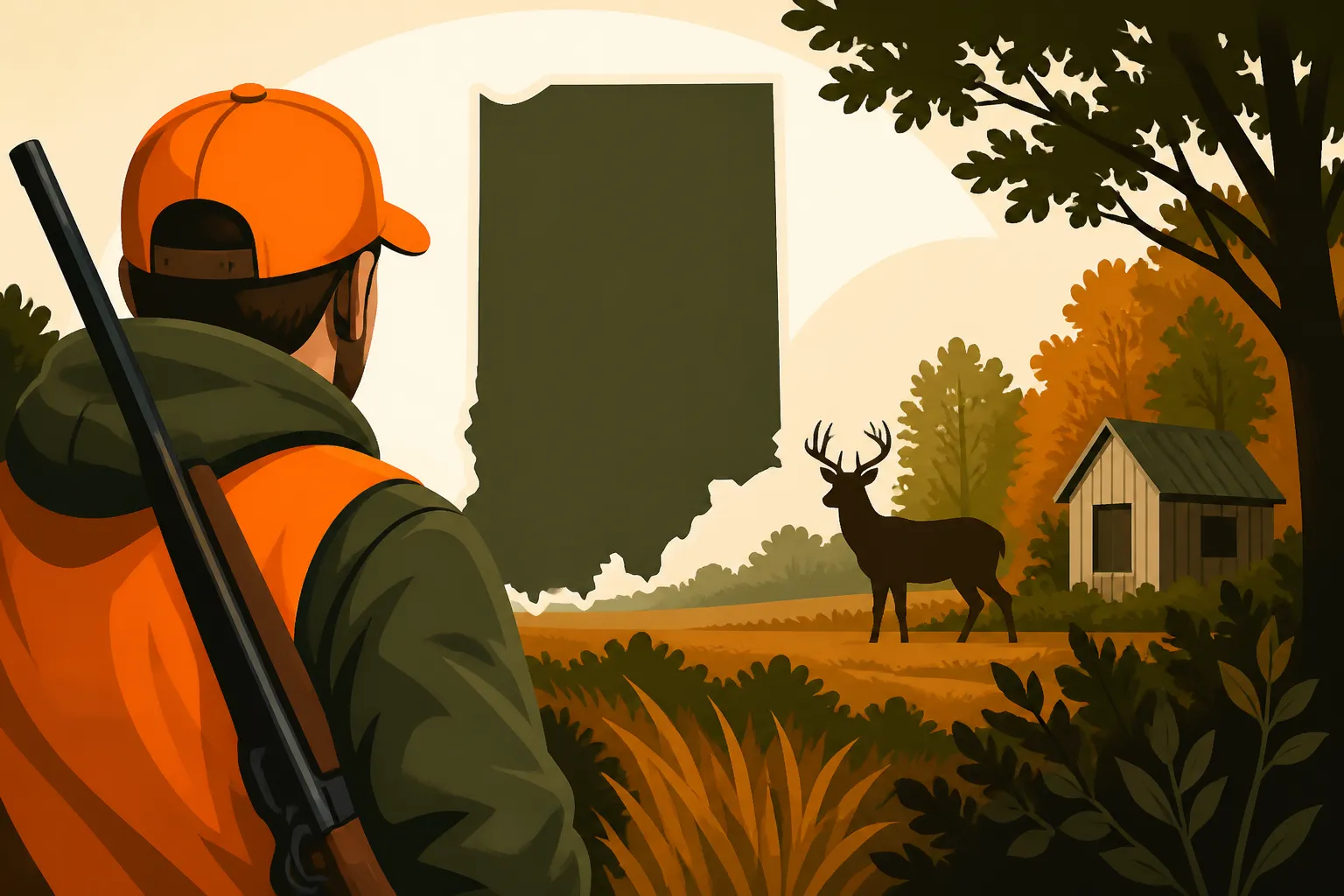
Many Indiana hunters often find themselves with access to smaller parcels of private land, whether it's a friend's woodlot, a family plot, or just a few acres behind a relative's house. While these smaller tracts might seem limiting compared to vast public lands or sprawling farms, they often present their own unique set of challenges and incredibly rewarding opportunities. This guide is all about helping you unlock the full potential of those smaller parcels, turning a seemingly restrictive hunting area into a consistent producer of memories and venison.
The Unique Challenges and Opportunities of Small Tracts
Hunting small private tracts in Indiana is a different ballgame than tackling the expansive Hoosier National Forest or the big ag fields of the north. You don't have endless ground to roam, and every decision you make regarding entry, exit, and stand placement is magnified. But don't let that discourage you. What small tracts lack in sheer acreage, they often make up for in intensity, intimacy, and the potential for true understanding of a micro-habitat. It’s about quality, not just quantity of dirt.
Understanding Deer Movement on Limited Acreage
Deer, especially mature whitetails, are creatures of habit and efficiency. On a small tract, their patterns might seem erratic at first glance, but often, they are simply utilizing the property as a critical piece in a larger puzzle. Your five-acre woodlot might be a bedding sanctuary, a crucial travel corridor between two larger feeding areas, or even a hidden escape route from pressure. The key is to understand how your small tract fits into the deer's larger home range, which could encompass hundreds of acres that you don't have access to.
For instance, consider a 10-acre timber block bordered by a busy road on one side and a large cornfield on another, with a small creek running through it. Deer might be bedding in a thick CRP field a quarter-mile away, crossing the road (at night, usually!) to hit the corn, and using your timber as a secure travel lane during daylight hours. Or, that timber block itself might be the prime bedding area, with deer slipping out at dusk to feed. Understanding these larger movements requires diligent scouting, talking to neighbors if possible, and using tools like the Indiana DNR app or Reading Aerial Photos for Southern Indiana Deer to see how your parcel connects to the surrounding landscape. Don't assume your small property is an island; it's a critical bridge or a safe harbor in a bigger deer world.
This holistic view is often what separates successful hunters on small parcels from those who struggle. You're not just hunting your land; you're hunting the entire neighborhood from your limited vantage point. Pay attention to what's happening just outside your boundary. Is a farmer harvesting corn or beans? Are neighbors running dogs? All these external factors will influence how and when deer use your specific piece of ground.
Overcoming Pressure and Neighboring Hunters
One of the biggest frustrations with hunting small tracts, especially in populated areas or near other hunting properties, is dealing with outside pressure. You might have a perfect stand setup, only to have a neighbor spook deer with an early morning ATV ride, or worse, set up a stand 50 yards from your property line. This can make deer incredibly skittish and nocturnal. It's a common complaint, and it's valid to feel frustrated when external factors impact your hunt.
However, recognizing this pressure can also be your secret weapon. Deer on small, pressured tracts become masters of evasion. They'll use the thickest cover, the steepest ditches, and the most obscure routes. They'll also often funnel into small, seemingly insignificant pockets of security cover that other hunters overlook. Your job is to identify these high-security areas and low-pressure travel lanes within your small tract. Maybe it's a forgotten fencerow, a thick briar patch in a corner, or a deep ravine that most people avoid. By focusing on these overlooked sanctuaries, you can still find success. Tools like GoHunt can help you analyze terrain and find these hidden gems.
This understanding of pressure allows you to adapt your strategy. Instead of hunting a prime feeding area that gets hammered by evening hunters, perhaps you focus on a thick bedding area, catching a buck slipping in or out during midday when others have retreated. Or, if a neighbor consistently bumps deer during a morning hunt, you might position yourself downwind of that pressure point, knowing deer will likely funnel past your position as they escape. It's about turning a negative into a tactical advantage.
Strategic Scouting and Stand Placement
On a small piece of ground, every inch matters. You don't have the luxury of setting up 10 different stands and waiting for the perfect wind for each. Instead, you need to be precise, stealthy, and efficient with your efforts. This means an intense focus on scouting and making sure your stand (or ground blind) is in the absolute best possible location for the conditions you plan to hunt.
Reading the Landscape for Key Features
Even a tiny woodlot will have micro-features that dictate deer movement. Look for pinch points, funnels, bedding cover, and food sources. A pinch point could be as simple as a fallen tree creating a narrow path, or a small creek forcing deer to cross at a specific spot. Funnels might be created by changes in timber density, subtle changes in elevation, or even the edge of a field. These are the highways and intersections deer use.
Bedding cover on small tracts is often overlooked. It might be a dense thicket, a patch of cedars, or even a few downed trees that offer a secure place to lay low. Identify where deer are spending their daylight hours, even if it's just a sliver of your property. Then, look for the subtle trails leading from that bedding area to nearby food sources or water. These "bedroom to kitchen" routes are prime locations for an ambush. I've found that using the "hybrid" feature on mapping apps like GoHunt, which combines topo and aerial imagery, really helps me visualize these subtle changes in terrain and cover that create natural funnels and bedding areas. Don't forget to consider Late-Season Food Sources for Indiana Whitetails if you're hunting colder months, as these can concentrate deer even on small plots.
When you're on a small tract, every single deer sign becomes vital. Fresh tracks along a field edge, a newly rubbed sapling, or a well-used scrape line can tell you exactly where deer are moving and when. Don't just scout from the edges; quietly slip into the interior, particularly during the off-season, to uncover those hidden gems that will influence your stand placement. The goal is to piece together the deer's daily routine within and around your property.
Entry and Exit Routes: The Silent Approach
This is, arguably, the most critical aspect of hunting small tracts. On big land, you might get away with a noisy entry if you're a mile from your stand. On a small tract, every step, every rustle, every scent cone can blow your hunt before it even begins. Your entry and exit routes must be meticulously planned to avoid alerting deer. This often means walking directly into the wind or crosswind, using natural terrain features like ditches, creek beds, or dense brush for concealment, and approaching from a direction deer least expect or where they are least likely to be bedding.
Consider a small woodlot with a prime feeding area on one side and a bedding area on the other. If you try to walk straight through the middle, you'll likely bump deer from both. Instead, perhaps you can use a ditch along the property line, or approach from an adjacent field edge that's out of sight, using the cover of darkness. Always choose a route that keeps your scent out of the primary hunting area. Your goal is to be a ghost, appearing and disappearing without a trace. This same principle applies to Hunting Small Private Tracts in Indiana and even to something like Scouting Indiana Public Land Before Season—your impact must be minimal.
For smaller properties, especially those that are narrow or have limited access points, mastering your entry and exit is often the make-or-break factor. If you consistently spook deer going to or from your stand, they will quickly learn to avoid that area during daylight hours. Sometimes, the best entry might involve a slightly longer walk around the perimeter, using a property line or a creek bed to keep you concealed. Always prioritize scent control and silence, even if it means a less direct path.
| Tactic/Feature | Small Tract Advantage | Small Tract Disadvantage | Best Application |
|---|---|---|---|
| Still-Hunting | Slow, methodical, low-impact | Requires extreme stealth | Seeking bedding deer, covering short distances |
| Ground Blinds | Flexible, conceal scent, easy setup | Limited visibility, can spook deer | Field edges, thick cover, high-traffic funnels |
| Mobile Treestands | Maximize vantage, can move easily | Requires suitable trees | Overlooking pinch points, bedding areas |
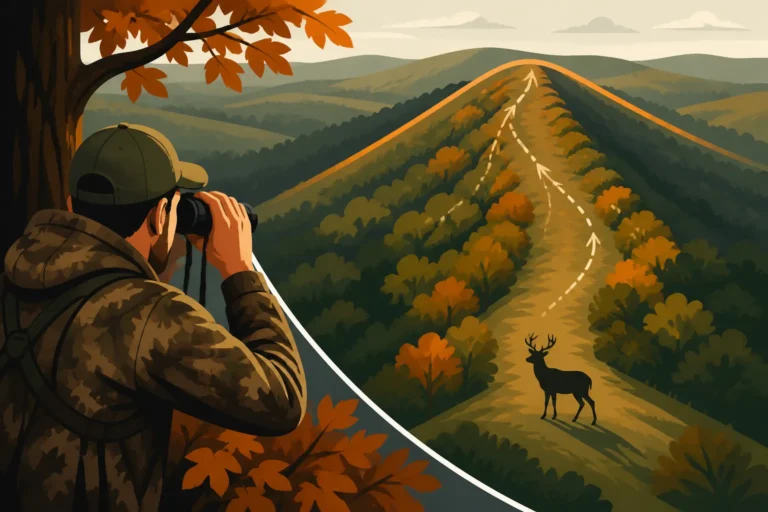
| Observation Stands | Learn deer patterns without pressure | Not a direct hunting method | Early season, post-season, pre-hunt scouting |
| Food Plots | Concentrate deer, manage quality | Cost, time, landowner permission | Remote corners, areas with good sunlight |
| Water Sources | Crucial in dry periods | Can be unpredictable | Funnels leading to/from water during droughts |
Low-Impact Hunting Tactics for Success
Because of their size and often higher deer density relative to the cover, small tracts demand a nuanced approach. Aggressive tactics that might work on vast public land or during the rut on huge farms can quickly burn out a small property, turning it into a deer-less wasteland. Instead, think "less is more" and "precision over power."
The Art of Still-Hunting and Ambush Points
Still-hunting is a highly effective, yet often underutilized, tactic for small tracts. Instead of rushing to a stand and sitting all day, still-hunting involves moving incredibly slowly and deliberately through the woods, stopping frequently to scan, listen, and glass. You’re essentially hunting the deer on their terms, covering ground but at their pace. This works especially well in thick cover or when trying to locate deer that are already bedded. Imagine moving 50 yards in an hour, slowly picking apart every thicket, every shadow.
When you identify a key travel route or a likely bedding area, you can then set up a temporary ambush point. This might be a natural ground blind made of existing brush, or a lightweight mobile treestand that you can quickly put up. The key is to react to what the deer are telling you on that particular day. For example, if you find fresh tracks leading into a dense cedar thicket, rather than blowing through it, quietly set up downwind of it along the most likely exit trail and wait. This kind of flexibility is crucial. Even a well-placed Using a Ground Blind on Indiana Public Land approach can be adapted for private ground, offering quick concealment.
The beauty of still-hunting on a small parcel is that you can adapt to changing conditions or sudden observations. Perhaps a fresh rub line wasn't there yesterday, or a new set of tracks indicates a change in travel patterns. Instead of being stuck in a pre-set stand, you can subtly shift your position to capitalize on these real-time clues. Just remember that patience and slow, deliberate movement are your greatest assets.
Maximizing Your Time on the Ground
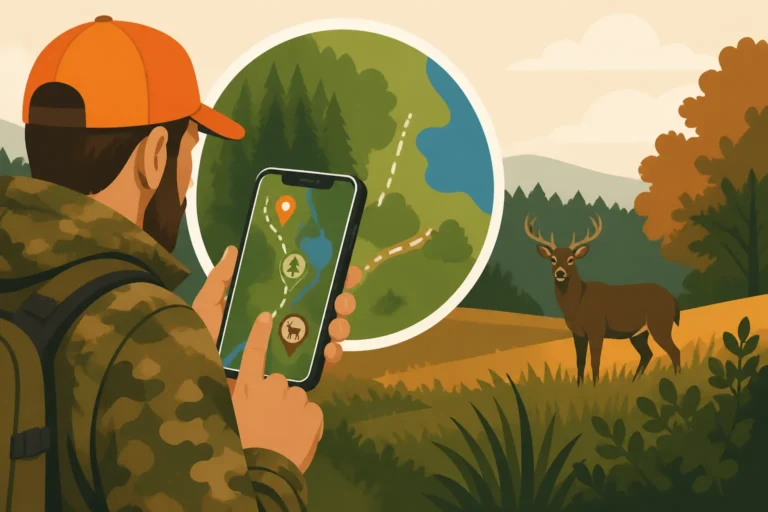
With limited acreage, you need to make every minute count. This means having a clear plan before you step foot on the property. What's the wind doing? Where are the deer likely to be feeding or bedding based on recent observations or trail camera photos? What's your entry and exit strategy? Don't just wander aimlessly. Use mapping apps like those from GoHunt to mark specific trees for stands, identify potential bedding thickets, and plan your routes.
Think about hunting the fringes. Deer often hug cover, especially on smaller properties where they feel exposed. Focus your efforts on the transition zones – where the woods meet a field, where thickets give way to more open timber, or along creek bottoms that act as natural travel corridors. These edge habitats are often overlooked by hunters who focus only on the deep woods. And remember that deer sometimes move during midday, especially during the rut or after hunting pressure, so don't be afraid to stay on stand or quietly still-hunt through those midday hours. Sometimes, the only time a mature buck moves on a small, pressured tract is when he thinks all the humans have gone home for lunch.
This targeted approach to hunting a small tract means less wasted effort and a higher probability of encountering deer. Every time you disturb the property with a haphazard approach, you push deer off or make them more nocturnal. By minimizing your impact and maximizing your strategic time, you create an environment where deer feel more comfortable moving during daylight. Consider reviewing articles on Treestand Setups in Hoosier National Forest to adapt principles of strategic placement, and remember that Wind and Thermals on a Southern Indiana Ridge are just as crucial on a small, flat woodlot as they are in the hills.
Building Relationships and Expanding Your Access
Hunting small private tracts isn't just about the deer; it's often about people. The landowner, their neighbors, and even other hunters in the area can significantly impact your experience. Cultivating good relationships can not only make your current hunting spot more enjoyable but can also open doors to new opportunities.
Respecting Landowners and Their Property
This seems obvious, but it's astonishing how many hunters forget the basics. When you're on someone else's property, you are a guest. Always treat the land, and the landowner, with the utmost respect. This means asking for permission, not just assuming it, and following all their rules, no matter how minor they seem. If they say no ATVs, then no ATVs. If they ask you not to hunt a specific area, respect it.
Beyond the basics, think about what you can do to be a truly appreciated guest. Offer to help with chores, share your venison, or simply check in with them from time to time, even outside of hunting season. A simple "thank you" goes a long way. Keeping gates closed, picking up any trash (even if it's not yours), and being mindful of their crops or livestock are non-negotiable. Remember, if you violate their trust, you might not just lose access to that property, but word travels quickly, potentially impacting future access. For a deeper dive into these nuances, read up on Knocking on Doors in Indiana Farm Country and Indiana Trespass and Permission Law. Knowing the law and building goodwill are two sides of the same coin.
Being a responsible and courteous guest extends beyond just the hunt. If you manage to harvest a deer, offer to help with the Field Dressing a Deer in Cold Weather or share some of the meat with the landowner. This kind of gesture builds goodwill and reinforces the positive aspects of having a hunter on their land. Remember, you represent all hunters when you are on private property, so set a good example.
Neighborly Cooperation and Shared Goals
Hunting a small tract often means you're in close proximity to other hunters or landowners. Rather than viewing them as competition, consider them potential allies. Open communication with neighbors can be incredibly beneficial. For instance, if you know a neighbor plans a deer drive on their property, you might be able to coordinate your hunting efforts to catch deer moving off their land onto yours, or vice versa. This requires trust and a willingness to share information, but the rewards can be significant.
You might even find that neighbors are dealing with similar issues, such as excessive deer browsing in their gardens. This shared concern can lead to cooperative efforts, like strategically hunting antlerless deer to help manage the local population. Always be clear on rules and expectations, and if possible, get things in writing, even if it's just a simple agreement for access. It protects everyone involved. While it might feel awkward to discuss Do You Need Written Permission in Indiana?, it's always a good idea, even with friends and family, to avoid misunderstandings down the road. Ultimately, fostering a sense of community around your hunting parcel can transform a challenging situation into a thriving, productive hunting ground.
Remember, the goal isn't just to hunt for one season but to secure long-term access. By being a good neighbor and a responsible hunter, you might find yourself with expanded opportunities, perhaps even gaining access to new parcels. Building these relationships is an investment in your hunting future, providing consistent places to hunt even when public lands are crowded or difficult to navigate, helping you in Finding Ground Others Walk Past.
Disclaimer
All information provided in this guide is for informational purposes only and is not intended to be a substitute for professional legal advice or the official regulations set forth by the Indiana Department of Natural Resources (DNR). Hunting laws and regulations can change frequently. Always consult the most current Indiana hunting regulations guide and any local ordinances before engaging in any hunting activities. It is your responsibility to know and follow all applicable laws. The author and publisher are not responsible for any actions taken based on the information presented herein.