Hunting Northeast Indiana Farmland
If you've ever found yourself staring across vast fields of corn or soybeans in northeast Indiana, wondering where the deer could possibly be hiding, you're not alone. Farmland hunting presents a unique set of challenges compared to the big woods down south, with limited cover and often intense pressure. This guide is all about equipping you with the knowledge and tactics to successfully pursue whitetails in the often-overlooked agricultural heartland of our state.
Understanding the Northeast Indiana Farmland Landscape
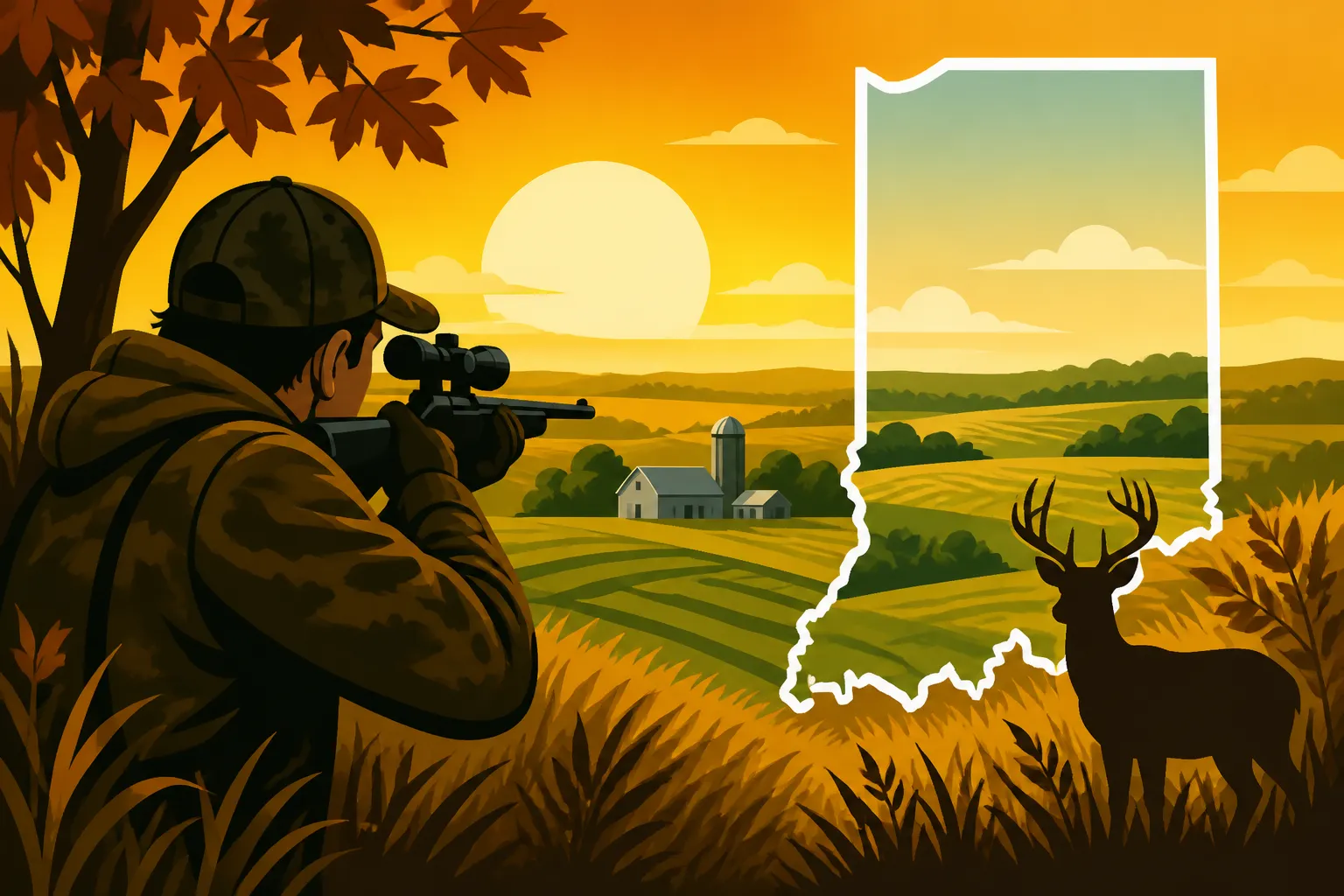
Northeast Indiana is a unique mosaic of fertile agricultural fields, small woodlots, creek bottoms, and fencerows. It's a land of plenty when it comes to food, but cover can be scattered, making deer patterns quite different from continuous timber. You're dealing with a landscape where deer often live in relative isolation within pockets of timber, using the vast fields as feeding grounds. This means understanding their travel corridors between these scattered resources is paramount.
The Patchwork of Fields and Woodlots
Think of northeast Indiana as a giant checkerboard. You've got massive fields of corn, soybeans, and wheat, broken up by isolated timber blocks, creek drainages, and brushy fencerows. These smaller timbered areas, even just a few acres, become critical bedding and staging areas for deer. They're like islands of safety in an ocean of open land. Deer will often utilize these smaller woodlots for bedding during the day, especially if they offer thick thermal cover or dense cedars. The key is recognizing that these aren't just random patches of trees; they are essential sanctuaries that dictate deer movement. The deer might bed in one small woodlot, filter out into a standing cornfield, and then move to another woodlot across the road to escape pressure or find a different food source.
Identifying Key Habitat Features
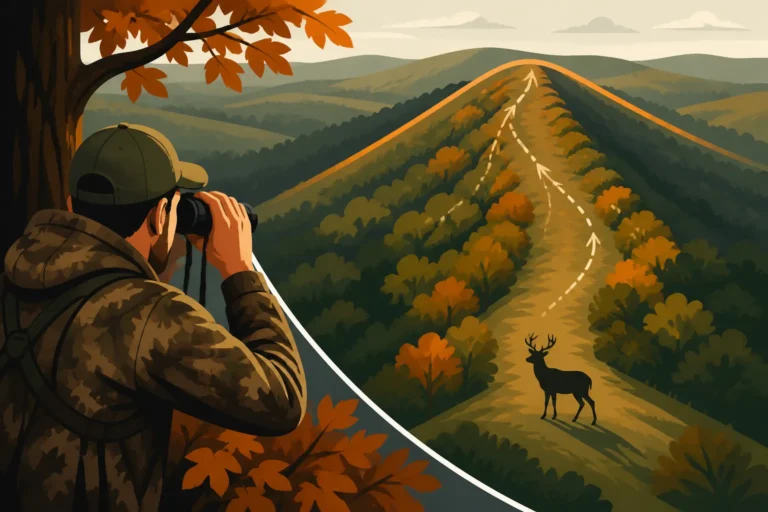
Beyond the obvious woodlots, there are subtle features that funnel deer movement. Look for ditches, creek banks, overgrown fence lines, and even power line cuts that provide linear cover across open fields. These often act as invisible highways for deer, allowing them to travel with a sense of security from one patch of cover to another. A brushy ditch might seem insignificant, but to a deer crossing a wide-open soybean field, it's a lifeline. River bottoms, even smaller ones like the upper stretches of the St. Joseph River or the Fawn River, offer denser, continuous cover and can be absolute magnets for deer, providing both bedding and year-round food sources. These areas also tend to hold less hunting pressure, as they can be tougher to navigate.
Reading the Seasonal Crop Cycle
The agricultural calendar dictates deer movement significantly. In early archery season, standing cornfields are absolute fortresses. Deer bed, feed, and live their entire lives within these green walls, seemingly disappearing from the face of the earth. Once the crops come out in late fall, everything changes. The fields transform from dense cover to open cafeterias, forcing deer into the remaining woodlots and concentrating them around newly accessible food sources like waste grain or planted food plots. Understanding when the combines will roll is crucial. This shift often forces deer into predictable patterns, moving from their daytime bedding cover to feed in the evenings and then returning under the cloak of darkness or early morning fog. This makes knowing Hunting a Standing Soybean Field or Entry Routes Through Standing Corn vital for early season success.
Scouting Strategies for Farmland Whitetails
Effective scouting in northeast Indiana farmland requires a blend of digital savvy and on-the-ground grit. With limited large public tracts, most of your hunting will likely be on private ground, making permission and careful observation key. Forget sprawling wilderness; here, it's about micro-terrain and subtle details.
Pre-Season Digital and On-the-Ground Recon
Before you ever step foot in the woods, spend serious time studying aerial maps. Tools like GoHunt or even the free Indiana DNR mapping resources are invaluable. Look for those isolated woodlots, fingers of timber stretching into fields, creek bottoms, and bottlenecks where two pieces of cover pinch together. Pay close attention to changes in elevation, even subtle ones, as deer will often travel the path of least resistance or utilize high spots for observation. Once you have some potential spots identified, hit the ground running. You'll want to be out there well before season, looking for old rubs, scrapes, and established trails. Don't be afraid to walk those fencerows and creek banks that connect patches of cover; you'll often find the most used travel routes there. It's an excellent way to understand Reading Aerial Photos for Southern Indiana Deer principles, adapted for our northern landscape.
Interpreting Deer Sign in Agricultural Settings
Deer sign in farmland can be different from what you'd see in big timber. Instead of clear, beaten-down trails through dense undergrowth, you might find subtle paths along field edges, through standing grass, or paralleling a drainage ditch. Look for tracks where deer cross muddy spots in farm lanes or creek beds. Rubs and scrapes will often be concentrated on the edges of woodlots or along fencerows where deer enter and exit fields. Pay attention to droppings – fresh droppings indicate recent activity and can tell you what deer are feeding on. If you find large amounts of corn kernels or soybean husks, you know exactly what they're hitting. Keep an eye out for bedding areas in thickets, tall grass, or even within standing crops before harvest. A great resource for this is the Scouting With the Indiana DNR App, which can help you understand public land boundaries and features, even if you're primarily hunting private ground.
Gaining Access to Private Lands
This is perhaps the most crucial scouting strategy in farmland country. Unlike the vast public lands in southern Indiana, much of the prime deer habitat here is privately owned. Building relationships with landowners is invaluable. Start early, well before the season. Introduce yourself, explain your intentions, and be respectful of their property and operations. Many farmers are more than happy to have responsible hunters help with deer management, especially if deer are causing crop damage. Offer to help with chores, pick up trash, or simply provide an extra set of eyes on their property. Being courteous, respectful, and leaving the land better than you found it goes a long way. This is where mastering the art of Knocking on Doors in Indiana Farm Country truly pays off. Remember, a "no" today doesn't mean a "no" forever.
Effective Hunting Tactics for Farmland Deer
Hunting northeast Indiana farmland demands adaptability and a keen understanding of deer behavior in an open, food-rich, and often high-pressure environment. Your approach will likely differ significantly from hunting dense forests.
Ambushing Deer on Field Edges and Funnels
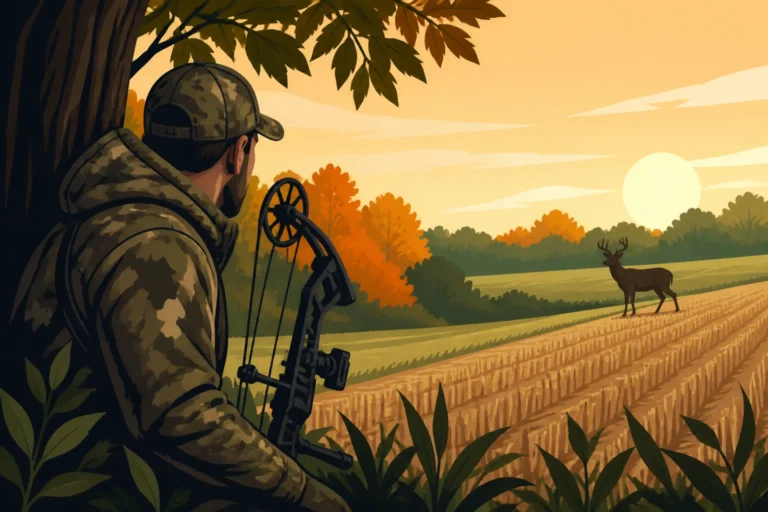
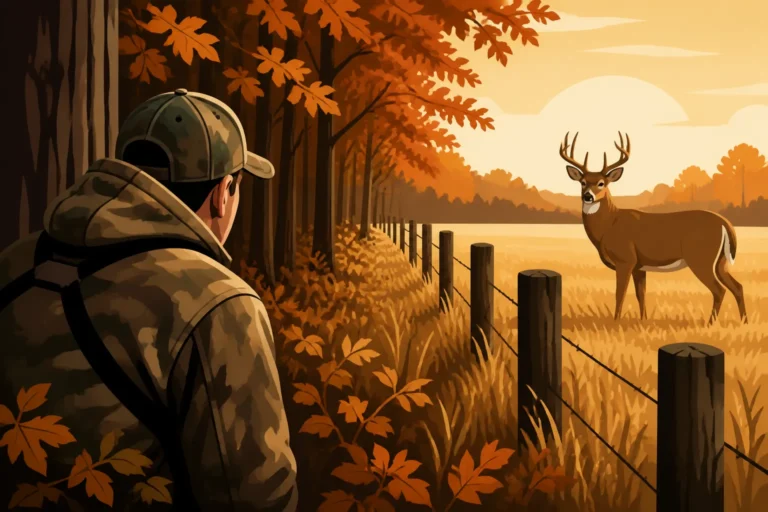
When hunting farmland, your stand placement is critical. Deer will almost always utilize the available cover when moving, especially during daylight. This means focusing on the edges where woodlots meet fields, where fencerows or ditches enter or exit cover, and especially on any natural funnels. A funnel could be a narrow strip of timber connecting two larger woodlots, a choke point between two large fields, or even a creek crossing that deer prefer. Setting up a stand or a ground blind on these natural travel corridors, particularly where deer transition from bedding areas to feeding fields, can be incredibly effective. Consider a strategy for Setting Up on a Northern Indiana Field Edge early in the season, or a well-brushed-in blind for the late season. If you're on public ground, a well-placed Using a Ground Blind on Indiana Public Land can keep you concealed in areas where treestand options are limited, or where you expect deer to be moving out in the open.
Hunting Small Woodlots and Cover Pockets
Don't underestimate the power of those small, isolated woodlots. They might not look like much on an aerial map, but if they offer thick thermal cover, dense evergreens, or are surrounded by open fields, deer will often bed in them. These small pockets can hold surprising numbers of deer, especially mature bucks seeking refuge from pressure. When hunting these, focus on entry and exit points, as deer will often be contained within a relatively small area. Keep your wind absolutely perfect, and make your approach and exit as quiet and non-invasive as possible. Sometimes, a short, calculated still-hunt through a thick woodlot can jump deer out into a neighboring field for a shot, but this is a high-risk, high-reward strategy that often pushes deer out of the area if not executed flawlessly.
Adapting to Pressure and Weather Conditions
Farmland deer often face significant hunting pressure, especially during firearms season. This pressure will make them primarily nocturnal, moving mostly under the cover of darkness. To combat this, focus your hunting efforts during times of low light – first thing in the morning and the last hour of daylight. During the rut in early November, bucks might throw caution to the wind, but even then, they'll often stick to the edges of cover. Adverse weather conditions, like a cold front or fresh snow, can often get deer moving during daylight hours, as they'll need to feed to maintain body temperature. A strong, steady wind can also make deer feel more secure moving during the day, as it masks human scent and sound. Consider a robust Cold-Weather Sitting Strategy in Indiana for those late-season hunts when a fresh snow can reveal exactly where deer are concentrating their efforts on leftover food.
Here's a quick reference for common farmland hunting scenarios:
| Season | Crop Status | Deer Movement Tendency | Recommended Tactics | Ideal Stand Type |
|---|---|---|---|---|
| Early Archery | Standing Corn/Beans | Inside fields, movement along edges, nocturnal | Ambush field edges near bedding, hunt creek bottoms | Treestand, well-brushed ground blind |
| Pre-Rut/Rut | Harvested Corn/Soybeans | Cruising fencerows, timber edges, funnels | Ambush funnels, mock scrapes, rattling/grunting | Treestand, saddle hunt |
| Late Season | Harvested, Food Plots | Concentrated on remaining food, thermal cover | Ambush key food sources, thickets, Late-Season Food Sources for Indiana Whitetails | Ground blind, enclosed box blind |
| Post-Harvest | Open Fields | Cover-to-cover movement, nocturnal if pressured | Hunt travel corridors (fencerows, ditches), Working a Fencerow for Late-Season Deer | Treestand, ground blind |
Gear and Mindset for Northeast Indiana Success
Successful hunting in the open, often windswept landscapes of northeast Indiana demands not just the right tactics, but also the right gear and, perhaps most importantly, a resilient mindset.
Choosing the Right Setup for Open Country
Given the potentially longer shot opportunities across fields or down fencerows, having a rifle sighted in for those distances is important. While Indiana's statewide rifle rules allow for many cartridges, ensuring you're proficient with your chosen firearm out to your ethical range is key. For archery, range is often more limited by obstacles and deer behavior, but practicing longer shots from a treestand or ground blind can boost confidence. Bowhunters should also consider the advantages of a crossbow, especially in cold weather when sitting for extended periods. A good pair of binoculars with decent low-light performance is invaluable for glassing fields at dawn and dusk. You'll often spot deer at a distance and be able to strategize your approach or stand location more effectively. Using GoHunt or similar apps with your binoculars can help you identify distances and potential shooting lanes.
The Importance of Patience and Persistence
Hunting farmland deer can be frustrating. They are masters of disappearing, using minimal cover to their advantage, and can be incredibly wary due to constant human presence. You might sit for hours, seeing nothing but squirrels, only for a giant buck to appear out of nowhere at the last minute. This is where patience truly becomes a virtue. Don't give up too early, and don't assume a spot is dead just because you haven't seen anything yet. Persistence is also key; if your initial plan doesn't work, adapt. Move your stand, try a different approach, or spend more time scouting. A single cornfield edge might look the same for a mile, but one subtle bend or low spot could be the only place deer feel safe crossing. Keep trying new angles, observing deer behavior, and learning from every sit.
Disclaimer
Hunting is an inherently dangerous activity. Always prioritize safety, follow all Indiana Department of Natural Resources regulations, and obtain proper licenses and landowner permissions. Be aware of your surroundings, know your target and what is beyond it, and never hunt under the influence of drugs or alcohol.